
Ganvie
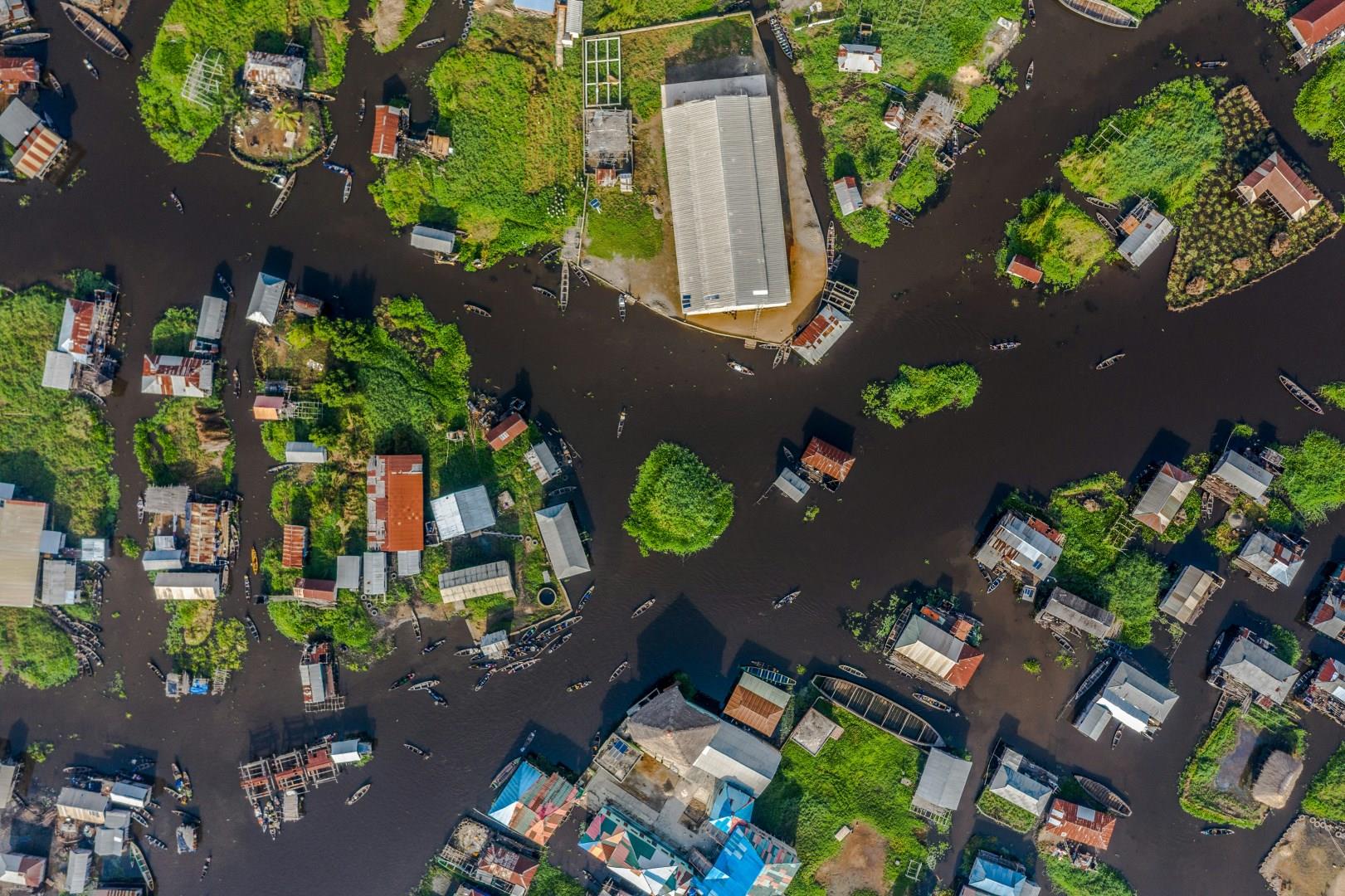
Ganvie, often called the "Venice of Africa," is a lake village located in the heart of Lake Nokoué in southern Benin. What makes Ganvie extraordinary is that the entire village sits on stilts above the water, with wooden homes, floating markets, and schools accessible only by boat. Visitors can glide through narrow canals in pirogues, experiencing firsthand a way of life shaped entirely by water.

Haines
Haines is a charming stop in the Alaska Panhandle and a gateway to Glacier Bay National Park and Tongass National Forest.
Búzios
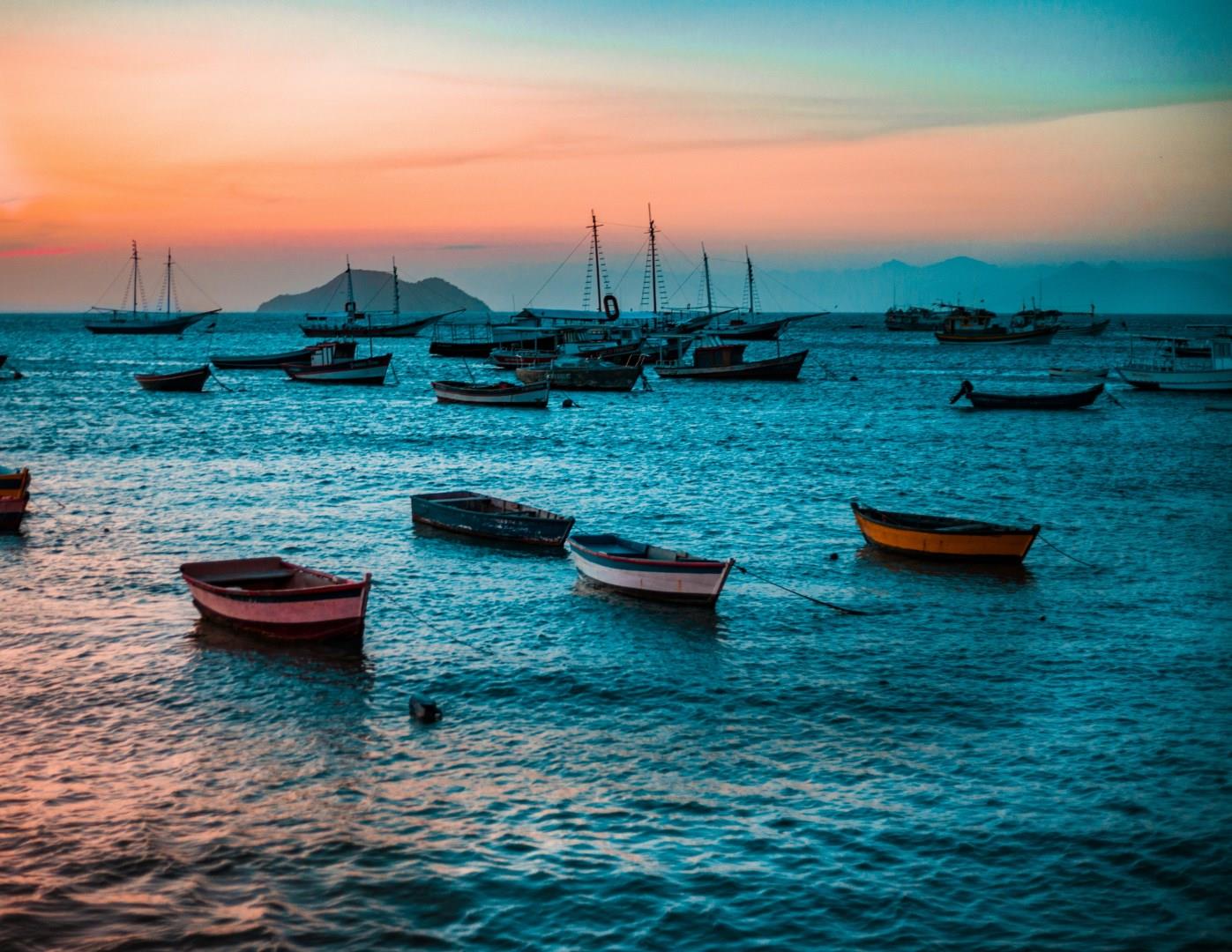
Búzios, a small peninsula just a few hours from Rio de Janeiro, is known for its striking coastline, relaxed atmosphere, and vibrant cultural scene. Once a quiet fishing village, it rose to international attention in the 1960s when French actress Brigitte Bardot visited and fell in love with its laid-back lifestyle. The region is famous for its more than 20 beaches, each with its own personality.
La Paz
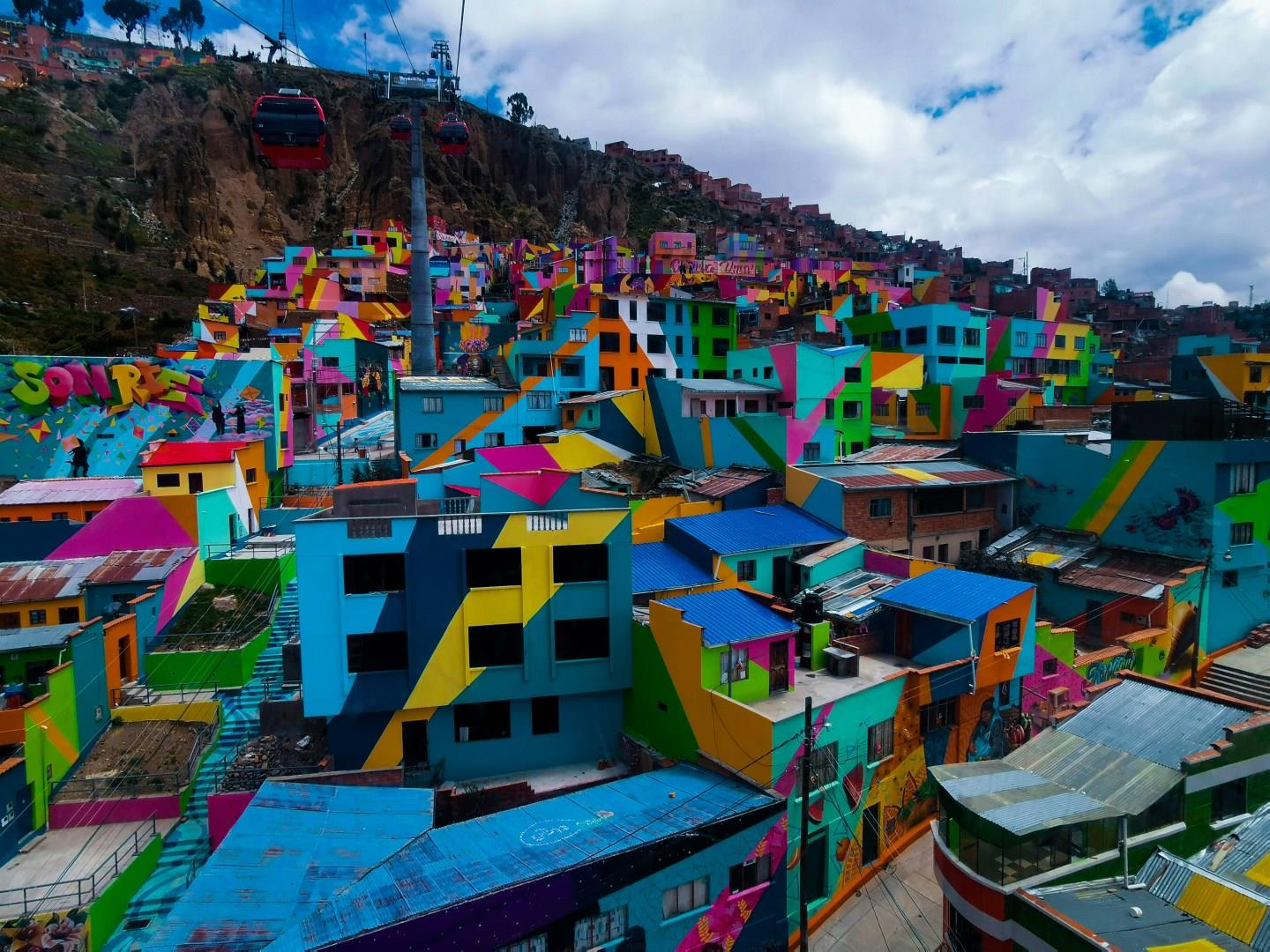
La Paz, Bolivia’s seat of government, is one of the world’s highest capital cities, dramatically set in a deep canyon carved by the Choqueyapu River. Founded in 1548 atop an important Indigenous settlement, the city has long been a crossroads of Andean cultures, colonial history, and modern political life.
Podgorica
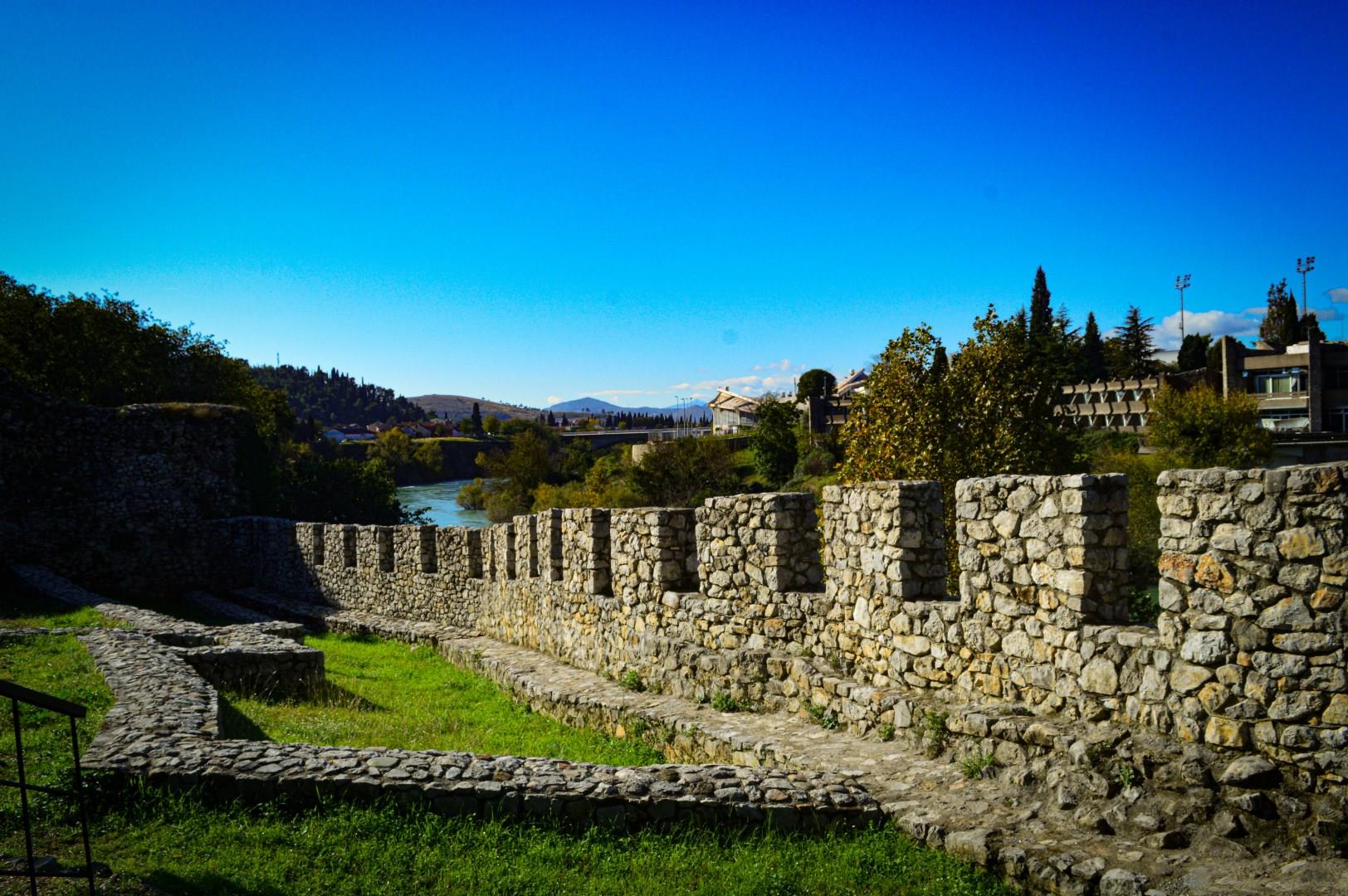
Podgorica, the capital of Montenegro, showcases the country’s contrasting landscapes and deep-rooted history. Although much of the city was rebuilt after World War II, traces of its Roman and Ottoman past still remain. Visitors can explore the ruins of Doclea, a Roman settlement just outside the city, where surviving columns and mosaics give a glimpse into life nearly two millennia ago.
