

Veracruz
Veracruz, Mexico, is a vibrant port city rich in history and culture. Founded in 1519 by Hernán Cortés, it is Mexico’s oldest city, and its historic center, with its colorful colonial buildings and bustling Zócalo, reflects its deep historical roots. Visitors can explore the impressive San Juan de Ulúa Fortress, a massive colonial-era fort that once served as a prison and a key military base.
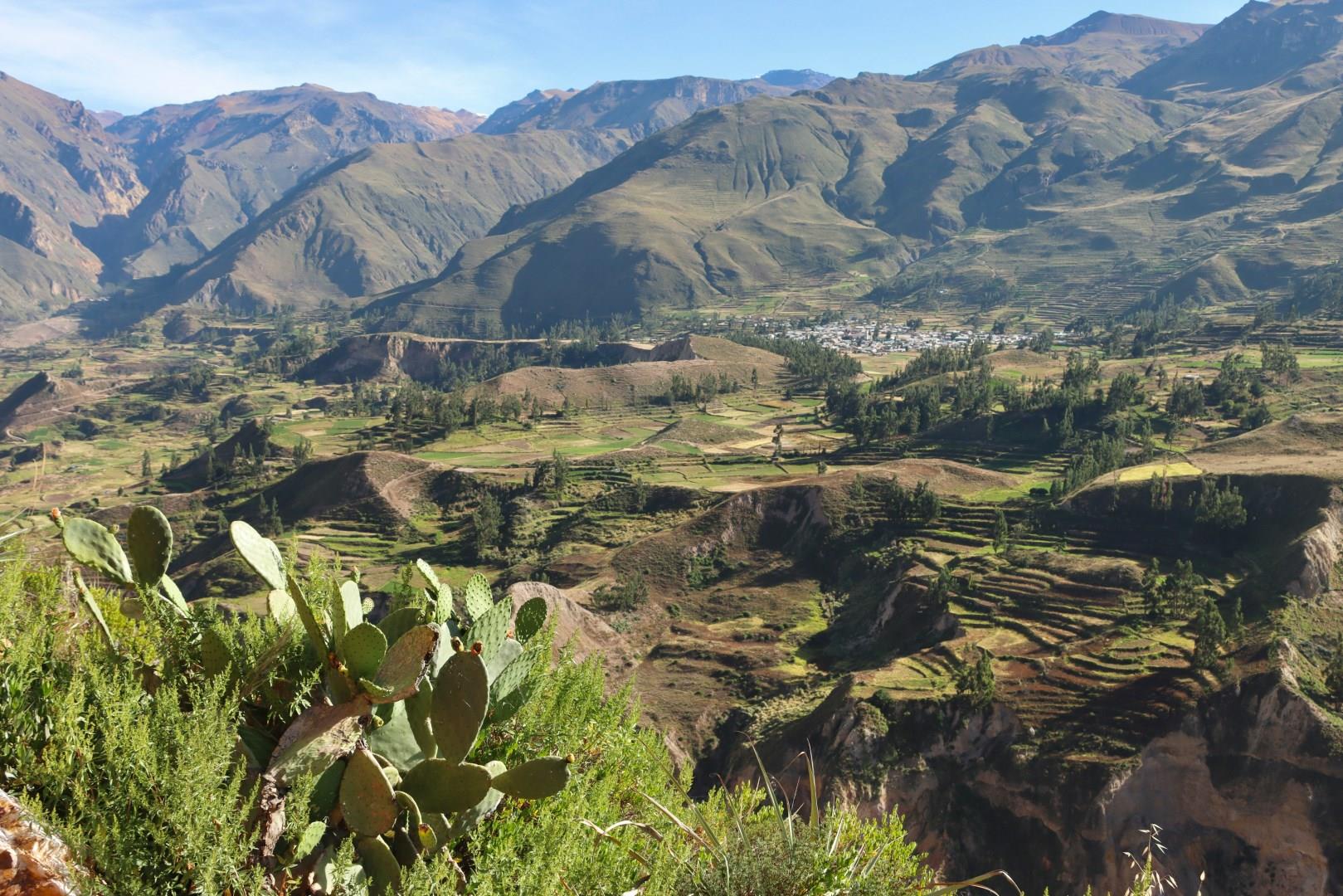
Colca Canyon
Colca Canyon, located in southern Peru’s Arequipa region, is one of the deepest canyons in the world, twice as deep as the Grand Canyon in some areas. What makes it stand out even more is how human settlements have coexisted with the landscape for centuries. Along its walls, pre-Inca agricultural terraces still hold crops like corn and quinoa. One of the main draws of the canyon is the opportunity to see Andean condors in flight.
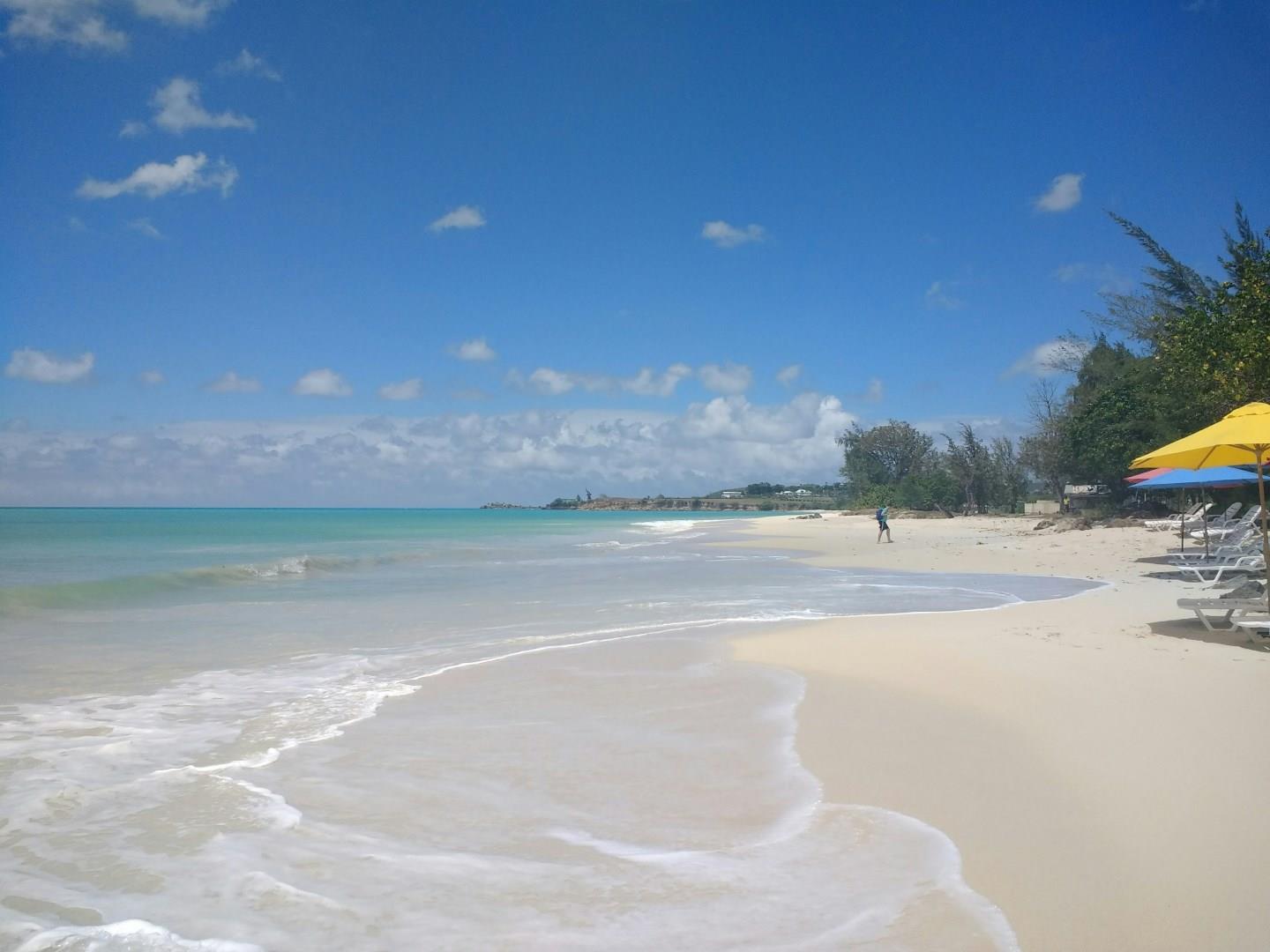
Fort James Beach
Fort James Beach, just outside St. John’s in Antigua, is a long stretch of soft white sand framed by calm, turquoise waters. The beach takes its name from nearby Fort James, a historic 18th-century British stronghold built to guard the harbor.

Slovakia
Slovakia is a country shaped by mountains, castles, and centuries of shifting borders. Tucked in the heart of Europe, it offers visitors a chance to explore medieval towns, alpine peaks, and deep-rooted traditions still practiced in daily life. Bratislava, the capital, sits along the Danube River and is one of the few national capitals that borders Austria and Hungary.

Monteverde
Monteverde, located in the Tilarán Mountains of northwestern Costa Rica, is known for its cloud forests, winding trails, and biodiversity that has drawn researchers and travelers for decades. The area was settled in the 1950s by Quakers from the United States who were looking for a peaceful place to raise dairy cattle. They also played a major role in preserving the local ecosystem, helping to establish the Monteverde Cloud Forest Reserve in 1972.
