

Korčula
Korčula, a jewel in Croatia's Adriatic Sea, invites visitors to immerse themselves in its rich history and stunning natural beauty. Often referred to as "Little Dubrovnik," the city boasts well-preserved medieval architecture, narrow cobblestone streets, and a fortified old town encircled by ancient walls.
Bran
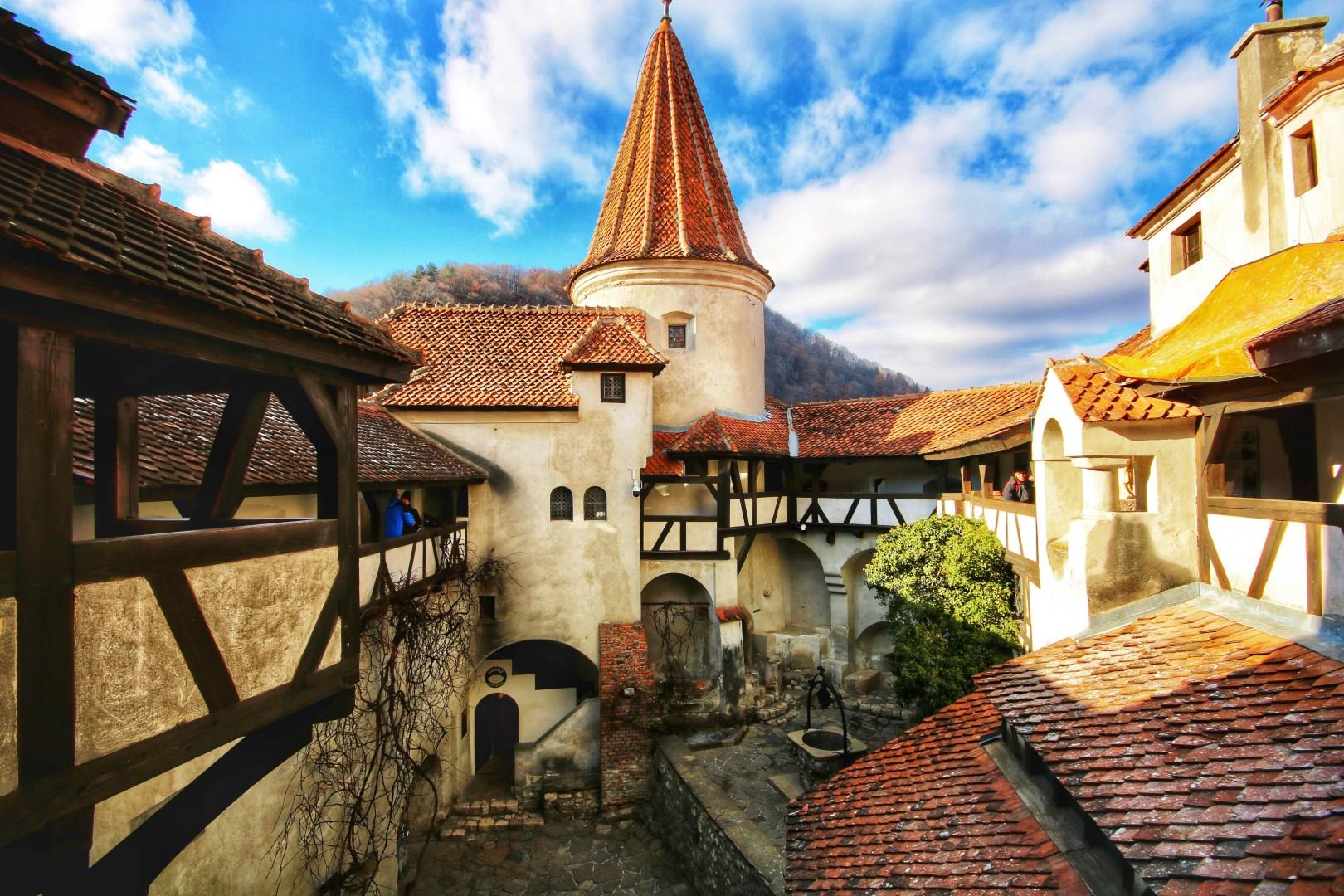
Bran, a small village nestled in the Carpathian Mountains of central Romania, is best known for its medieval fortress commonly referred to as “Dracula’s Castle.” While the connection to Bram Stoker’s fictional character is loose at best, Bran Castle continues to draw travelers with its striking towers, stone walls, and position on a rocky cliff. Originally built in the 14th century to defend against invading forces, the castle has passed through royal hands, most notably Queen Marie of Romania.
Colonia del Sacramento
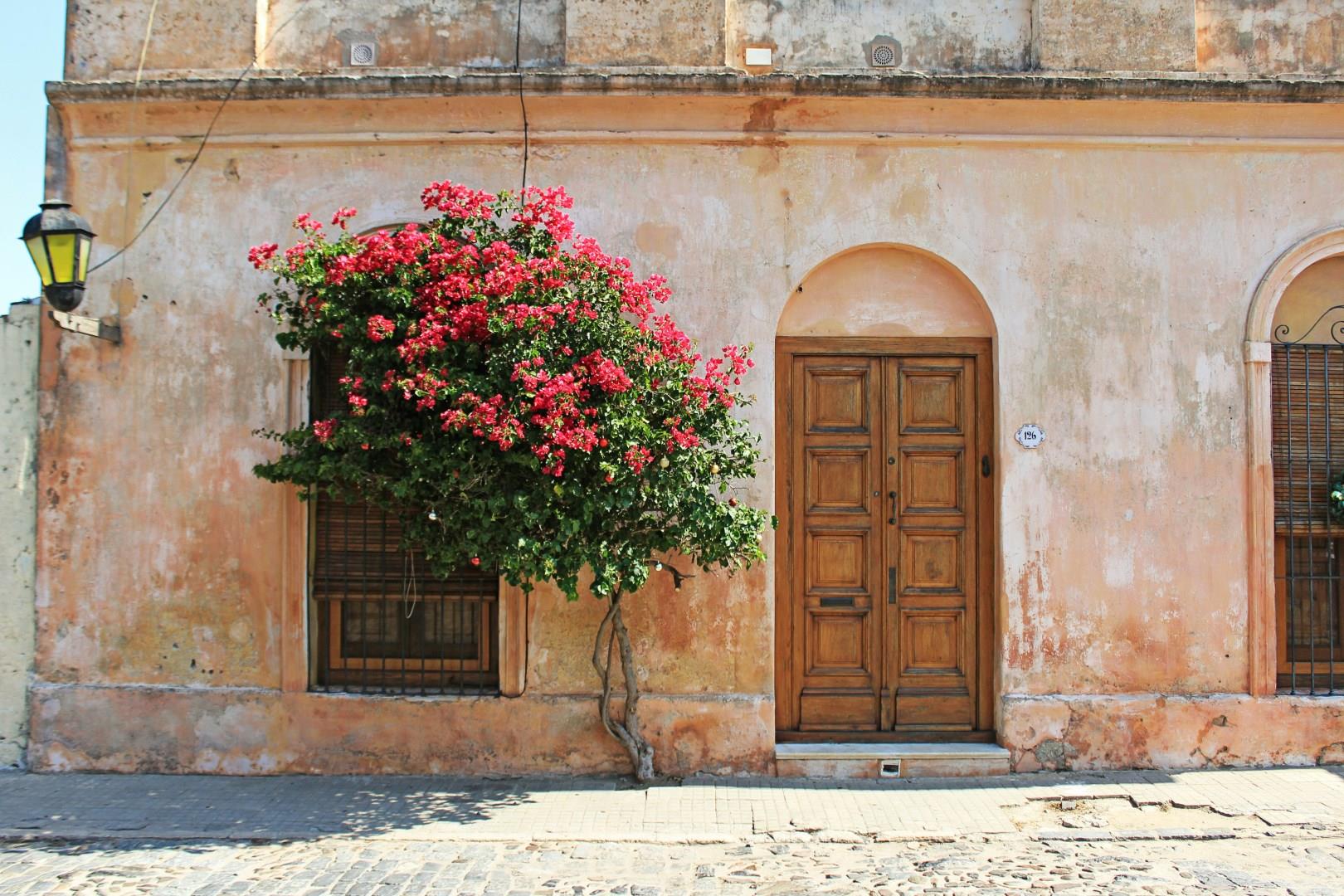
Colonia del Sacramento is where time lingers. Founded in 1680 by the Portuguese and later contested by the Spanish, the town’s past is etched into its cobblestone streets and weathered facades. The Barrio Histórico, a UNESCO World Heritage Site, is compact enough to walk in an afternoon yet layered with centuries of stories. Visitors can explore remnants of the original city walls and climb the iconic lighthouse for sweeping views of the Río de la Plata.

Vaduz
Nestled between Switzerland and Austria, Vaduz, the capital of Liechtenstein, is a charming alpine destination with a blend of modern culture and medieval history. Overlooked by the stunning Vaduz Castle, the official residence of the reigning prince, this small yet vibrant city offers breathtaking views of the Rhine Valley and surrounding mountains
Dushanbe
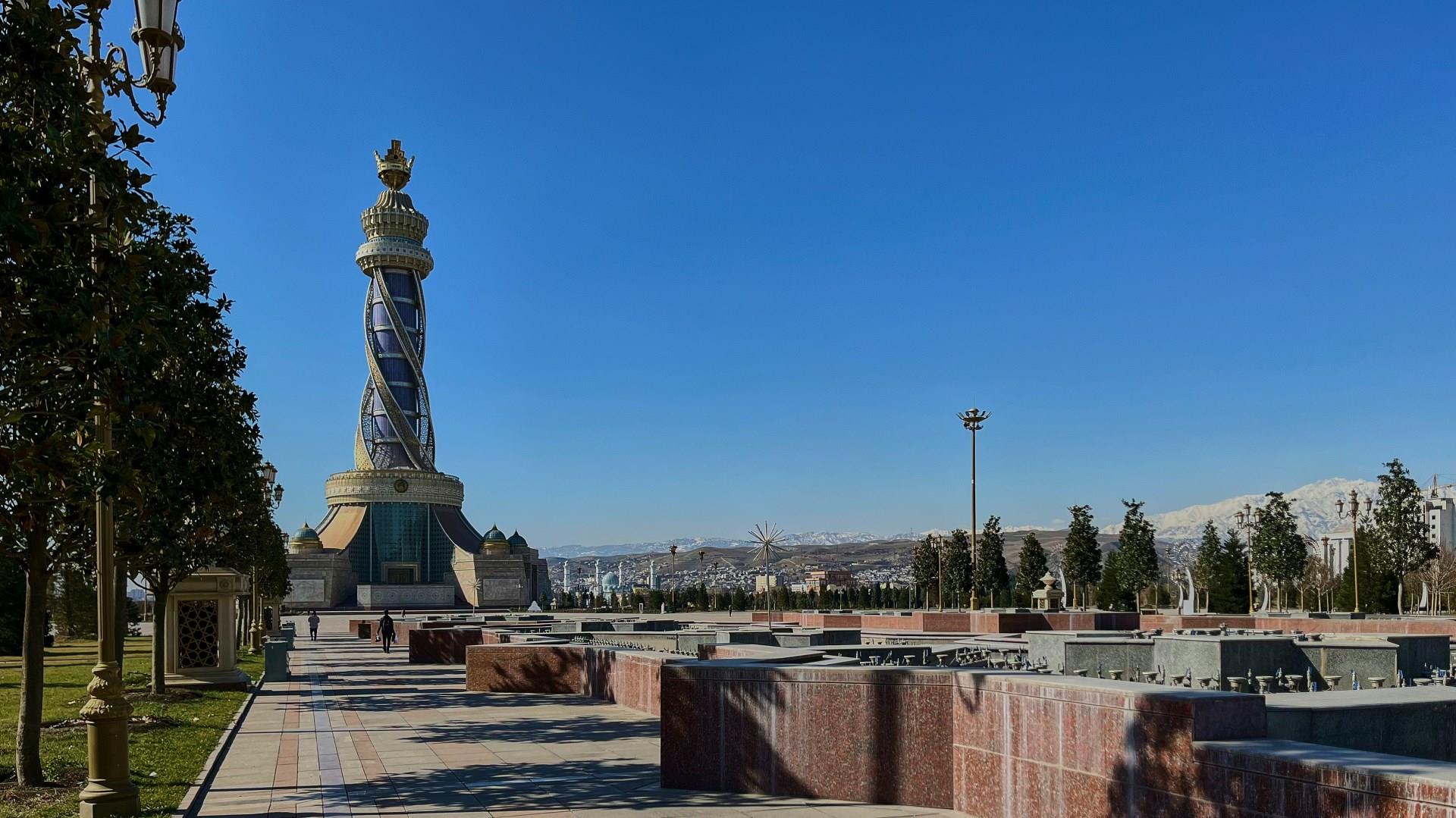
Dushanbe, the capital of Tajikistan, blends Soviet-era architecture with traditional Central Asian culture. The city is known for landmarks such as the National Library, Rudaki Park, and the striking Flagpole Square, which reflect both civic pride and the country’s heritage
