
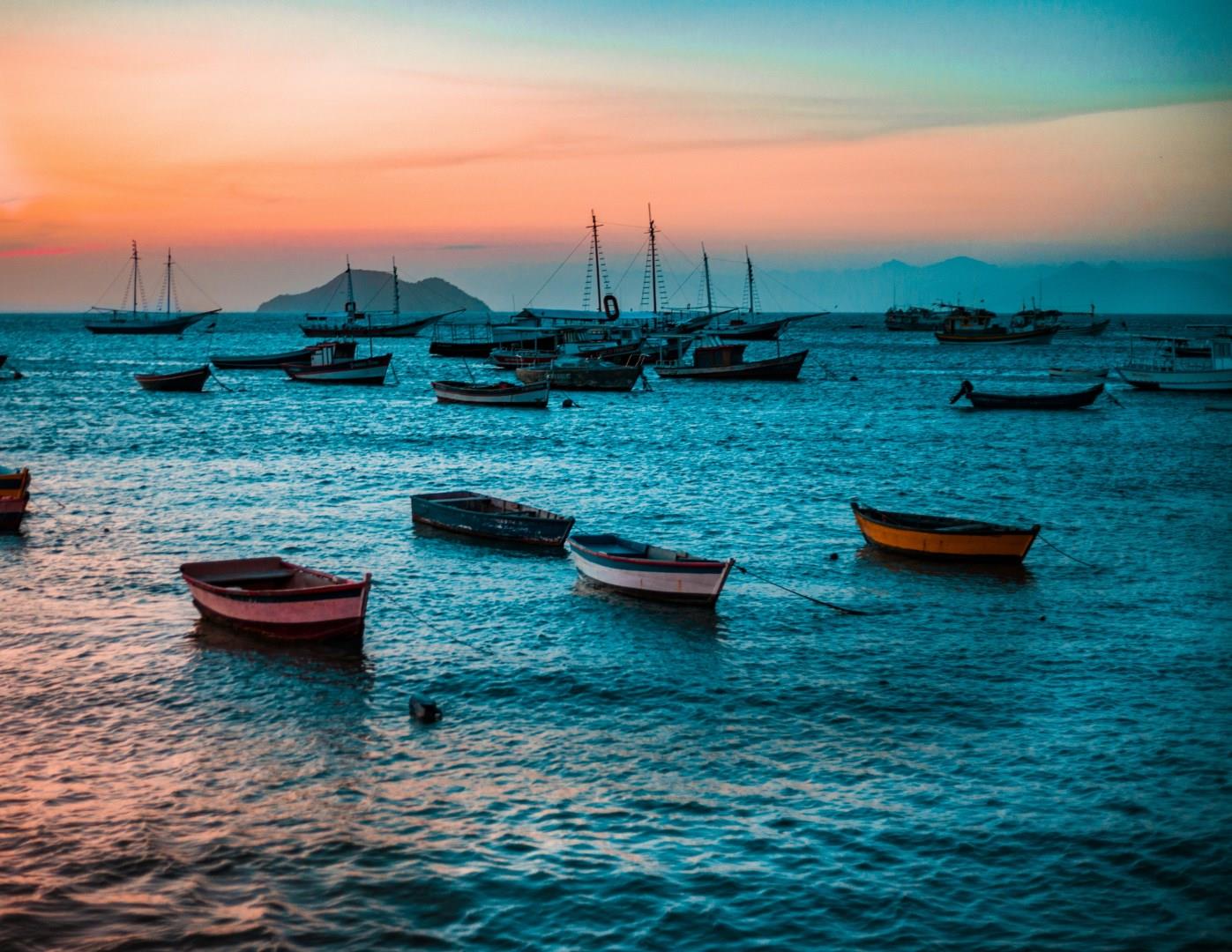
Búzios
Búzios, a small peninsula just a few hours from Rio de Janeiro, is known for its striking coastline, relaxed atmosphere, and vibrant cultural scene. Once a quiet fishing village, it rose to international attention in the 1960s when French actress Brigitte Bardot visited and fell in love with its laid-back lifestyle. The region is famous for its more than 20 beaches, each with its own personality.
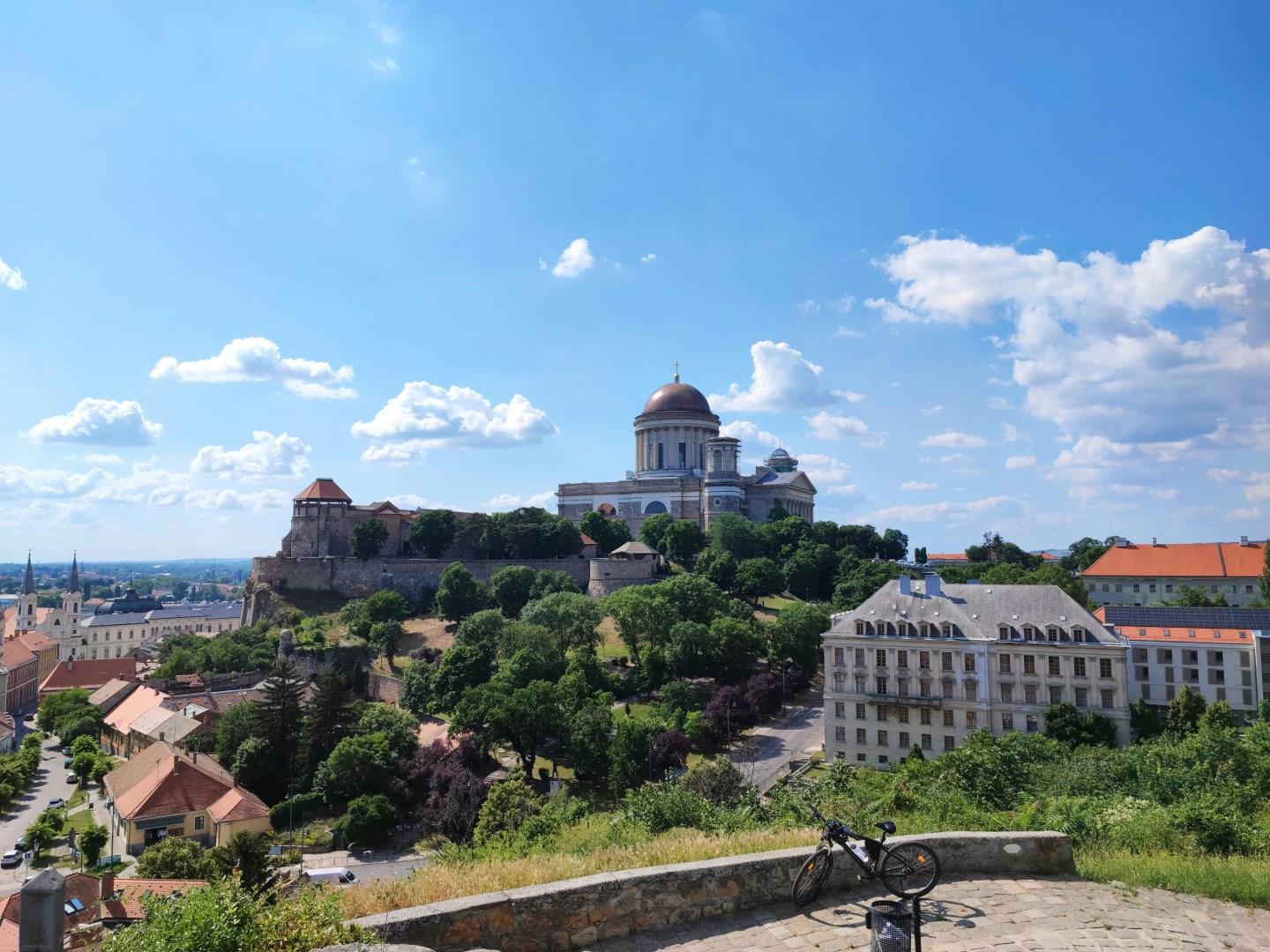
Esztergom
Esztergom is one of Hungary’s oldest and most historically significant towns, located along the Danube River just an hour north of Budapest. It was the country’s royal capital during the Middle Ages and the birthplace of its first king, Saint Stephen. Today, visitors are drawn to the Esztergom Basilica, the largest church in Hungary. Its dome rises over 70 meters high and offers panoramic views of the river, the surrounding hills, and neighboring Slovakia across the Mária Valéria Bridge.

Aït Ben Haddou
Aït Benhaddou, located in southern Morocco along the former caravan route between the Sahara and Marrakesh, is one of the country’s most iconic historic sites. This fortified village, or ksar, is recognized as a UNESCO World Heritage Site and is admired for its striking earthen clay architecture that rises dramatically from the desert landscape.
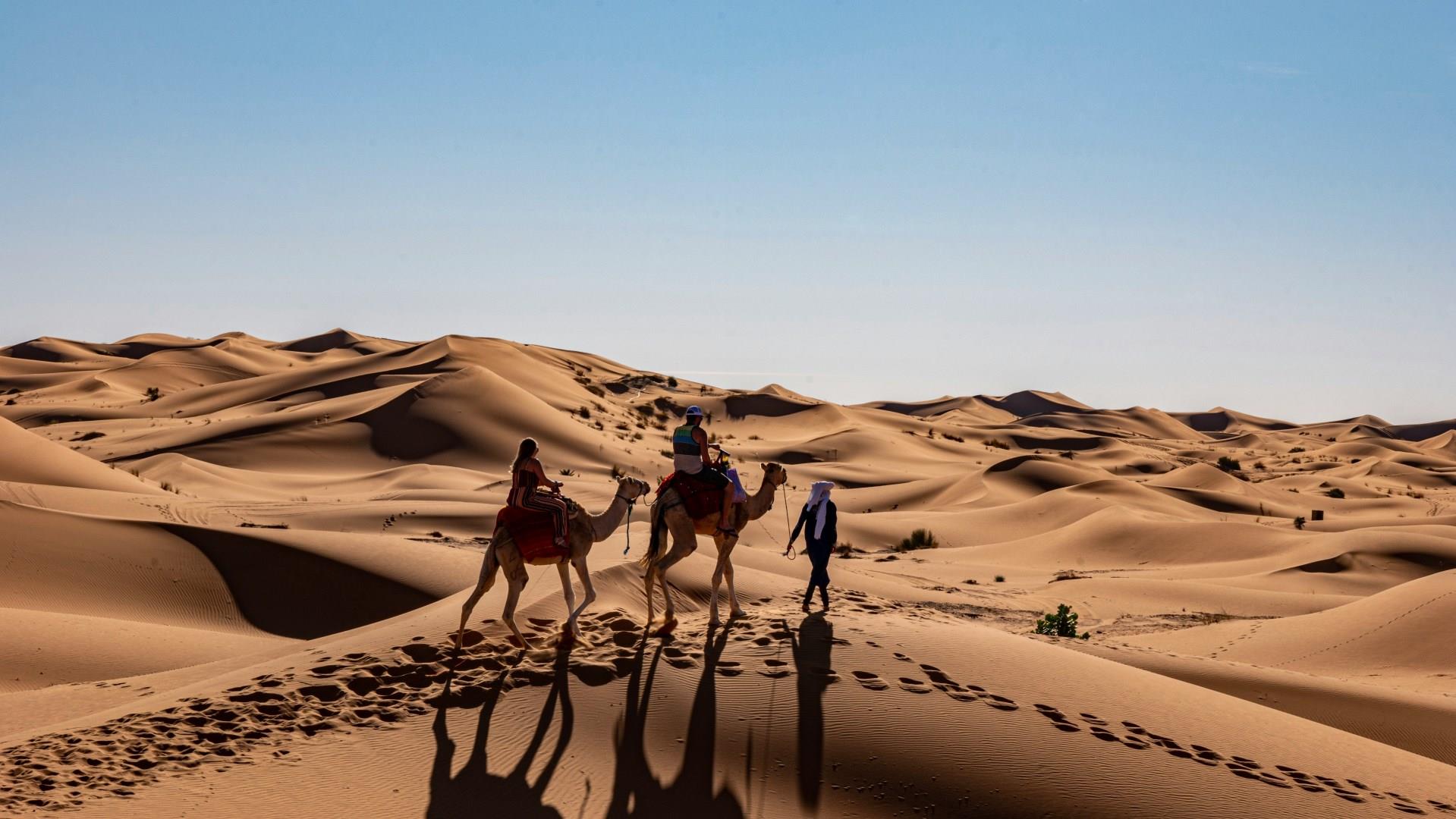
Erfoud
Erfoud, a desert town in eastern Morocco, is often seen as the last stop before the endless dunes of the Sahara begin. But this oasis holds more than just a convenient location. Known as the "Gateway to the Desert," Erfoud is steeped in history that predates the modern borders of Morocco. It was once a French colonial outpost, and today, its dusty streets and adobe buildings offer a glimpse into a slower, older way of life that still shapes the region’s identity.

Bilbao
Bilbao’s unique blend of modern architecture, rich history, and natural beauty makes it a destination like no other. Whether you’re exploring cutting-edge art, savoring Basque cuisine, or simply soaking in the stunning scenery, Bilbao offers an experience that will captivate your senses and leave you wanting more.
