
Grand Junction
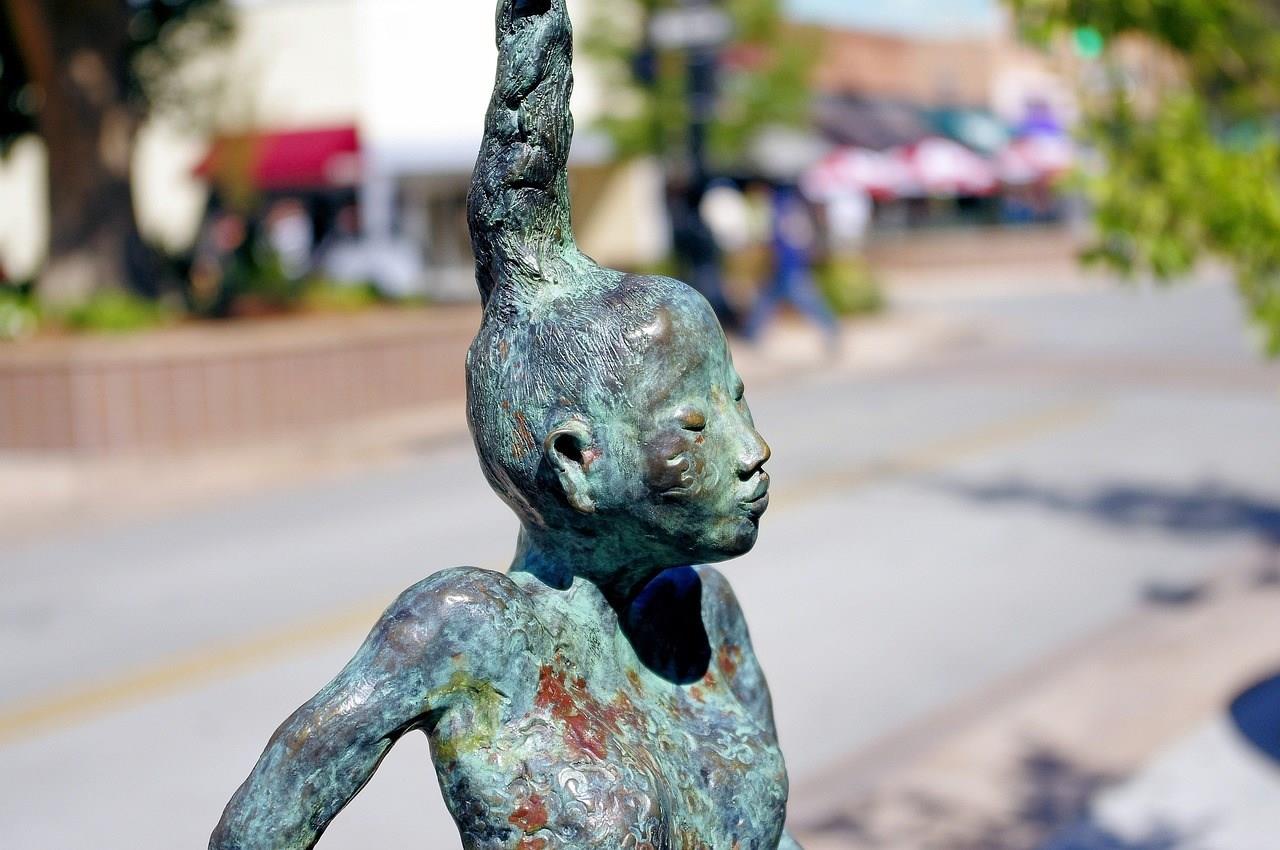
Grand Junction, located on Colorado’s Western Slope, is a destination where desert canyons meet fertile vineyards and rugged plateaus overlook winding rivers. The town sits at the junction of the Colorado and Gunnison Rivers, which historically made it a vital meeting point for Native American tribes, trappers, and settlers. Today, visitors come for its striking landscapes, laid-back pace, and a growing food and wine scene that's putting this region on the map for more than just its scenery.

Kerala
Kerala, India is a lush, tropical paradise that captivates travelers with its serene backwaters, vibrant culture, and stunning landscapes. Nestled between the Arabian Sea and the Western Ghats, Kerala boasts a unique blend of natural beauty and cultural richness. The tranquil backwaters of Alleppey and Kumarakom offer a quintessential Kerala experience, where visitors can cruise on traditional houseboats through a labyrinth of canals, lagoons, and lakes.

Canberra
Canberra, the capital city of Australia, is a hidden gem that often surprises travelers with its rich blend of culture, history, and natural beauty. Designed by American architects Walter Burley Griffin and Marion Mahony Griffin, Canberra is a city thoughtfully crafted around Lake Burley Griffin, which offers picturesque views and serene walks. Unlike many cities, it is home to a vast population of kangaroos, which are often spotted hopping around suburban areas and parklands.

Australia
Australia, a land of stunning contrasts and vibrant cultures, offers an unforgettable experience for every kind of adventurer. From the ancient landscapes of the Outback to the bustling urban centers, this vast country is rich in both history and natural beauty.
Paramaribo
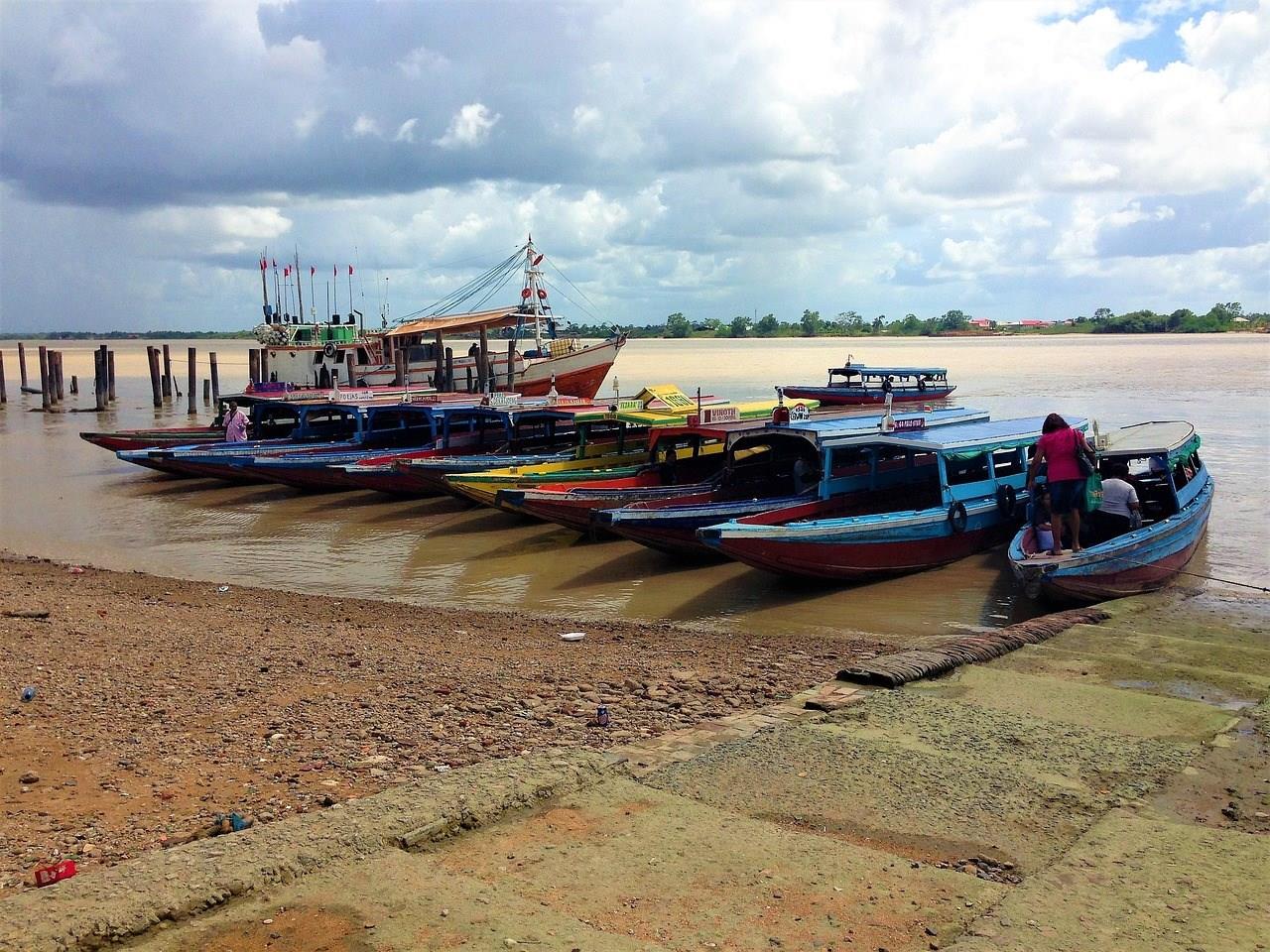
Paramaribo, Suriname’s capital, unfolds like a living storybook along the Suriname River, where wooden structures from the 17th and 18th centuries still stand today. This historic heart reveals a rare fusion of Dutch design and local craftsmanship. Visitors can stroll the Waterkant, a riverside avenue, and take in landmarks such as Fort Zeelandia, the neoclassical Reformed Church, and the lofty wooden Cathedral of St. Peter and Paul.
