
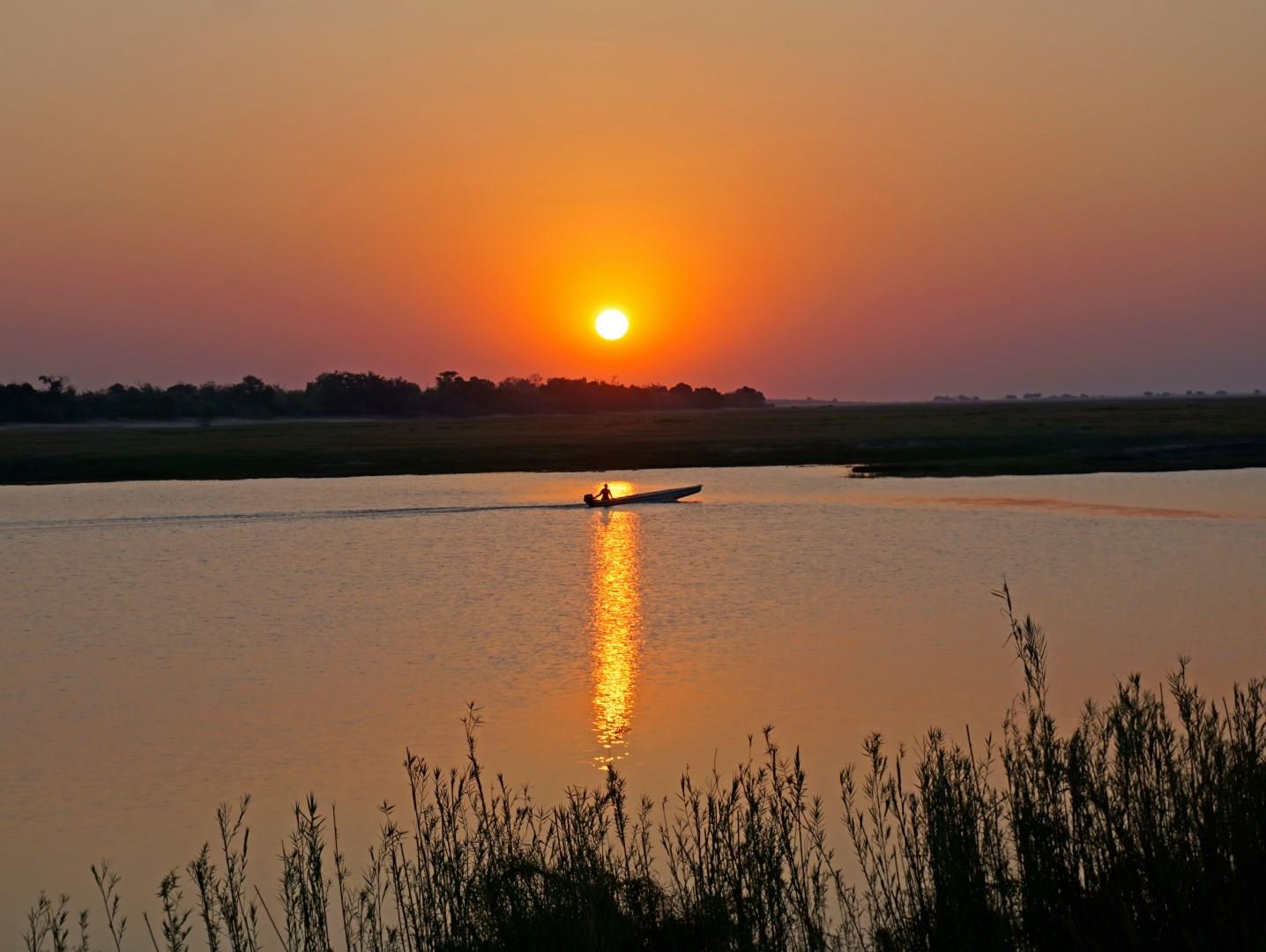
Chobe River
The Chobe River forms the northern boundary of the Chobe National Park. Animal lovers and safari enthusiasts know it as the place where the elephants congregate during winter's dry season and migrant birds are in full color during the wet summer months. The river itself is actually a section of the Cuando River, known as the Chobe from the seasonal lake Liambesi to its outflow at the Zambezi River.

Arequipa
Arequipa, known as the "White City," is built from sillar, a pale volcanic stone that glows in the sunlight. This architectural detail gives the historic center its striking appearance and has earned it recognition as a UNESCO World Heritage Site. Towering above the city is the perfectly symmetrical Misti Volcano, which, along with two neighboring peaks, forms a dramatic backdrop.

Germany
Germany offers a wide range of experiences, shaped by centuries of history, regional traditions, and striking landscapes. In Berlin, the past and present share the same streets. Visitors can walk along remnants of the Berlin Wall and then explore a thriving street art scene in neighborhoods like Kreuzberg and Friedrichshain. The city's Museum Island, a UNESCO World Heritage Site, houses ancient artifacts and 19th-century masterpieces just a short walk from modern coffee shops and rooftop bars.
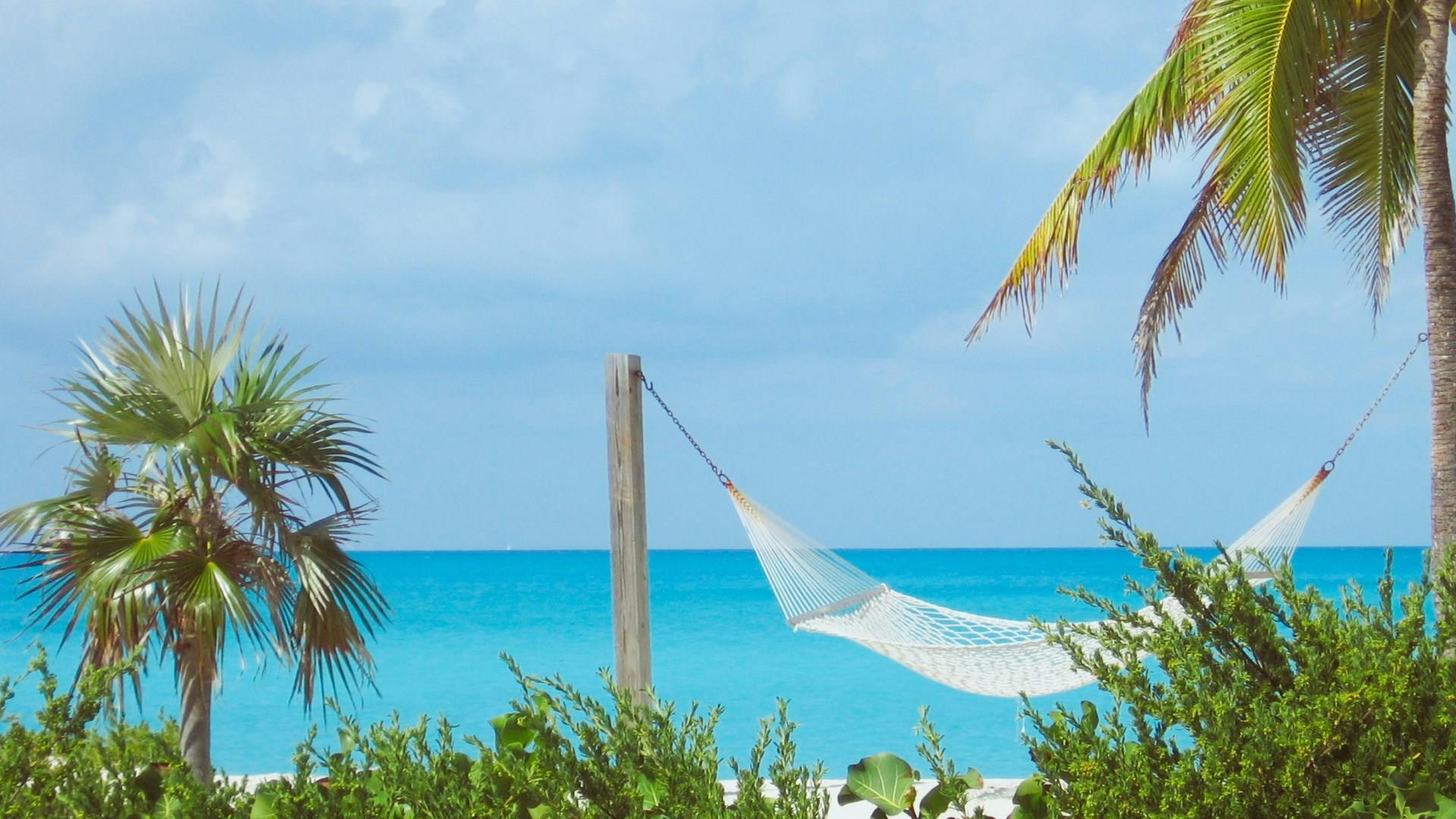
Cat Island
Cat Island, one of the more unspoiled Out Islands of The Bahamas, is a destination that feels worlds away from the busier resort hubs. Stretching about 50 miles long, the island is lined with pink-sand beaches, rolling green hills, and quiet fishing villages where time seems to stand still.
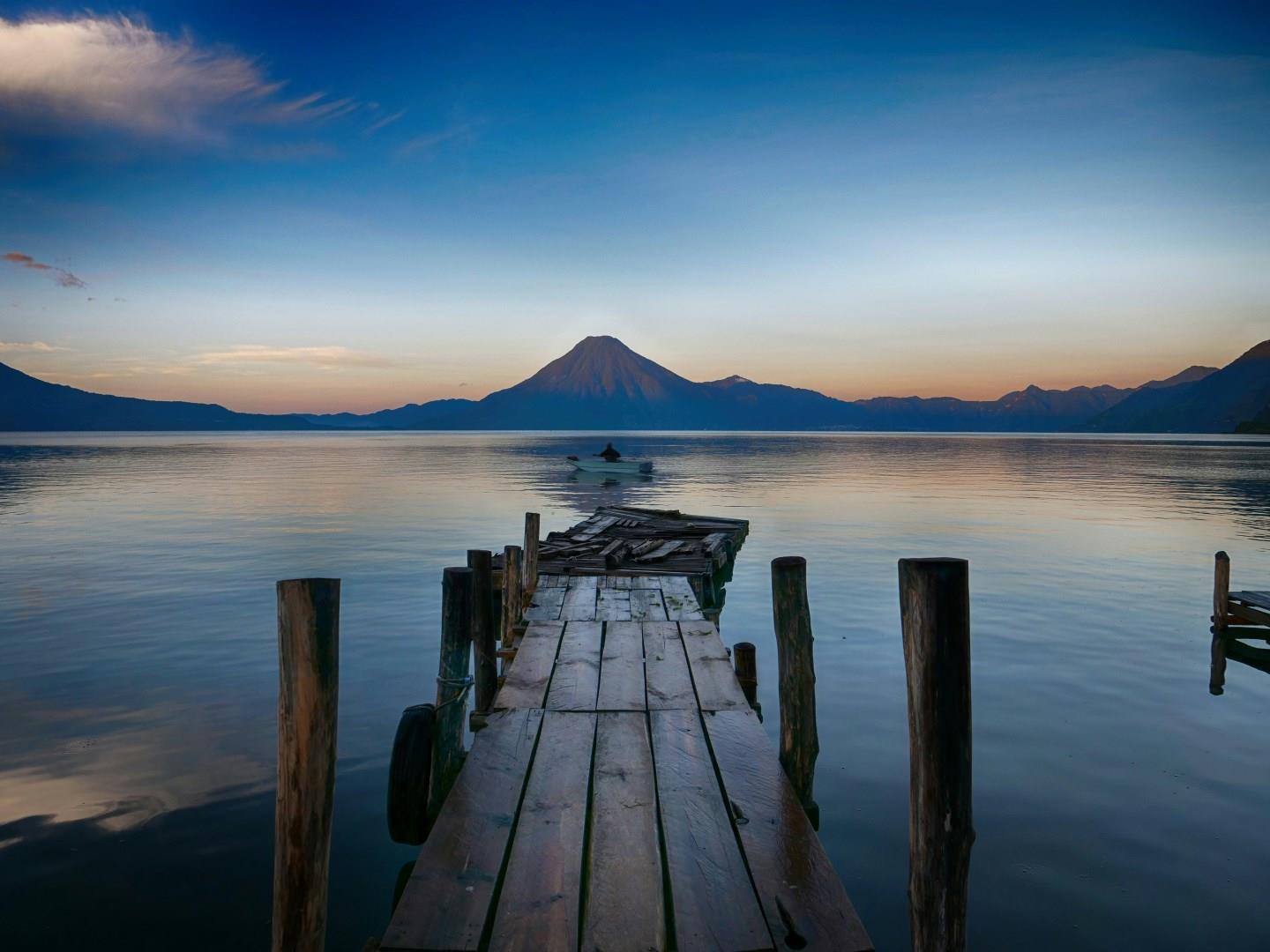
Panajachel
Panajachel, on the shores of Guatemala’s Lake Atitlán, is a vibrant town framed by volcanic peaks and the shimmering waters of one of the world’s most picturesque lakes.
