
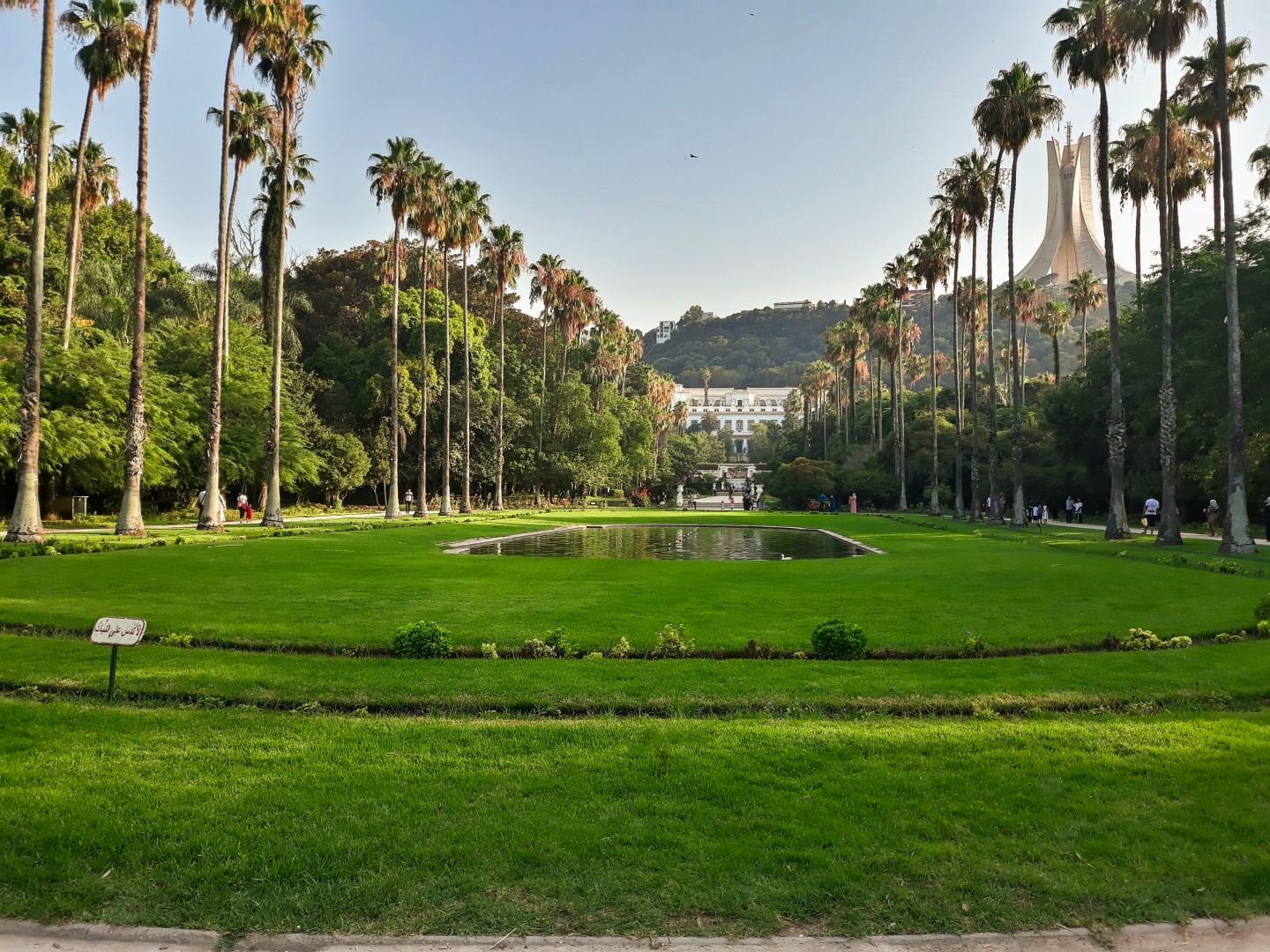
Algiers
Algiers, Algeria’s capital, is a city where centuries of history unfold along the shores of the Mediterranean. Known as “El Bahdja,” or “The Joyful,” Algiers blends striking buildings, seaside breezes, and layered stories. One of its most iconic landmarks is the Casbah, a UNESCO World Heritage site with maze-like alleyways, Ottoman-era palaces, and hidden terraces overlooking the bay. The Grand Post Office, with its striking facade and intricate neo-Moorish details, anchors the city’s downtown.
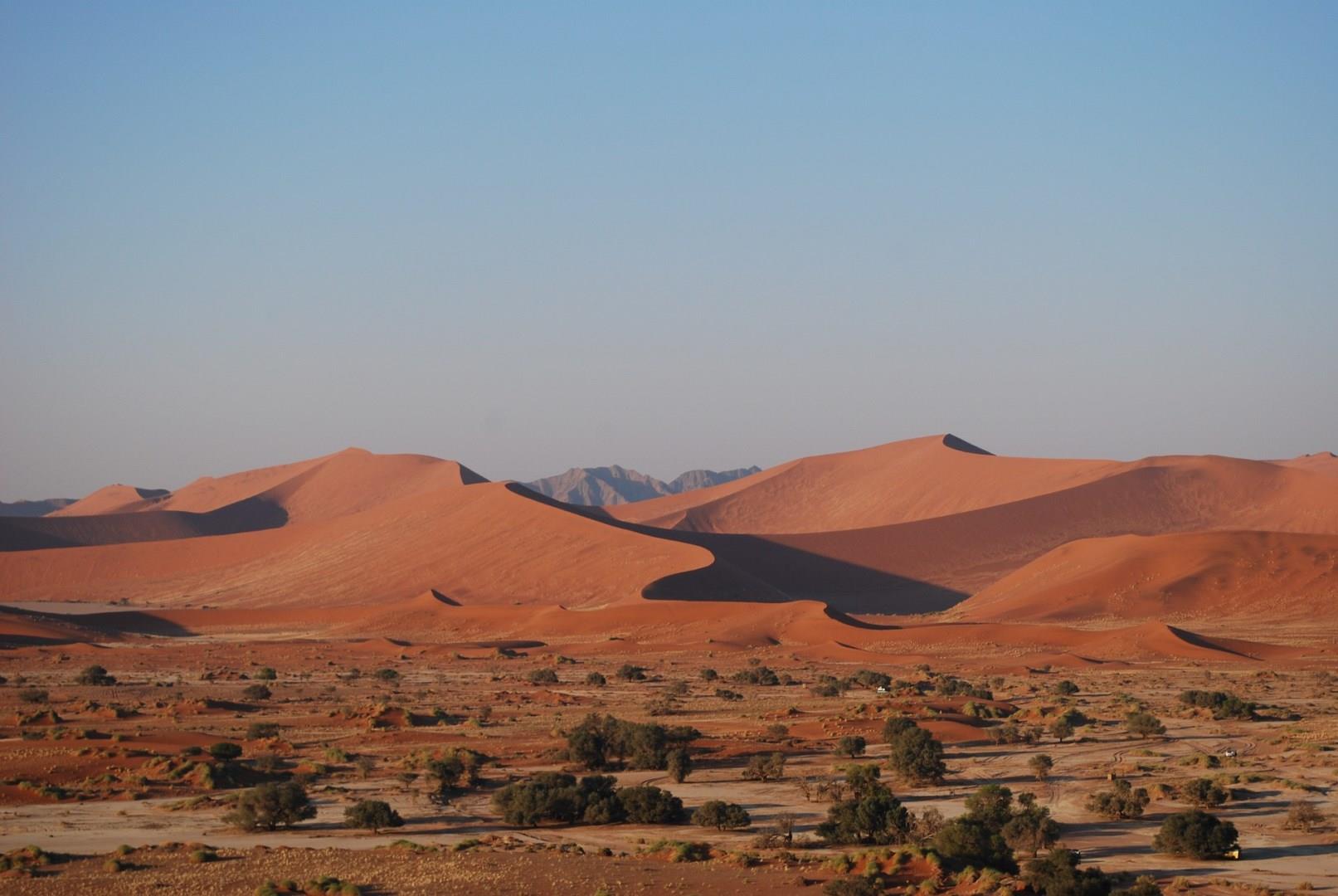
Sesriem
Sesriem, located in the heart of Namibia’s Namib Desert, serves as the gateway to the world-famous Sossusvlei and Deadvlei, two of Namibia’s most iconic landscapes. The dramatic red dunes of the Namib Desert, some of the highest in the world, are an awe-inspiring sight, particularly at sunrise when the light casts long shadows, creating an otherworldly contrast of colors.

Yokohama
Yokohama, Japan's vibrant port city, offers a delightful blend of historical charm and modern excitement. Located just a short train ride from Tokyo, Yokohama is renowned for its picturesque waterfront and cultural attractions.

Ulm
Ulm, Germany, a picturesque city on the banks of the Danube River, offers a rich tapestry of history and modern charm. Dominating its skyline is the Ulm Minster, home to the tallest church steeple in the world at 161.5 meters (530 feet). This Gothic masterpiece invites visitors to climb its 768 steps for a breathtaking panoramic view of the city and the surrounding countryside.
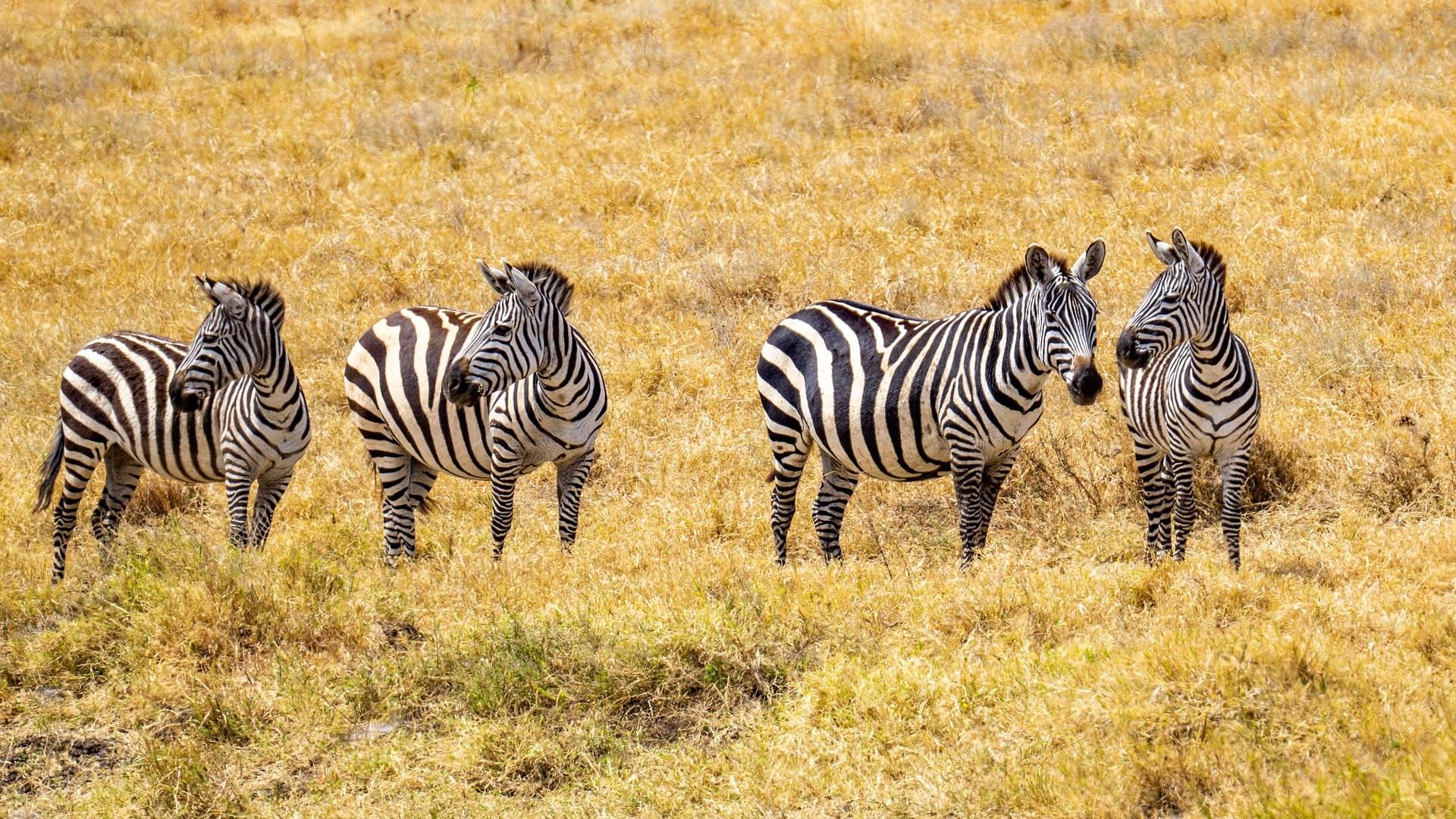
Tanzania
Tanzania, located in East Africa along the Indian Ocean, is a country of extraordinary landscapes and cultural diversity. It is home to Africa’s tallest peak, Mount Kilimanjaro, and vast plains such as the Serengeti, where wildlife roams freely across open savannas.
