

Coffee Axis
Nestled in the heart of the Andean mountains, Colombia's Coffee Region, or “Eje Cafetero,” is a lush tapestry of rolling hills, fertile valleys, and towering wax palms. This UNESCO World Heritage-listed landscape is more than just the epicenter of Colombia's coffee production—it is an invitation to explore a culture steeped in tradition, warmth, and a deep appreciation for the natural world.
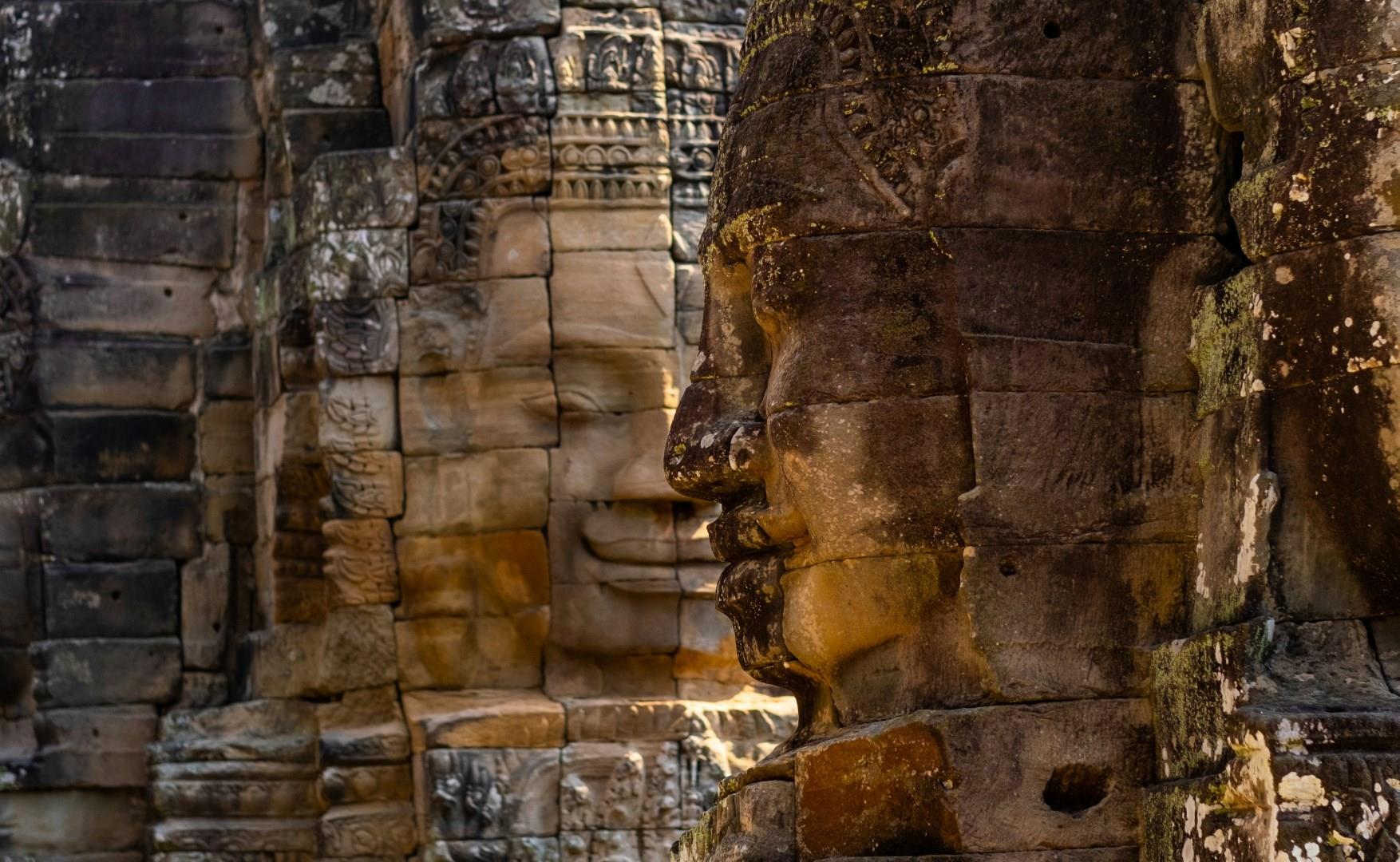
Siem Reap
Siem Reap is best known as the gateway to Angkor, the ancient capital of the Khmer Empire, but the town itself offers far more than a launching point for temple exploration. Located in northwestern Cambodia, Siem Reap balances centuries-old traditions with a rapidly evolving cultural scene. Its streets are lined with colonial-era buildings, Buddhist pagodas, bustling markets, and open-air cafés.
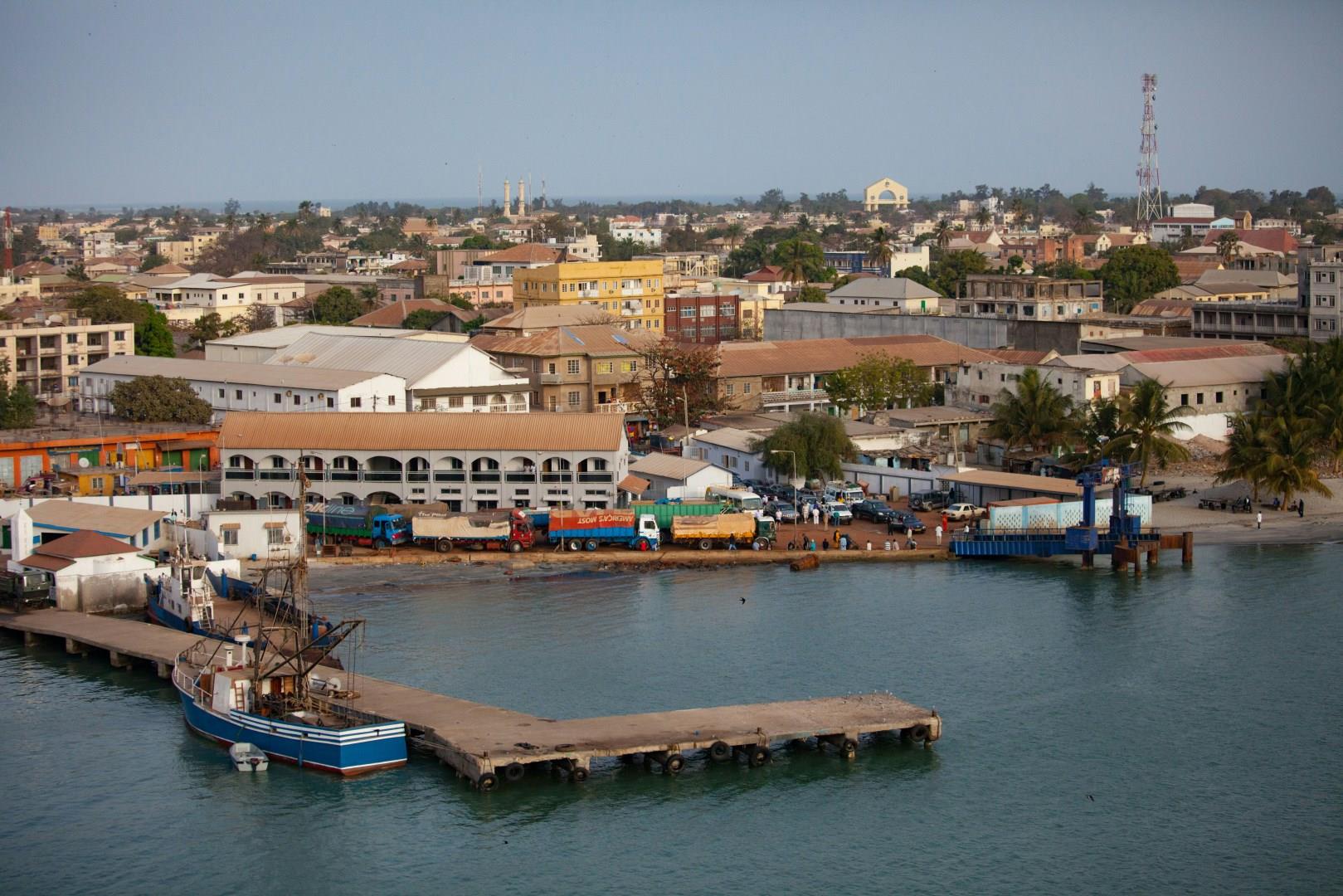
Banjul
Banjul, the capital of The Gambia, is located on St. Mary’s Island at the mouth of the Gambia River, giving it a unique waterfront setting.
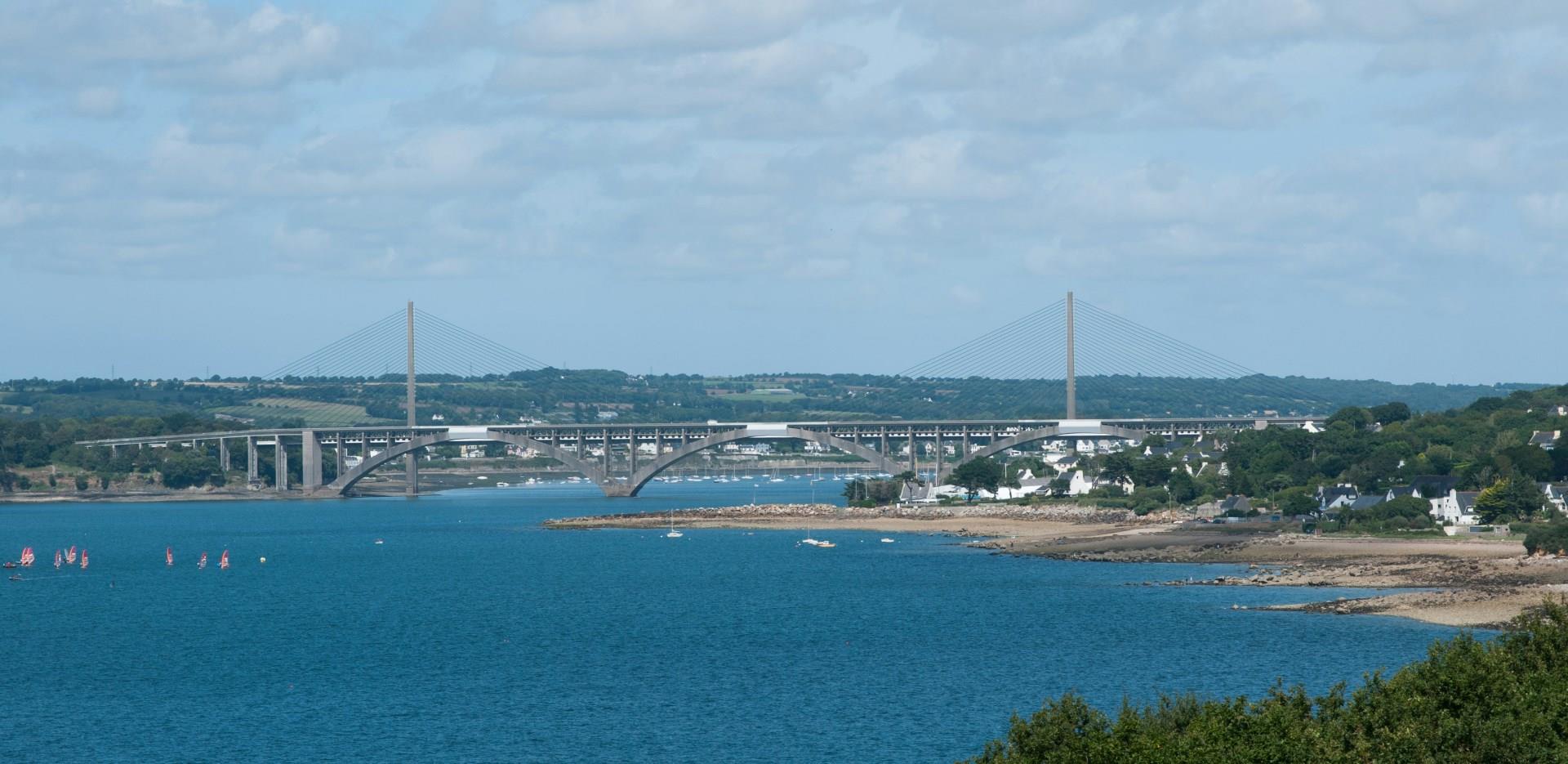
Brest
Brest sits at the western edge of Brittany, facing the Atlantic and shaped by its role as a strategic naval port. Much of the city was rebuilt after World War II, giving it a modern layout that contrasts with older Breton towns, yet its history remains closely tied to the sea.
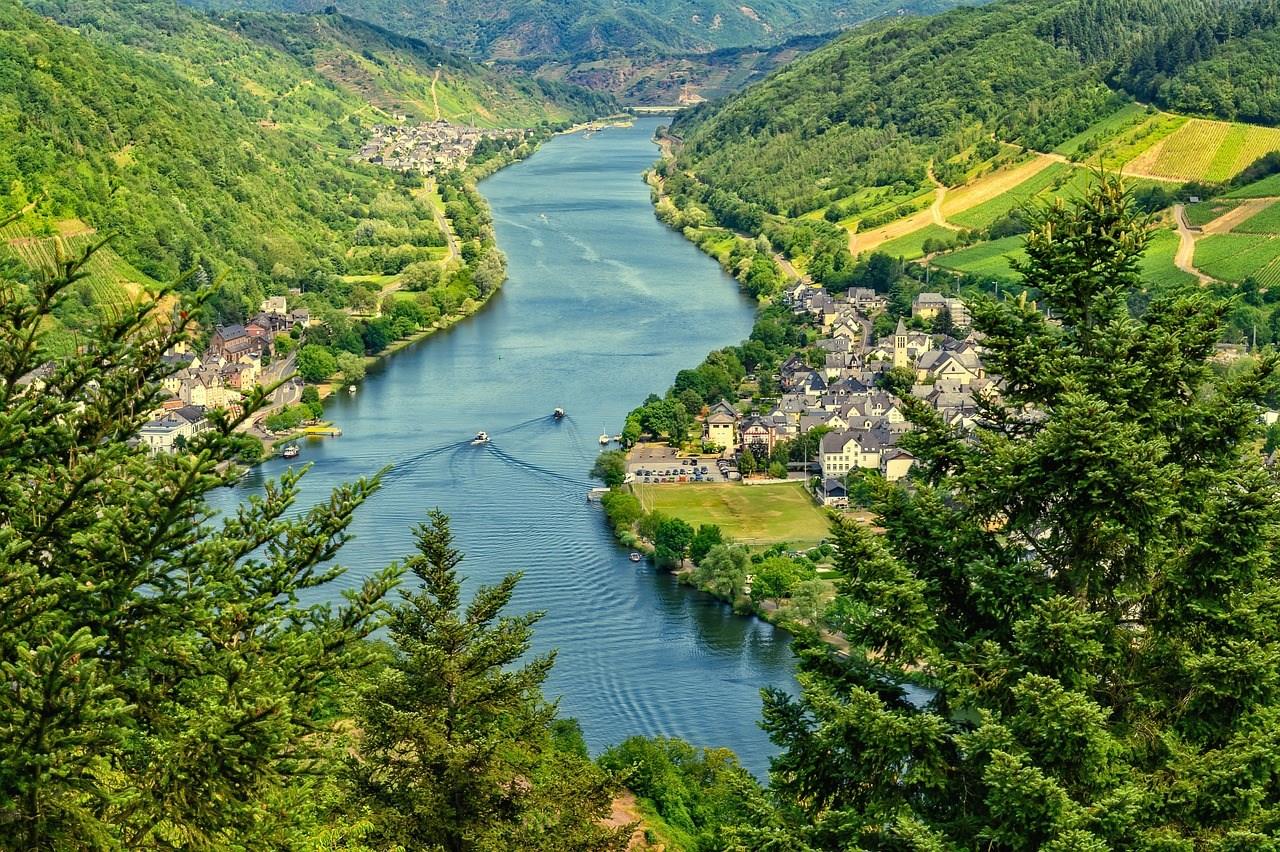
Moselle River
A tributary of the Rhine, the Moselle River flows through France, Luxembourg and Germany. The Moselle also lends its name to a region of France, a valley which it bisects, and a wine produced along its banks.
