
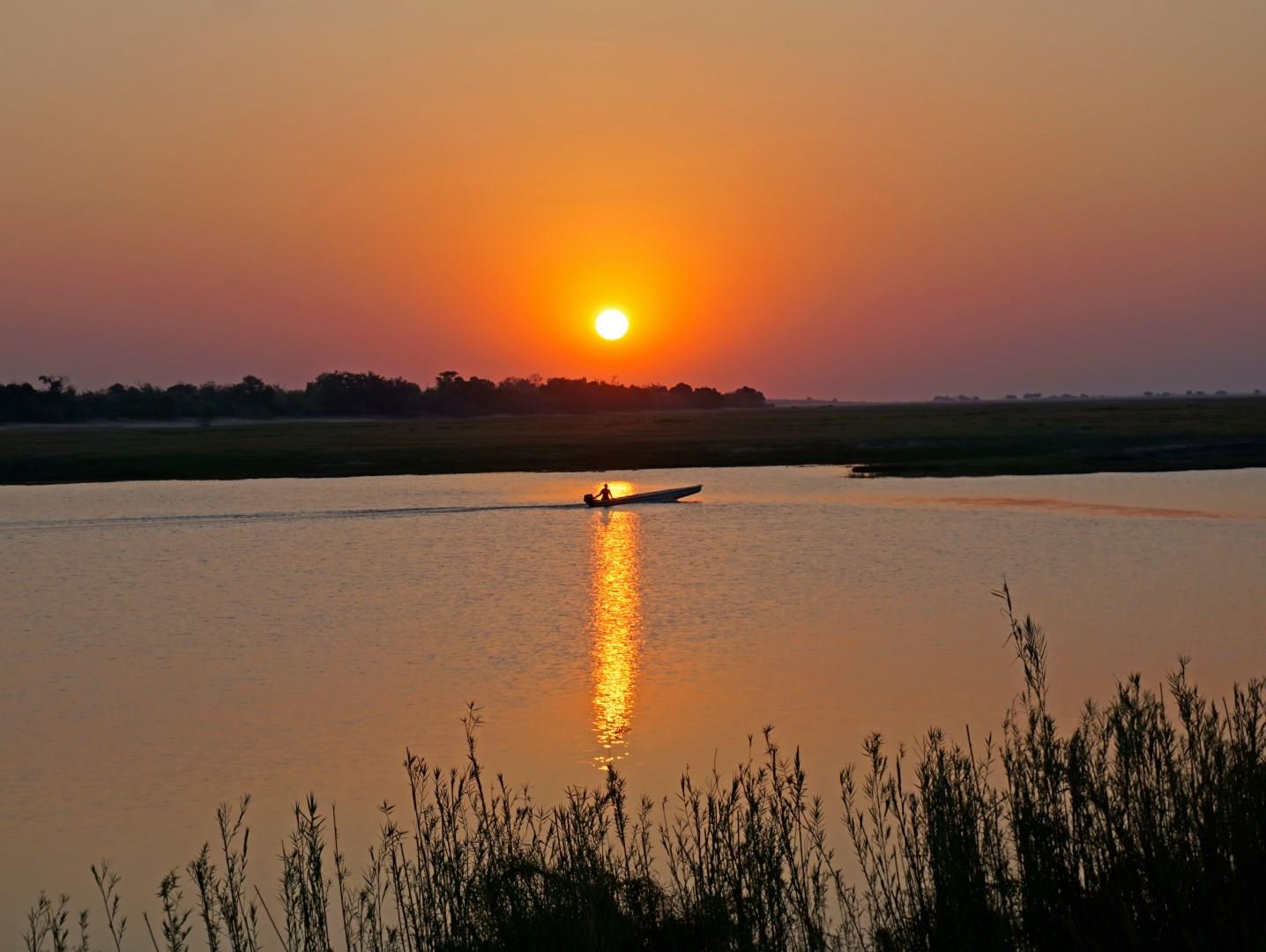
Chobe River
The Chobe River forms the northern boundary of the Chobe National Park. Animal lovers and safari enthusiasts know it as the place where the elephants congregate during winter's dry season and migrant birds are in full color during the wet summer months. The river itself is actually a section of the Cuando River, known as the Chobe from the seasonal lake Liambesi to its outflow at the Zambezi River.

Beijing
Beijing, the capital of China, is a city where history and modern life intersect on a grand scale. Ancient landmarks like the Forbidden City, Tiananmen Square, and the Temple of Heaven reflect centuries of imperial heritage, while the Great Wall lies just outside the city, offering views of one of the most famous engineering feats in the world.
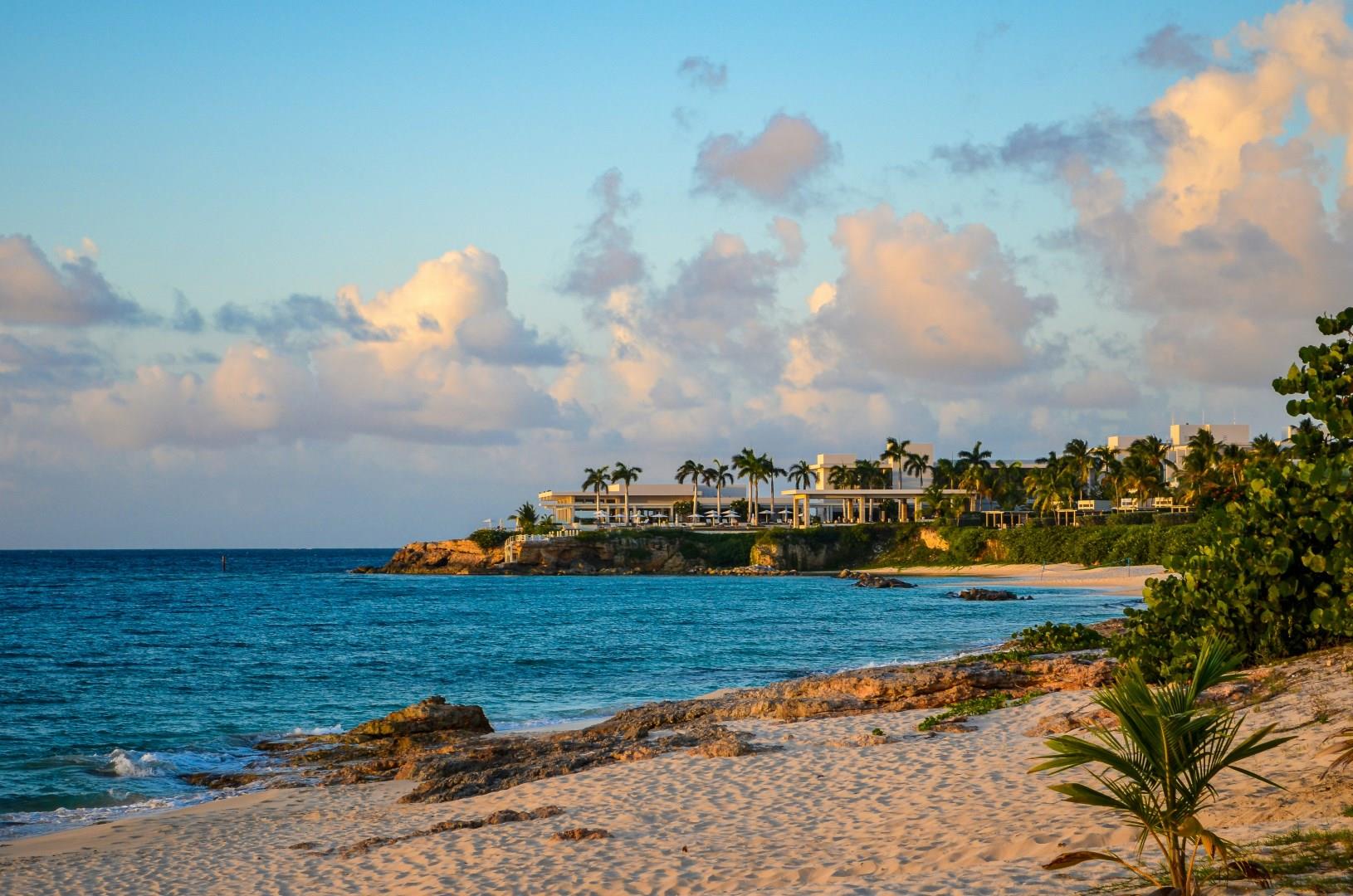
Barnes Bay
Barnes Bay, on Anguilla’s western coast, is one of the island’s most striking beaches, known for its golden sand and dramatic backdrop of rugged cliffs. The bay is less frequented than some of Anguilla’s more famous shores, giving it a serene, secluded atmosphere that makes it a favorite for those seeking a quieter escape.

Imatra
Imatra, Finland, is a hidden gem nestled near the Russian border, known for its stunning natural beauty and rich history. A key draw is the Imatrankoski Rapids, one of Finland's oldest tourist attractions dating back to the 18th century. These powerful rapids, located on the Vuoksi River, have captivated visitors for centuries, including Russian nobility like Catherine the Great.

Malta
Malta, a small island nation in the heart of the Mediterranean, offers visitors a rich blend of history and vibrant local culture. Its capital, Valletta, is a UNESCO World Heritage site filled with grand Baroque architecture, narrow streets, and significant historical landmarks like St. John’s Co-Cathedral, home to masterpieces by Caravaggio. The city's fortifications tell stories of centuries of military importance, guarding one of Europe’s busiest harbors.
