

Stromboli, Sicily
Stromboli is a small volcanic island in the Tyrrhenian Sea, just off the north coast of Sicily. Referred to by some as the "Lighthouse of the Mediterranean," Stromboli is in a constant state of mild volcanic activity, so don't venture out on a hike without an experienced guide.
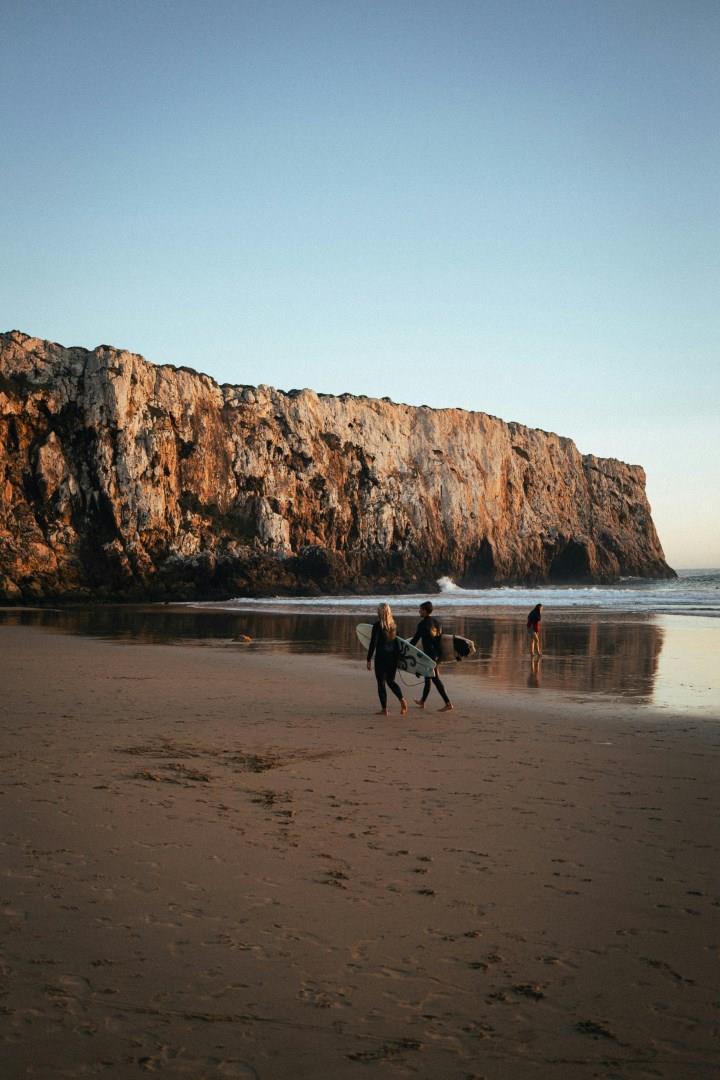
Sagres
Sagres sits at the southwestern edge of continental Europe in Portugal’s Algarve region, where the Atlantic’s wide horizon meets rugged cliffs and open skies. For centuries this point was linked to maritime adventure and visitors can still feel that sense of discovery in the air. Here, people like Prince Henry the Navigator gathered cartographers, shipbuilders and astronomers in the 1400s to push beyond maps of the known world and shape the early Age of Discovery from Sagres’ dramatic headlands.

Istanbul
Istanbul is a city built on layers of empire. Spanning two continents, it was once the capital of three major empires: Roman, Byzantine, and Ottoman. Visitors walking through the Sultanahmet district can witness this timeline firsthand, from the Roman-era Hippodrome to the Byzantine mosaics of Hagia Sophia, and the towering minarets of the Blue Mosque. At nearby Topkapi Palace, rooms still display the jeweled swords, ceremonial robes, and handwritten Qurans once used by Ottoman sultans.
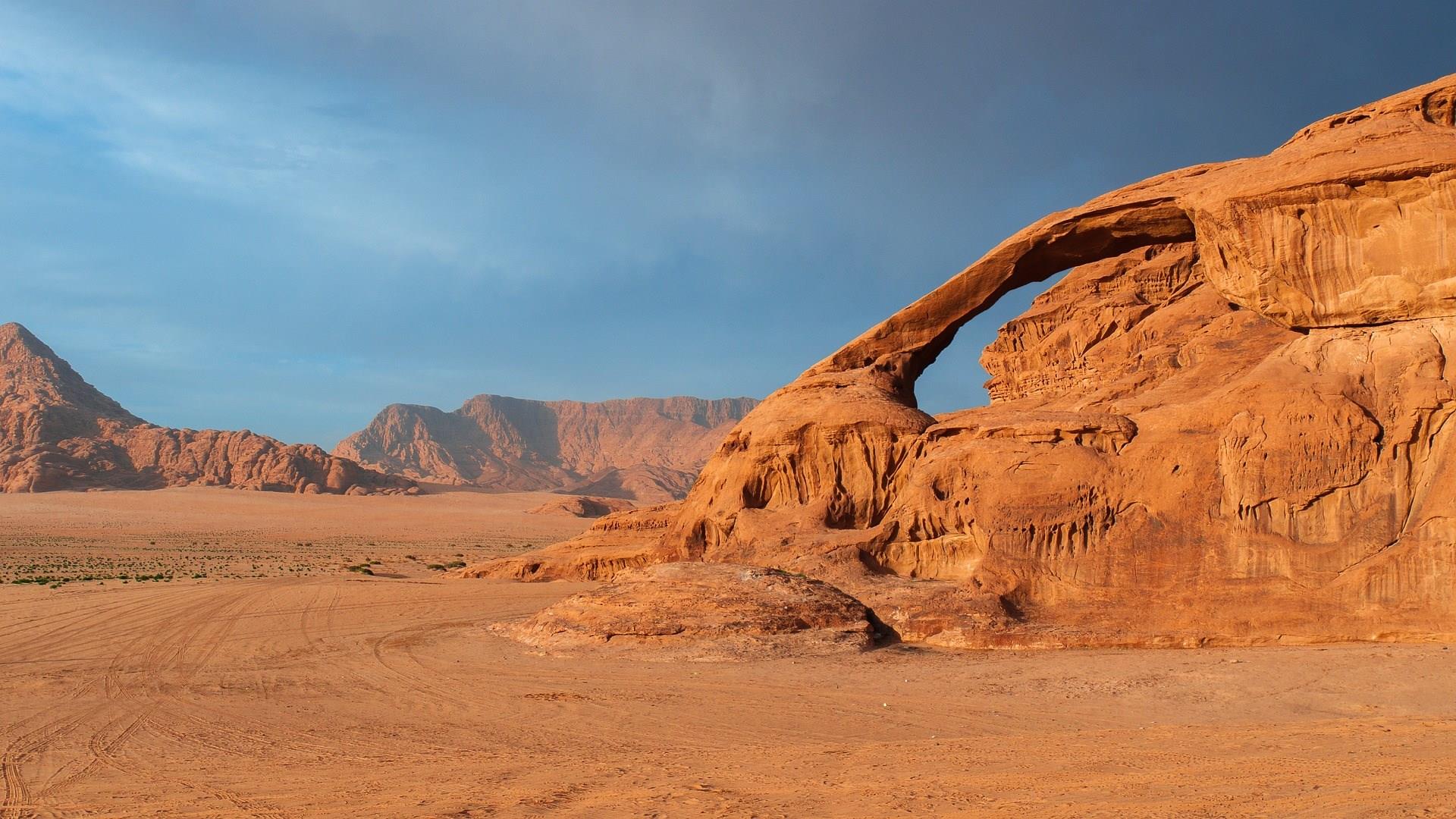
Wadi Rum
Wadi Rum, often called the “Valley of the Moon,” is a desert landscape in southern Jordan renowned for its dramatic sandstone mountains, sweeping red sand dunes, and ancient history carved into the rock. Its vast, otherworldly scenery has made it both a UNESCO World Heritage Site and a backdrop for films set on distant planets.
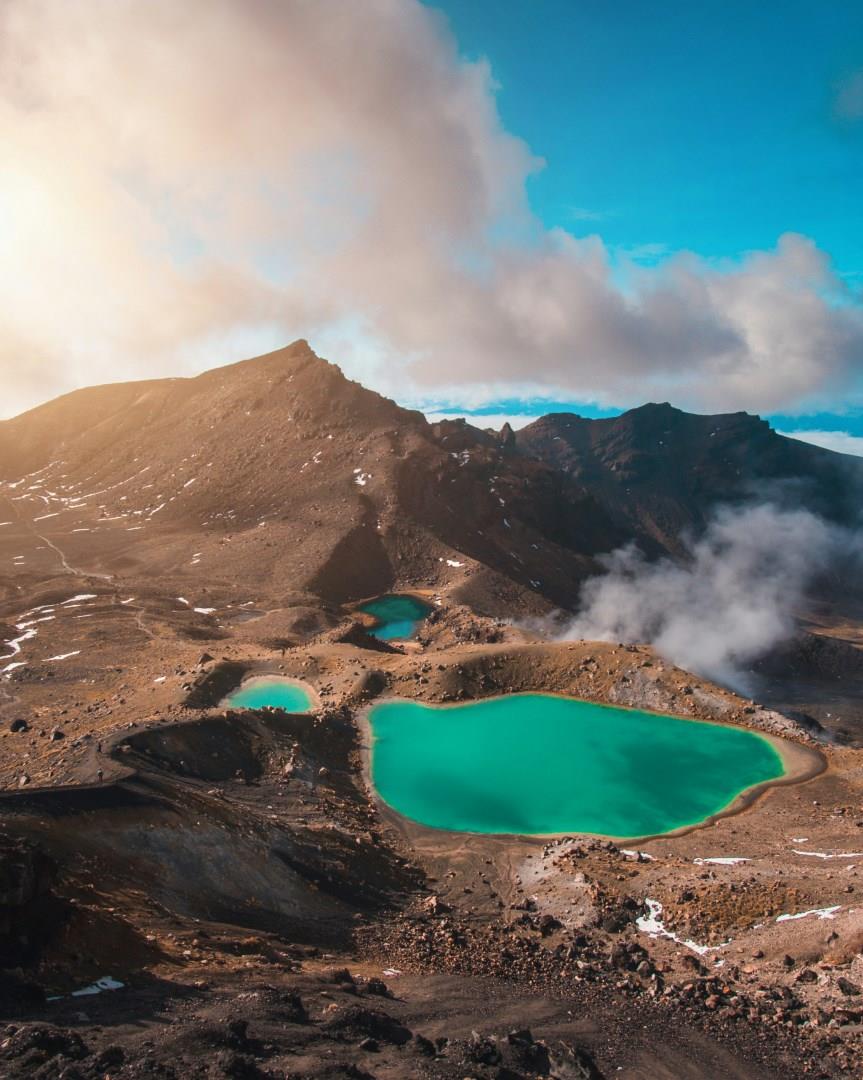
Tongariro National Park
Tongariro National Park, on New Zealand’s North Island, holds deep cultural meaning as well as striking geological presence.
