

St. Croix
It's the largest of the three U.S. Virgin Islands, lying 40 miles south of St. Thomas and St. John. While its history is laced with tales of pirates and privateers, the island today maintains a slower, more quiet pace than its sisters to the north.
Perugia
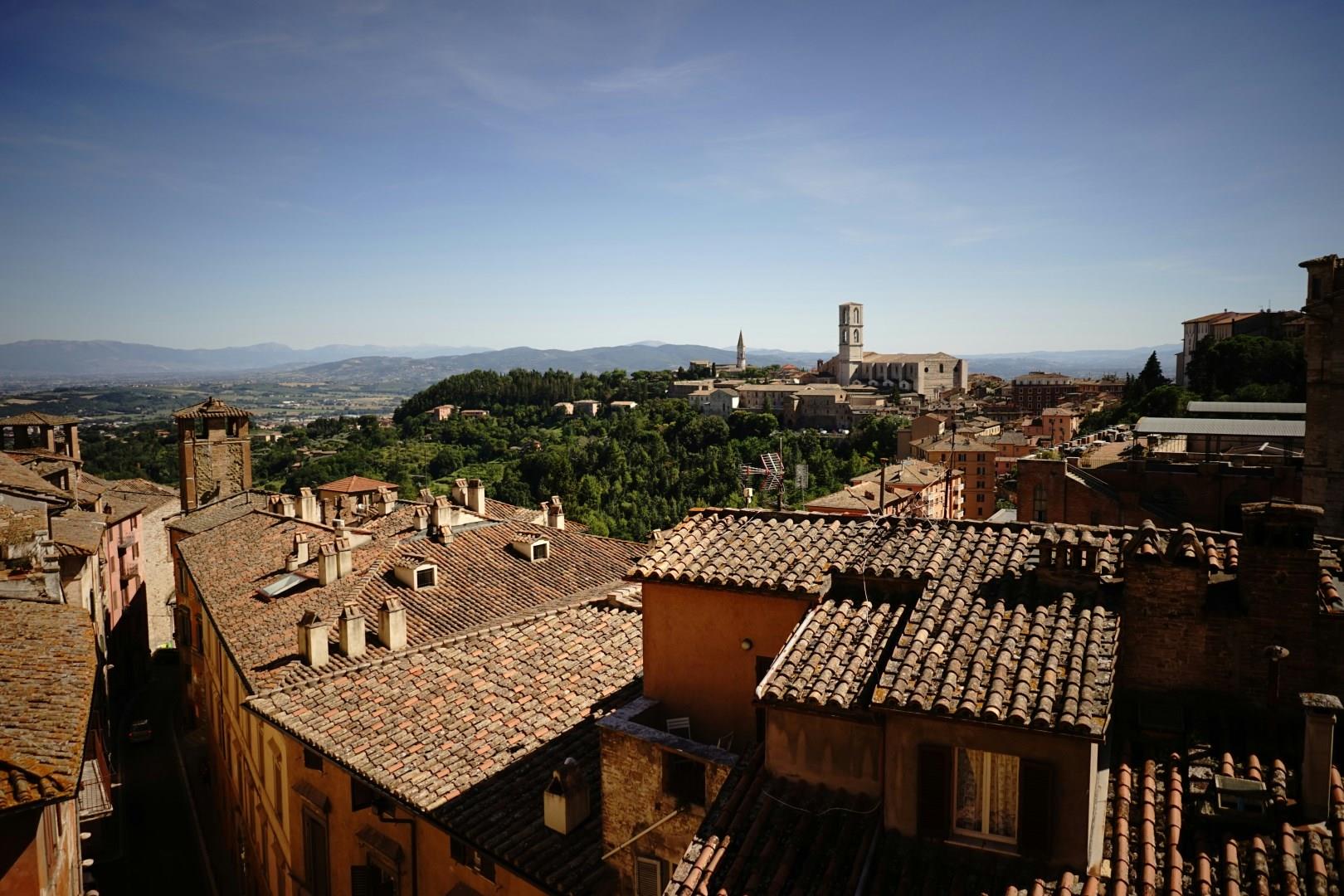
Perugia, the capital of Italy’s Umbria region, is a city built across hills and centuries. Originally settled by the Etruscans more than 2,500 years ago, it still holds remnants of their civilization, including one of the largest surviving Etruscan arches in Italy named Arco Etrusco, which greets visitors at the city’s entrance. Walking through the narrow streets of the historic center reveals layers of Roman, medieval, and Renaissance architecture, all woven together within ancient stone walls.
Apia
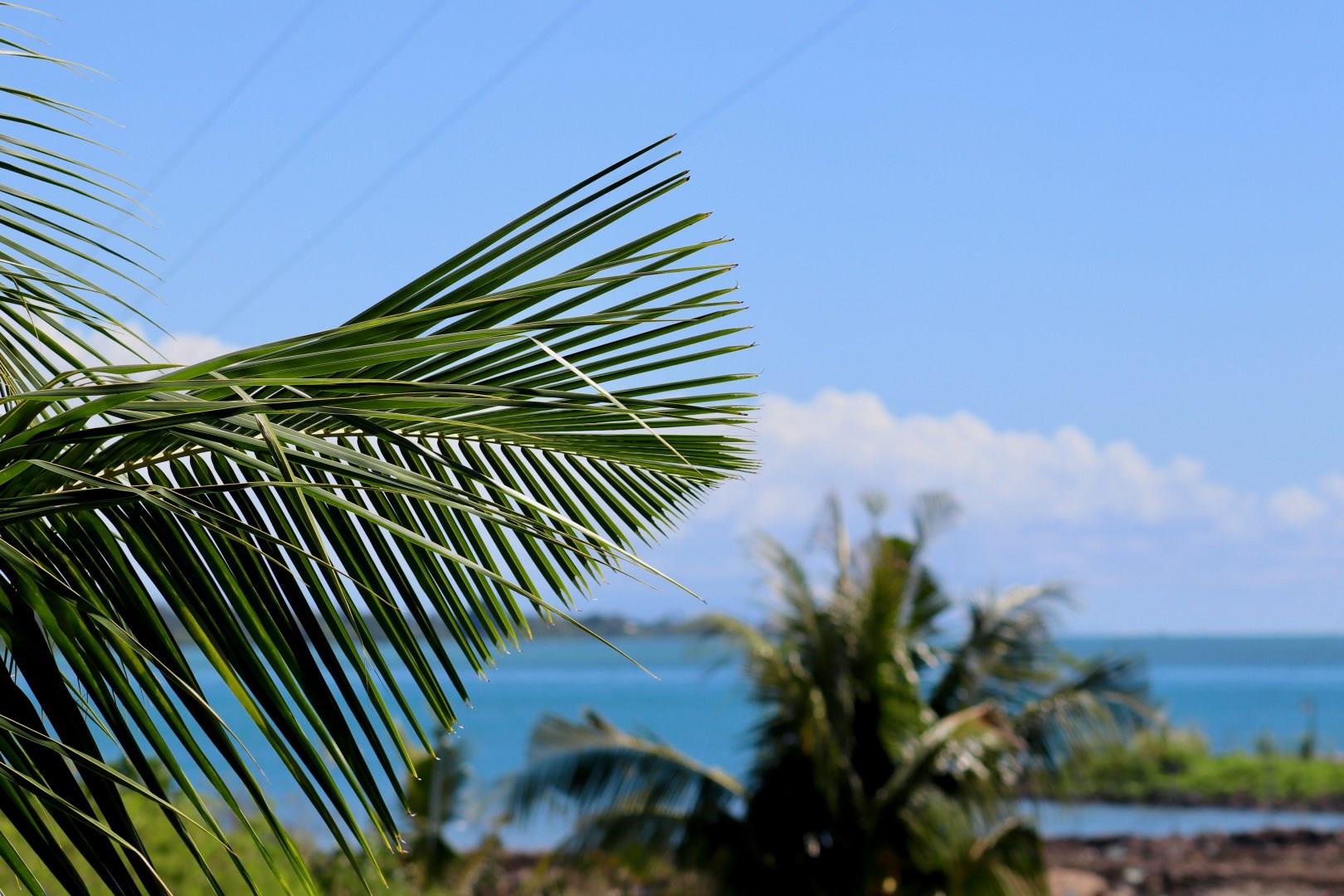
Apia, the lively capital of Samoa, sits on the north coast of Upolu island and blends the island’s rich traditions with a laid-back charm that’s hard to miss. Once a small village, Apia has grown into a central hub where local culture, commerce, and history meet. From bustling markets to quiet waterfronts, Apia offers visitors a chance to experience Samoa’s rhythm at their own pace.

Positano
Perched on the cliffs of Italy's Amalfi Coast, Positano is a picturesque haven renowned for its dramatic beauty and charming character. This coastal gem is celebrated for its colorful, cascading buildings that cling to the steep hillsides, offering stunning views of the turquoise waters of the Tyrrhenian Sea. The town’s narrow, winding streets are lined with boutique shops, cafes, and restaurants, inviting visitors to explore its vibrant atmosphere.

Central America
From the Caribbean Sea on one side to the Pacific Ocean on the other, Central America is home to lush rainforests, volcanic peaks, and vibrant coastal towns.
