

Kuşadası
This bustling holiday resort is a major cruise ship destination and a jumping-off point for visiting the ruins at nearby Ephesus. The beaches of Kusadasi a beautiful, welcoming and perfect for all ages!

Regensburg
Regensburg, Germany’s medieval gem, will transport you to a bygone era. The site of both Celtic and Roman settlements, Regensburg flourished in the Middle Ages.

Las Vegas
Las Vegas, Nevada, is an electrifying city where glitz and glamour meet entertainment and excitement. Known as "The Entertainment Capital of the World," Las Vegas offers an unparalleled array of attractions, from its iconic casinos and luxurious hotels to its world-class dining and live shows. The city's entertainment scene is second to none, featuring legendary headliners, cutting-edge performances, and an array of themed attractions.
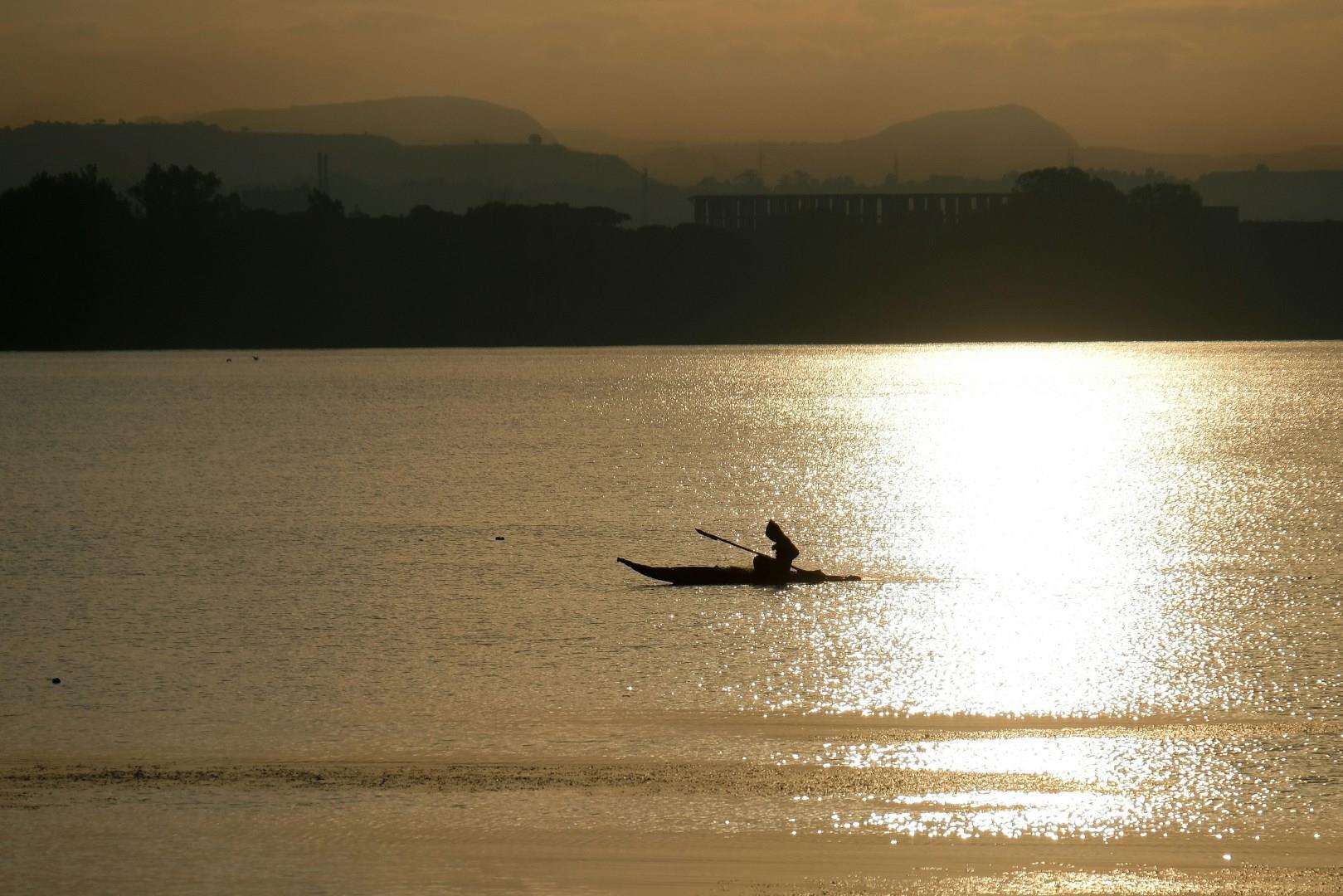
Lake Tana
Lake Tana, located in the northwest of Ethiopia, is the country’s largest freshwater lake and the source of the Blue Nile. Its calm waters are dotted with more than 30 islands, many of which are home to ancient monasteries adorned with religious paintings and manuscripts.
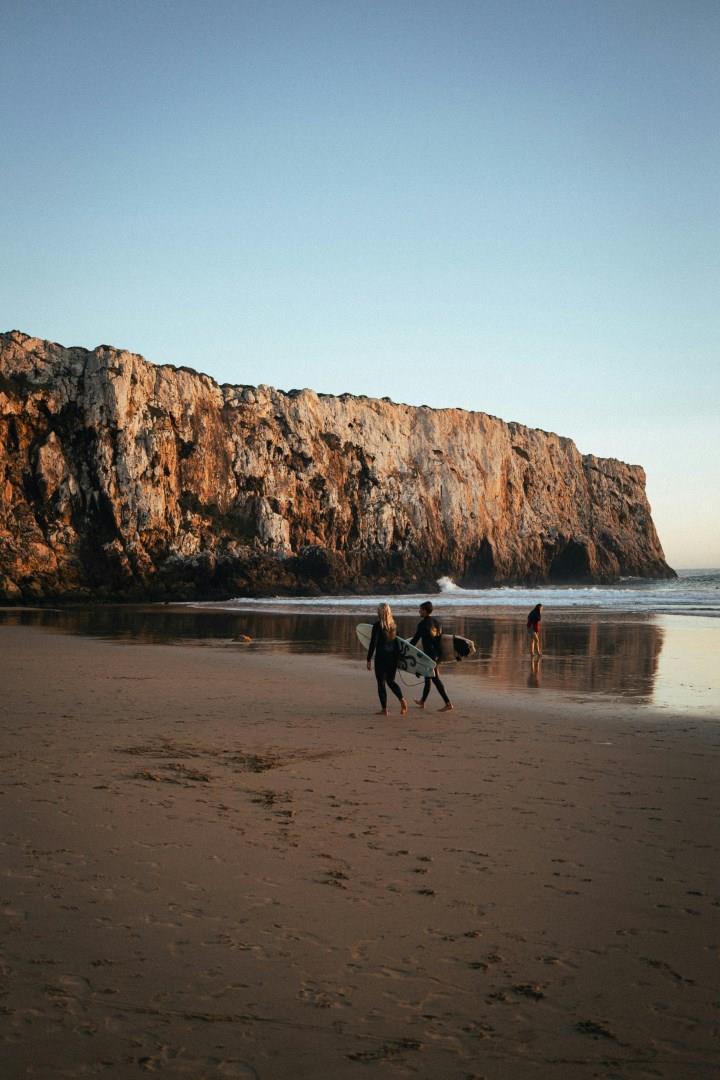
Sagres
Sagres sits at the southwestern edge of continental Europe in Portugal’s Algarve region, where the Atlantic’s wide horizon meets rugged cliffs and open skies. For centuries this point was linked to maritime adventure and visitors can still feel that sense of discovery in the air. Here, people like Prince Henry the Navigator gathered cartographers, shipbuilders and astronomers in the 1400s to push beyond maps of the known world and shape the early Age of Discovery from Sagres’ dramatic headlands.
