
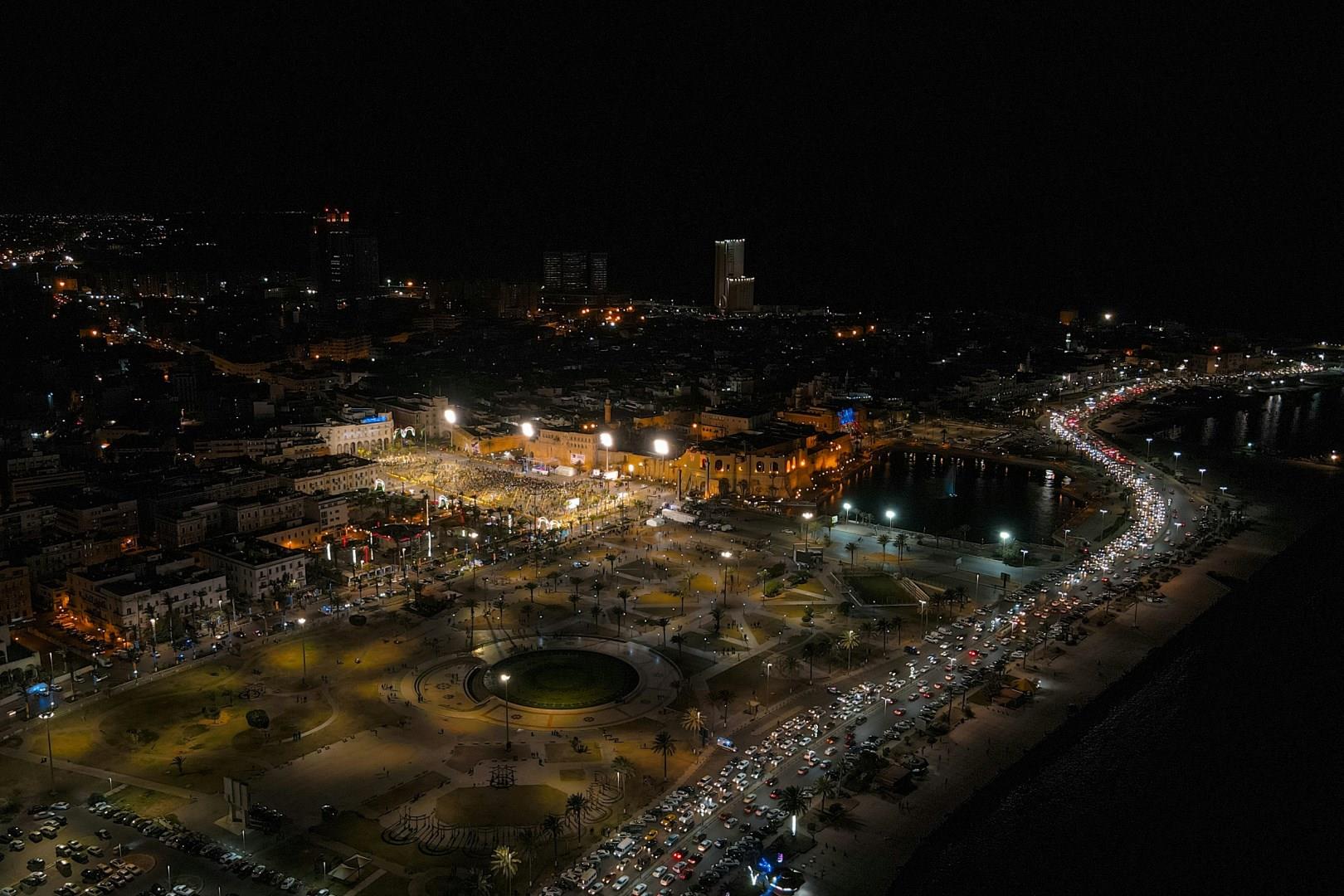
Libya
Libya, located in North Africa along the Mediterranean coast, is a country of vast deserts, ancient history, and dramatic landscapes. Much of its terrain is dominated by the Sahara Desert, with sand dunes, rocky plateaus, and oases shaping life across the country.
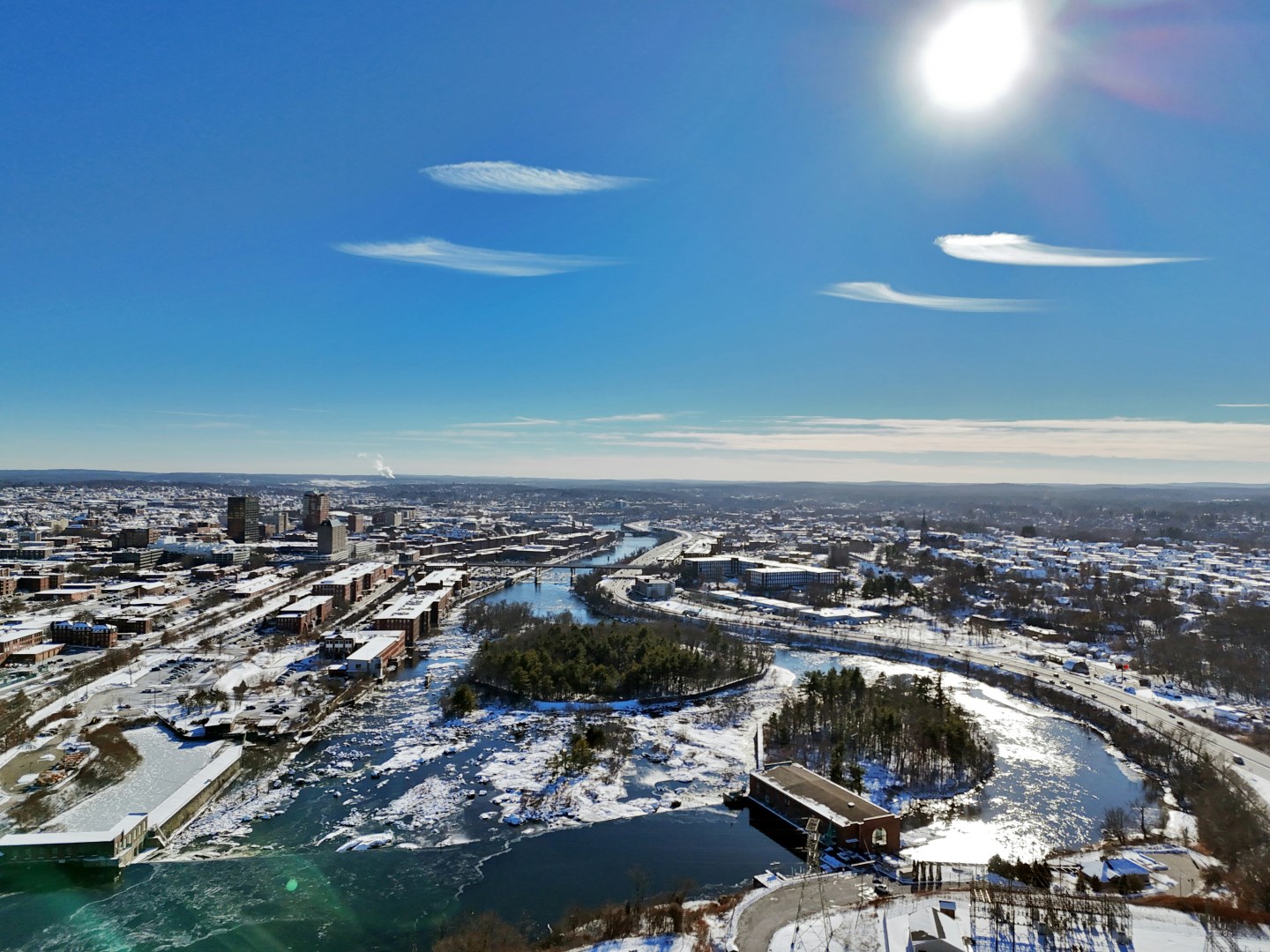
Manchester
Manchester, New Hampshire, is a city where history and modern life intersect along the banks of the Merrimack River. Once a hub for textile mills, the city’s industrial roots are still visible in renovated brick buildings and restored warehouses that now house shops, offices, and restaurants. The riverfront provides scenic walks and public spaces that highlight both the city’s industrial past and its present-day urban life.

Costa Maya
This small cruise port is located in Mexico's Yucatan peninsula south of Playa del Carmen, near Belize. It is famous for Chacchoben, a breathtaking set of Mayan ruins. The port has a new and modern shopping mall and the central plaza has saltwater pools and 'swim-up' style bars for tourists to enjoy.
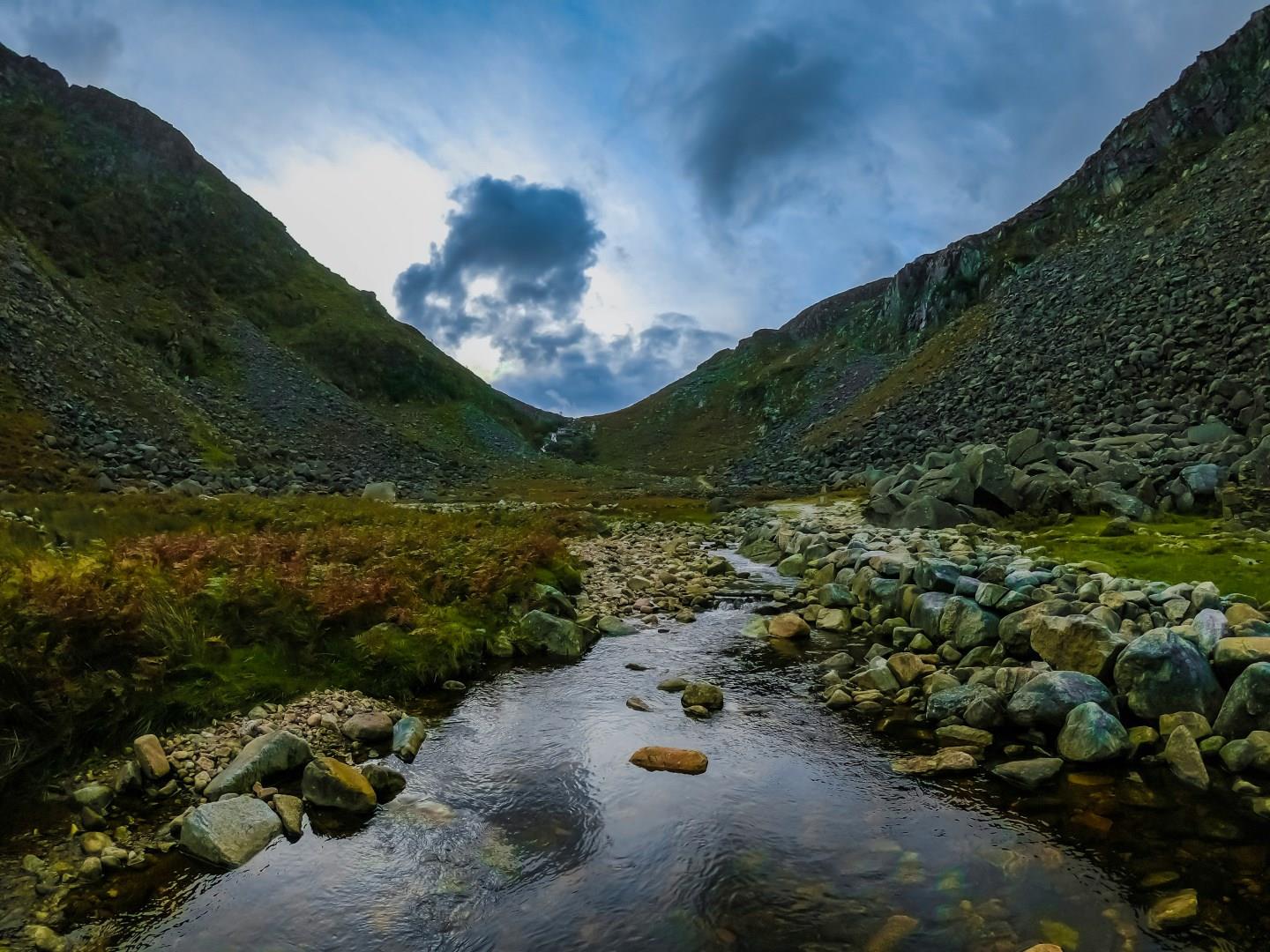
Glendalough
Glendalough, located in County Wicklow, is one of Ireland’s most historically significant and visually striking valleys. It’s best known for its early medieval monastic site, founded by St. Kevin in the 6th century. The round tower, cathedral ruins, and stone churches that remain today are surrounded by forests, lakes, and mountain trails, creating a setting that feels both ancient and untouched.

Patmos
Patmos, a gem in the Aegean Sea, is steeped in history and spirituality, offering a serene escape for travelers seeking both tranquility and rich cultural experiences. Known as the "Island of the Apocalypse," Patmos is famously where Saint John the Theologian wrote the Book of Revelation. Visitors can explore the sacred Cave of the Apocalypse, a UNESCO World Heritage Site, where the saint is said to have received his visions.
