

Tuscany
Tuscany, Italy, is a region where the essence of Italy's beauty, history, and culture is captured in its rolling hills, timeless villages, and world-class art. Famous for its postcard-perfect landscapes, Tuscany is where cypress-lined roads lead to centuries-old hilltop towns like Montepulciano and Montalcino, which are steeped in history and offer some of Italy's finest wines, including the renowned Brunello di Montalcino. Tuscany is a treasure trove for lovers of art and architecture, boasting

Guinea-Bissau
With its untouched natural wonders, rich cultural traditions, and welcoming people, Guinea-Bissau offers an off-the-beaten-path experience for those seeking something truly unique.
Cheltenham
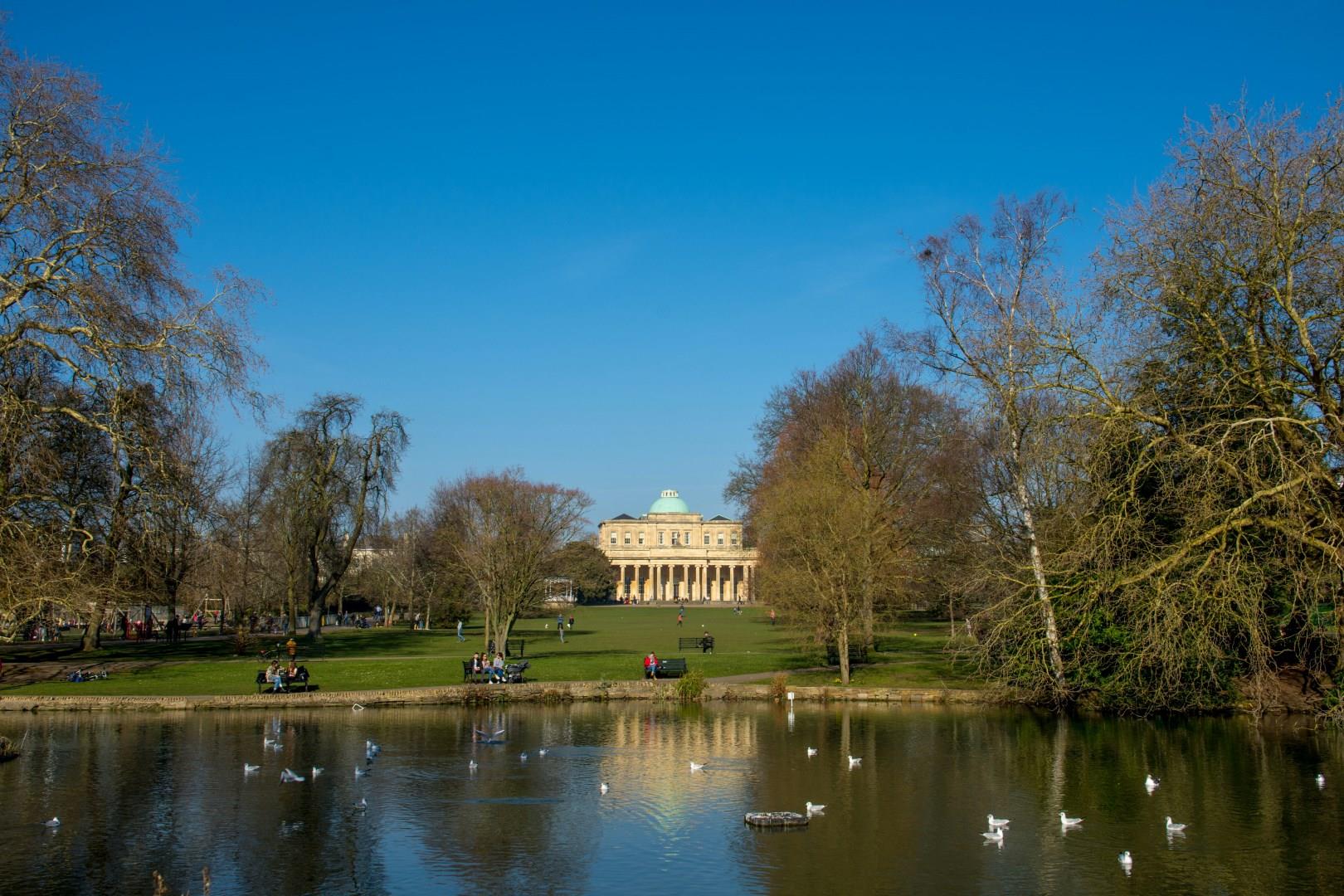
Cheltenham is a Regency-era spa town in Gloucestershire known for its elegant streets, welcoming squares and an inviting pace of life that has drawn visitors since the 1700s. The town pulses with festivals through the year, giving travelers reason to return again and again. Cheltenham Literature Festival, the longest-running festival of its kind in the world, brings writers and readers together each autumn for talks, readings and book signings that span many genres.

Hamburg
Located in northern Germany, Hamburg is an important commercial hub on the Elbe River and unique for the expansive system of canals which divide the city in two. Replete with fascinating architecture and scenic waterfront promenades, Hamburg offers plenty to see and explore!

Hartford
Hartford, Connecticut, is a city rich in history and culture, offering visitors a unique blend of New England charm and urban energy. Known as the “Insurance Capital of the World,” Hartford has deep roots in finance, but its appeal extends far beyond business. The city is home to stunning historic architecture, vibrant museums, and a lively arts scene. A visit to the Wadsworth Atheneum Museum of Art, the oldest public art museum in the U.S., is a must.
