

Osaka
Osaka is a city that thrives on contrasts with centuries-old castles sit just blocks from neon-lit arcades and high-speed trains. Once known as “Japan’s kitchen” during the Edo period, Osaka played a key role in rice trading and food distribution across the country. Today, visitors can walk the grounds of Osaka Castle, originally built in the 16th century by Toyotomi Hideyoshi, and take in panoramic city views from the top floor of its museum.

Pisa
Pisa, Italy, is more than just its world-famous Leaning Tower; it's a city where history, art, and culture intersect to create a fascinating experience for visitors. The Leaning Tower, part of the Piazza dei Miracoli or Square of Miracles, is an architectural wonder that draws millions each year. Built as a bell tower for the adjacent Pisa Cathedral, its unintended tilt has become a global icon.

Kathmandu
Home to a number of Hindu and Buddhist temples, beautiful botanical gardens, and ancient palaces, Kathmandu is the perfect place to immerse yourself in Nepali culture, history, and religion.

Strasbourg
This vibrant and picturesque city sits near the German border and is the 2nd most popular tourist city in France. Its historic city center is classified a World Heritage Site by UNESCO, and the Stasbourg Cathedral is one of the finest examples of Rayonnant Gothic architecture.
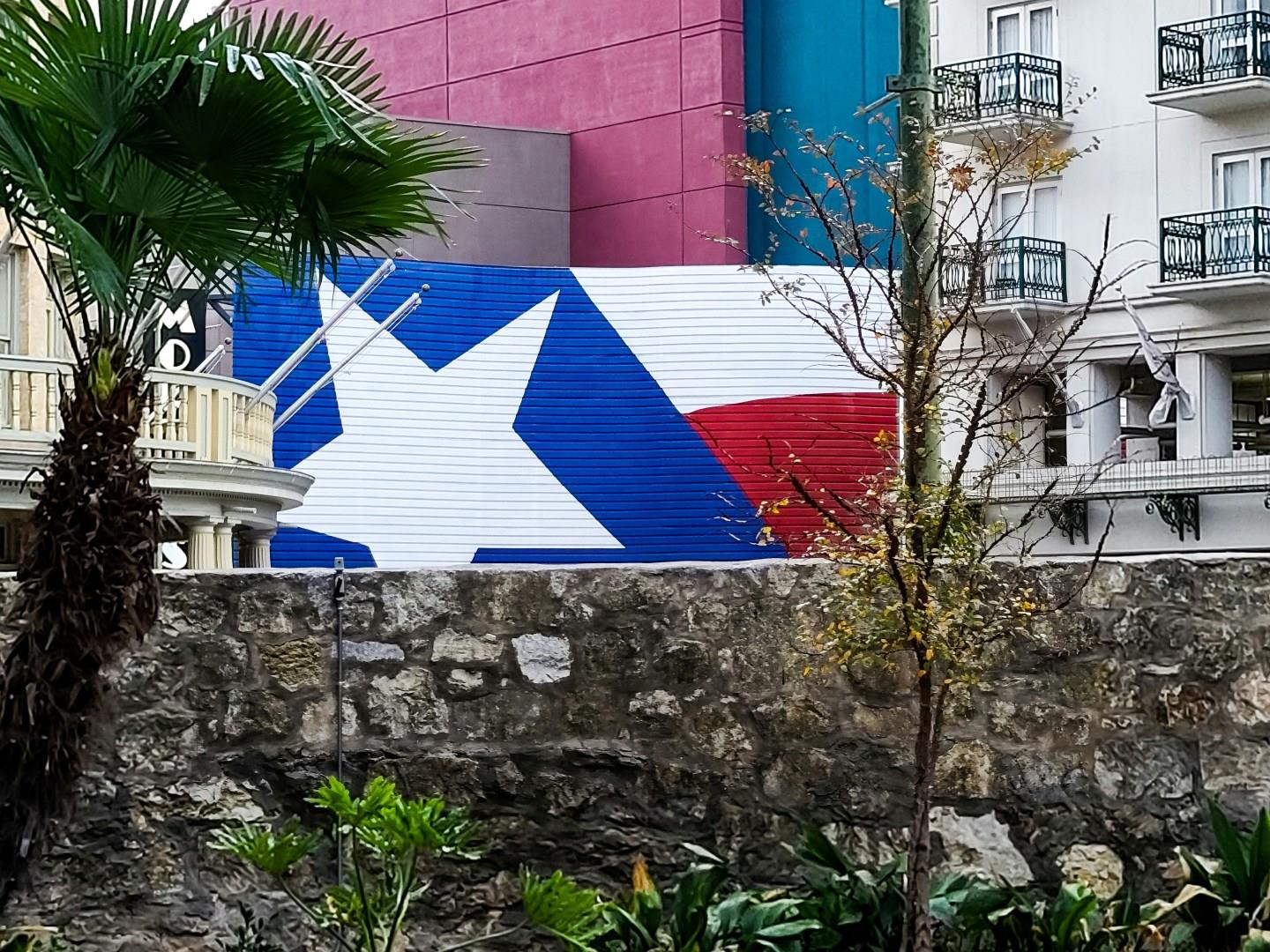
San Antonio
San Antonio is a city where centuries-old missions, lively markets, and a strong sense of place come together in unexpected ways. At the heart of it all is the Alamo, the former Spanish mission that became a symbol of Texas independence after the pivotal 1836 battle. Beyond its landmarks, San Antonio thrives through its neighborhoods. The River Walk weaves through downtown, lined with restaurants, shops, and galleries.
