
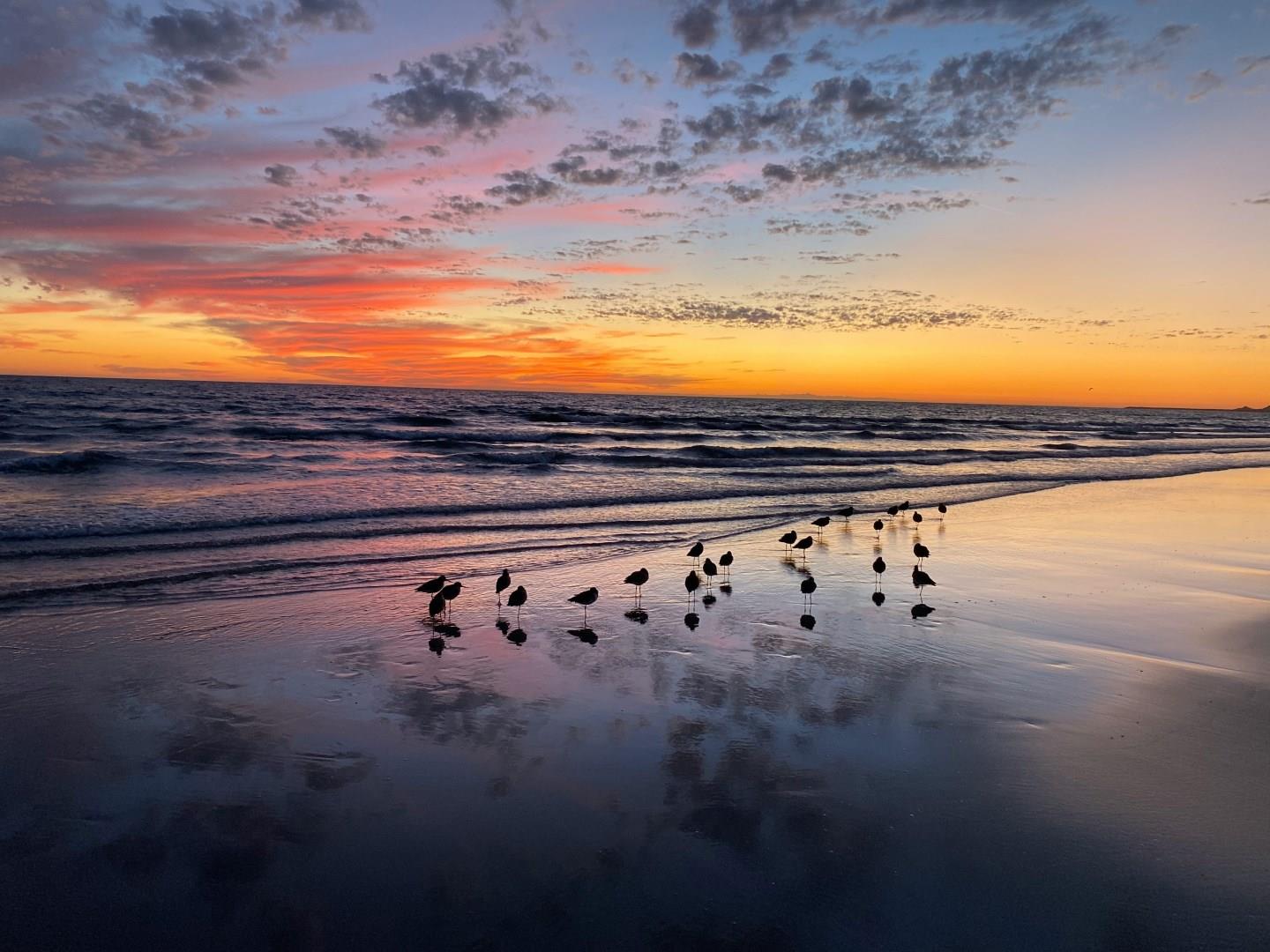
Puerto Penasco
Puerto Peñasco, also known as Rocky Point, rests along the warm waters of the Sea of Cortez in northern Sonora, Mexico. Along its shoreline, Sandy Beach draws visitors with long stretches of walkable sand and calm water, while Playa Hermosa and Playa Mirador offer quieter spots where tide pools appear as the sea pulls back. Boat rides to Bird Island, also known as Isla San Jorge, provide a rare chance to see large colonies of sea lions resting on rocky ledges.
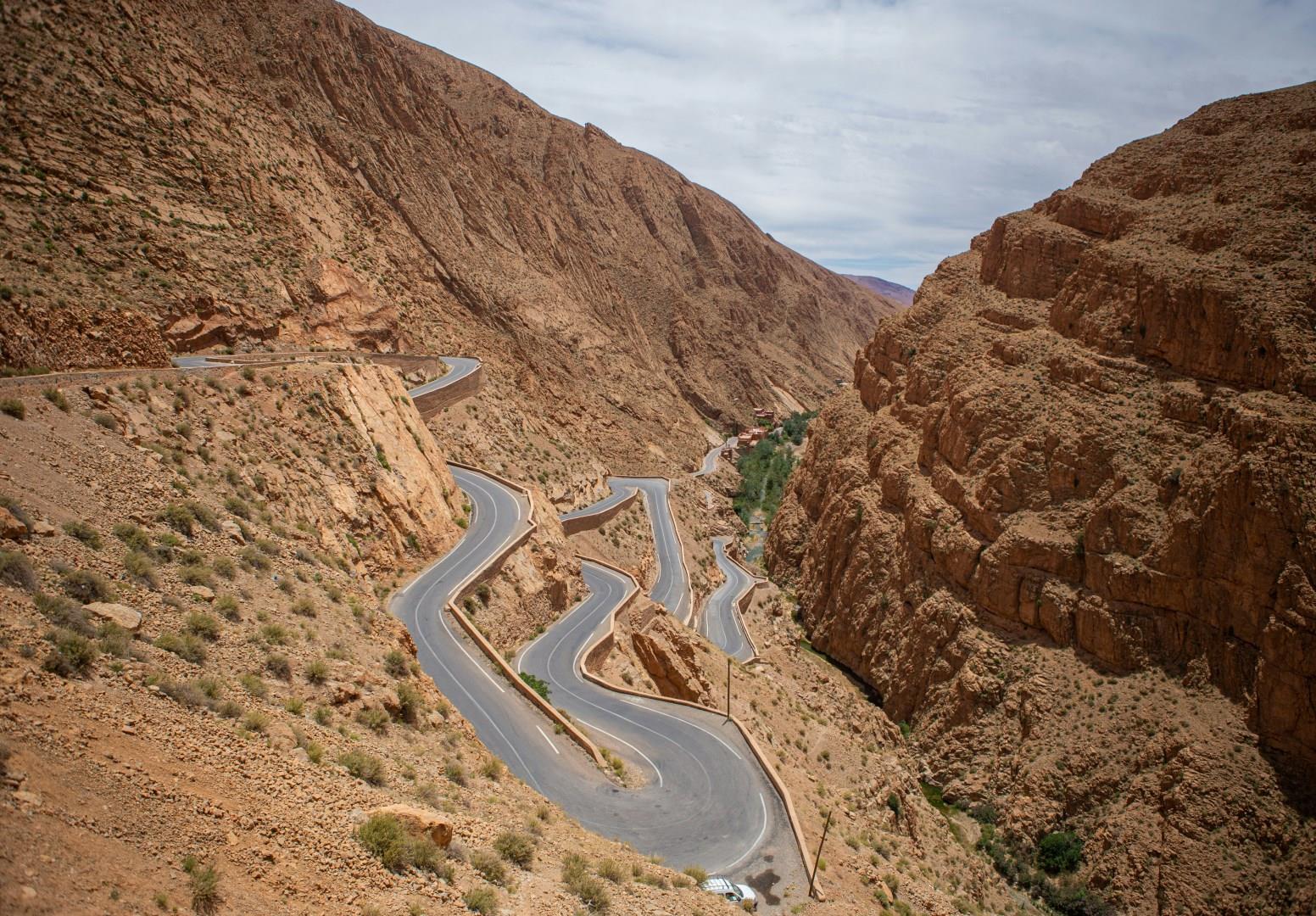
Dades Gorges
The Dades Gorges, carved by the Dades River in Morocco’s High Atlas Mountains, offer a winding stretch of road, towering rock walls, and centuries-old kasbahs perched on the cliffs. Located between the towns of Boumalne Dades and M’semrir, the gorge is especially known for its switchback road, often nicknamed “the snaking road of Tissadrine.” It’s a favorite among photographers and motorcyclists, with hairpin curves that reveal a new layer of landscape with every turn.

Glacier Bay
Glacier Bay’s untouched beauty will astound you. A National Park and Preserve, as well as a UNESCO World Heritage site, it is covered with stunning tidewater glaciers and a variety of native flora and fauna. Be on the lookout for the variety of eye-catching wildlife, including eagles, moose, and humpback whales, who have made Glacier Bay home.

San Cristóbal Island
One of San Cristobal Island's most popular visitor sites is Cerro Brujo, with its expansive white sand beach and a lagoon that locals once used as a salt mine but now offers excellent snorkeling opportunities. Another must-see is Kicker Rock, a fascinating rock formation that looks like a boot from one angle (hence its English name) and like a sleeping lion from another (thus its Spanish name, Roca León Dormido).

Quebec City
Visit picturesque Quebec City, situated on the mighty St. Lawrence River, and become instantly mesmerized by this historic jewel in Canada’s French province. Replete with striking landmarks and stunning architecture, Quebec City is perfect for sight-seeing and deserves ample time for exploration.
