

Kampong Cham
Kampong Cham, nestled along the banks of the Mekong River, is a captivating destination that offers a blend of cultural heritage and natural beauty. This charming city is renowned for its picturesque landscapes, including the iconic Ko Paen Bamboo Bridge, which is rebuilt annually after the rainy season. Visitors can stroll through streets lined with French-colonial architecture, giving the city a quaint and historic ambiance.

Chichicastenango
Chichicastenango, often simply called "Chichi," is a vibrant town in the highlands of Guatemala that offers an unparalleled cultural experience. Known for its lively indigenous market, which takes place every Thursday and Sunday, this bustling bazaar is one of the most famous in Central America. Here, visitors can immerse themselves in the rich tapestry of Mayan culture while browsing colorful textiles, handcrafted masks, and traditional pottery.

La Romana
Whether you're a golf enthusiast, beach lover, or history buff, La Romana offers something for everyone. Its perfect mix of relaxation, culture, and adventure makes it an ideal destination for all types of travelers.

Barranquilla
Barranquilla sits near the mouth of the Magdalena River on Columbia's Caribbean side. It is a major seaport and a center of commerce, but everyone breaks loose for four days in February for one of the liveliest carnivals outside of Rio.
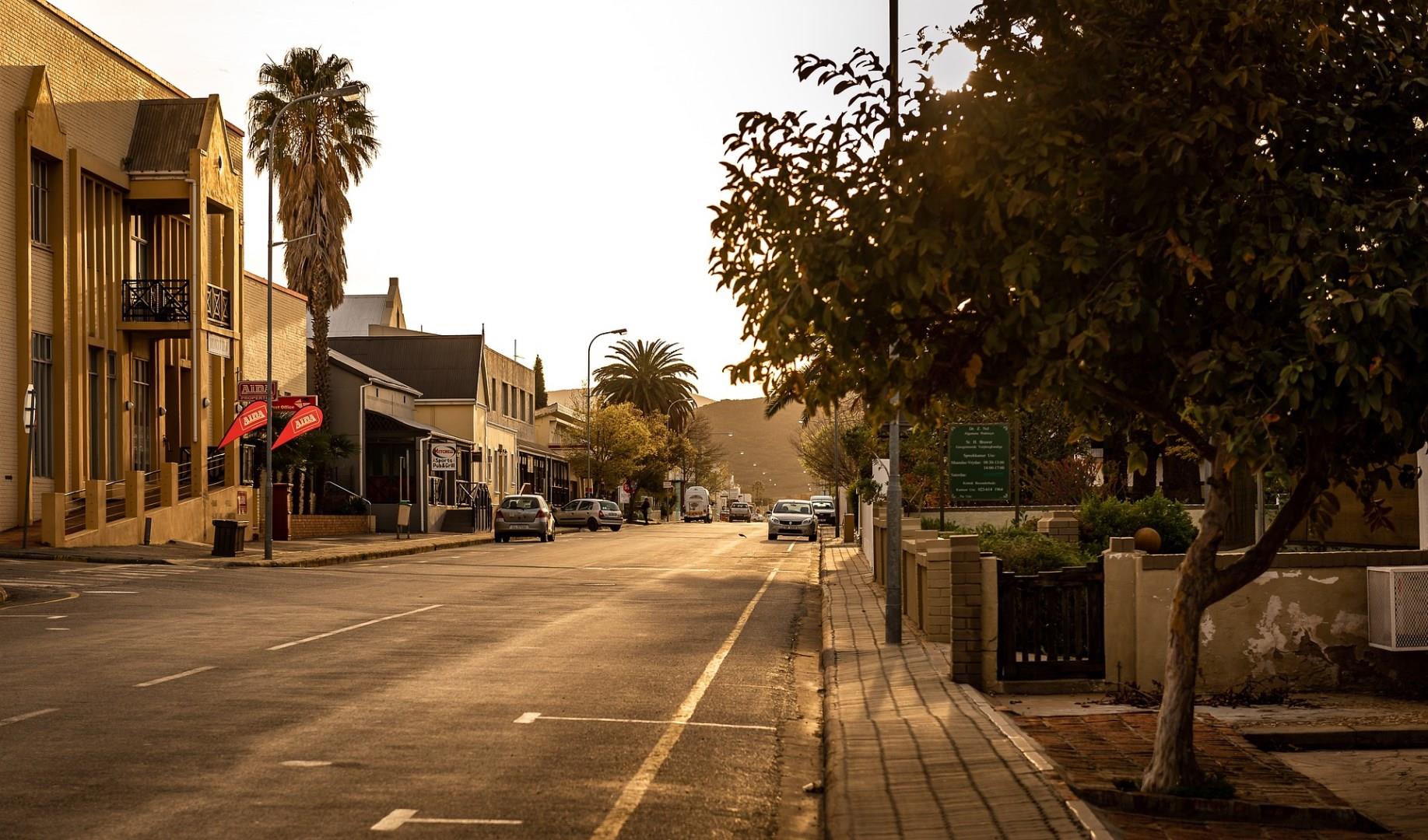
Montagu
Nestled in the heart of South Africa’s Western Cape, Montagu is a charming town renowned for its natural beauty and historical significance. Surrounded by rugged mountains and lush vineyards, Montagu is a gateway to the stunning Klein Karoo region. Visitors are drawn to its remarkable architecture, particularly the well-preserved Cape Dutch and Victorian buildings that line the streets, reflecting the town’s rich history.
