

Zion National Park
Zion National Park, located in southwestern Utah, is known for its massive sandstone cliffs, narrow slot canyons, and unique desert ecosystems. Established in 1919, it was Utah’s first national park and continues to attract visitors with its dramatic elevation shifts and striking rock formations. The park’s most iconic feature, Zion Canyon, stretches for 15 miles and reaches depths of up to 2,640 feet, carved over time by the Virgin River.
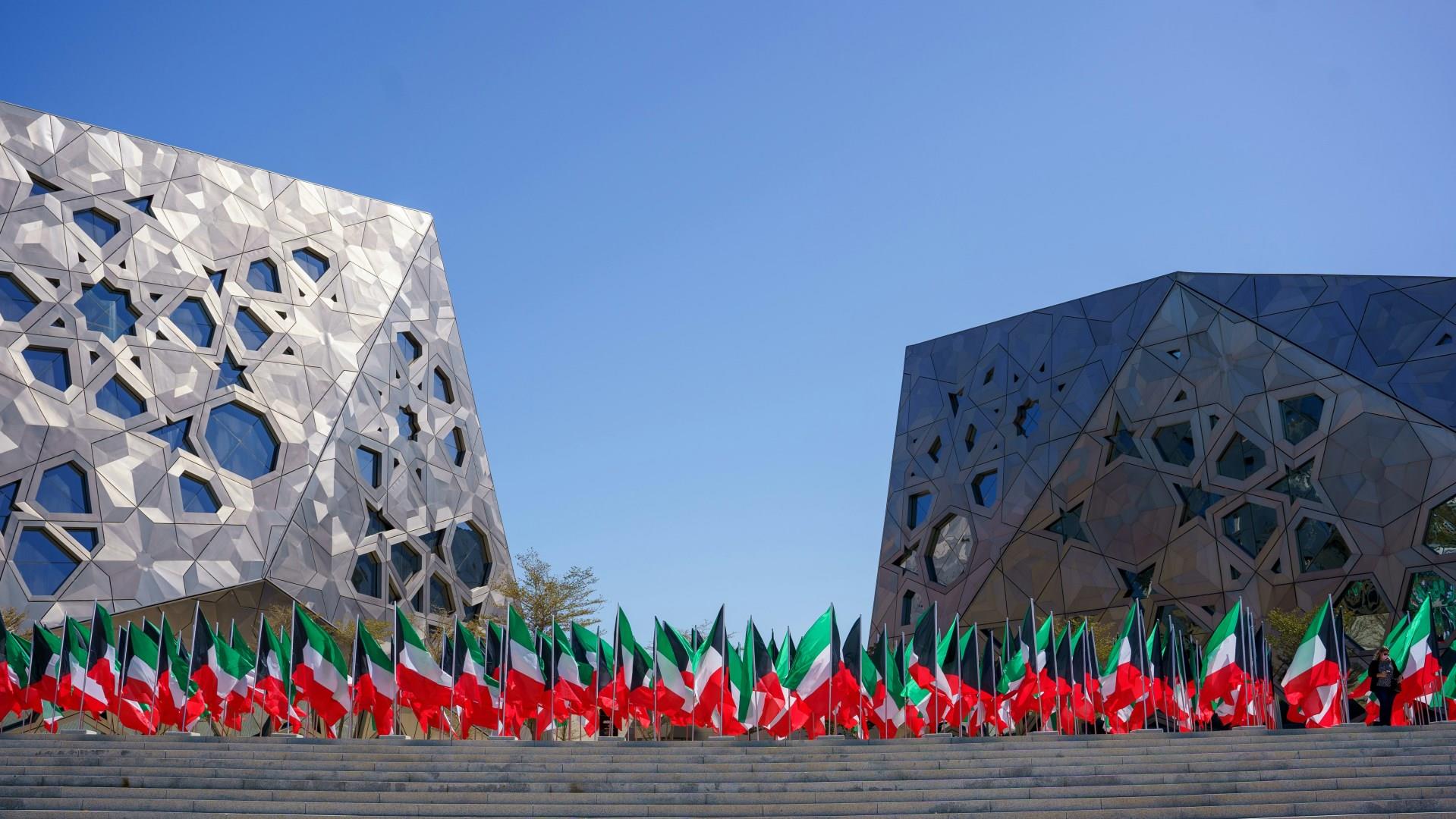
Kuwait City
Kuwait City began as a modest fishing village and has evolved into a modern metropolis. The city's history is deeply rooted in its maritime heritage. The Dhow Harbour in Kuwait City offers a captivating glimpse into the nation's rich maritime past. Historically, dhows were essential for trade, fishing, and pearl diving, shaping Kuwait's economic and cultural identity. Today, the harbor remains a vibrant testament to this legacy, housing a variety of traditional wooden ships.
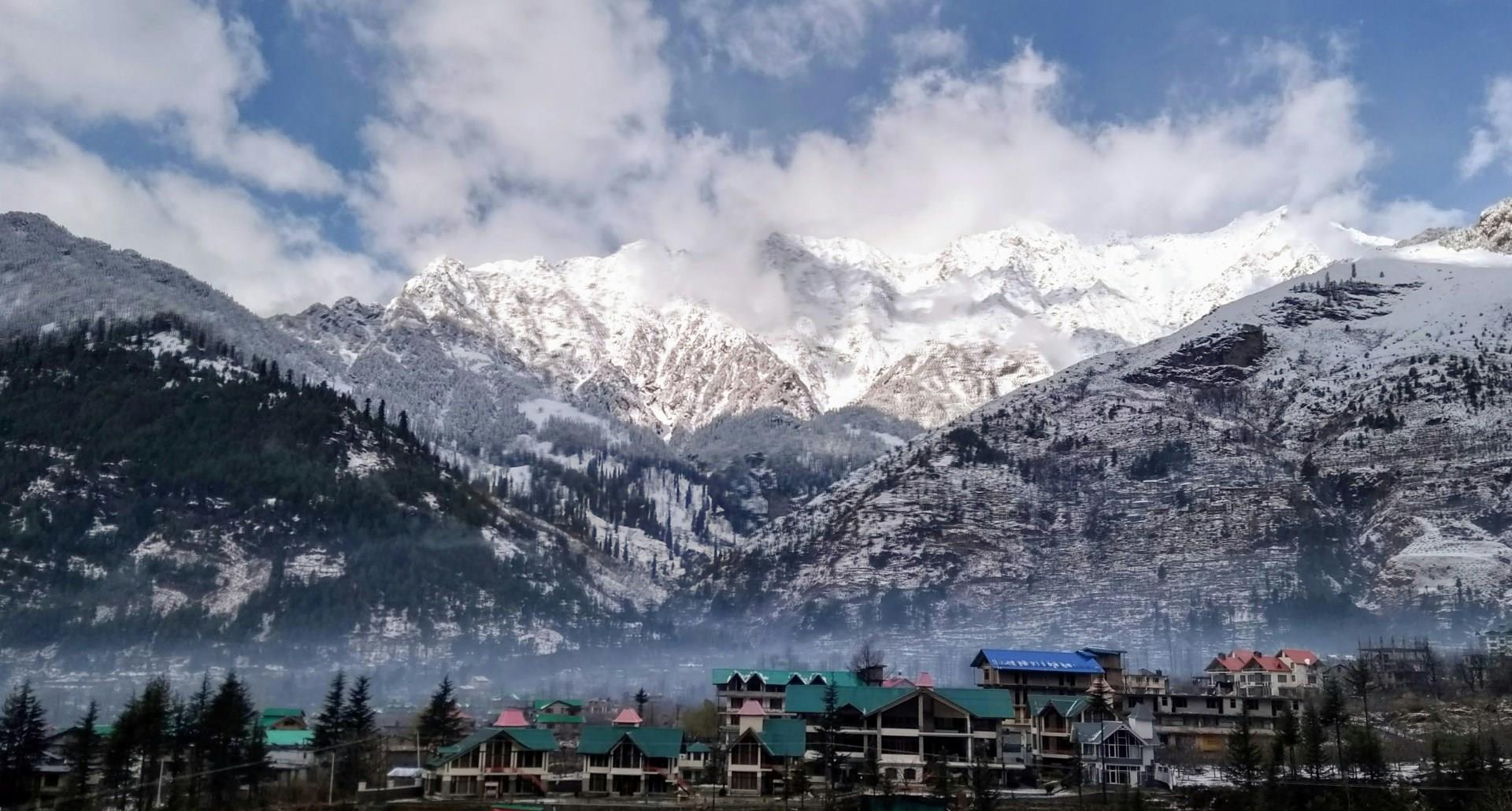
Manali
High in the Kullu Valley of Himachal Pradesh, Manali is where snow-dusted peaks, rushing rivers, and quiet cedar forests come together to create a destination full of experiences. The town sits beside the Beas River at nearly 2,000 meters above sea level, offering a refreshing escape from India’s plains. Legend says the name “Manali” comes from “Manu-Alaya,” meaning the home of sage Manu, who is believed to have repopulated the world after a great flood.

Motril
Motril, Spain, is located near the Guadalfeo River on the Mediterranean coast in the province of Granada. Sugar cane refineries form the backbone of Motril's economy, though tourism is also an essential industry.

Reggio Calabria
Reggio Calabria, located at the tip of Italy’s toe, is a city where ancient history and natural beauty converge in spectacular fashion. One of the city's most renowned landmarks is the Bronzi di Riace, two magnificent bronze statues from the 5th century BC that were discovered off the coast of Riace in 1972.
