

Qatar
Qatar invites discovery through both its modern ambition and traces of its desert heritage. In Doha, the Museum of Islamic Art, designed by I. M. Pei, rises over the waterfront to display centuries of calligraphy, ceramics, textiles, and metalwork. Nearby, the National Museum of Qatar presents the nation's story through exhibits and architecture shaped like the desert rose. Each space offers both insight and reflection.
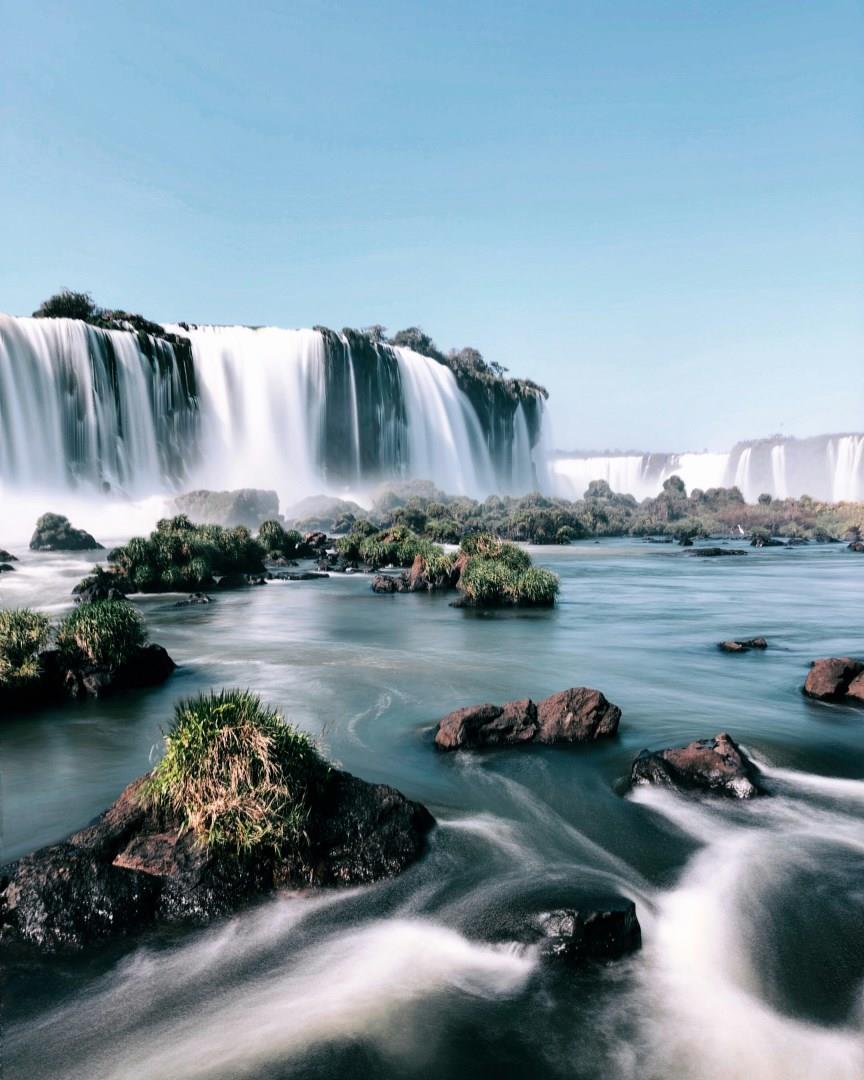
Foz do Iguaçu
Set at the meeting point of Brazil and Argentina, Foz do Iguaçu is defined by the sheer scale of the Iguaçu Falls. Nearly 275 individual waterfalls stretch across close to three kilometers, sending mist into the air and sound echoing through the surrounding forest. Visitors follow raised walkways that bring them face to face with this moving wall of water, culminating at the dramatic Devil’s Throat, a deep, curved drop where the river seems to vanish into the earth.

La Romana
Whether you're a golf enthusiast, beach lover, or history buff, La Romana offers something for everyone. Its perfect mix of relaxation, culture, and adventure makes it an ideal destination for all types of travelers.

Monte Carlo
Located just off the southern coast of France, Monte Carlo beckons you with glittering pebble beaches, old-world charm, and stunning architecture.
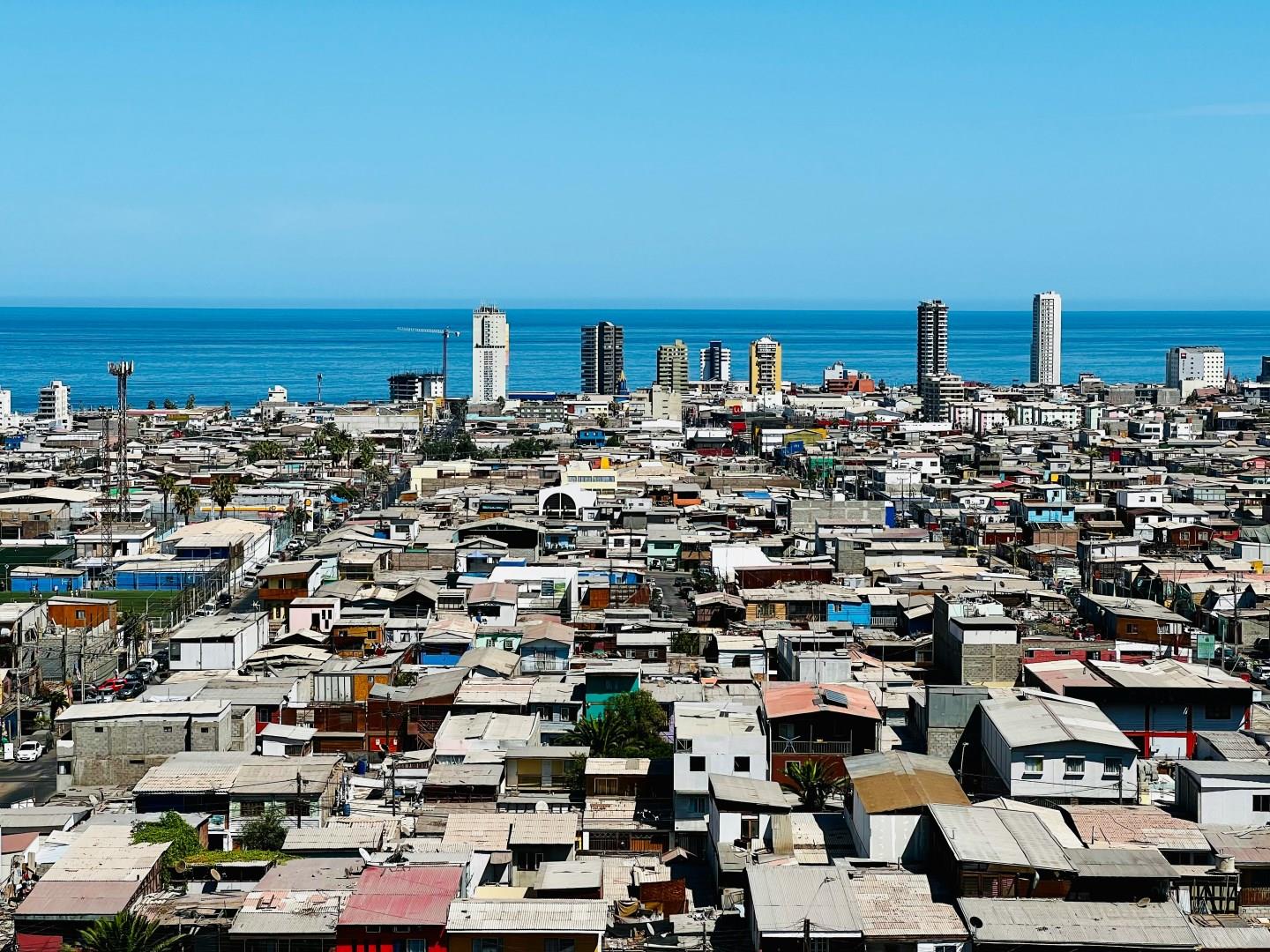
Iquique
Iquique, perched between the Pacific Ocean and the sweeping sand dunes of the Atacama Desert, offers more than just sun and surf. This coastal city in northern Chile is a duty-free port, drawing visitors with its unique blend of high-end shopping, historic districts, and adrenaline-filled adventures. Whether wandering along the palm-lined Baquedano Boulevard or gliding down the towering sand dunes on a sandboard, Iquique surprises at every turn.
