
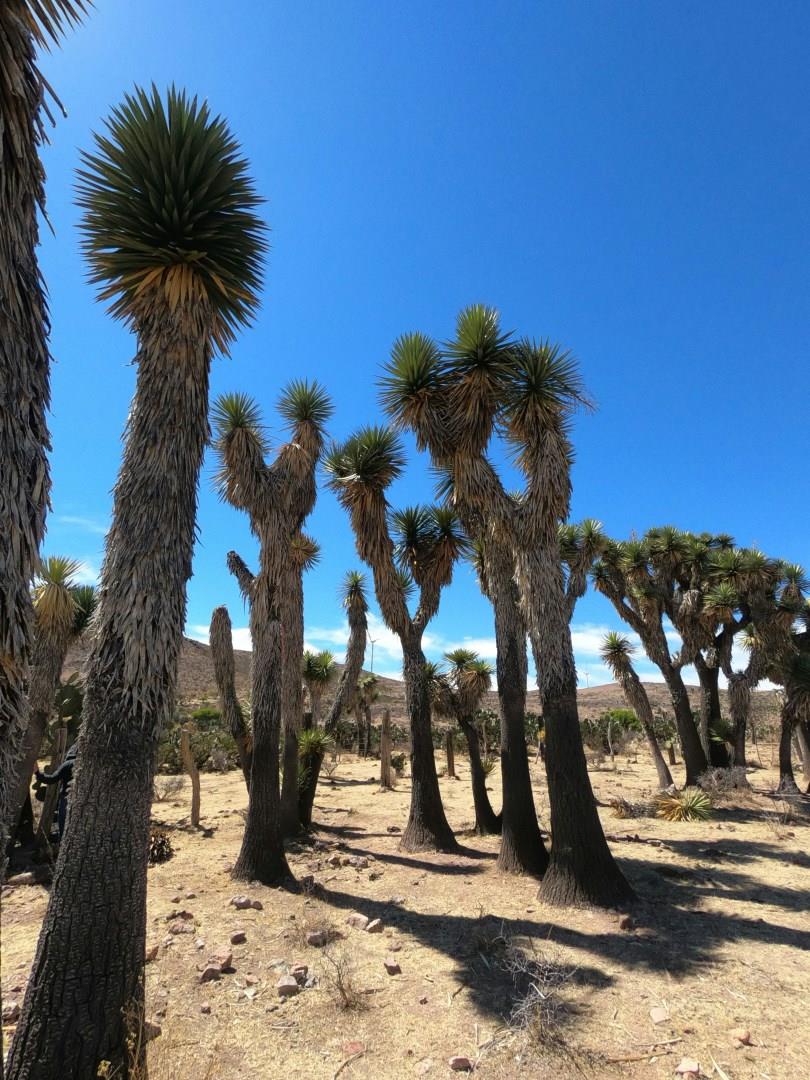
Zacatecas
Zacatecas, built into the slopes of a narrow ravine in north-central Mexico, is a city with a deep mining past and a striking skyline. The historic center, a UNESCO World Heritage Site, is known for its pink cantera stone buildings, narrow alleys, and impressive baroque facades. The Cathedral Basilica of Zacatecas, completed in 1752, stands as one of the most detailed examples of Mexican baroque architecture, with hundreds of carved figures covering its sandstone exterior.

Edinburgh
In Edinburgh, an ancient fortress looms, the hills are steep, and travelers delight in the hidden charms of the Old Town and New Town. Hike to find spectacular views on Arthur's Seat, shop the downhill streets of the Royal Mile, and visit Edinburgh Castle, an imposing royal fortress that defines this city's skyline.

Šiaulia
Šiauliai, often referred to as the "City of the Sun" due to its high number of sunny days, is a vibrant gem in northern Lithuania. The city's most iconic landmark is the Hill of Crosses, a profound site of pilgrimage adorned with thousands of crosses placed by visitors over the decades. This unique and moving monument, which has been recognized by UNESCO for its cultural significance, symbolizes the resilience and spirit of the Lithuanian people.

Marrakesh
Marrakesh, a vibrant jewel in the heart of Morocco, is a city where ancient traditions blend seamlessly with modern allure. Known as the "Red City" for its rose-hued buildings and walls, Marrakesh offers a sensory experience unlike any other. The city’s medina, a UNESCO World Heritage Site, is a labyrinth of narrow alleyways, bustling souks, and hidden courtyards.

Cartagena
A true gem on the Caribbean coast, the port city of Cartagena (Cartagena de Indias) welcomes visitors with its charming old town, colonial buildings, and exceptional beaches. A popular cruise ship stop, many seafarers find themselves honorary Cartagenans, as they stroll shady, cobblestone lanes and gaze upon impressive churches.
