

Cancún
Cancún sits on the northeastern tip of Mexico’s Yucatán Peninsula, where the Caribbean Sea meets a narrow stretch of sand shaped by ancient Maya trade routes and modern development. While widely known as a resort destination, Cancún’s roots trace back to a quiet fishing area near important pre-Hispanic sites, with nearby Isla Mujeres and the mainland serving as part of a broader coastal network connected to inland Maya cities.

Winnipeg
Winnipeg sits at the meeting point of the Red and Assiniboine rivers, a location that has shaped its role as a gathering place for thousands of years. Long before it became a modern city, the area was central to Indigenous trade networks, a legacy that remains visible today through institutions like The Forks and the Canadian Museum for Human Rights.

Tahiti
Tahiti is a veritable paradise in the South Pacific. The largest and most populous island of French Polynesia's Society Islands, Tahiti is known for its iconic overwater bungalows, crystal-clear cerulean water, and lush, tropical rainforests.
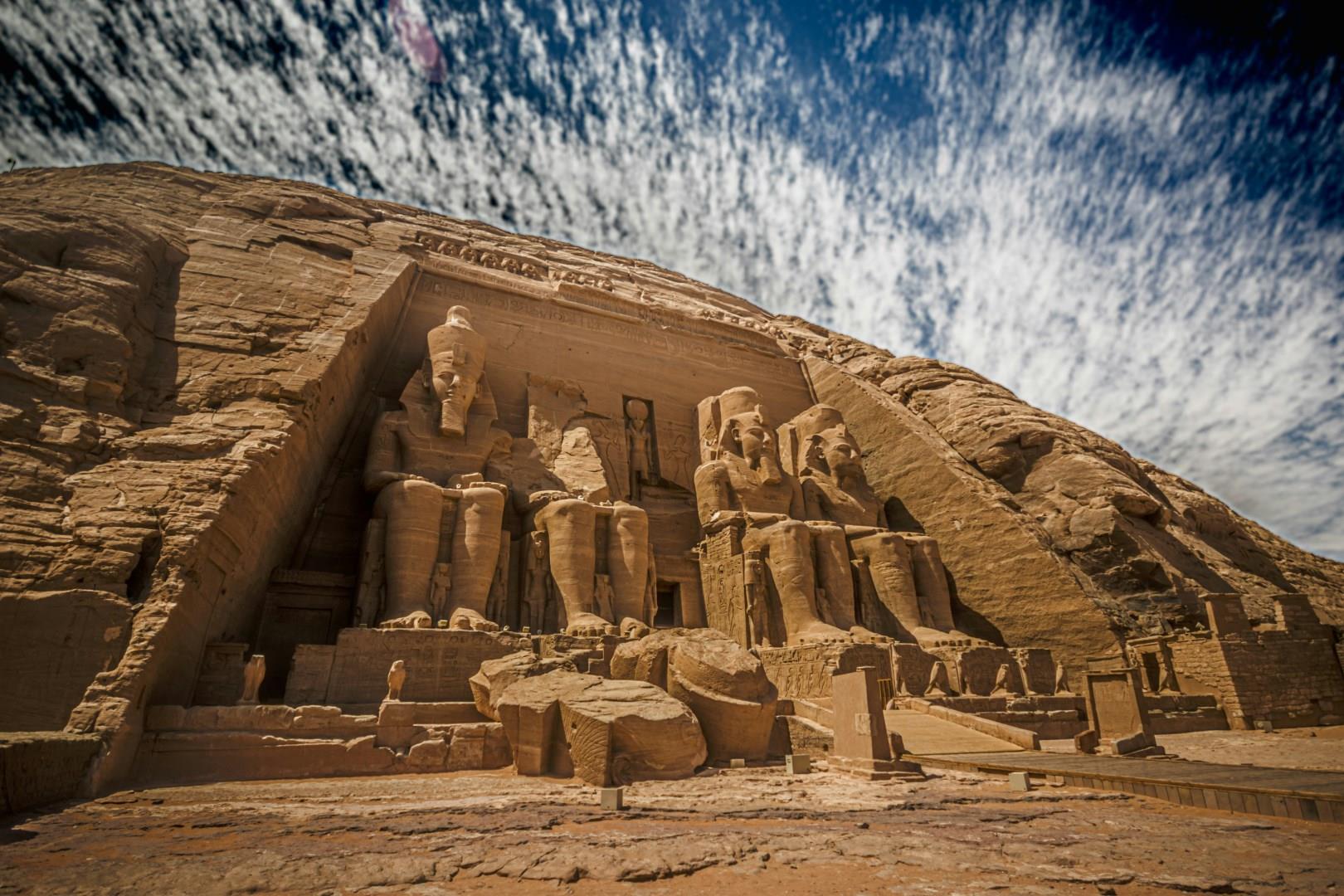
Abu Simbel
Abu Simbel, in southern Egypt near the border with Sudan, is one of the most awe-inspiring archaeological sites of the ancient world.

Moab
Nestled between Canyonlands National Park and Arches National Park, Moab is the perfect entryway to some of Utah’s most iconic scenery. Dotted with gorgeous sandstone formations, mesas, and buttes, Moab epitomizes the rugged beauty of the American Southwest.
