
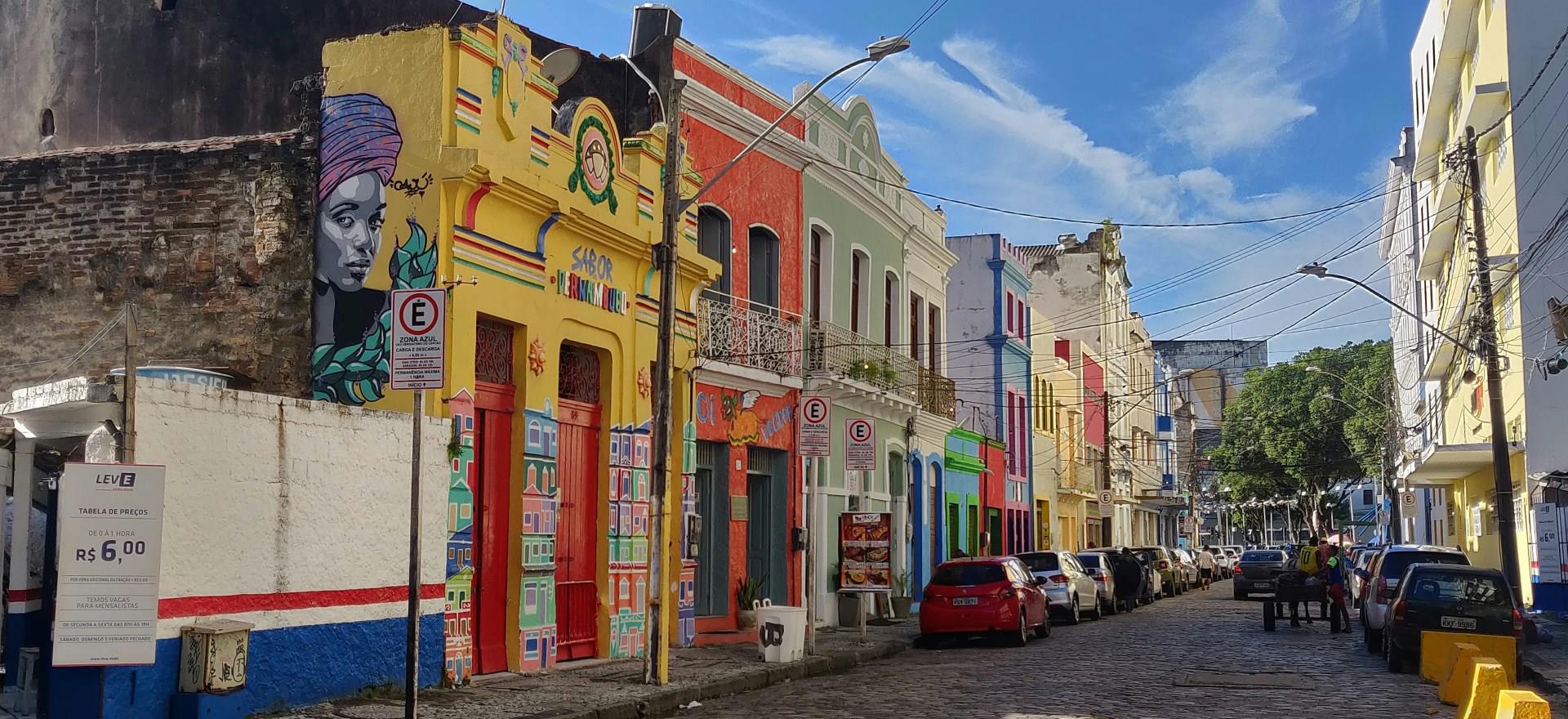
Recife
Recife spreads across a low-lying coastline in northeastern Brazil, shaped by rivers, bridges, and a long history of Atlantic exchange. Founded by the Portuguese and later occupied by the Dutch in the 17th century, the city carries layered influences visible in its street layout, fortifications, and religious buildings.

Dominica
Dominica, known as the “Nature Island of the Caribbean,” is a haven for eco-tourists and adventure seekers. Nestled between the French islands of Guadeloupe and Martinique, this lush island boasts a remarkable landscape of volcanic mountains, dense rainforests, and stunning waterfalls. Dominica’s most iconic natural wonder is the Boiling Lake, the second-largest hot spring in the world.
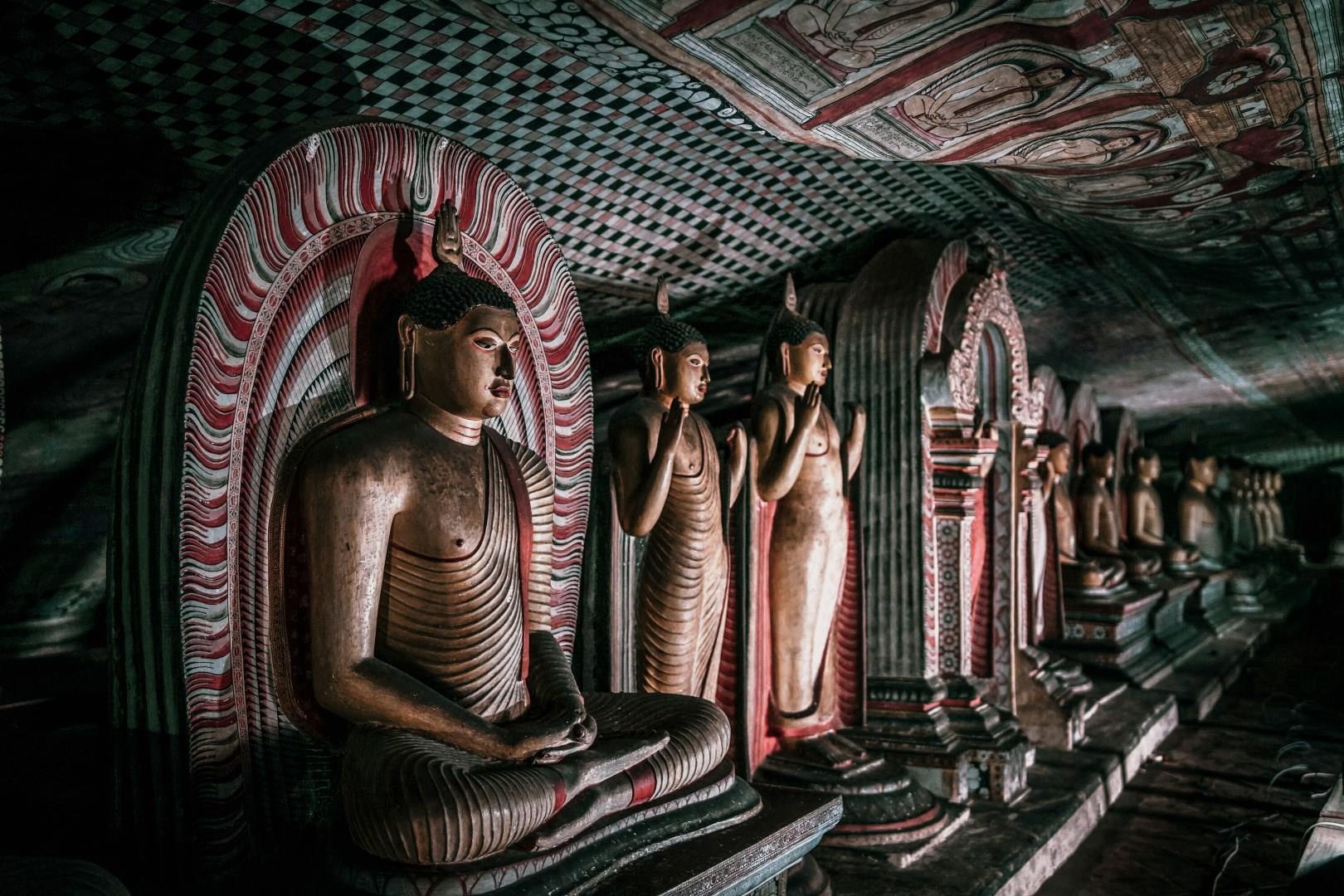
Dambulla
Dambulla, situated in the Central Province of Sri Lanka, is best known for its rock temple complex that has been in use for over two thousand years. The Dambulla Cave Temple, also called the Golden Temple of Dambulla, is made up of five caves carved into a granite outcrop, filled with over 150 Buddha statues and intricate wall paintings. These caves were first used by King Valagamba in the 1st century BCE as a refuge during exile, and later transformed into a sacred site.

Ancona
Ancona, perched on the Adriatic coast of Italy, is a vibrant port city with a rich historical tapestry and stunning seaside vistas. As the capital of the Marche region, Ancona boasts a captivating blend of ancient and modern charm. The city’s historical heart is evident in landmarks like the Roman Arch of Trajan, which stands as a testament to Ancona’s significance during Roman times.

Kerala
Kerala, India is a lush, tropical paradise that captivates travelers with its serene backwaters, vibrant culture, and stunning landscapes. Nestled between the Arabian Sea and the Western Ghats, Kerala boasts a unique blend of natural beauty and cultural richness. The tranquil backwaters of Alleppey and Kumarakom offer a quintessential Kerala experience, where visitors can cruise on traditional houseboats through a labyrinth of canals, lagoons, and lakes.
