

Lithuania
Lithuania offers visitors a chance to explore a country where medieval traditions and modern culture meet. Vilnius, the capital, is known for its well-preserved Old Town, a UNESCO World Heritage site filled with winding streets, baroque churches, and cozy squares. Visitors can climb the hill to Gediminas’ Tower for a sweeping view of the city, or visit the Gates of Dawn, an important religious and historical monument that has welcomed travelers for centuries.
Mljet National Park
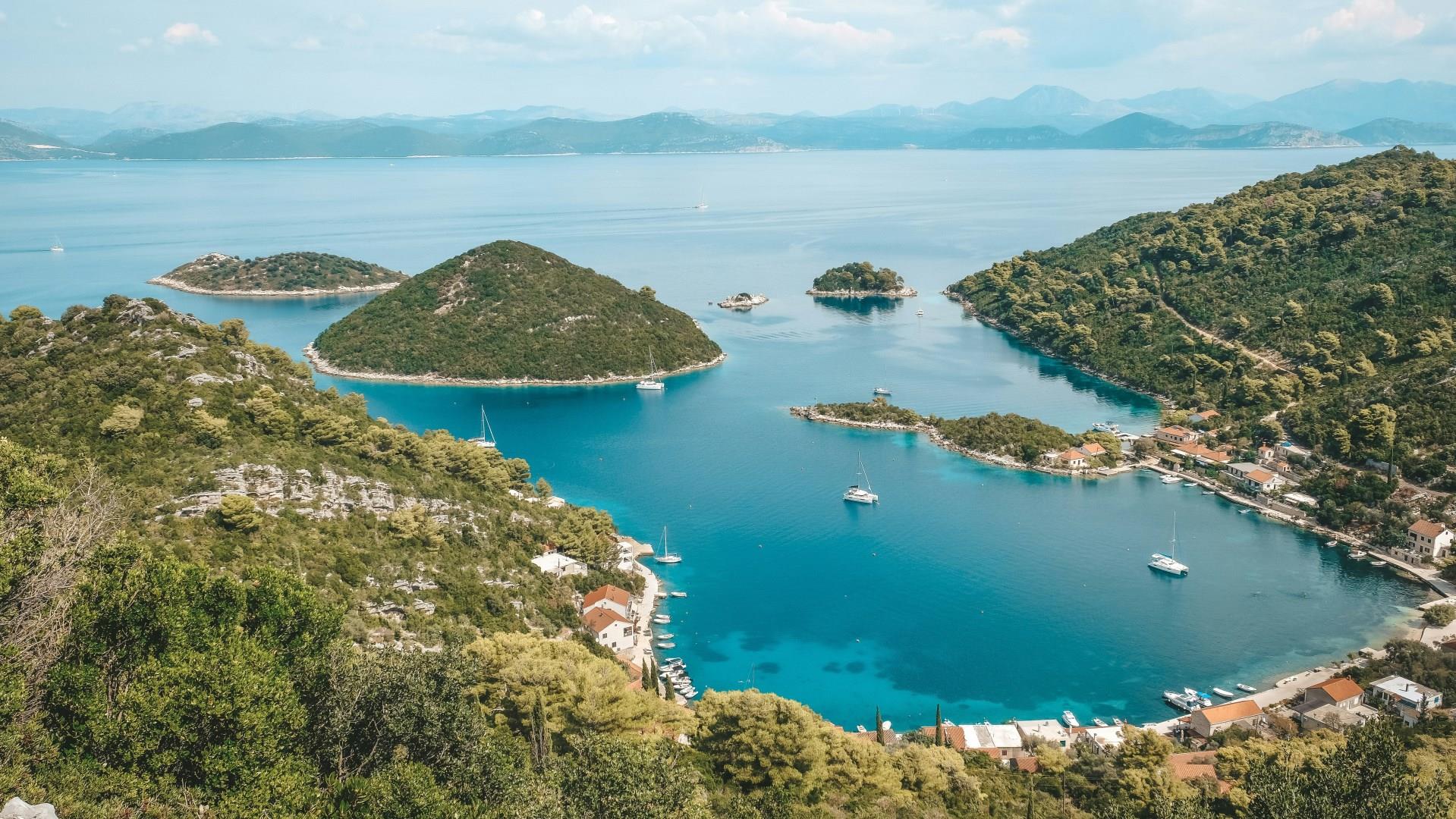
Mljet National Park sits on the western side of Mljet Island in Croatia’s Adriatic Sea, a place where saltwater lakes meet ancient forest pathways. The park stretches across nearly one-third of the island, with Veliko Jezero (Great Lake) and Malo Jezero (Small Lake) as their most striking features. These two saltwater lakes are connected by a narrow channel to the open sea, creating calm blue waters that draw visitors for swims, casual kayak outings, or peaceful cycles around the shaded paths.
Nyungwe Forest National Park
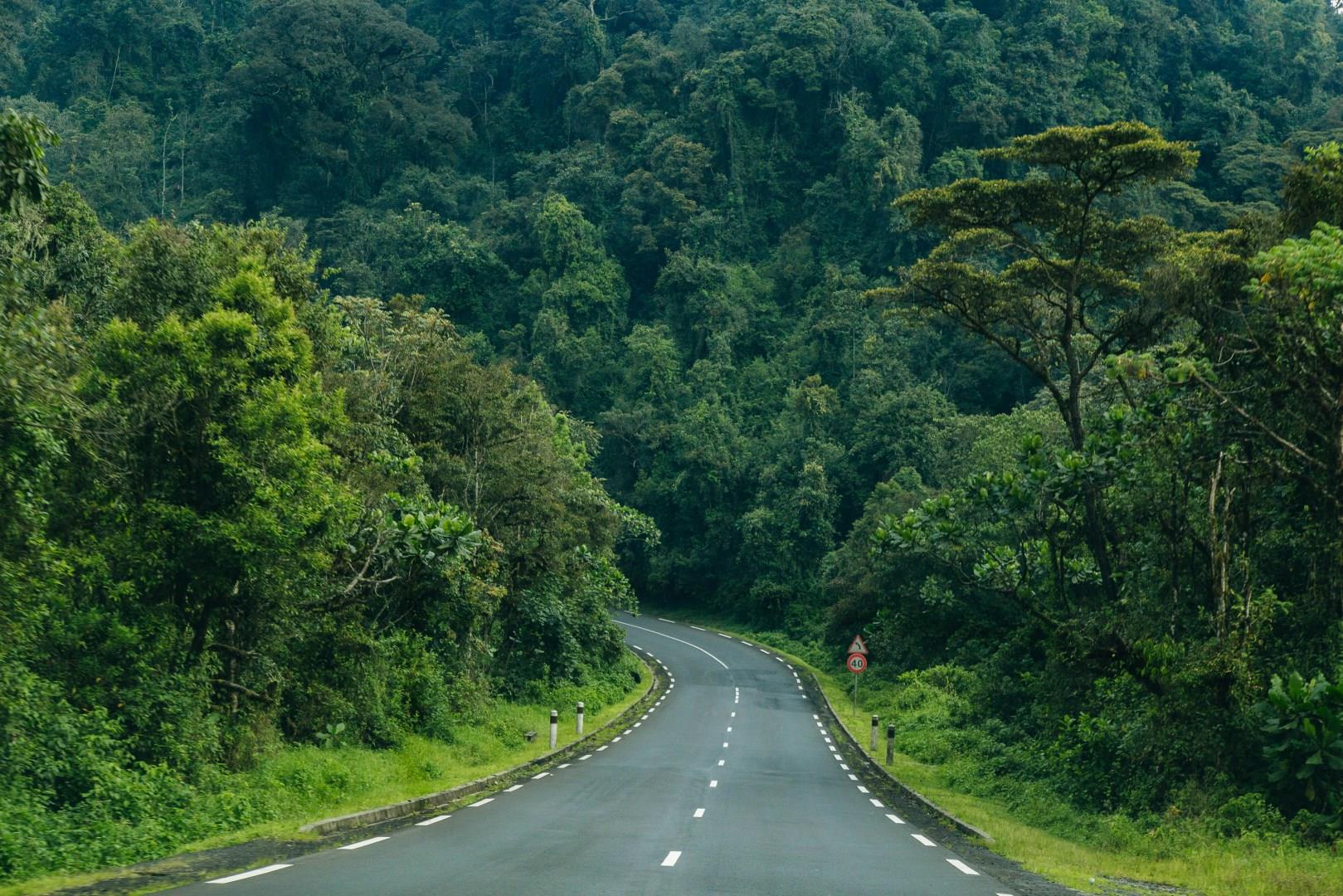
Nyungwe Forest National Park, in southwestern Rwanda, is one of Africa’s oldest rainforests and a sanctuary of biodiversity. Spanning more than 1,000 square kilometers, the park shelters a wealth of wildlife, including over 300 bird species, 1,000 plant species, and an impressive 13 primate species.

Boston
Evidence of our nation's birth abounds in Boston, a hub of revolution that is essentially the oldest city in the United States. Visitors are compelled to walk the 2.5-mile Freedom Trail around the city center, and bear witness to 16 historical locations related to the history of America.
Maun
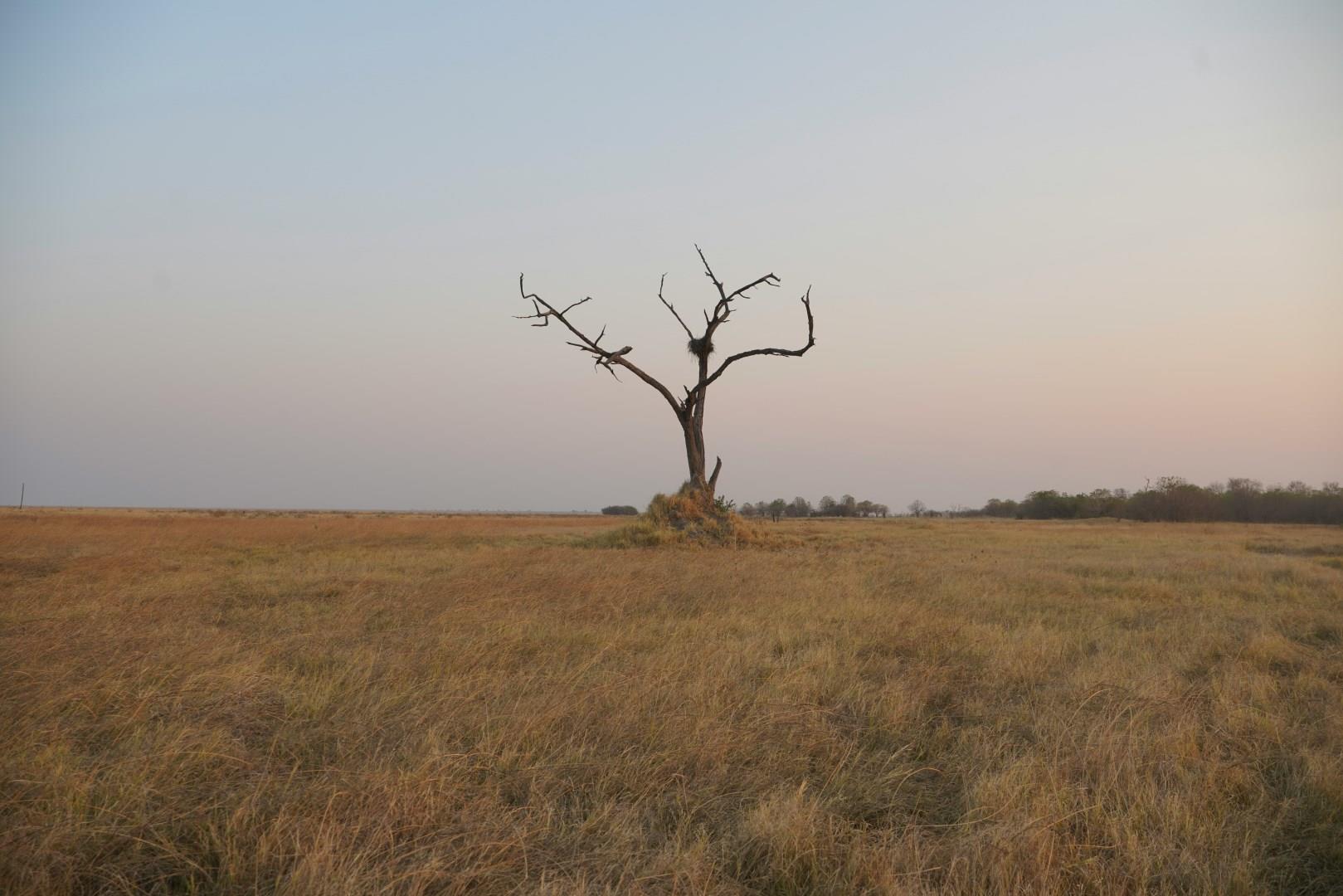
Maun, often referred to as the "tourism capital" of Botswana, is a vibrant gateway to the Okavango Delta, one of the world's largest inland deltas. Visitors can explore the nearby Moremi Game Reserve, known for its diverse wildlife and stunning landscapes, or take a scenic flight over the delta for a bird's-eye view of this spectacular UNESCO World Heritage Site.
