Dar Es Salaam
Dar es Salaam, Tanzania’s largest city and economic hub, offers visitors a vibrant mix of African, Arab, and European influences, making it one of East Africa’s most culturally diverse cities. With its bustling markets, lively waterfront, and historical sites, Dar es Salaam gives tourists a glimpse into the country’s rich history and dynamic present.
Jurmala
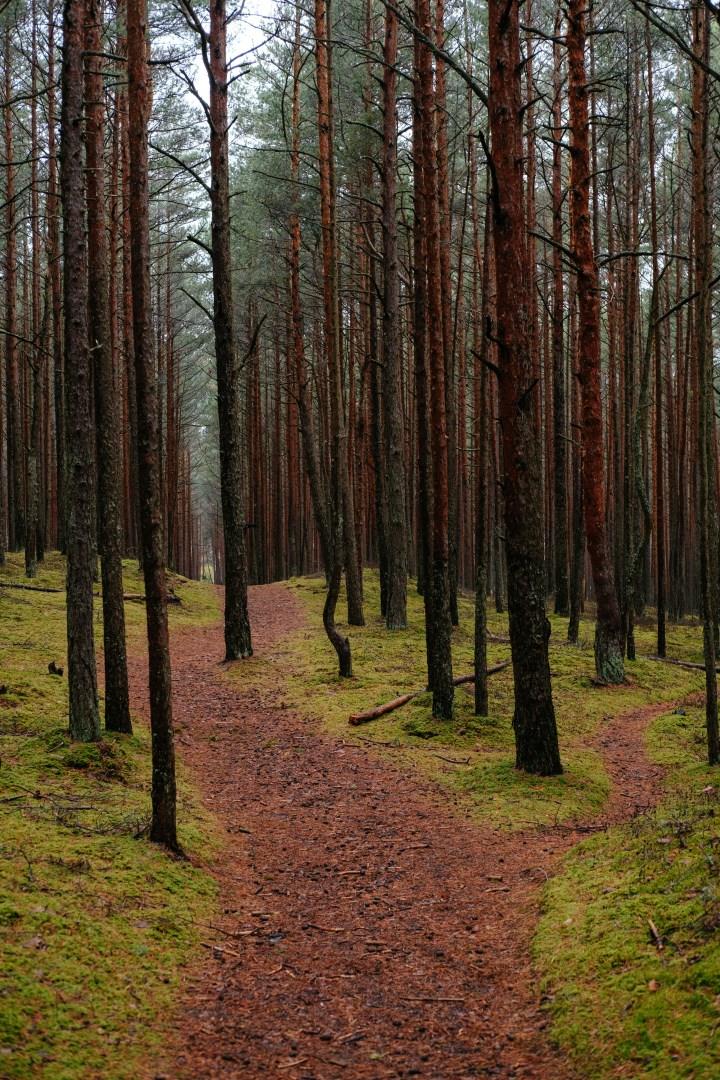
Jūrmala, Latvia’s famed seaside resort, stretches along 33 kilometers of white sandy beaches kissed by the Baltic Sea. Its wooden architecture, featuring colorful villas from the early 20th century, tells the story of its history as a retreat for the well-to-do during the Russian Empire. Visitors strolling the Jomas Street promenade will find a lively atmosphere filled with cafes, boutiques, and galleries, alongside peaceful spots where the sea breeze encourages relaxation.

Lifou
Lifou Island, the most populous of the Loyalty Islands in New Caledonia, is a flat, former coral atoll with abundant vegetation and surrounded by secluded coral reefs which many say offer some of the best snorkeling in the world.

Uluru
Located in Australia's Northern Territory, Uluru is an iconic sandstone formation and UNESCO World Heritage site. This red rock monolith, believed to be over 500 million years old, has been considered sacred by Australia's indigenous peoples for thousands of years and is one of the country's most well-known natural landmarks. This spiritual destination will astound you at sunrise and sunset, when the warm sunlight turns Uluru to deep hues of red and orange.
Netherlands
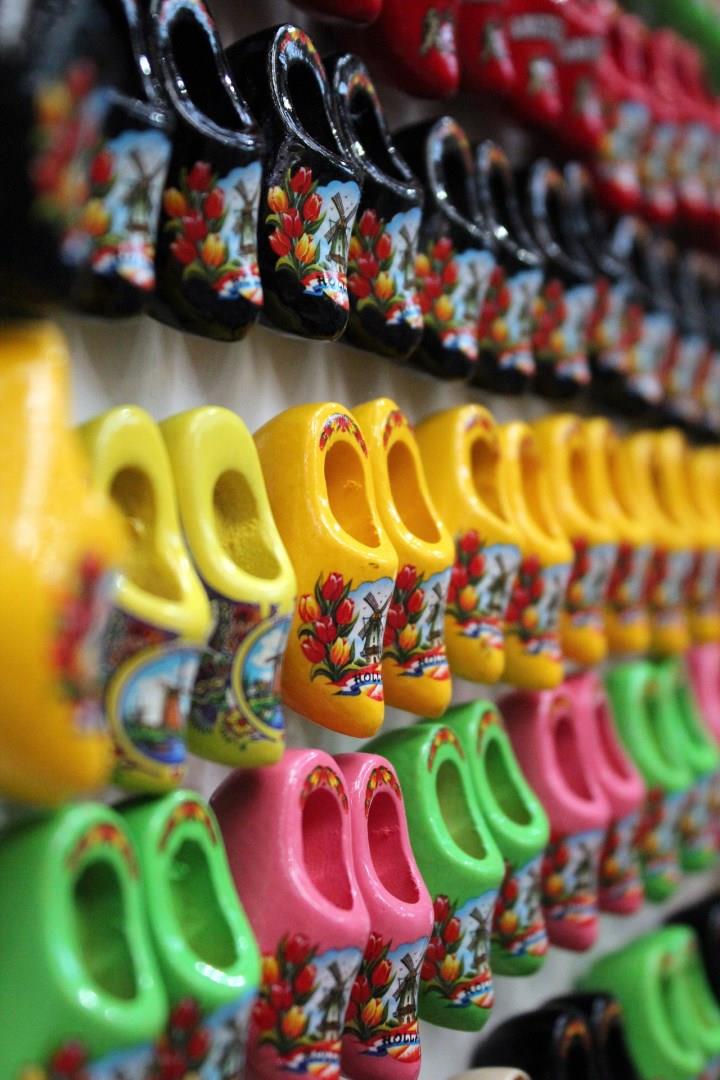
The Netherlands offers travelers a landscape where innovation and tradition intersect. In cities like Amsterdam, visitors can explore centuries-old canal networks and Golden Age architecture while also encountering contemporary art installations and sustainable urban design. The Rijksmuseum houses masterpieces by Rembrandt and Vermeer, while a short walk away, the Van Gogh Museum brings visitors closer to one of history’s most studied painters.