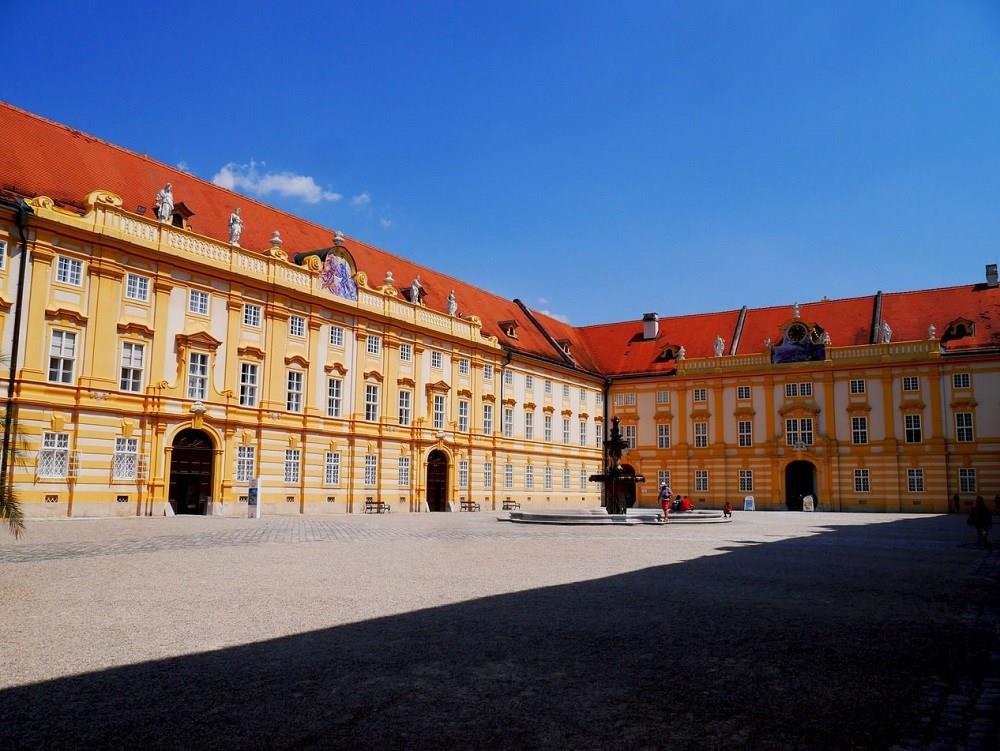
Europe
Europe is a continent where centuries of history, diverse cultures, and striking landscapes are woven together. From the snowy peaks of the Alps to the sun-soaked shores of the Mediterranean, each region offers its own distinct character and traditions.
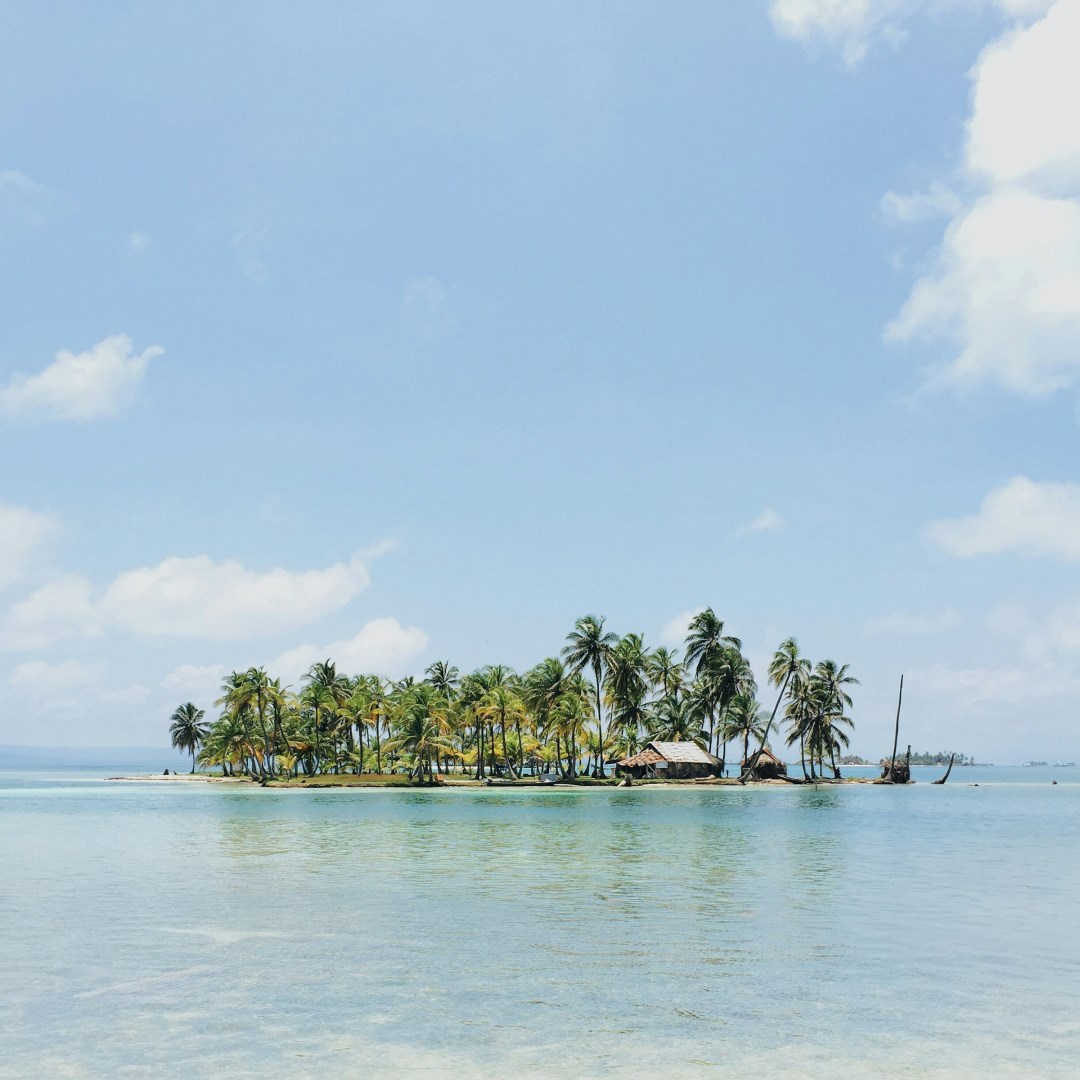
Kuna Yala
Kuna Yala, officially known as Guna Yala, is an Indigenous comarca along Panama's Caribbean coast, extending from the province of Colón toward the border with Colombia. Its best-known feature is the Guna Yala archipelago, made up of hundreds of small islands and islets surrounded by coral reefs and clear Caribbean waters. Many islands are low and covered with coconut palms, while others are uninhabited.

Bodrum
Bodrum is a resort town on the dazzling blue bay, in which the Aegean and the Mediterranean Seas meet. The town's charm is well-known, attracting a diverse population of vacationers who stroll along its long palm-lined waterfront, while elegant yachts crowd the marina. Not far from town , you can swim in absolutely clear, tideless, warm seas.
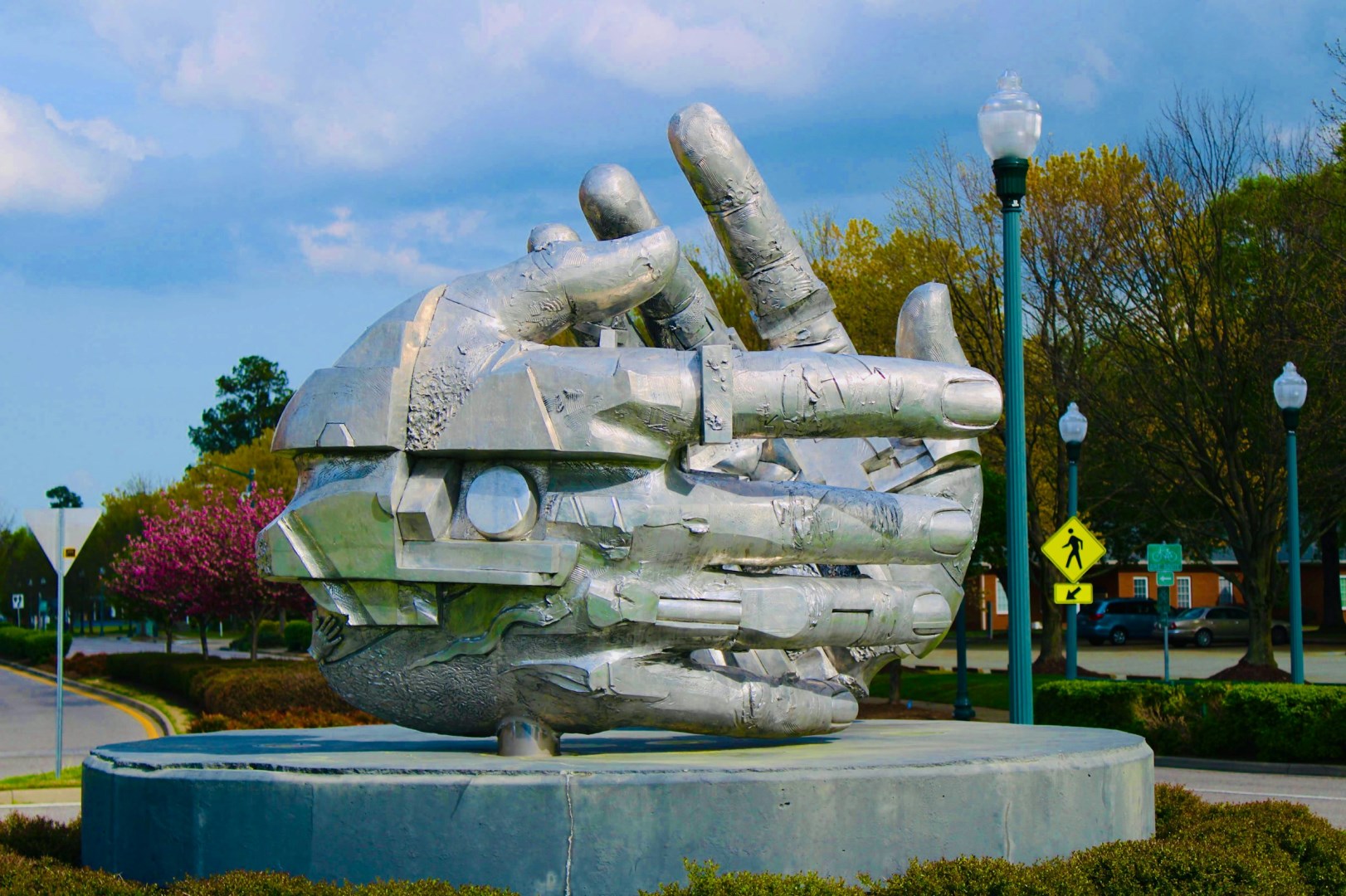
Newport News
Newport News, independent industrial city, southeastern Virginia, at the mouth of the James River; incorporated as a city 1896. With nearby harbors it forms the Port of Hampton Roads, one of the principal commercial ports in the U.S.

Santa Ana
Santa Ana is the county seat of Orange County and one of the largest cities in the region, located inland from the Pacific coast in Southern California. Its identity is closely tied to a historic downtown, long-established residential neighborhoods, and a strong Mexican American cultural presence. Fourth Street and Main Street form the traditional center of the city, while areas such as the East End and Floral Park add distinct architectural and neighborhood character.