Ko Lipe
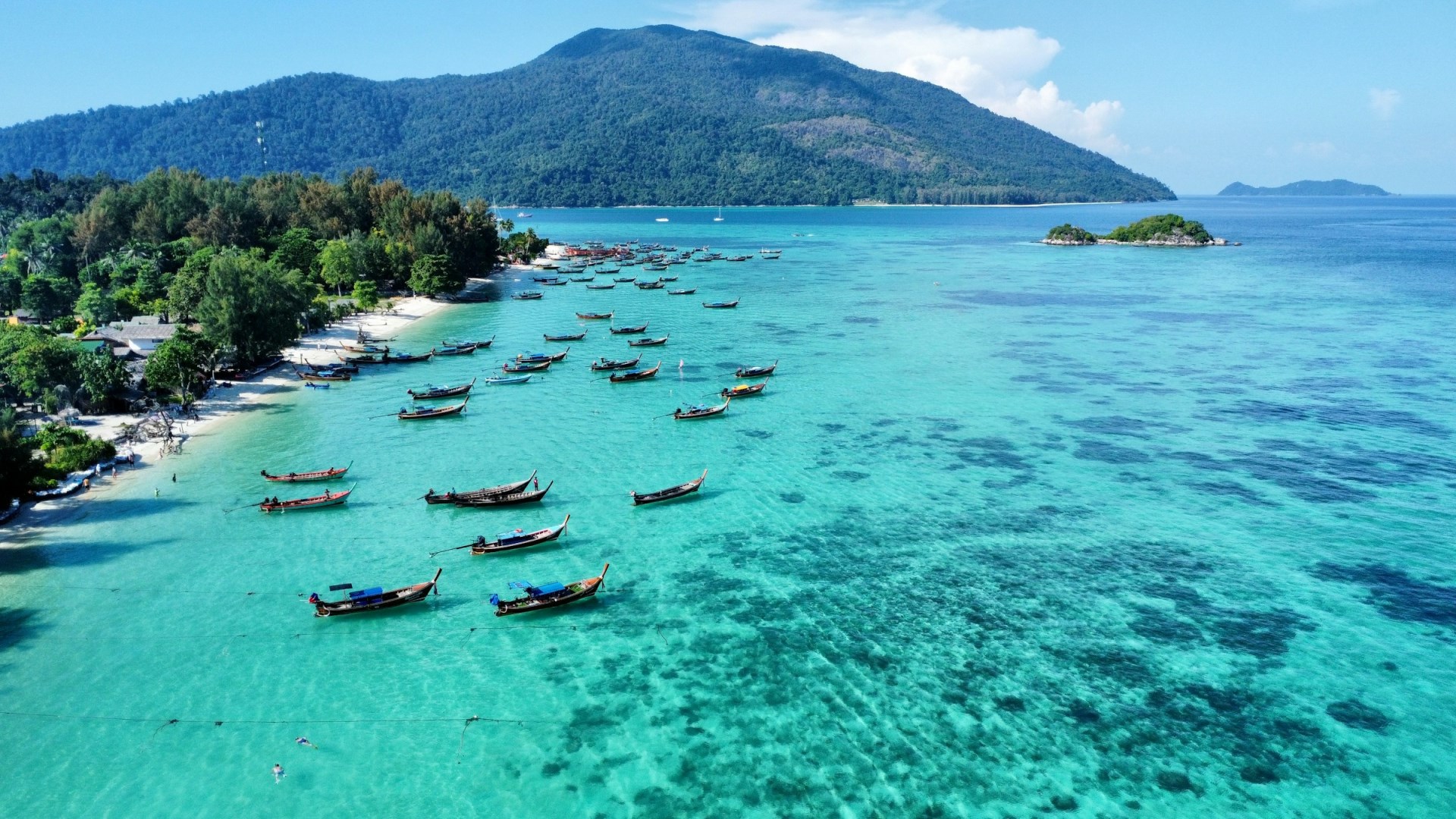
Koh Lipe is a small island in Satun Province in southern Thailand, located in the Andaman Sea near the Malaysian border. It forms part of the Tarutao National Marine Park and is surrounded by clear coastal waters, coral reefs, and smaller islands. The island is known for its sandy beaches, shallow bays, and compact village area, where most places can be reached on foot.
Manly
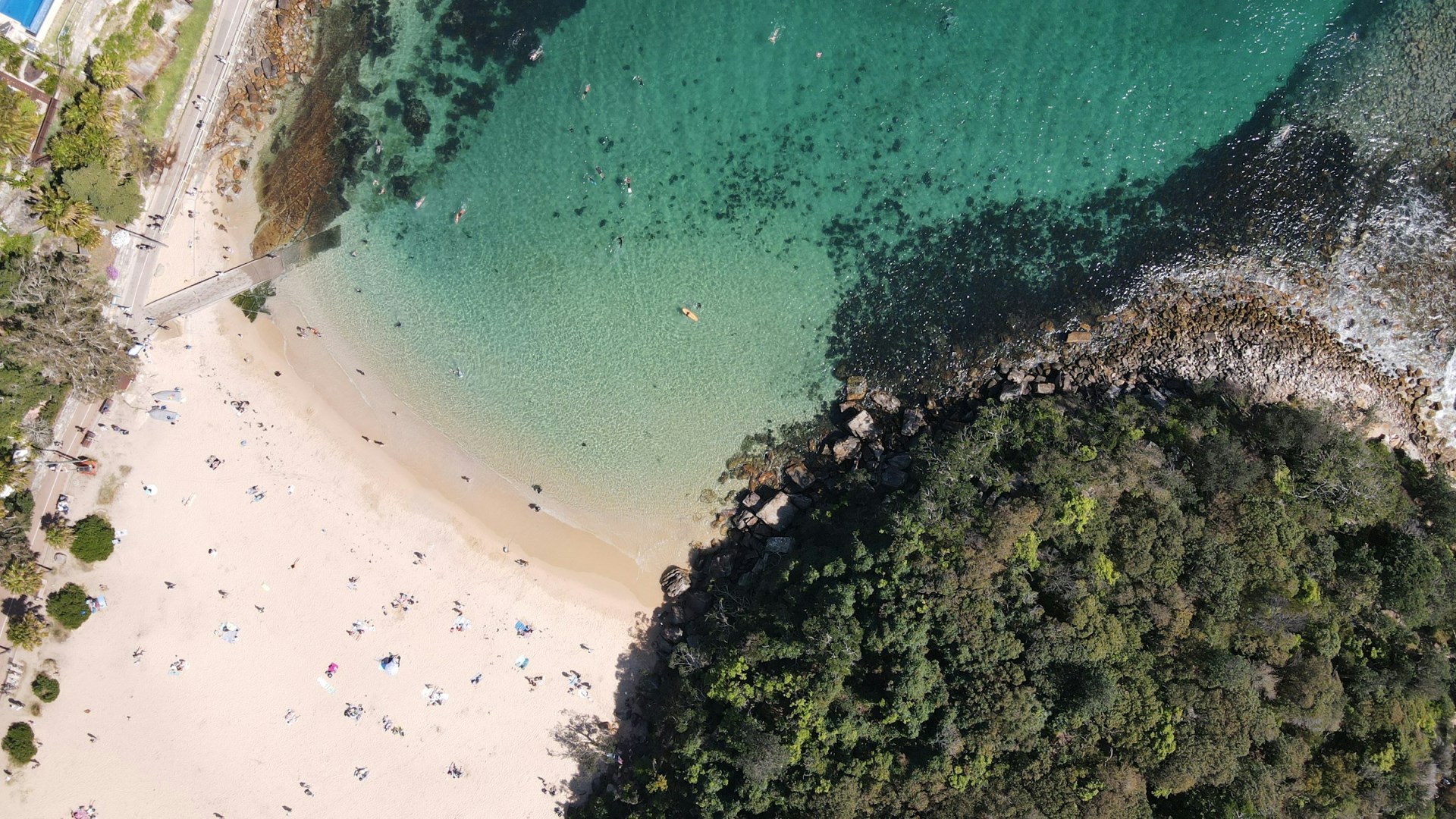
Manly, a seaside suburb of Sydney, Australia, is celebrated for its relaxed coastal charm and vibrant outdoor lifestyle. Situated on the northern beaches of Sydney Harbour, it offers a unique combination of golden sands, surf-friendly waves, and a bustling promenade filled with cafés, shops, and restaurants.

Astoria
Astoria, Oregon is the state's oldest city. Located on the Columbia River near the Pacific Ocean, Astoria is rich in history, including fishing, canning and the Lewis and Clark Expedition.

Sete
Sète is a lovely port city in southern France, often called the "Venice of Languedoc" because of its many canals. The old port area is full of history and charm, making it a great place to explore. Visitors can stroll along the canals while observing the daily activities of fishermen and admire the array of boats moored along the quays.
Menaggio
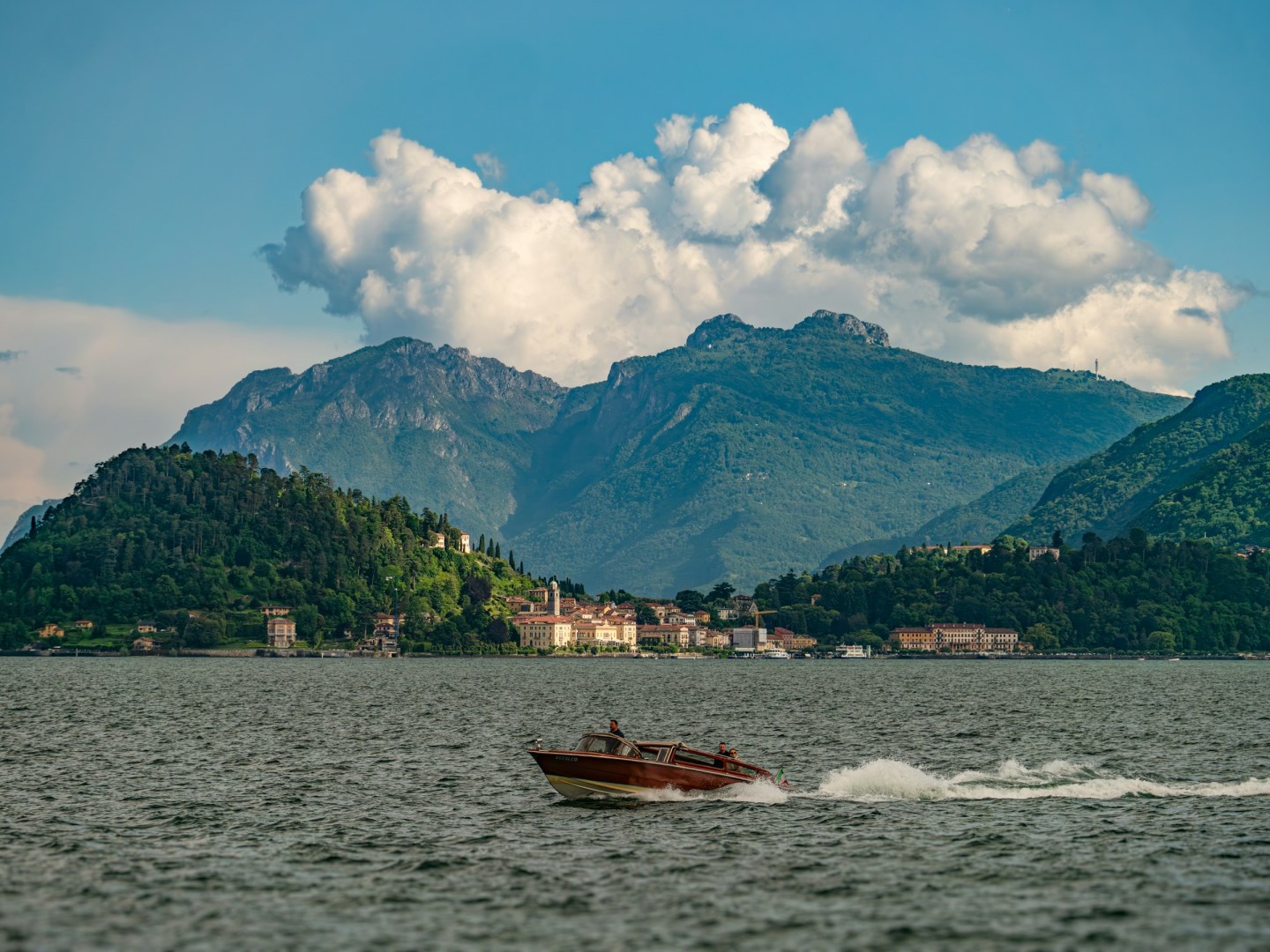
Menaggio is situated on the western shore of Lake Como. at the point where the road bordering the western side of the lake and the road leading through the Val Menaggio to Lugano meet.