Kingston
Kingston is Jamaica’s capital and largest city, occupying a broad coastal plain beneath the Blue Mountains and beside one of the Caribbean’s largest natural harbours. It is the country’s main center for government, business, education, music, art, and food, with neighborhoods ranging from historic downtown streets to the commercial districts of New Kingston and the hillside communities above the city.

Scotland
Scotland, a land of rugged landscapes, ancient castles, and vibrant culture, offers travelers an unforgettable experience steeped in history. From the rolling hills of the Scottish Borders to the dramatic Highlands and islands, the country’s diverse scenery is a paradise.
Telšiai
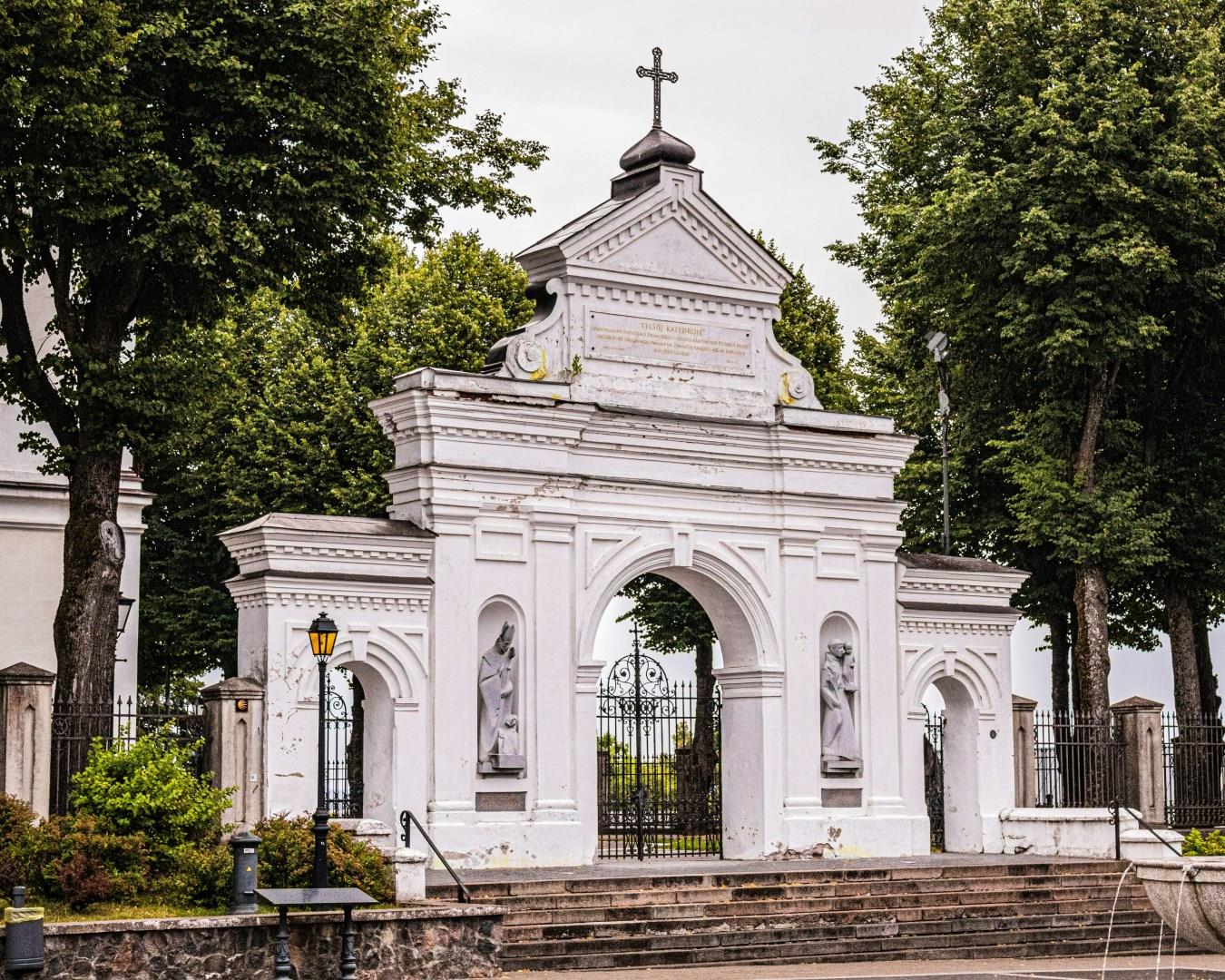
Telšiai, often called the capital of Lithuania’s Samogitia region, offers visitors a deep dive into a unique cultural heritage paired with striking natural settings. The town is set on the shores of Lake Mastis, where the reflections of historic buildings and lush forests create a calm and inviting atmosphere. Telšiai’s old market square bustles with life and is home to some of the town’s most notable landmarks, including the Neo-Gothic St. Anthony of Padua Cathedral.

Corfu
Eluding Ottoman oppression sure makes you beautiful! Besides breathtaking beaches and lovely pools, this Greek island in the Ionian Sea offers many charms, from its Old Town (a UNESCO World Heritage Site) to Venetian fortresses to cypresses waving in the ocean breeze.

Udaipur
Udaipur, often referred to as the "City of Lakes," is one of India’s most enchanting destinations, nestled in the state of Rajasthan. Known for its opulent palaces, tranquil lakes, and rich history, Udaipur offers a romantic getaway steeped in royal heritage. The crown jewel of the city is the magnificent City Palace, a sprawling complex perched on the banks of Lake Pichola.