
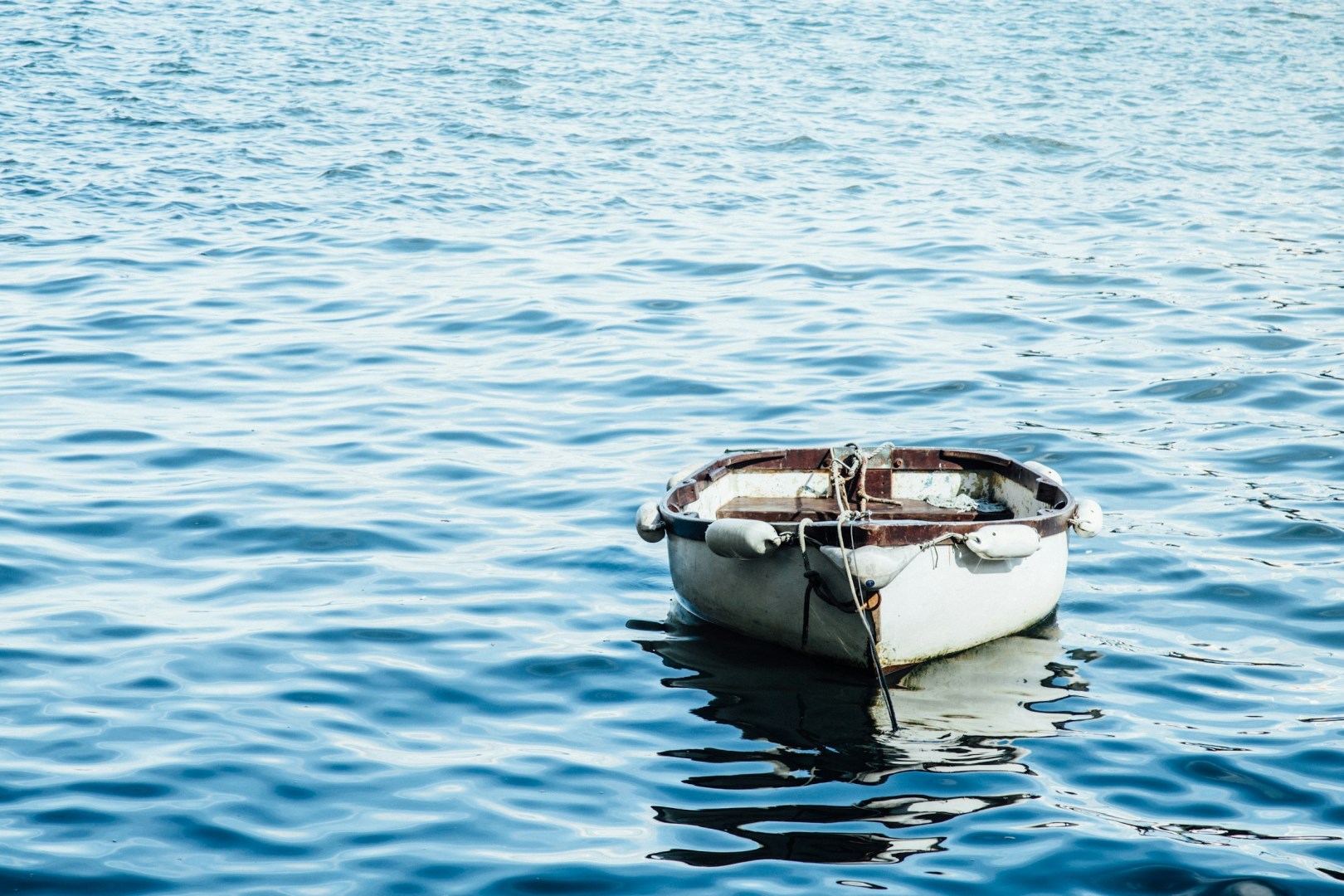
Falmouth
Falmouth, on Cornwall’s south coast, grew around one of the world’s largest natural harbors, a feature that has shaped its maritime identity for centuries. The town expanded during the age of sail, serving as a key port for packet ships, and landmarks like Pendennis Castle still anchor Falmouth firmly in its naval past.
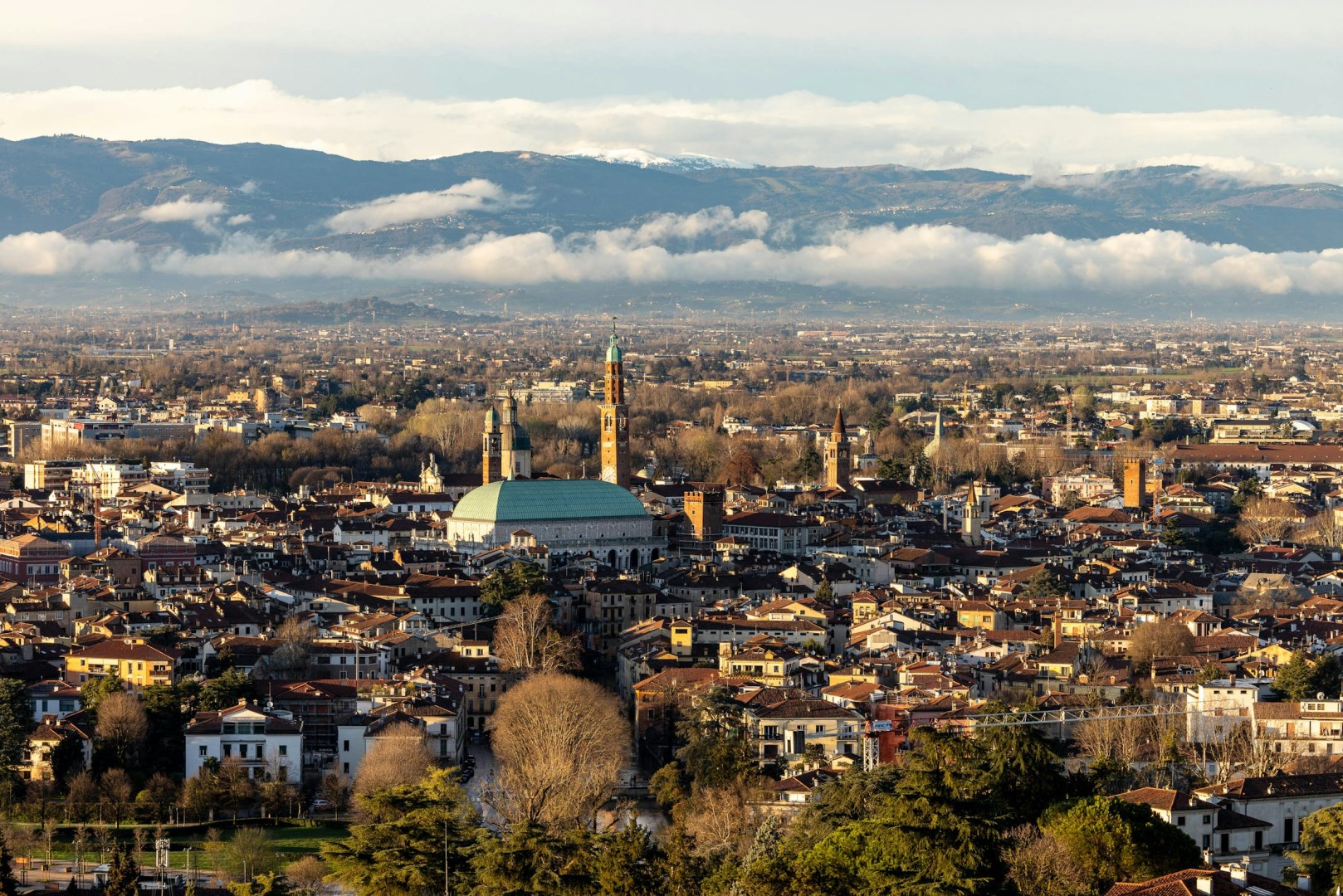
Vicenza
A little overshadowed by its close vicinity to such cities as Venice and Verona, Vicenza is known as a provincial city, tied up to the secular tradition of religiosity and conservatism, but also animated by an industriousness that has favored the development of great industries and innovative productive trends.
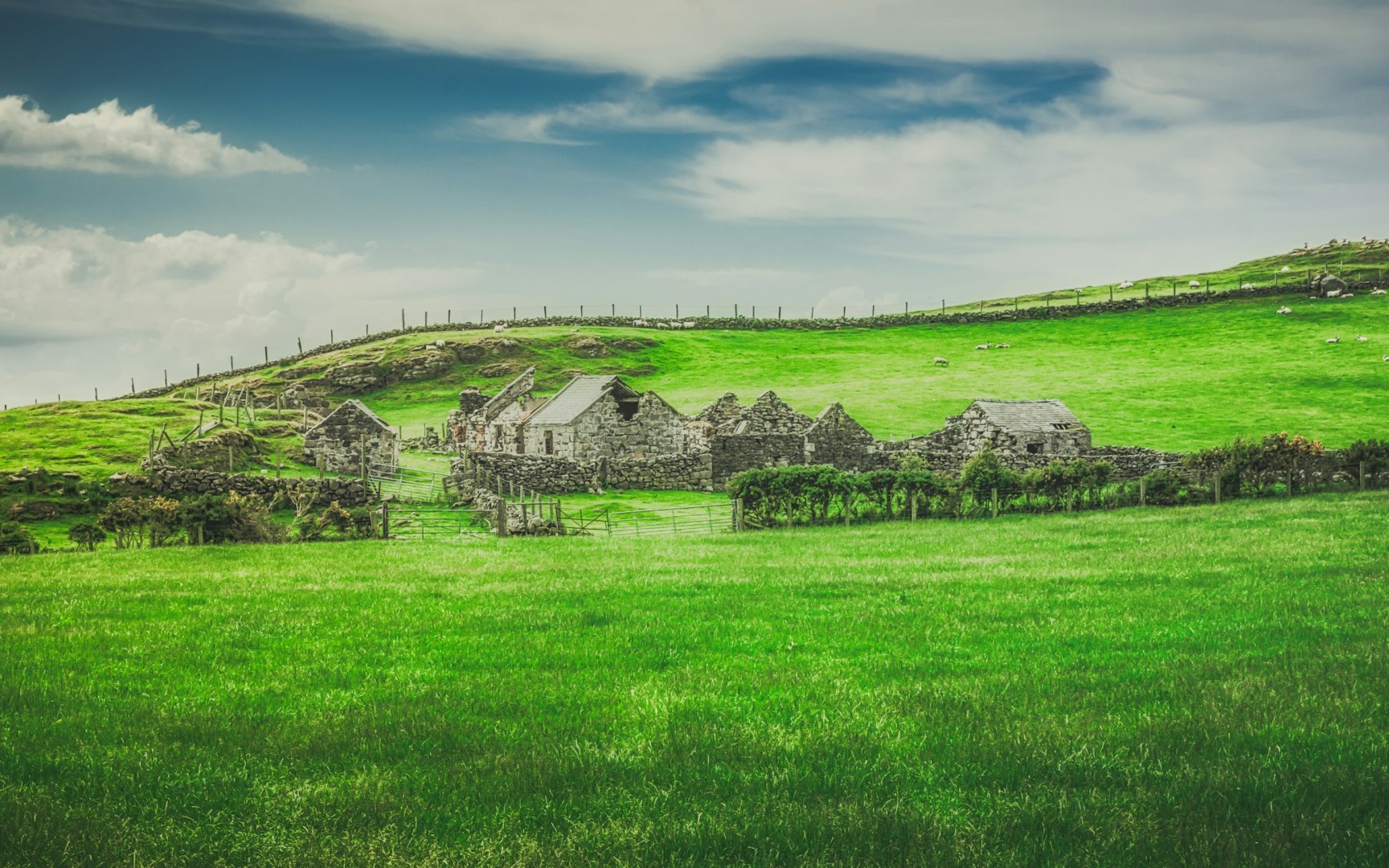
Ballycastle
Ballycastle is a small seaside town on the north coast of County Antrim, Northern Ireland, positioned between the Causeway Coast and the Glens of Antrim. Its harbor faces Rathlin Island and the North Channel, while the surrounding landscape includes beaches, cliffs, farmland, and wooded valleys. Ballycastle Beach stretches along the eastern side of the town, with views across the water toward Rathlin and, in clear conditions, the Scottish coast.
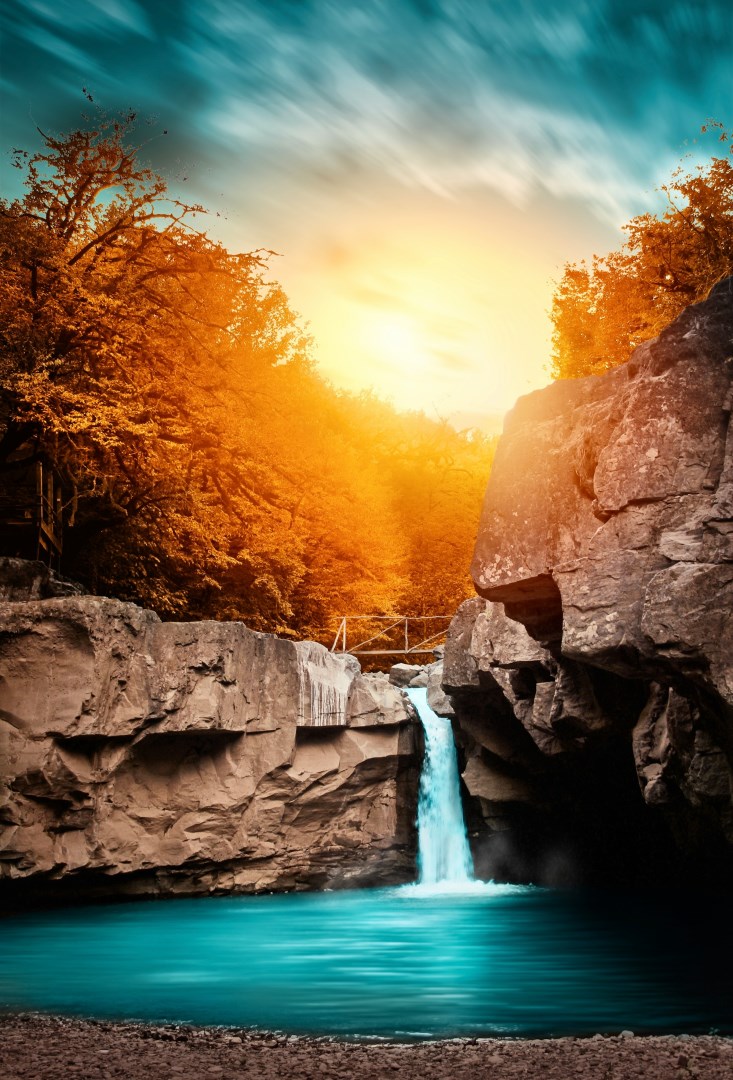
Masalli
Masalli is a town in southeastern Azerbaijan, situated between the Talysh Mountains and the Caspian Sea. The district is known for its humid subtropical climate, fertile lowlands, forested mountain slopes, and numerous mineral springs. Tea plantations, citrus orchards, rice fields, and other cultivated areas are found across the surrounding countryside, while the Talysh Mountains rise toward the west. Masalli serves as a gateway to several natural attractions.
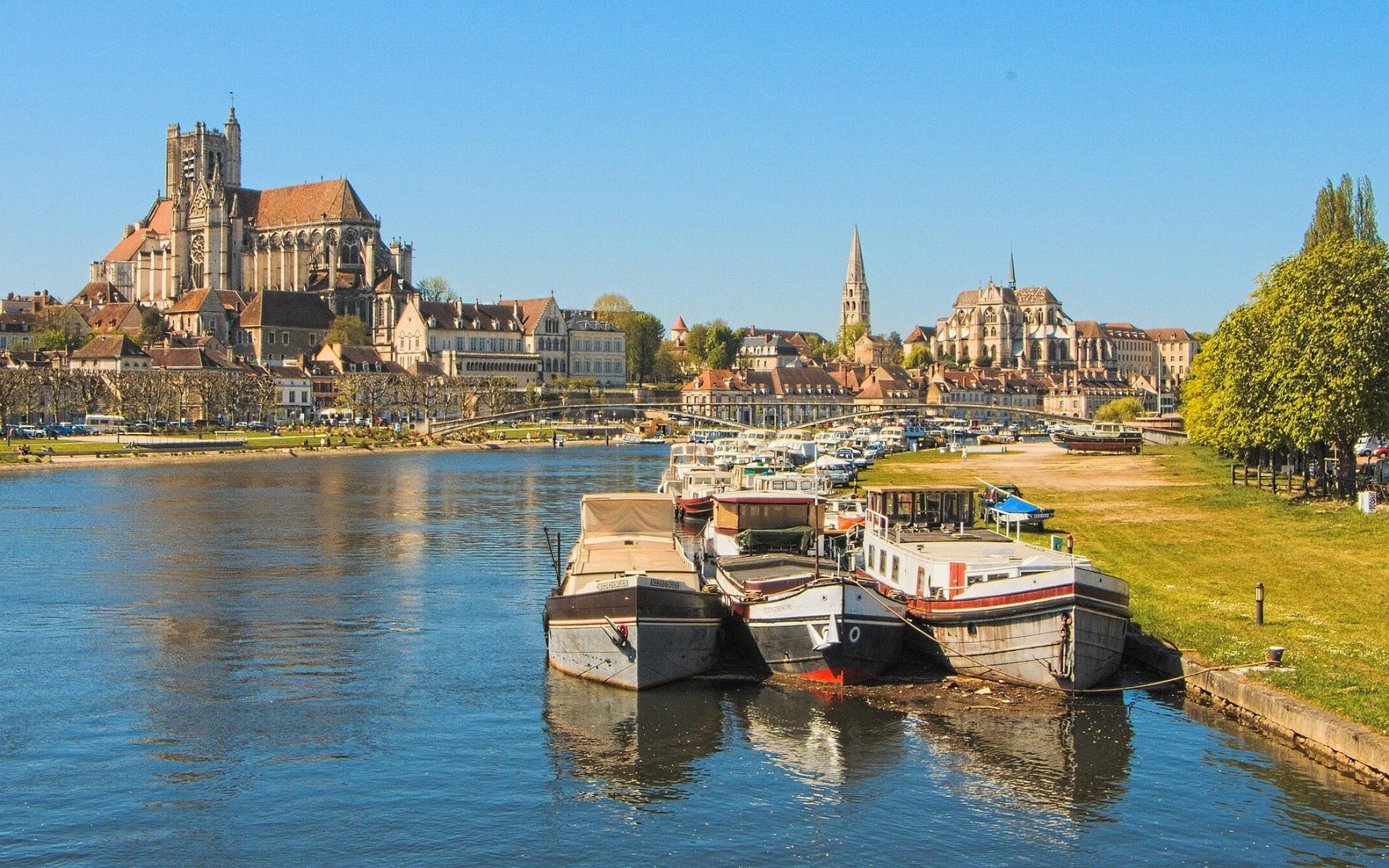
Auxerre
Auxerre is a picturesque city located southeast of Paris and is the capital of the Yonne department.


