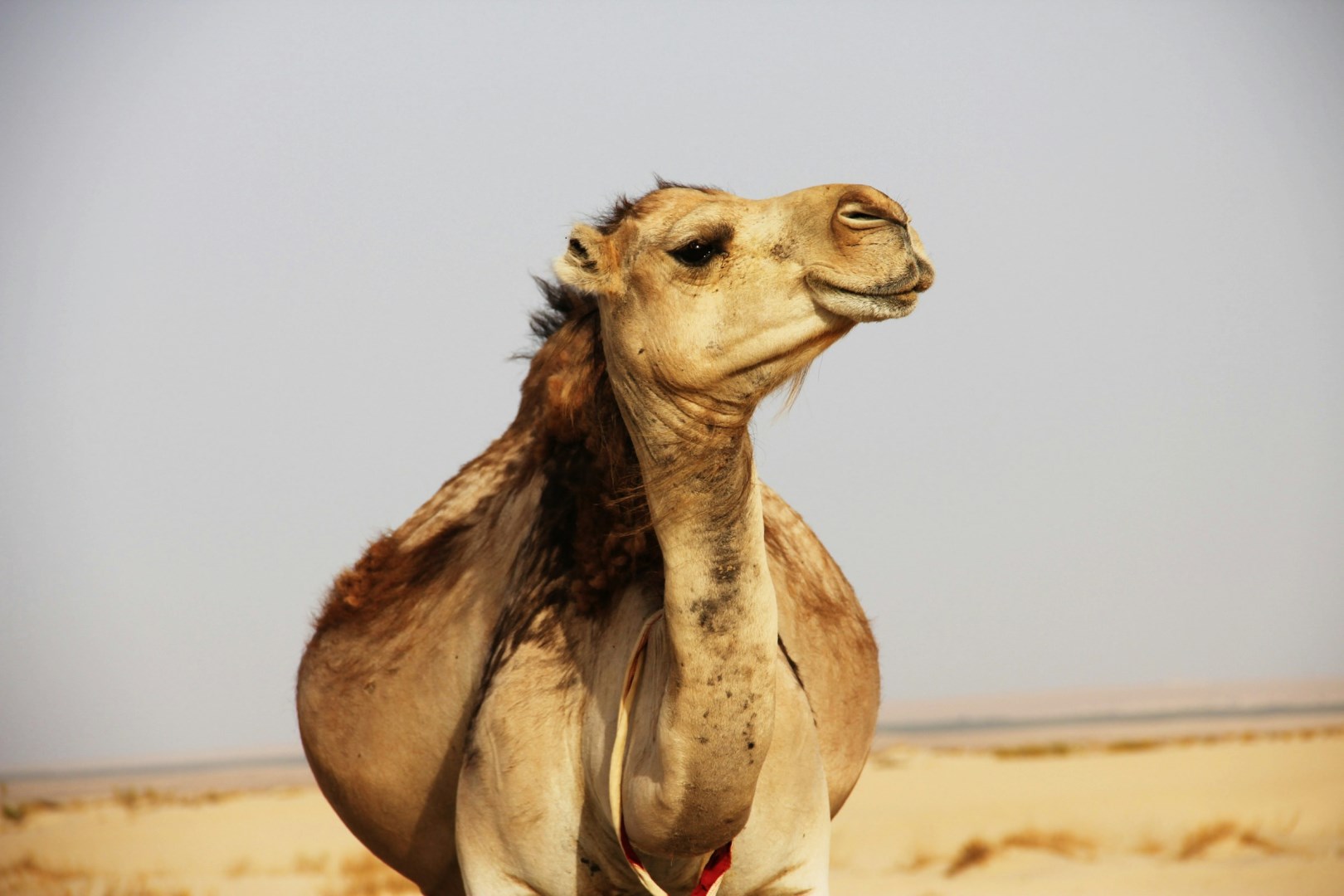
Tozeur is an oasis city in southwestern Tunisia, located on the northern edge of the Sahara near the vast salt lake of Chott el-Jerid. Its extensive date-palm groves create a green belt around a city otherwise surrounded by dry plains and desert landscapes. Tozeur is especially recognized for its distinctive brick architecture, with geometric patterns formed from small, locally made bricks decorating walls and gateways.
One of Japan's 60 core cities, Aomori is well-known for its beautiful landscapes. Favorite landscapes include the Hakkoda Mountains and Lake Towada. Another of the city's highlights is the Nebuta Matsuri, an annual festival known for its daily parade of giant, colorful lantern floats.
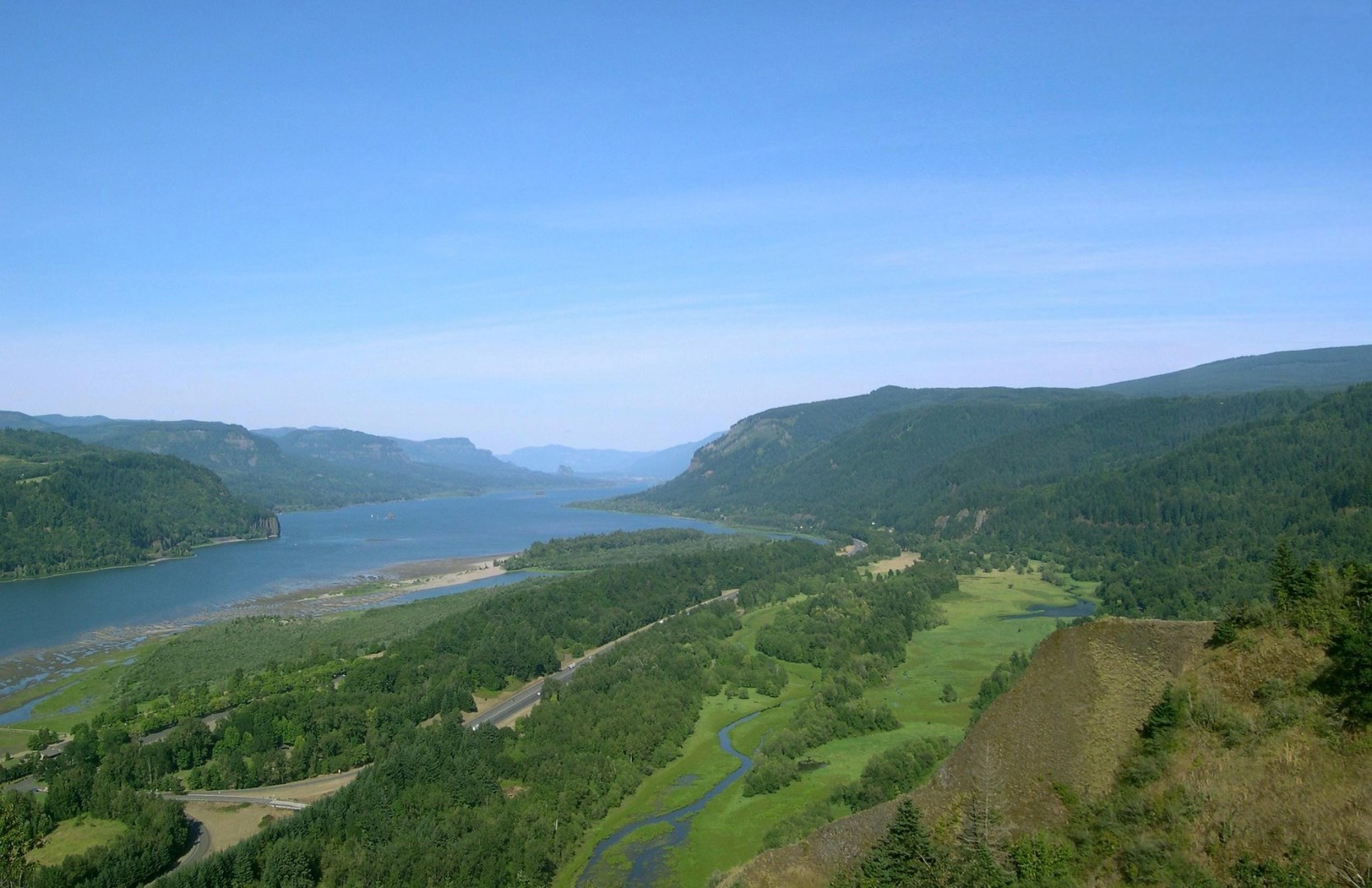
The Columbia River Gorge, straddling the border between Oregon and Washington, is a stunning natural wonder renowned for its breathtaking landscapes and outdoor adventures. This dramatic canyon, carved by the Columbia River, is flanked by towering cliffs and lush forests.
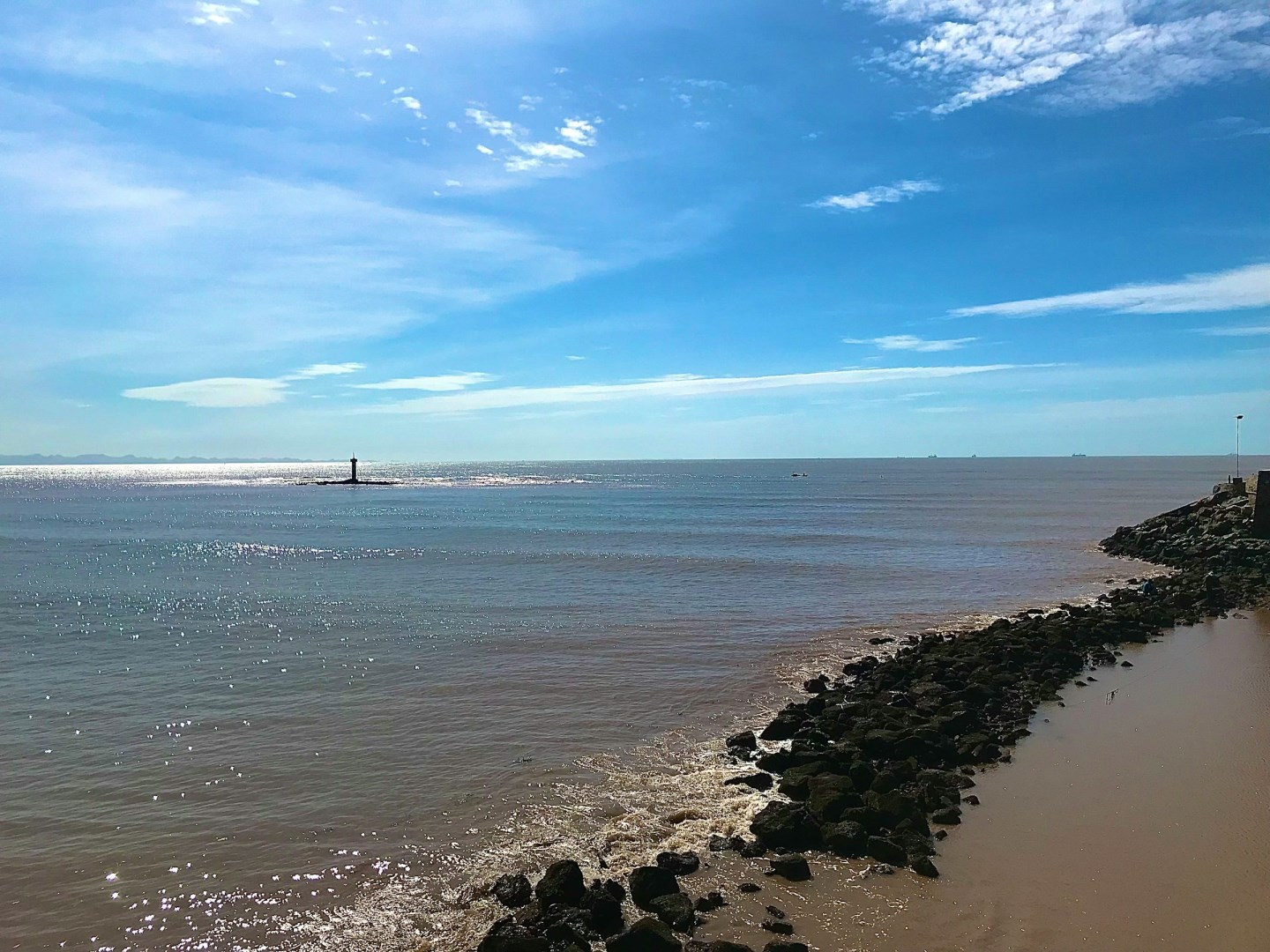
An exotic world, shimmering in lacquer light, lies just beyond the harbor. This Haiphong, gateway to the Vietnamese capital of Hanoi. Have a cyclo take you to town in the morning, just as markets come alive. You can also see the Du Hang Pagoda, a fine example of the country's traditional architecture, and the Hang Kenh House, famed for its intricate wood carvings.
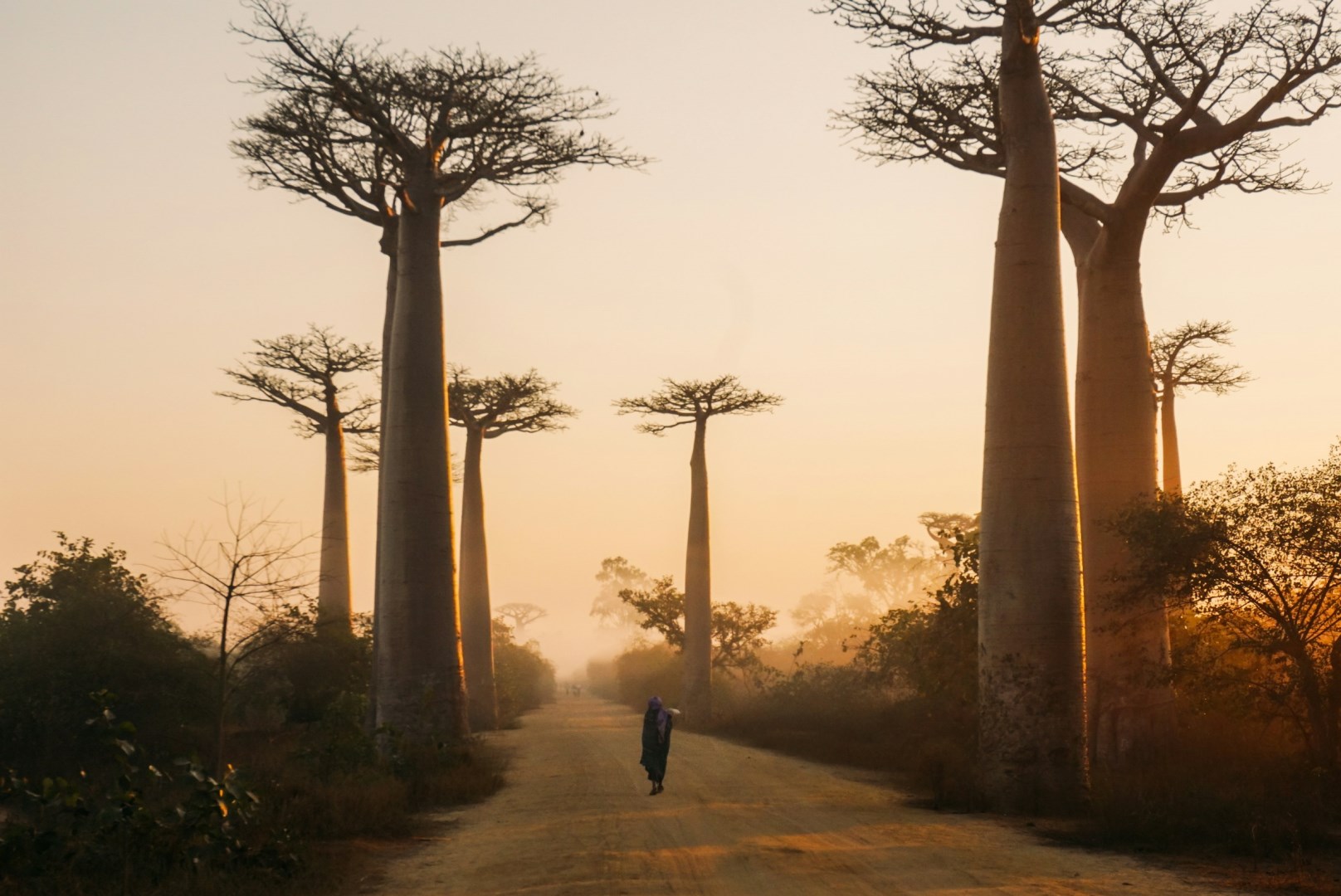
Morondava is a coastal town in western Madagascar and the capital of the Menabe region. Located along the Mozambique Channel, it serves as a base for exploring the dry landscapes and wildlife of western Madagascar. The town is closely associated with the Avenue of the Baobabs, one of the country’s best-known natural landmarks, and with the dry forests around Kirindy. Morondava’s setting is shaped by sandy coastal areas, river systems, dry woodland, and open plains.
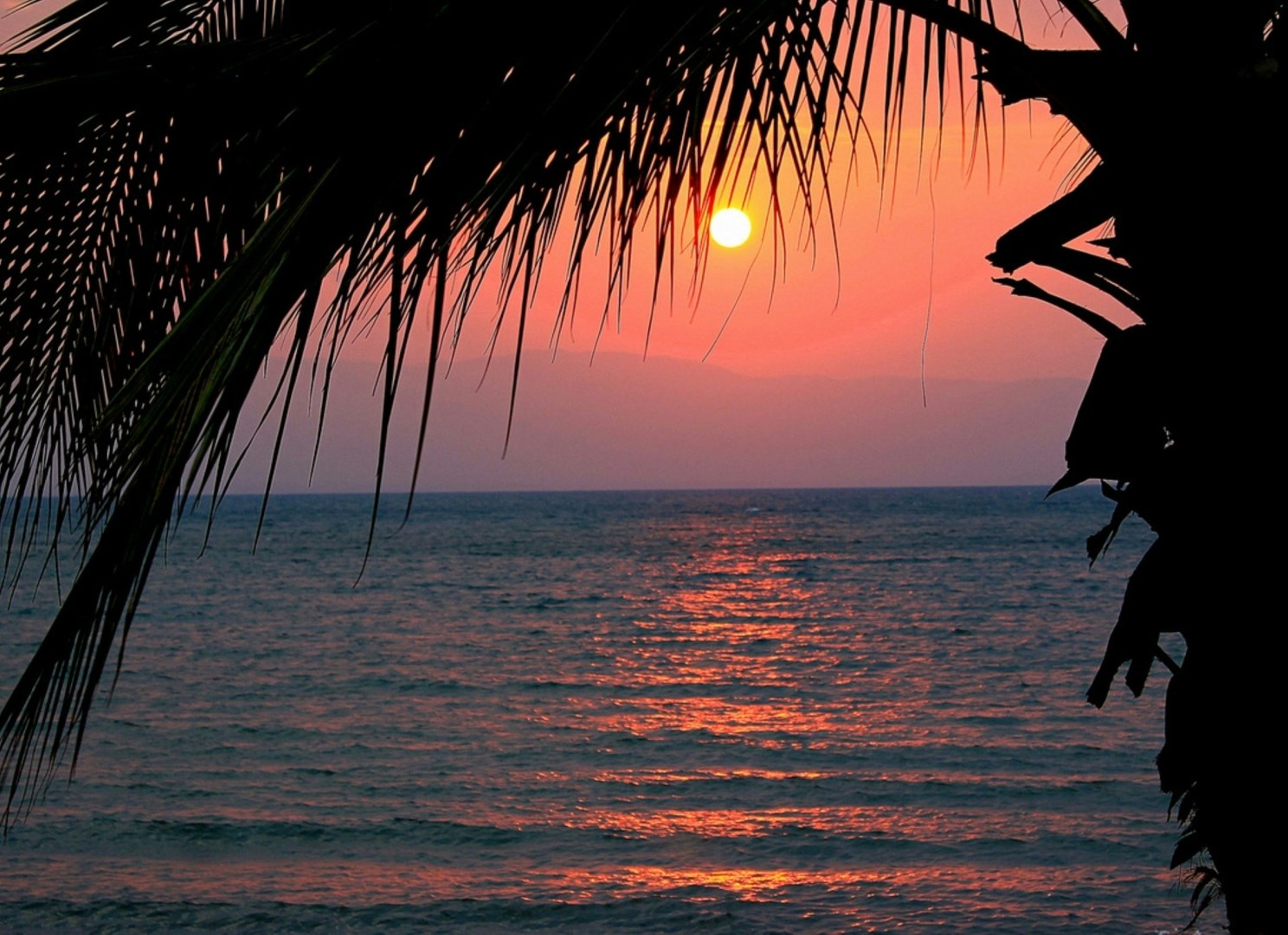
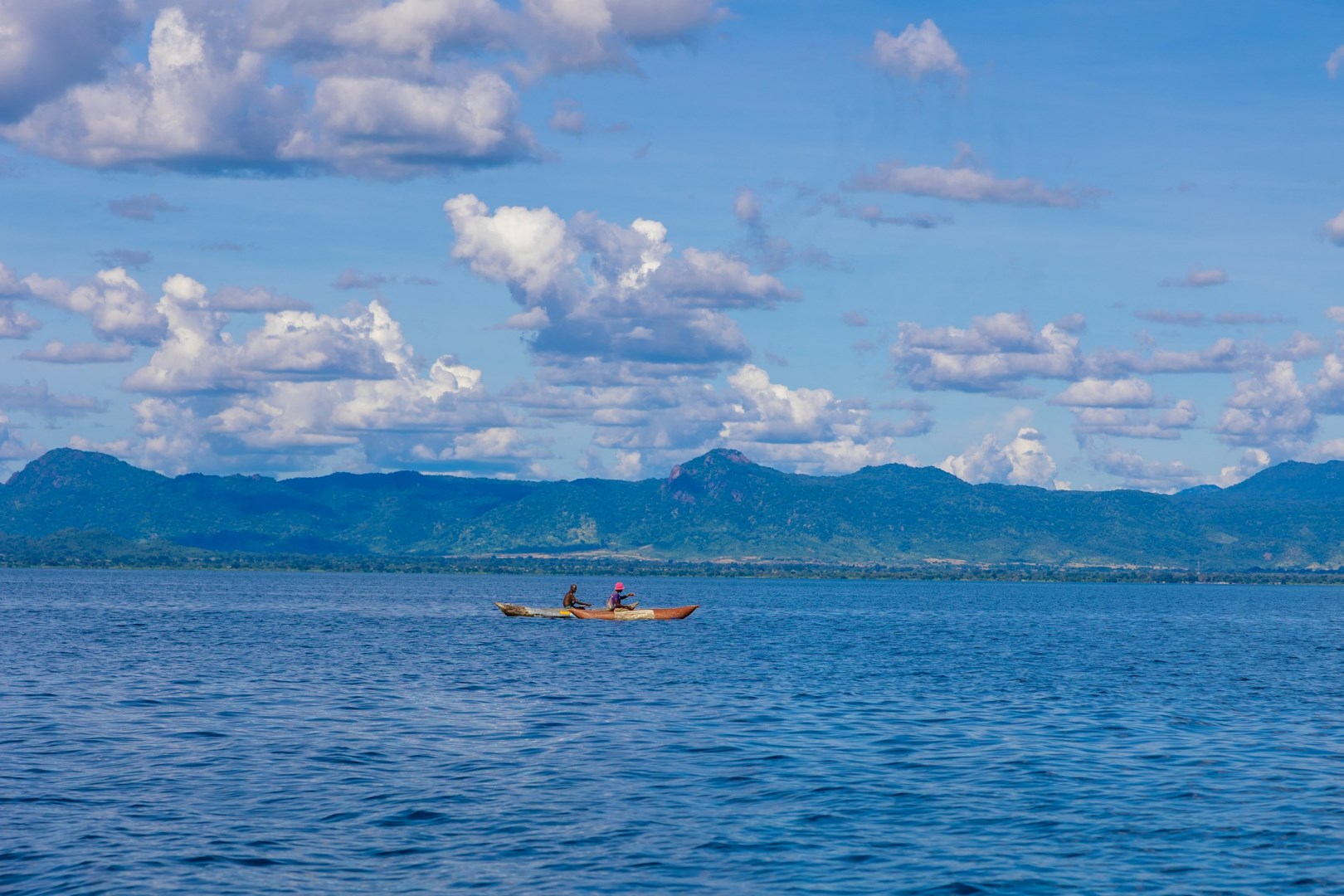
Lake Malawi - The Lake of Stars - is an immense inland sea of fresh, crystal clear water in which tropical fish abound. Its shores and the deserted islands which dot its surface are home to a variety of game and an abundance of exotic birdlife. Local fishermen leisurely paddle their traditional "mokoros", or dugouts, across its expanse, and the sun drenched serenity is but enhanced by the shriek of a Fish Eagle or the grunting of distant hippo.
Lake Malawi is one of a series of lakes in Africa's Rift Valley. It is the ninth largest lake in the world, with a surface area of about 30,000 square km, a length of about 580 km, and is approximately 704 meters deep. Lake Malawi has a very diverse bottom, ranging from rocky, to sandy, to heavily planted areas. As with Lake Tanganyika, the lower layers of the lake are completely devoid of oxygen and uninhabitable by fish. It was reported in "African Cichlids of Lakes Malawi and
Tanganyika-12th Ed." that there are 225 known species of cichlids in the lake, with 40+ species of non-cichlids. Lake Malawi's fish population is a prime food source for many Malawi inhabitants. Lake Malawi National Park, opened in 1980 near Monkey Bay, was put in place to protect the many cichlid species of the lake from extinction due to over-fishing and
collection for export.
Other Popular Destinations in Malawi
Lilongwe
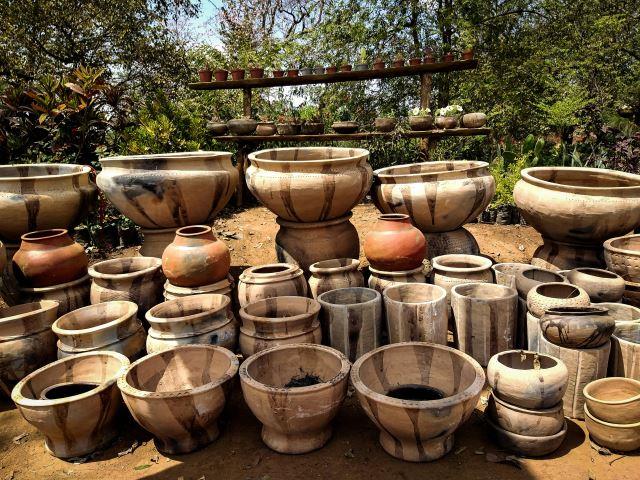
Lilongwe, the capital of Malawi, blends modern development with a laid-back atmosphere, offering visitors an introduction to the country’s culture and daily life. Markets are at the heart of Lilongwe’s character, with the bustling Old Town Market standing out as a must-visit. Here, traders sell everything from fresh produce and local crafts to colorful fabrics and handmade goods.
Zomba
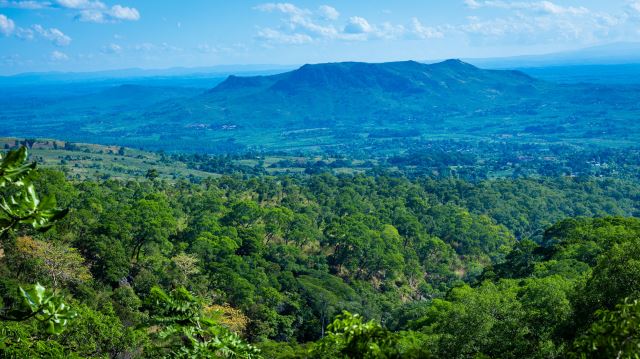
Zomba is a city in southern Malawi situated at the foot of the Zomba Plateau, a large mountain massif rising above the surrounding Shire Highlands. The city is known for its tree-lined streets, cooler climate, and access to forested mountain landscapes. Zomba Plateau dominates the local scenery, with steep slopes, streams, waterfalls, and broad viewpoints overlooking the plains below.