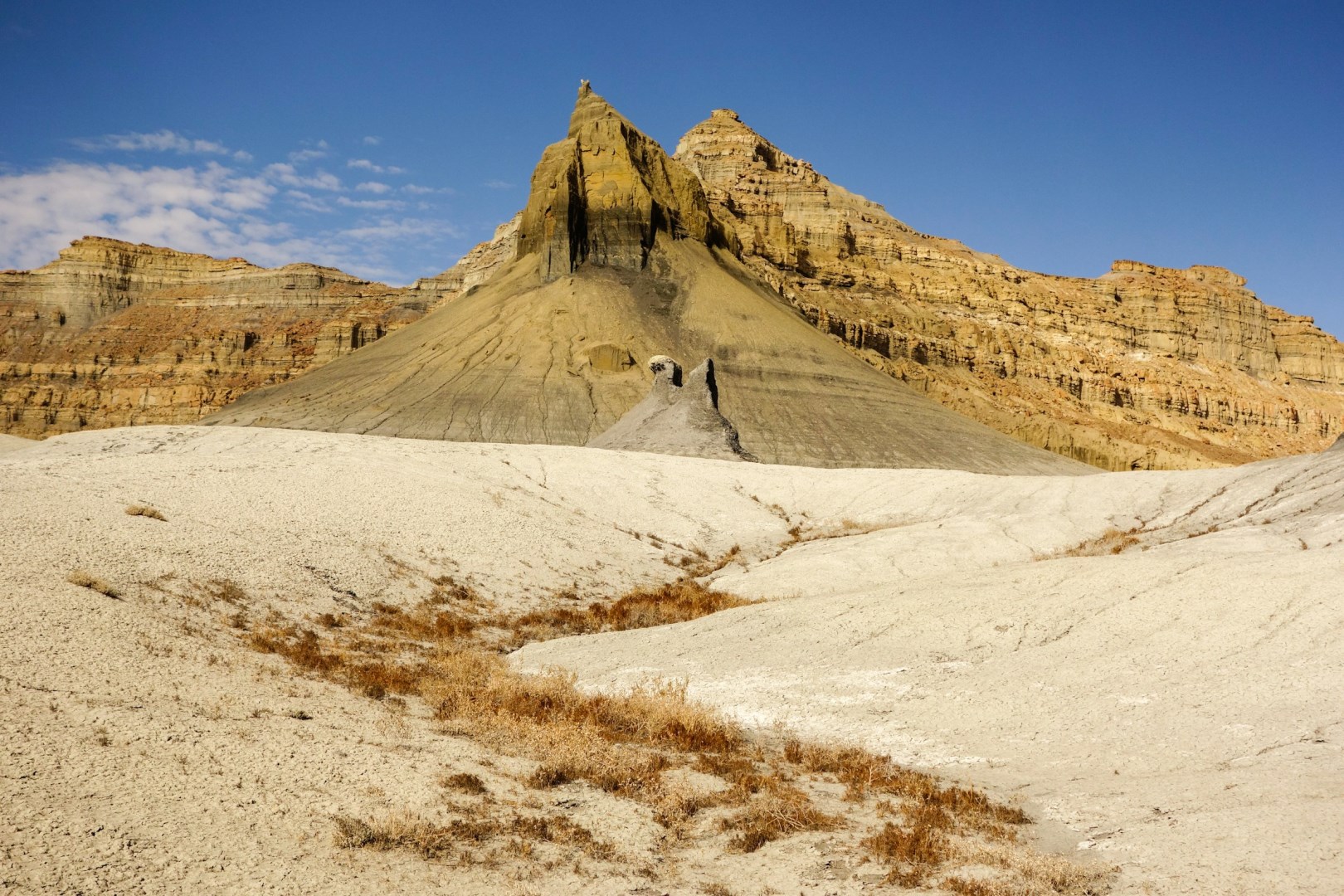
Bimini Islands
The Bimini Islands, the westernmost point of the Bahamas, are a tiny chain of islands steeped in history, legend, and natural wonder. Bimini has long been celebrated as the “Gateway to the Bahamas,” blending fishing traditions, maritime lore, and a laid-back island culture.
Santa Cruz de la Sierra
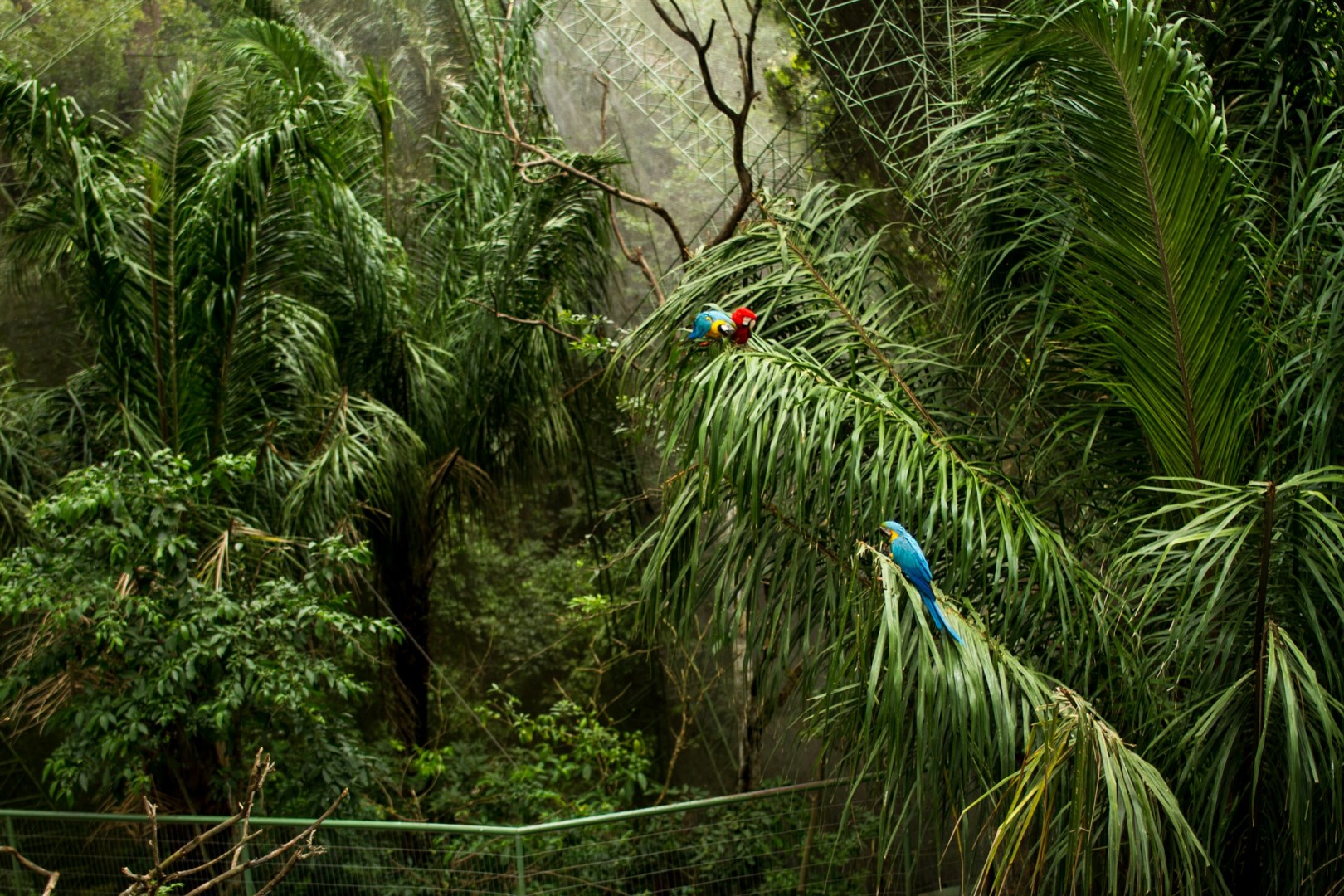
Santa Cruz is in stark contrast to La Paz. Climate is tropical and altitude is only 1,250 feet. It is on the eastern lowland side of the Andes mountain range and one of the gateways to Bolivia's jungle area. Trinidad is the other. Much of Bolivia's natural resources, including agricultural products, are found in this area. Although Santa Cruz has grown tremendously some parts of downtown still retain a look of an Old West frontier town. Carnival is an especially happy time to be in Santa C
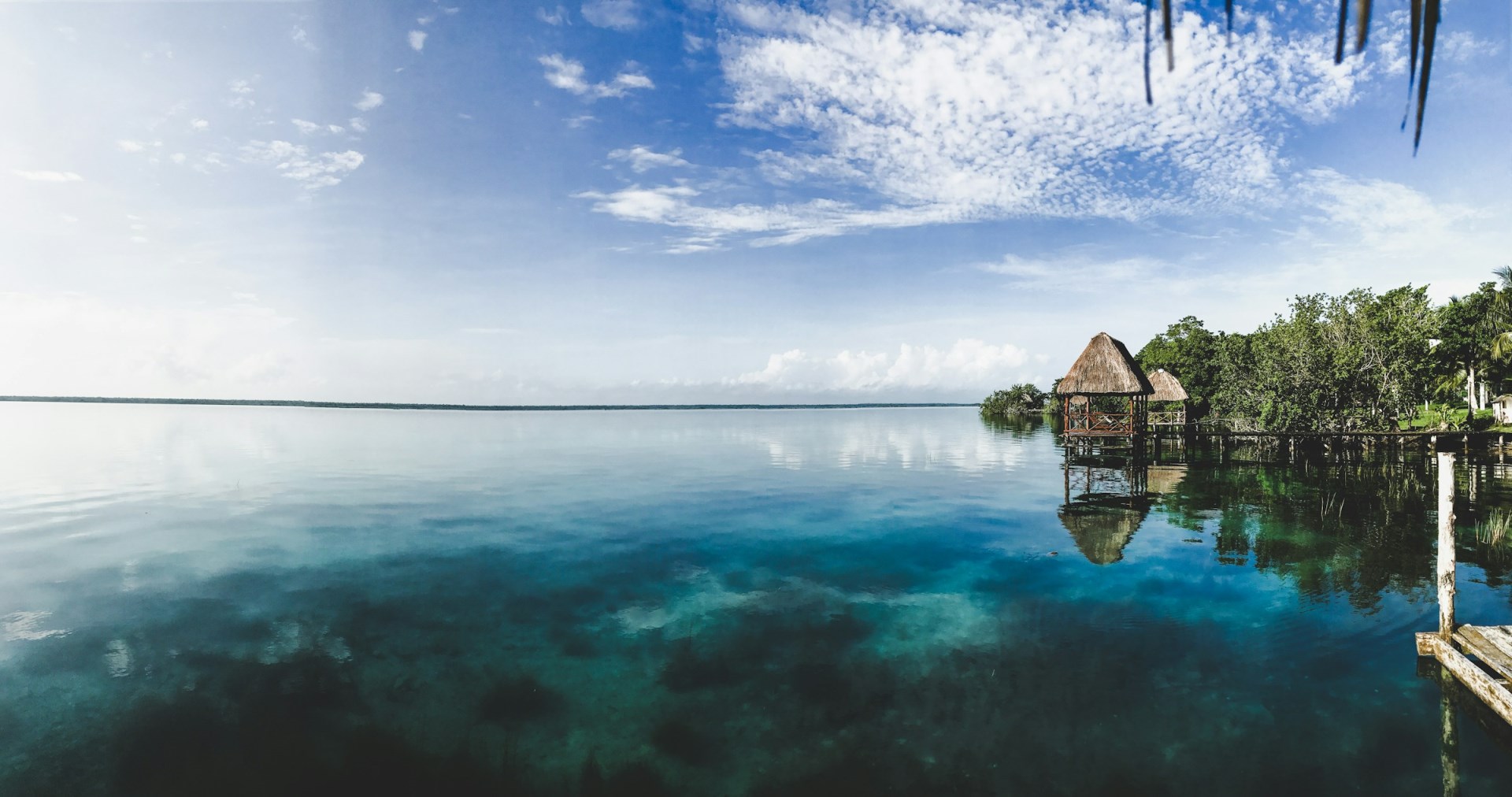
Lake Bacalar
The white limestone bottom of this freshwater lagoon makes the vibrant aquamarine waters look even brighter. This blissful escape is perfect for kayaking or lounging and has smaller crowds than some of the more well-known tourist towns.
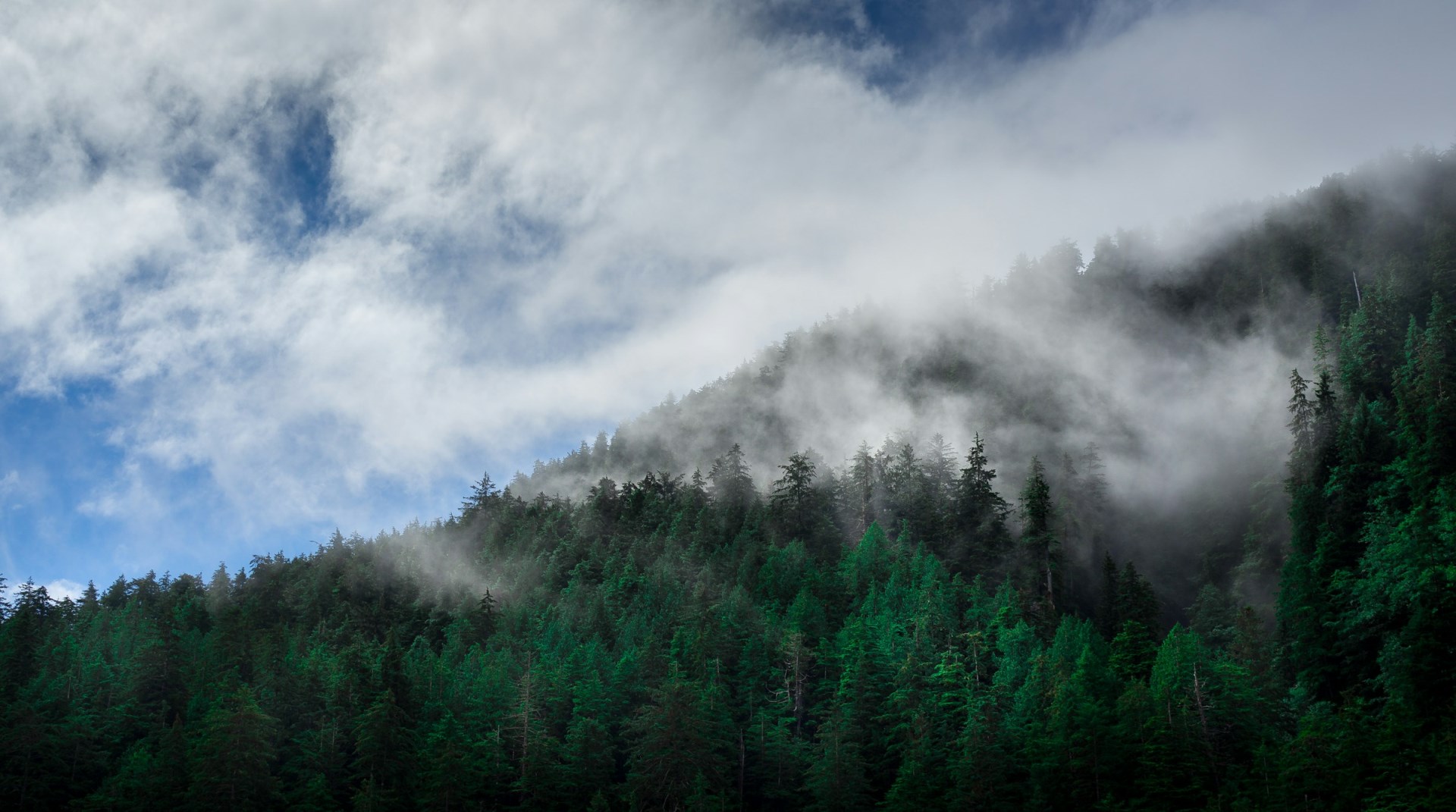
Haida Gwaii
Formerly know as Queen Charlotte Island, this beautiful island is located north of Vancouver Islands along the west coast of British Columbia, Canada. Fishing area with heavy native American culture.

Argentina
Argentina has everything from historical sites to casinos, warm sunny beaches to beautiful scenery. Although first-class accommodations are not available at all locations, the hospitality is one of the friendliest in the world.