Phillip Island
Phillip Island, a serene escape located just 90 minutes from Melbourne, Australia, is a natural wonderland that entices visitors with its stunning coastal landscapes and unique wildlife experiences. The island is most famous for its Penguin Parade, where every evening at sunset, hundreds of little penguins—the smallest penguin species in the world—waddle ashore to their burrows on Summerland Beach.

Pompeii
Pompeii, Italy, is a mesmerizing time capsule that invites travelers to step back into the world of ancient Rome. Once a thriving city, Pompeii was abruptly buried under volcanic ash and pumice following the catastrophic eruption of Mount Vesuvius in 79 AD. This tragic event preserved the city in remarkable detail, allowing visitors today to walk the cobbled streets and witness a snapshot of Roman life, from grand villas and bathhouses to bakeries and amphitheaters.
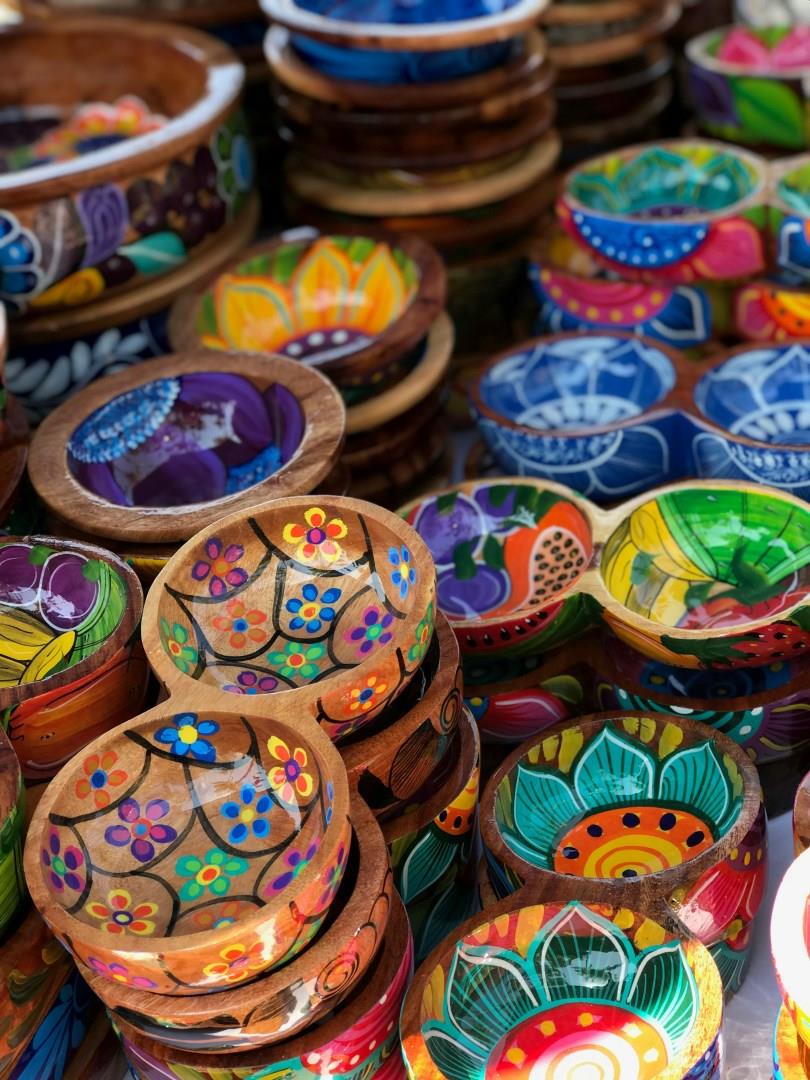
Nuevo Vallarta
Nuevo Vallarta, located along the Bahía de Banderas in the state of Nayarit, is a coastal destination known for its wide, sandy beaches and marina-lined canals. Originally developed as a tourism project in the late 20th century, it has grown into a well-organized resort area with luxury hotels, golf courses, and waterfront condos. Unlike older beach towns with colonial roots, Nuevo Vallarta was designed from the start to offer modern comfort while being surrounded by natural landscapes.
New Castle
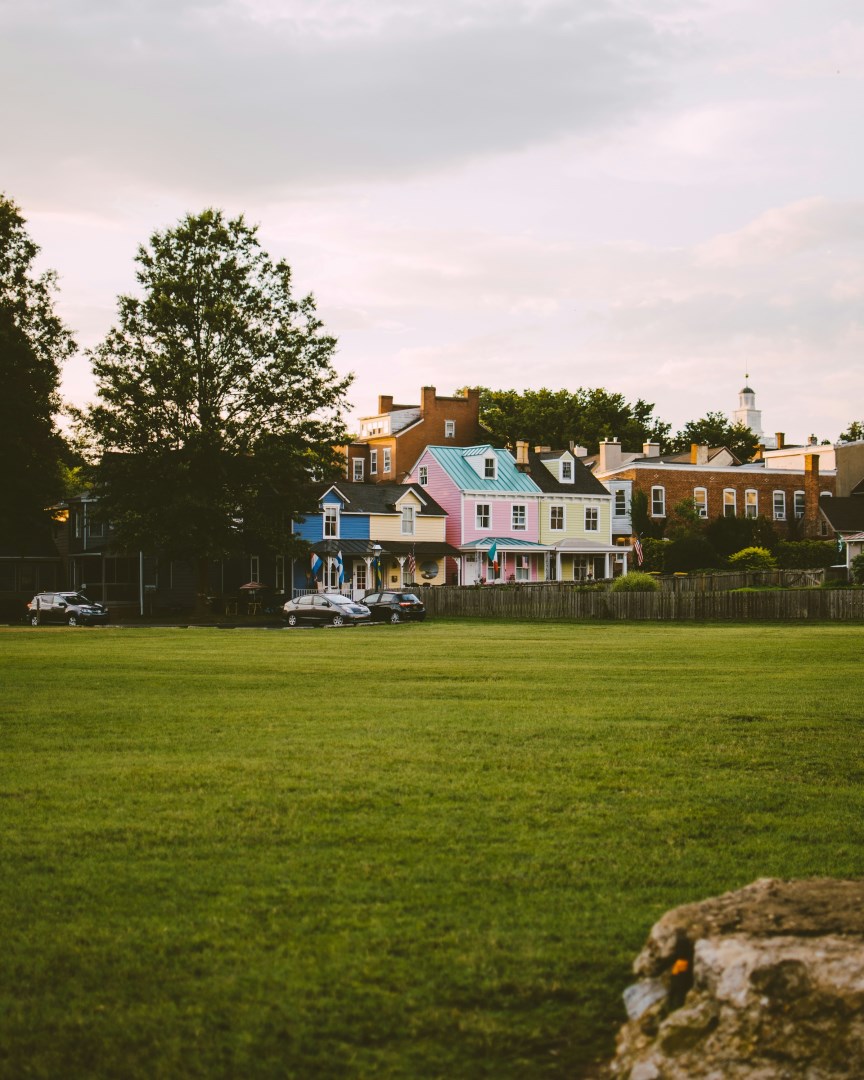
New Castle, Delaware, is a hidden gem for history lovers and anyone seeking a picturesque, colonial-era experience along the Delaware River. Founded in 1651 by the Dutch, New Castle boasts an impressive collection of well-preserved 17th and 18th-century buildings that tell the story of early American history.
Weymouth
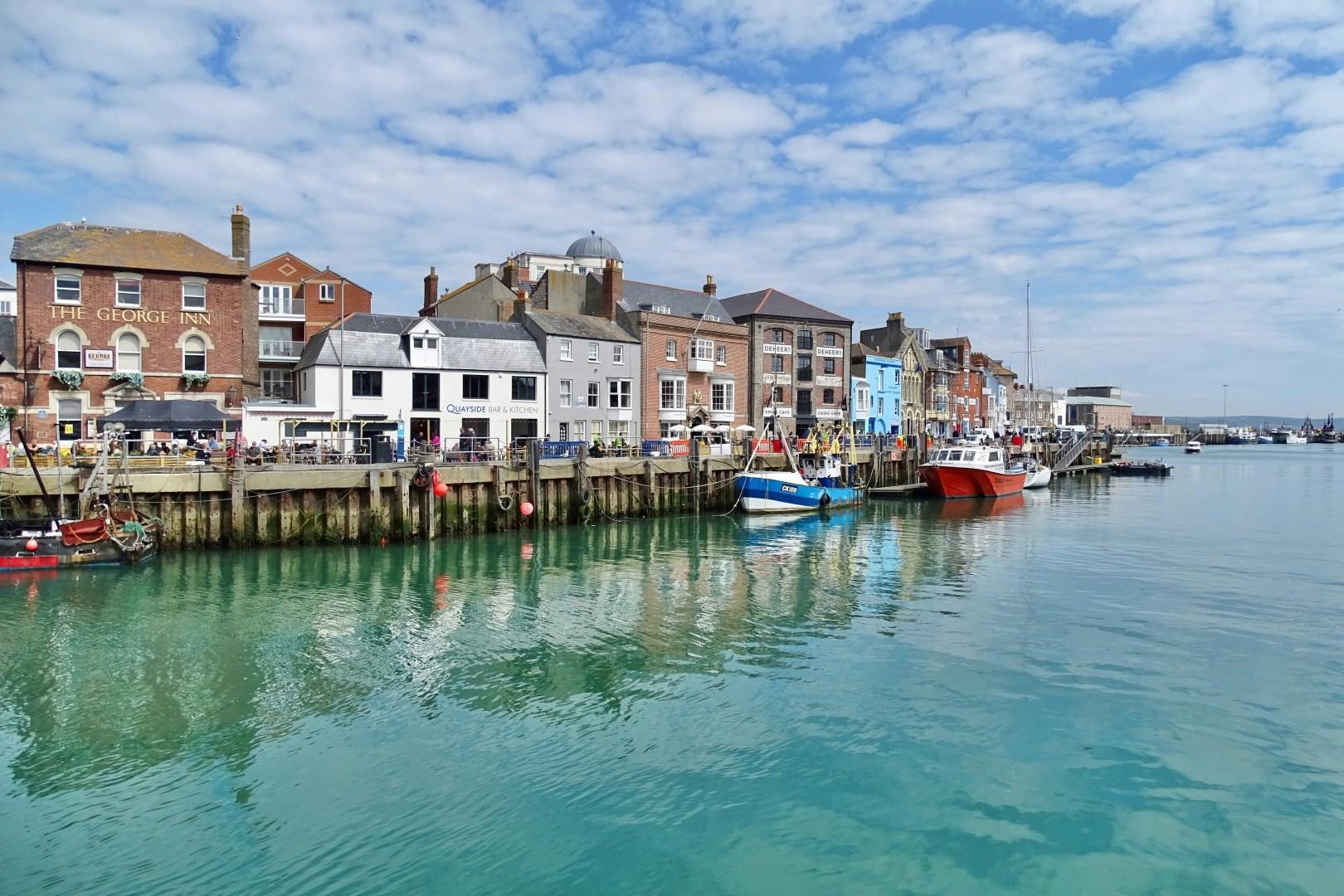
Weymouth is a seaside town on England’s Jurassic Coast, where a long tradition of maritime life meets a relaxed, lived-in shoreline. Its broad sandy beach curves gently around the bay, sheltered by the Isle of Portland, making it one of the south coast’s most approachable places for swimming and coastal walks.