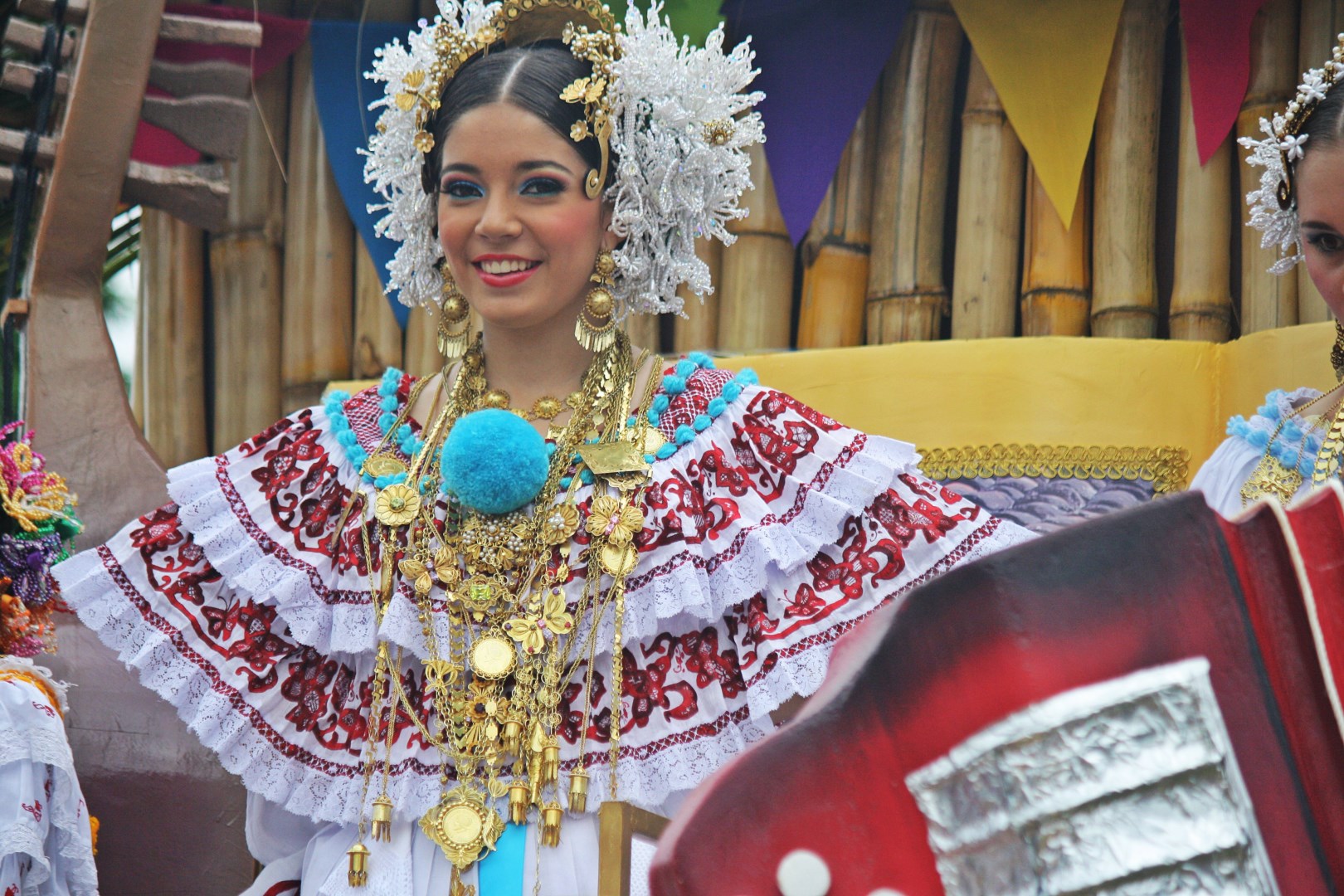
Chitré is a city in central Panama, located on the Azuero Peninsula and serving as the capital of Herrera Province. The cultural identity of Chitré is closely tied to folkloric traditions that remain visible in clothing, music, and public celebrations.
Germany offers a wide range of experiences, shaped by centuries of history, regional traditions, and striking landscapes. In Berlin, the past and present share the same streets. Visitors can walk along remnants of the Berlin Wall and then explore a thriving street art scene in neighborhoods like Kreuzberg and Friedrichshain. The city's Museum Island, a UNESCO World Heritage Site, houses ancient artifacts and 19th-century masterpieces just a short walk from modern coffee shops and rooftop bars.
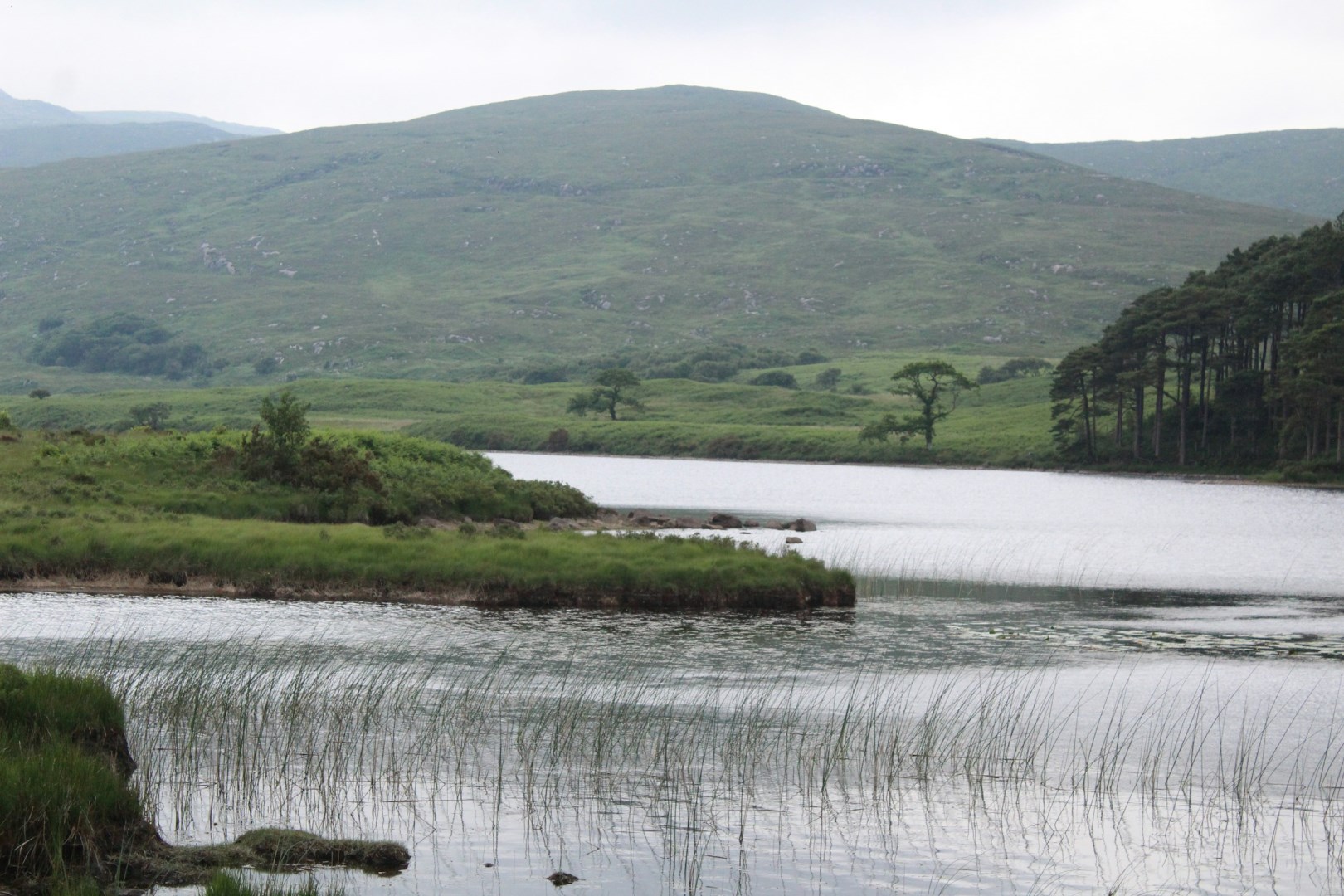
Letterkenny, the largest town in County Donegal, Ireland, is a vibrant hub where traditional charm meets modern amenities. Set amidst the picturesque landscapes of Donegal, Letterkenny serves as a gateway to the rugged beauty of the Wild Atlantic Way. This bustling town offers a mix of cultural attractions, outdoor activities, and local charm that will captivate any traveler.
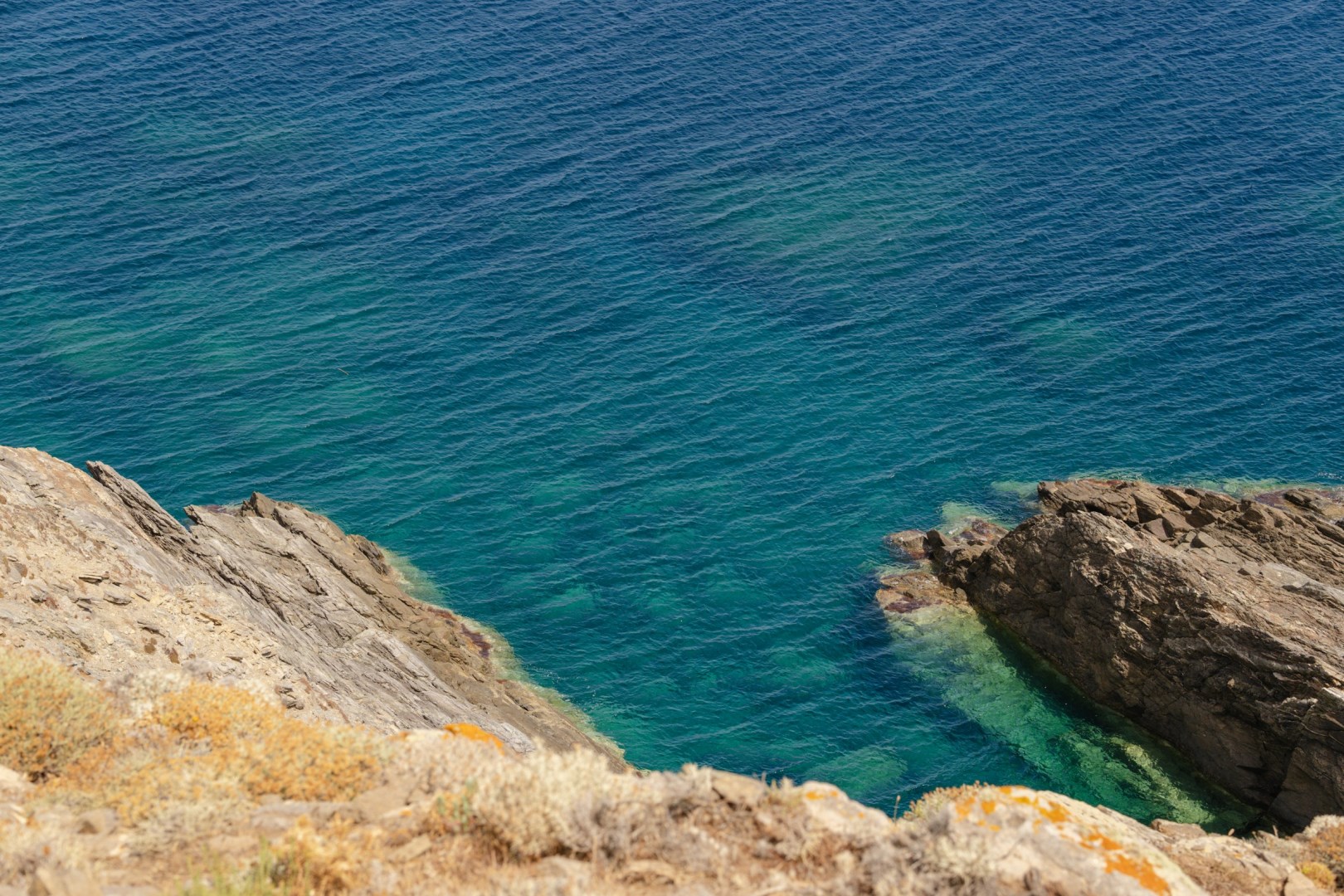
Porto Torres is a city in northern Sardinia, situated on the bay of the Gulf of Asinara. It is home to a number of historical sights: the Basilica of San Gavino, an 11th-century Romanesque church, the largest in Sardinia; the necropolis of Su Crucifissu Mannu, an archaeological site from the Neolithic age; the remains of the Roman bridge on the Rio Mannu; and the ancient megalithic edifices known as nuraghi which have become a symbol of the Sardinian region.

Jean Lafitte National Historical Park and Preserve
Jean Lafitte National Historical Park and Preserve spans six distinct sites across south Louisiana, linking wetlands, battlefields, cultural centers, and historic neighborhoods into one broad interpretation of the lower Mississippi River Delta. Its landscape ranges from the swamps and marshes of Barataria Preserve to the urban setting of the French Quarter Visitor Center in New Orleans.
Photo Credit: Photo by rebecca stremitzer on Unsplash
Photo Credit: Photo by Joanna on Unsplash
Photo Credit: Photo by Fabiana Rizzi on Unsplash
Photo Credit: Photo by Patrycja Mancewicz on Unsplash
Photo Credit: Photo by Meg von Haartman on Unsplash
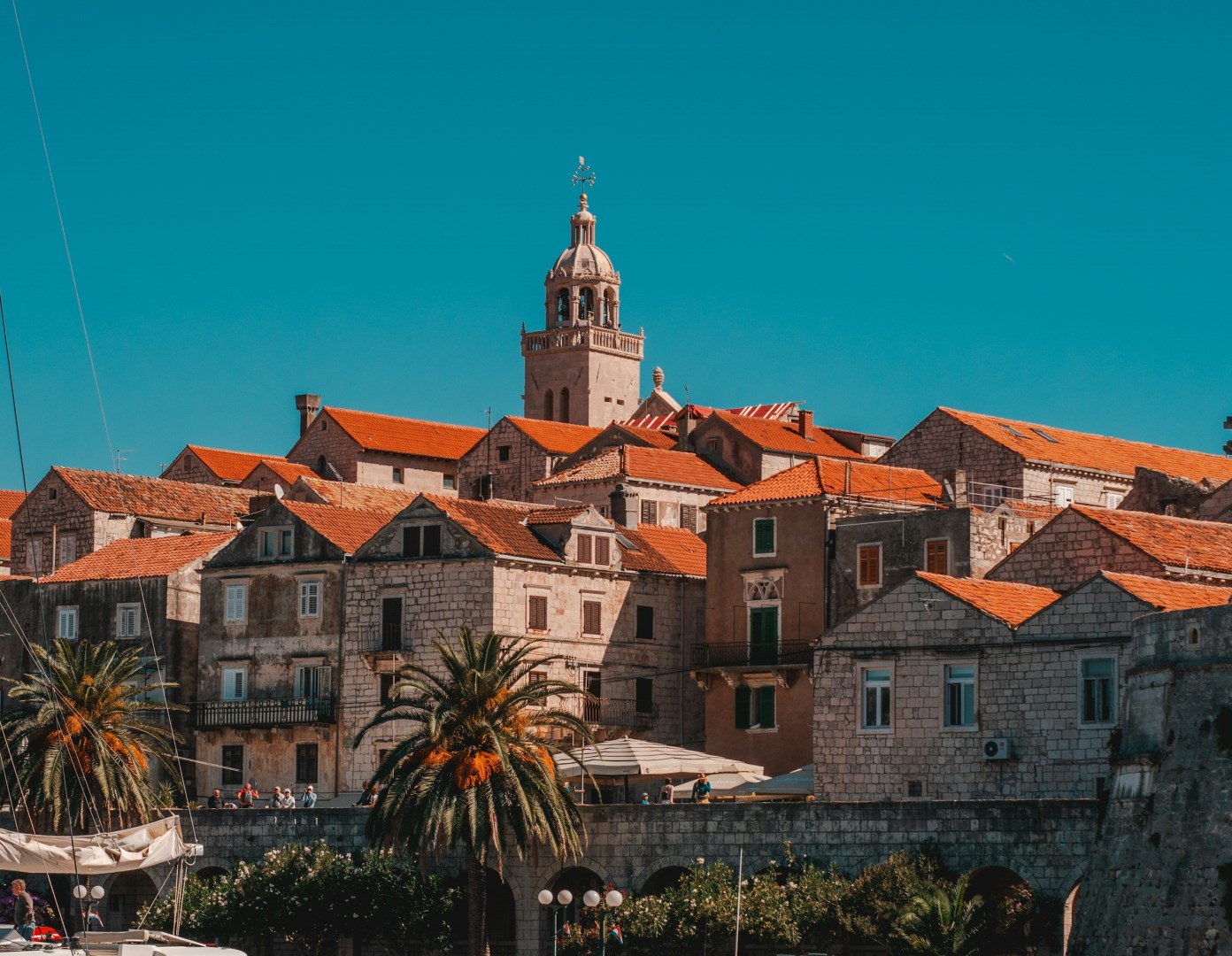
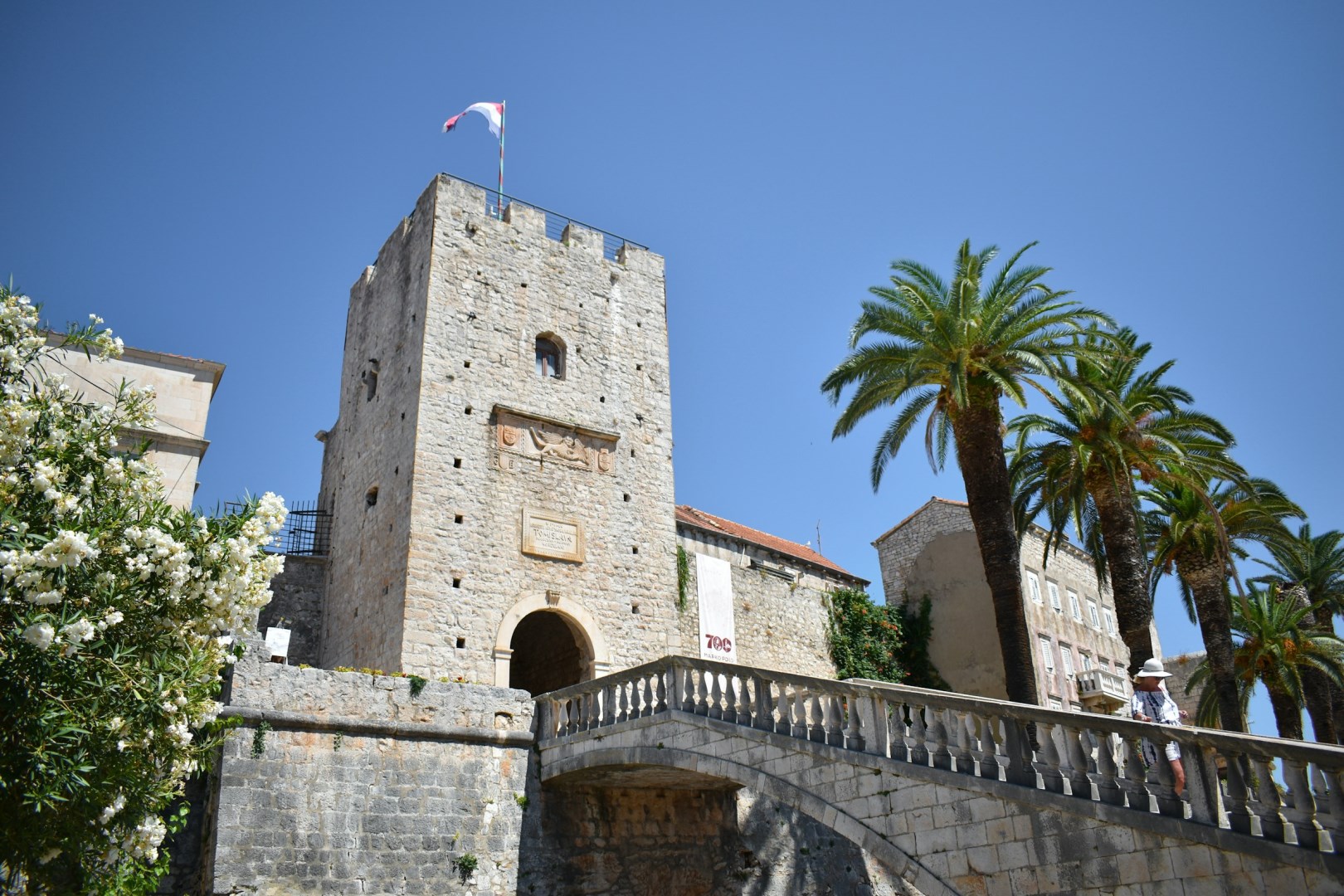
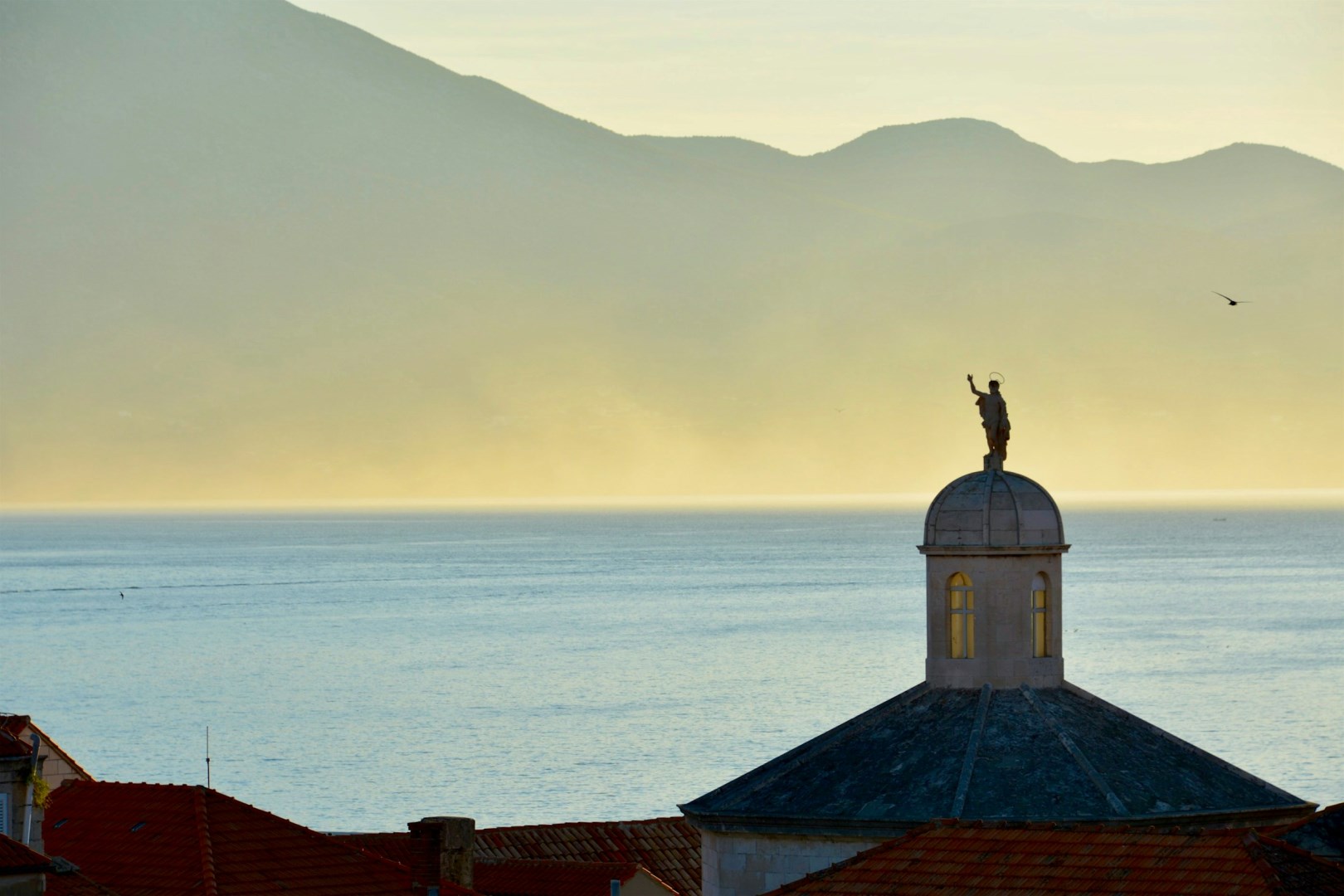
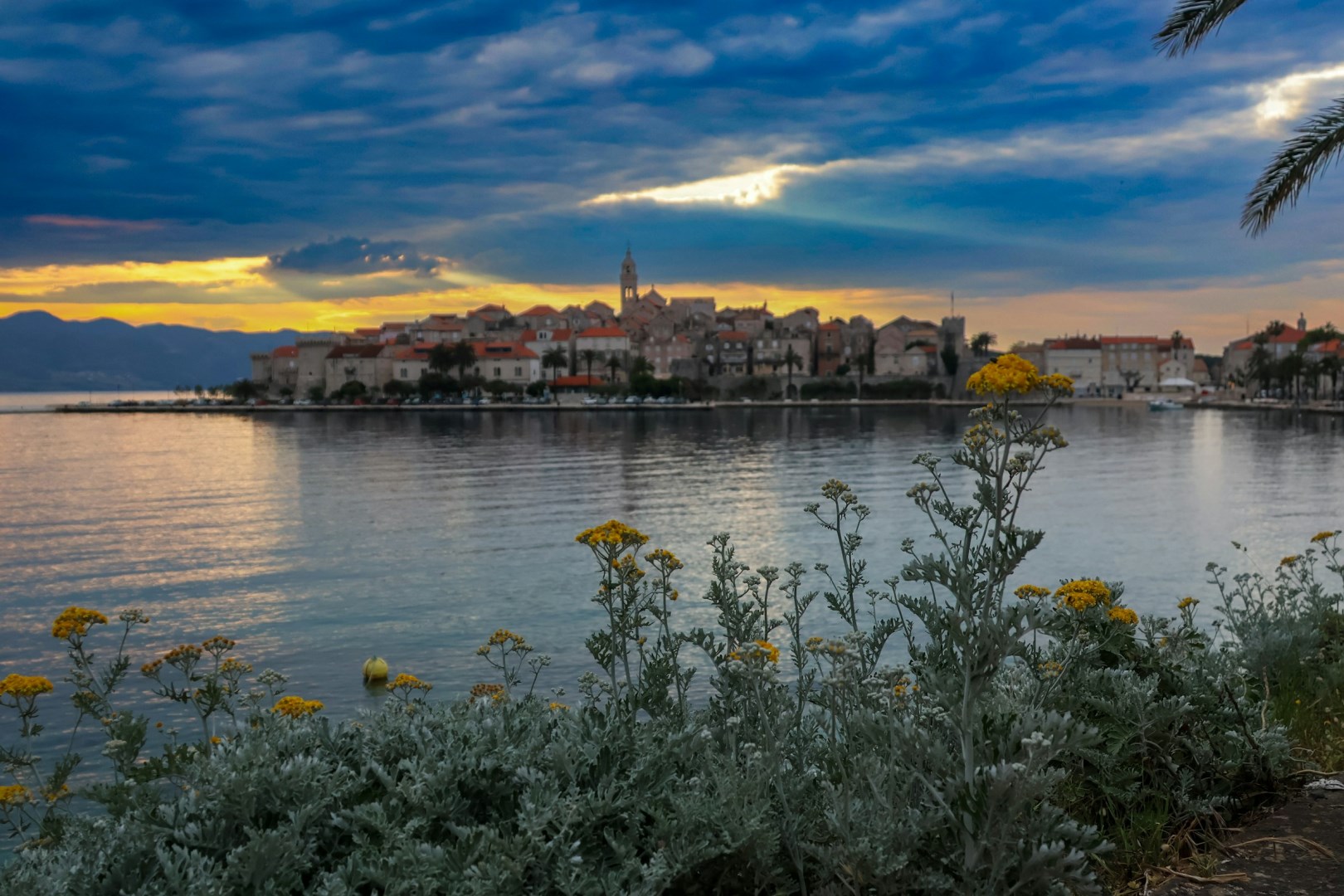
Korčula, a jewel in Croatia's Adriatic Sea, invites visitors to immerse themselves in its rich history and stunning natural beauty. Often referred to as "Little Dubrovnik," the city boasts well-preserved medieval architecture, narrow cobblestone streets, and a fortified old town encircled by ancient walls. This picturesque city is renowned for its blend of Venetian and local architectural styles, epitomized by landmarks like St. Mark's Cathedral and the impressive City Walls.
The birthplace of Marco Polo, Korčula offers a compelling glimpse into the life of this famous explorer. The Marco Polo Museum in the heart of the old town explores his travels and legacy, providing a fascinating insight into how this small island city influenced one of history's greatest adventurers (source). Walking through Korčula’s historic center feels like stepping back in time, with its charming squares, Gothic and Renaissance buildings, and quaint shops selling local crafts and wines.
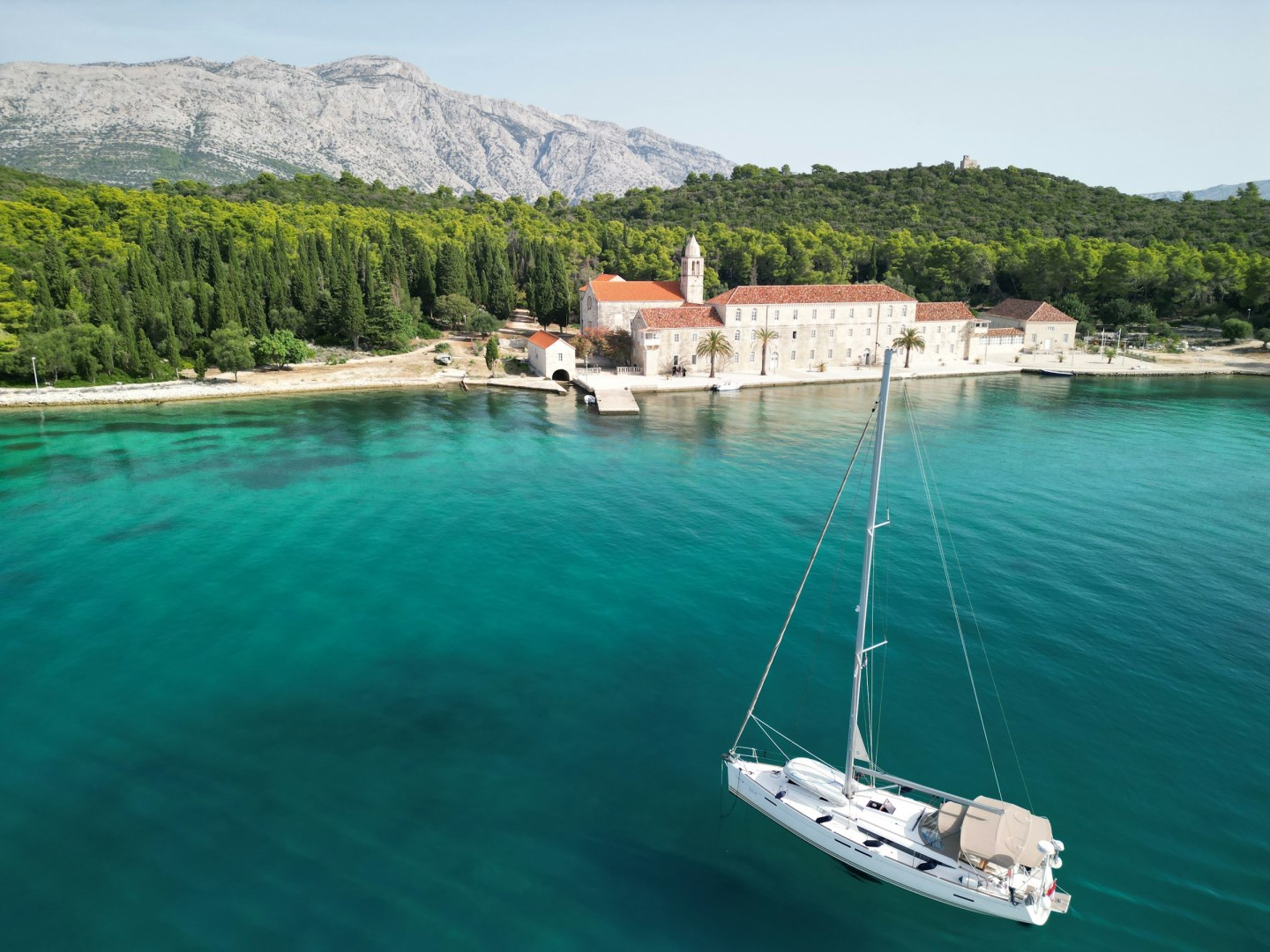
Korčula is also celebrated for its vibrant cultural scene and traditional events. The island hosts various festivals throughout the year, including the Moreska Sword Dance, a centuries-old performance reflecting local folklore and martial traditions. In addition to its historical and cultural allure, Korčula’s crystal-clear waters and scenic beaches make it an ideal destination for relaxation and outdoor activities, such as swimming, sailing, and hiking.
Whether you’re intrigued by its historical connections, enchanted by its medieval charm, or eager to explore its beautiful coastlines, Korčula offers a memorable experience that captures the essence of Croatia’s cultural and natural splendor.
Other Popular Destinations in Croatia
Dubrovnik
Dubrovnik, often hailed as the "Pearl of the Adriatic," is a city where history and stunning natural beauty converge. Enclosed within its ancient city walls, which are a UNESCO World Heritage Site, you’ll find a captivating blend of medieval architecture and vibrant culture. The city's Old Town is a maze of cobblestone streets, lined with baroque churches, Renaissance buildings, and charming squares.
Split
Split, Croatia, is a city where ancient history and modern vibrancy blend seamlessly, creating an alluring destination for travelers. At the heart of Split is the UNESCO World Heritage Site of Diocletian's Palace, a remarkably well-preserved Roman complex built by Emperor Diocletian in the 4th century AD. This sprawling palace complex, with its labyrinthine streets, ancient walls, and grand Peristyle courtyard, is not just a historical site but a bustling part of the city’s daily life.