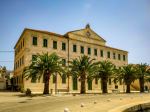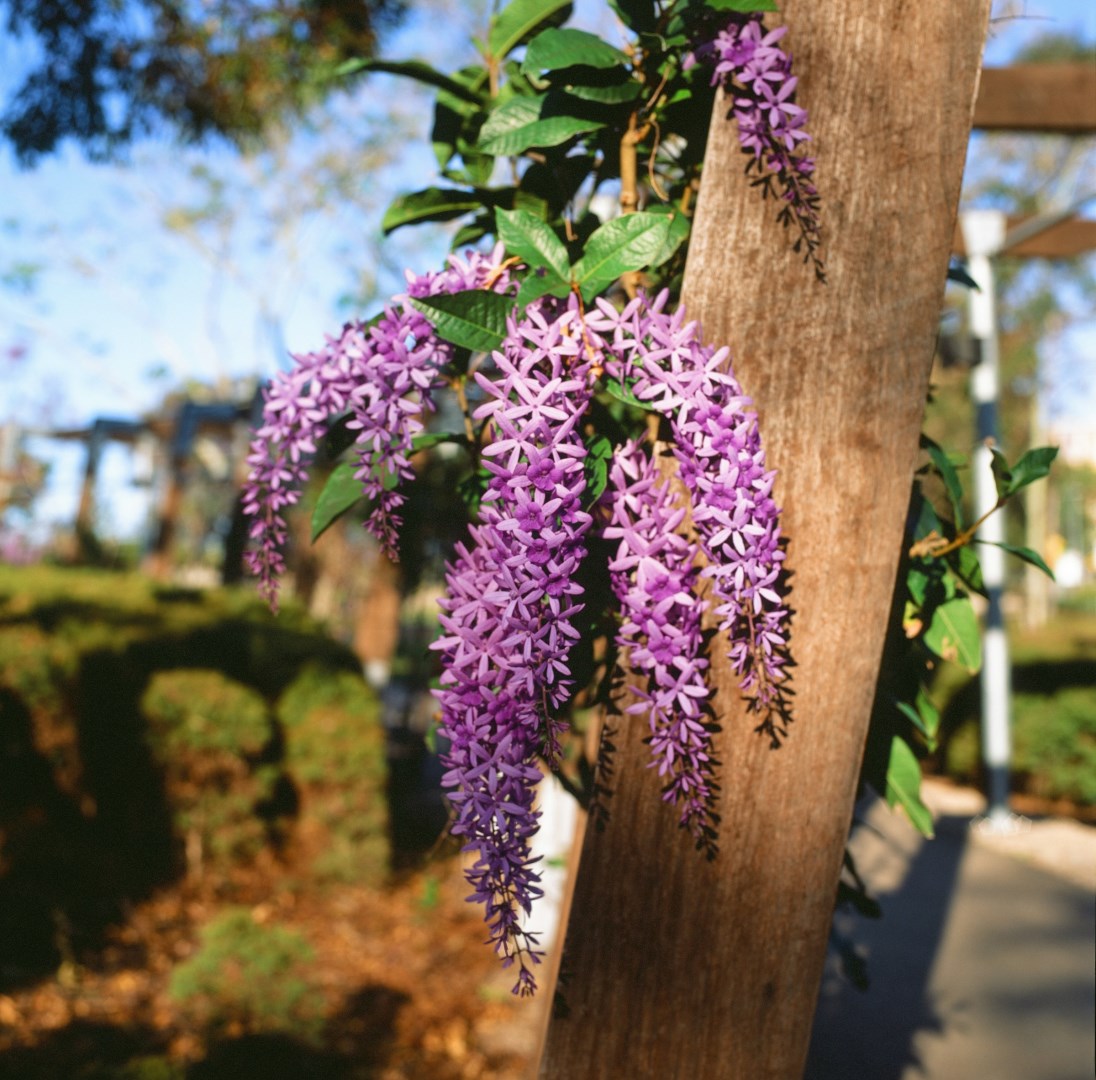
St Lucia is a riverside suburb of Brisbane, Queensland, located about seven kilometres southwest of the city centre on a peninsula surrounded on several sides by the Brisbane River. The suburb combines established residential streets, riverfront spaces, leafy vegetation, local shops, and the large campus of The University of Queensland. The university occupies much of the eastern part of St Lucia, while residential neighbourhoods extend across the western and central areas.
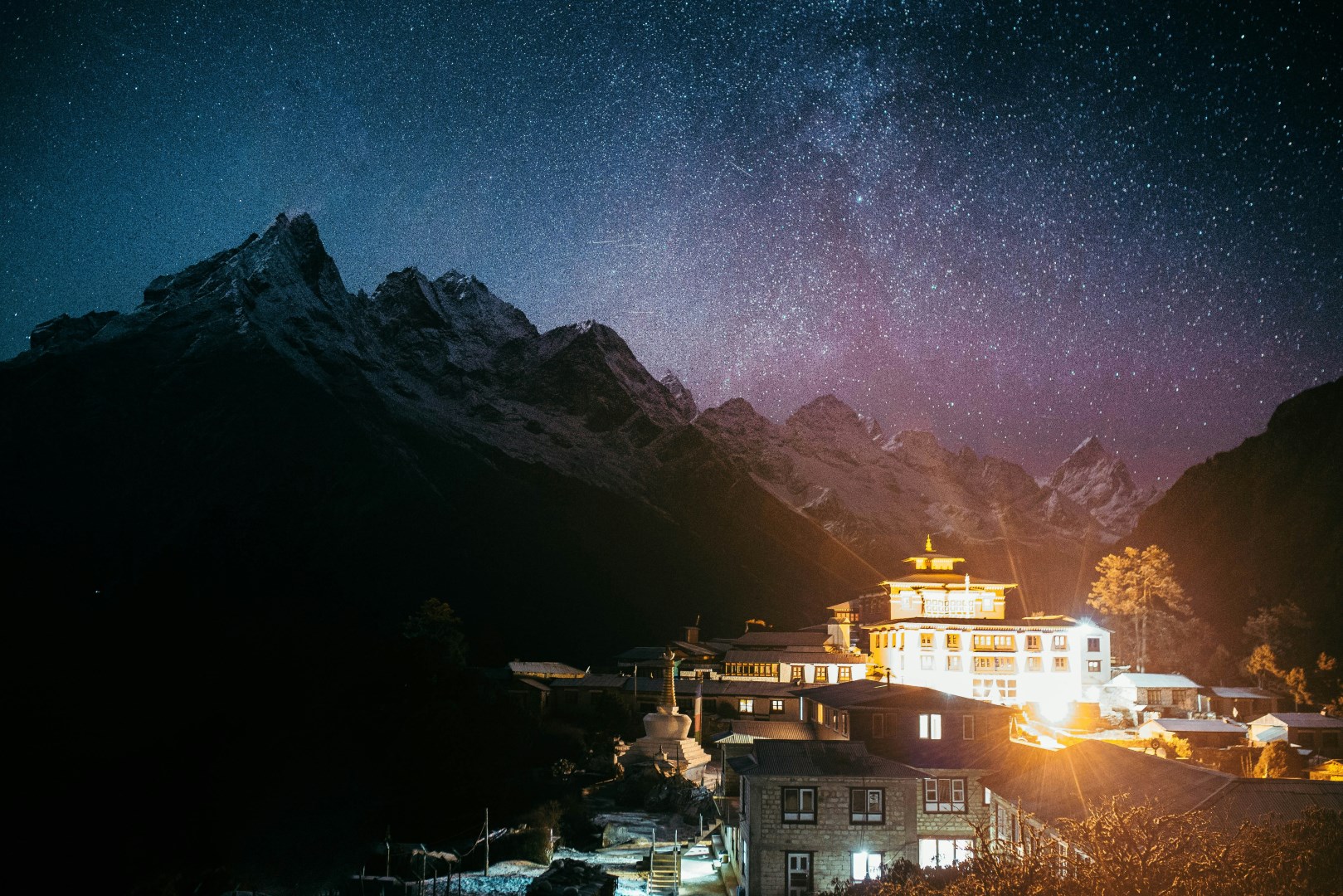
Perched on a ridge overlooking the Dudh Koshi River valley, Tengboche is home to one of the most iconic monasteries in the Himalayas. The Tengboche Monastery dominates the skyline, its whitewashed walls and golden roof visible from miles around. Surrounded by towering peaks such as Ama Dablam, Kangtega, and Thamserku, the village offers visitors sweeping panoramas and a sense of quiet reflection high in the mountains.
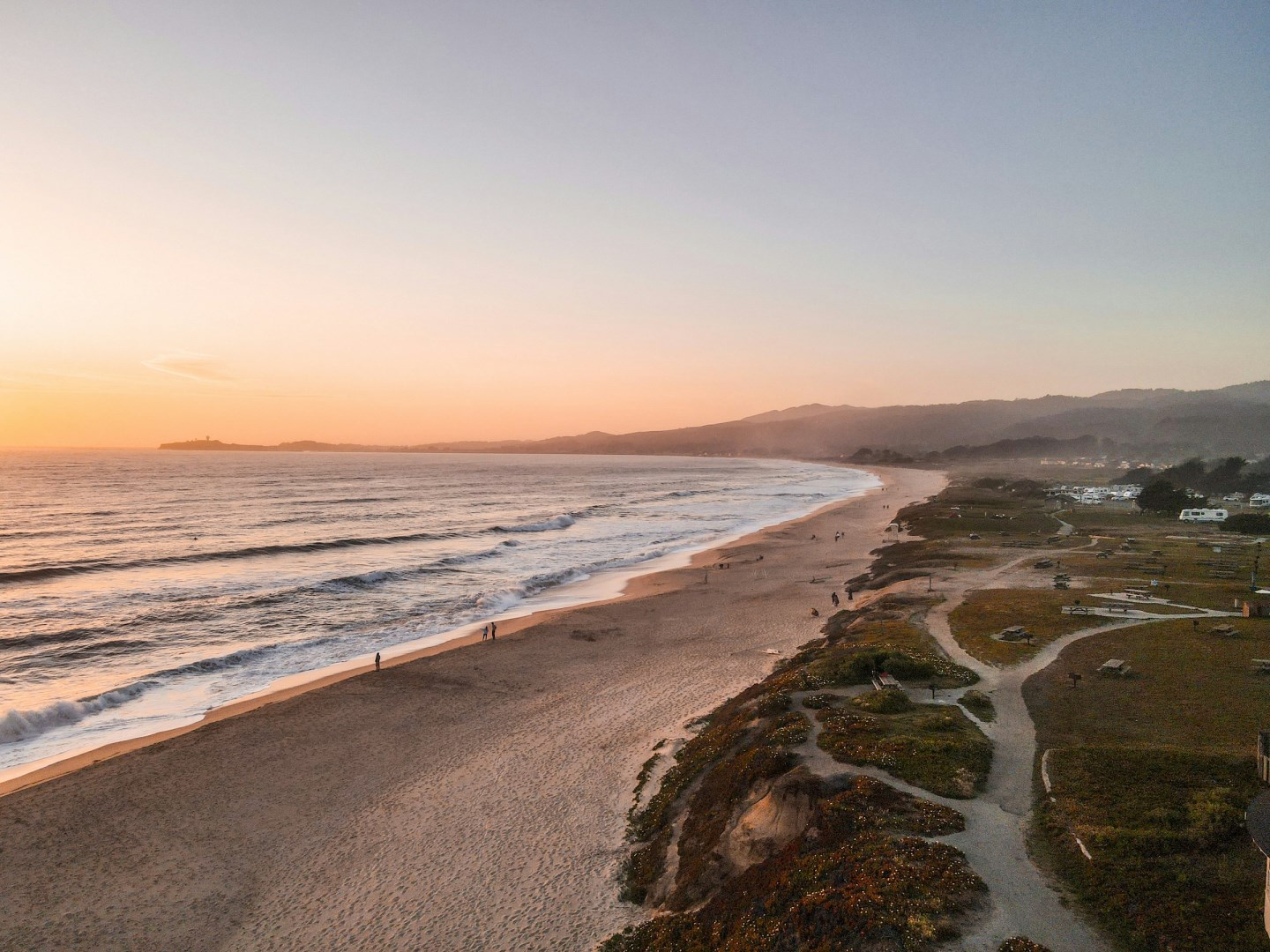
Half Moon Bay is a coastal city on California’s San Mateo County coast, located south of San Francisco along a broad curve of the Pacific shoreline. The community is surrounded by agricultural land, coastal bluffs, sandy beaches, and rolling hills, with the Santa Cruz Mountains rising inland.
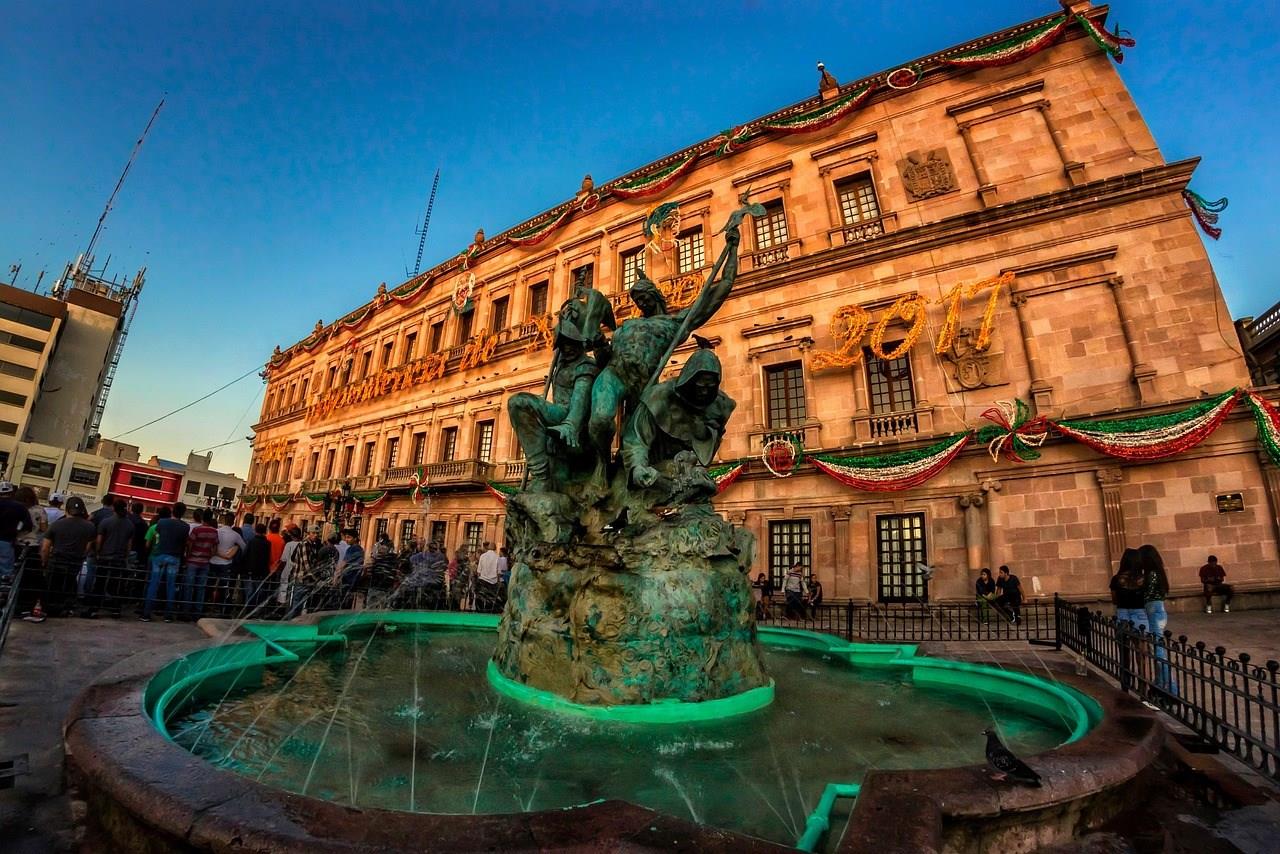
Saltillo, the capital of Coahuila, blends centuries of tradition with a quiet confidence that rewards travelers looking for something different. Founded in 1577, the city’s colonial heritage is on full display in its well-preserved downtown, where the Catedral de Santiago towers above Plaza de Armas. Just steps away, the Alameda Zaragoza park offers shaded paths and fountains, providing a peaceful break between stops at nearby museums.
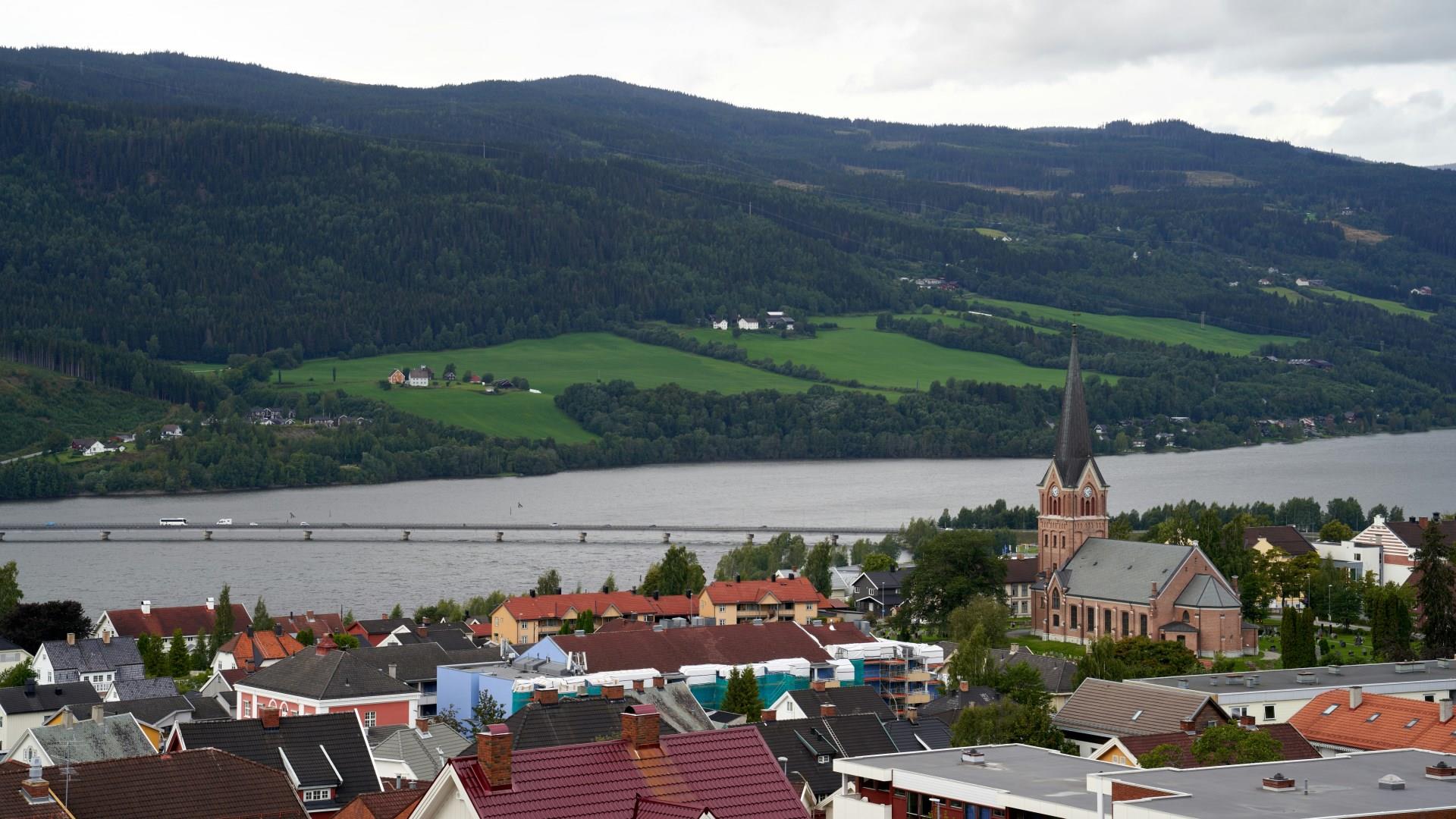
Lillehammer, nestled along the northern shores of Norway’s Lake Mjøsa and framed by pine-covered hills, is a town that blends natural beauty with cultural richness. Famous for hosting the 1994 Winter Olympics, Lillehammer has leveraged its global spotlight to cultivate attractions that celebrate both its sporting legacy and artistic heritage.
Photo Credit: Photo by rebecca stremitzer on Unsplash
Photo Credit: Photo by Joanna on Unsplash
Photo Credit: Photo by Fabiana Rizzi on Unsplash
Photo Credit: Photo by Patrycja Mancewicz on Unsplash
Photo Credit: Photo by Meg von Haartman on Unsplash
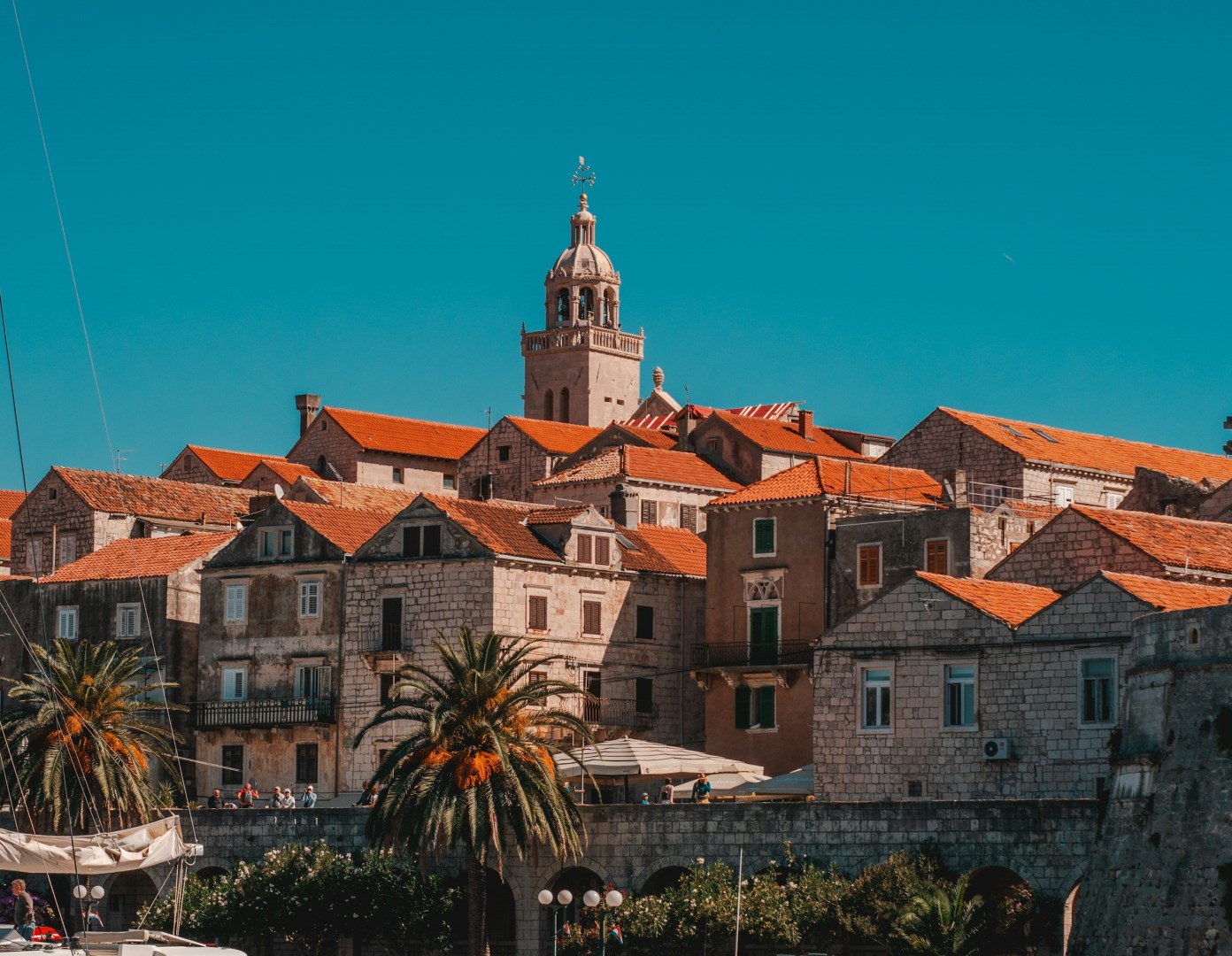
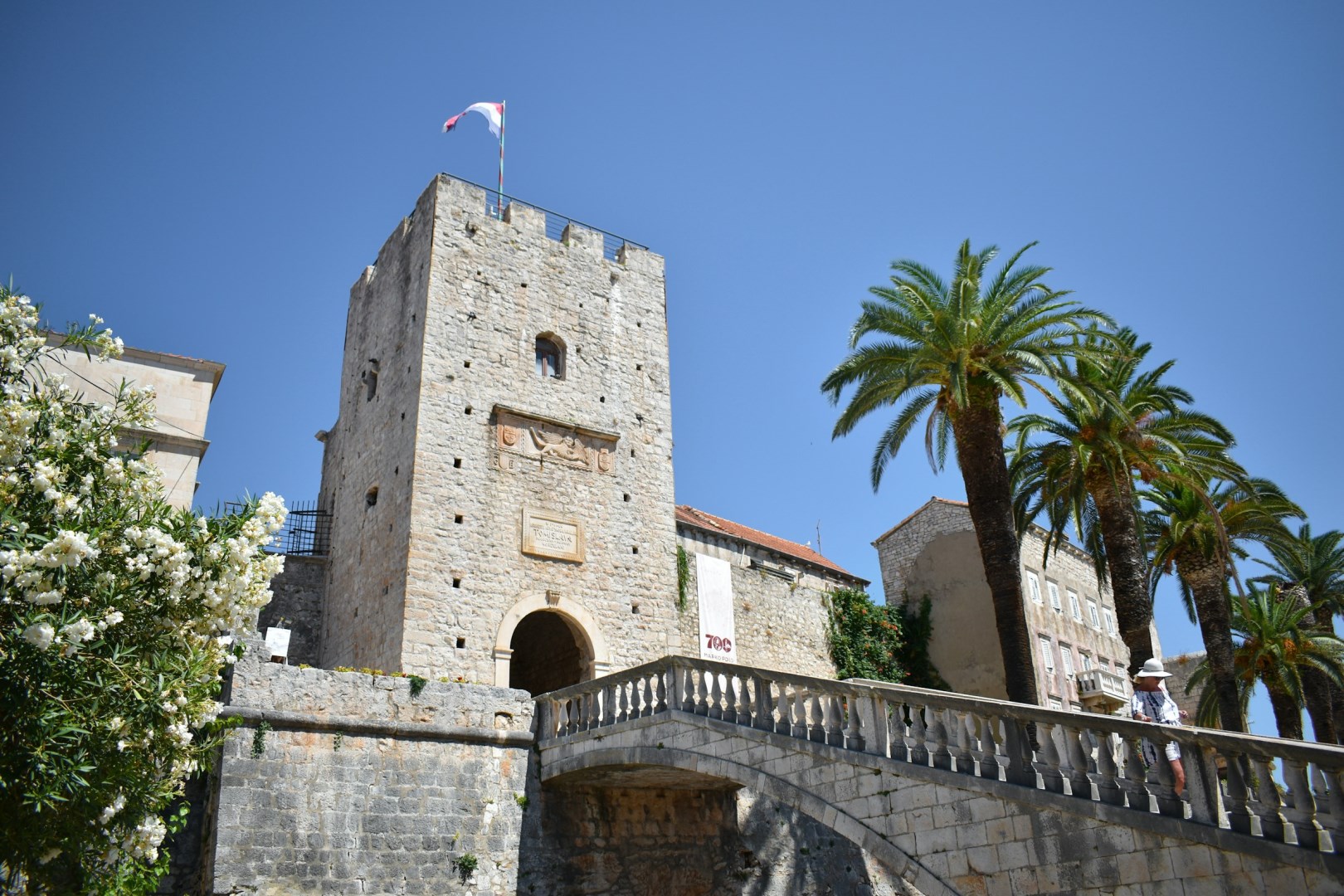
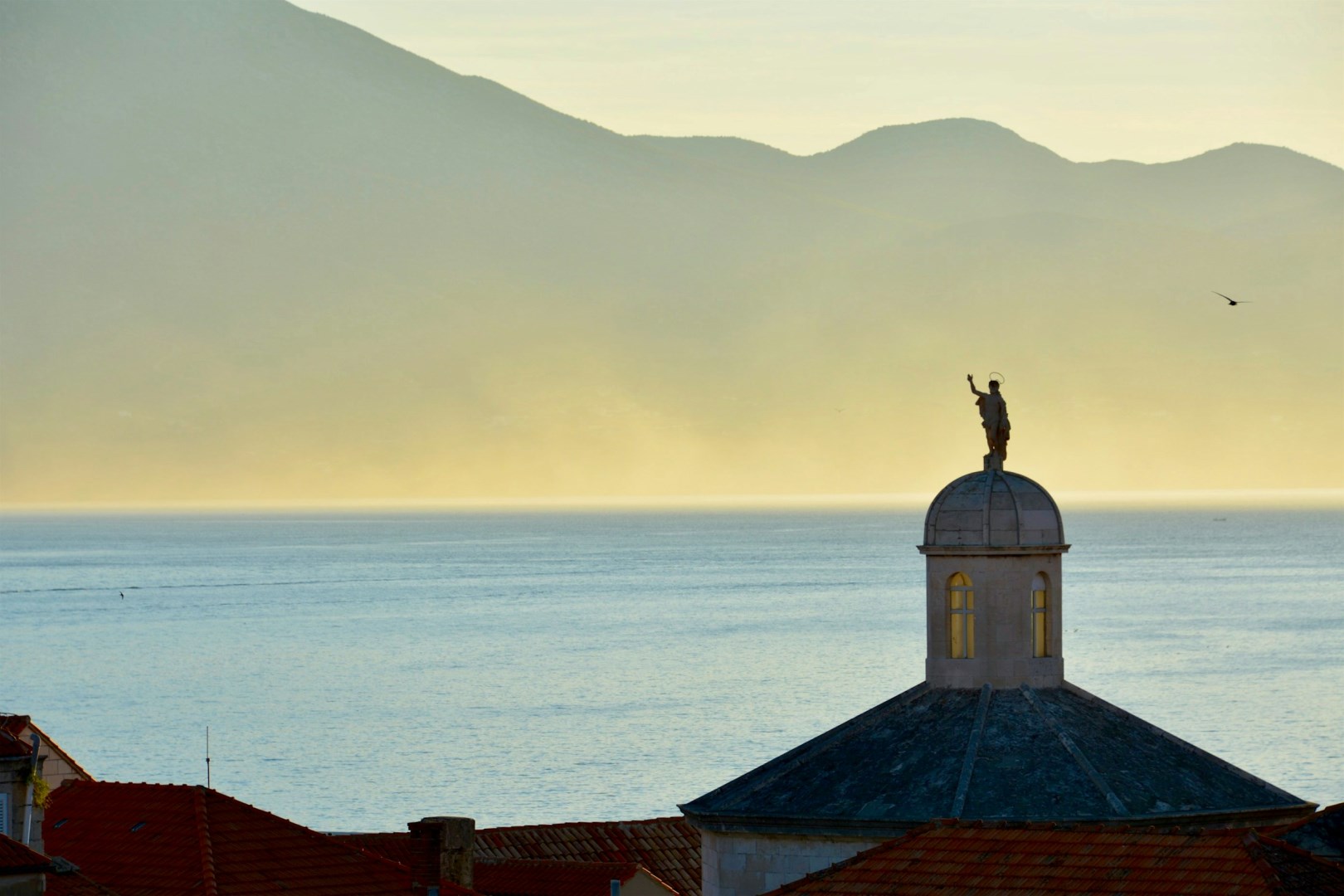
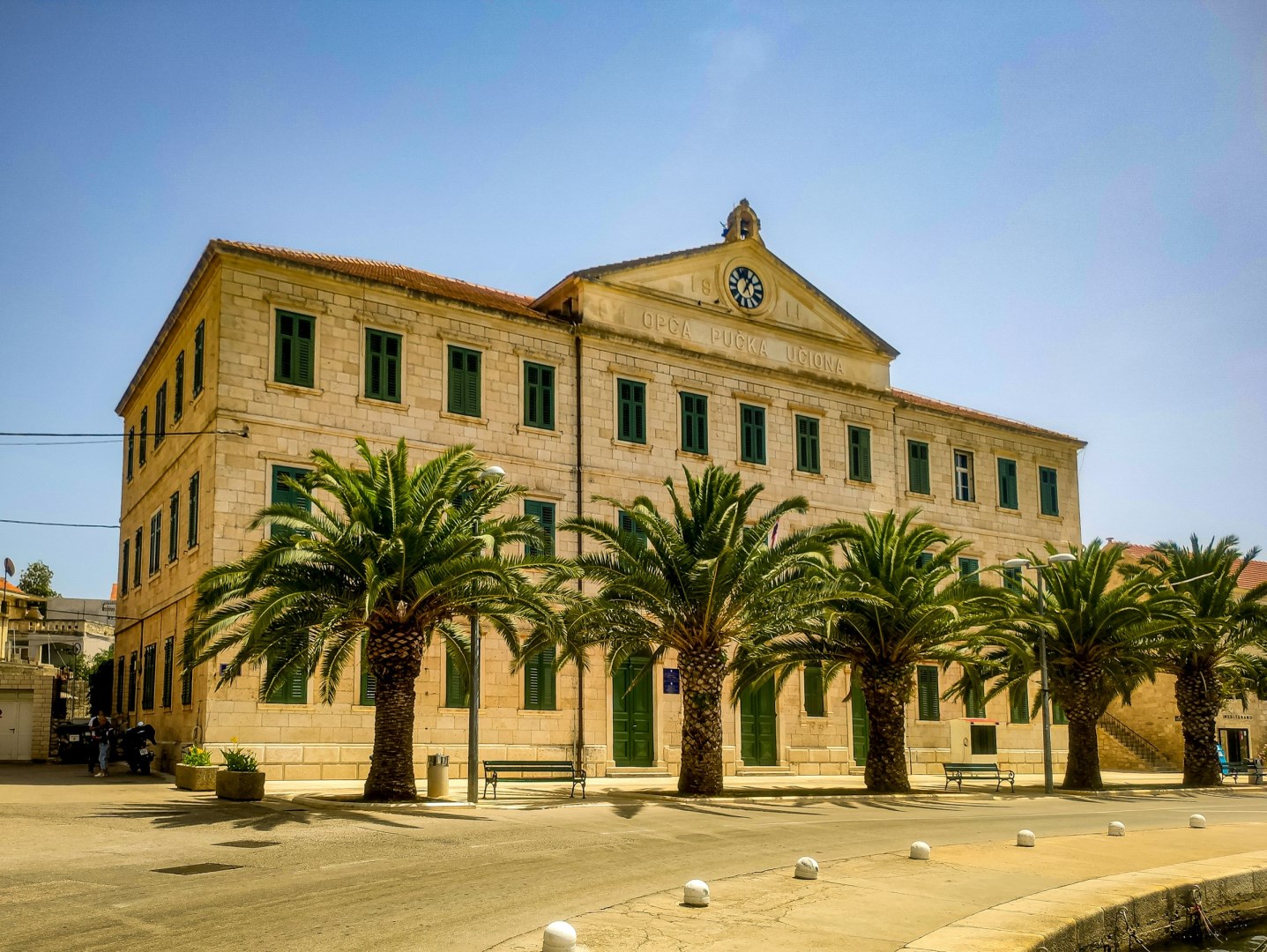
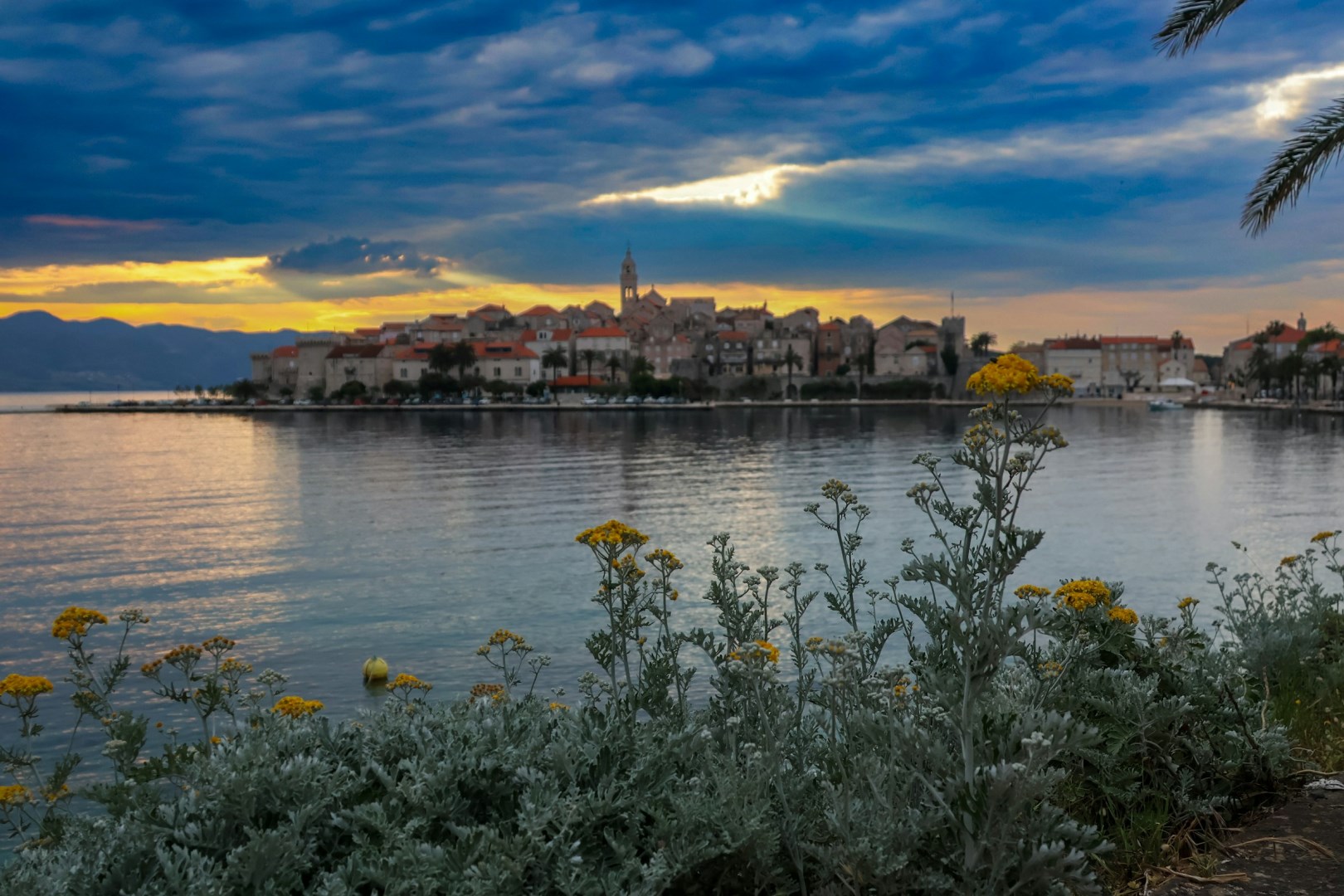
Korčula, a jewel in Croatia's Adriatic Sea, invites visitors to immerse themselves in its rich history and stunning natural beauty. Often referred to as "Little Dubrovnik," the city boasts well-preserved medieval architecture, narrow cobblestone streets, and a fortified old town encircled by ancient walls. This picturesque city is renowned for its blend of Venetian and local architectural styles, epitomized by landmarks like St. Mark's Cathedral and the impressive City Walls.
The birthplace of Marco Polo, Korčula offers a compelling glimpse into the life of this famous explorer. The Marco Polo Museum in the heart of the old town explores his travels and legacy, providing a fascinating insight into how this small island city influenced one of history's greatest adventurers (source). Walking through Korčula’s historic center feels like stepping back in time, with its charming squares, Gothic and Renaissance buildings, and quaint shops selling local crafts and wines.
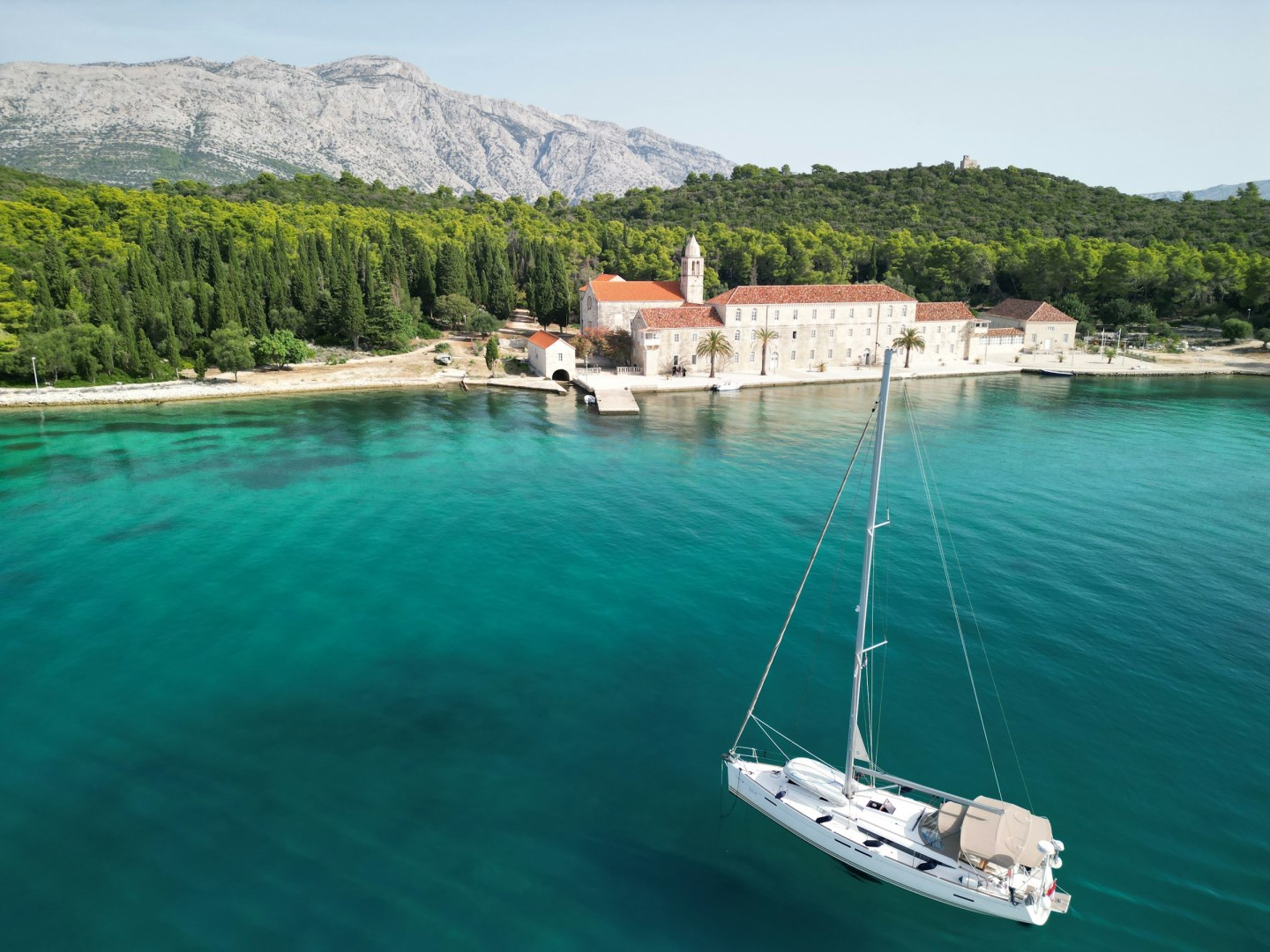
Korčula is also celebrated for its vibrant cultural scene and traditional events. The island hosts various festivals throughout the year, including the Moreska Sword Dance, a centuries-old performance reflecting local folklore and martial traditions. In addition to its historical and cultural allure, Korčula’s crystal-clear waters and scenic beaches make it an ideal destination for relaxation and outdoor activities, such as swimming, sailing, and hiking.
Whether you’re intrigued by its historical connections, enchanted by its medieval charm, or eager to explore its beautiful coastlines, Korčula offers a memorable experience that captures the essence of Croatia’s cultural and natural splendor.
Other Popular Destinations in Croatia
Dubrovnik
Dubrovnik, often hailed as the "Pearl of the Adriatic," is a city where history and stunning natural beauty converge. Enclosed within its ancient city walls, which are a UNESCO World Heritage Site, you’ll find a captivating blend of medieval architecture and vibrant culture. The city's Old Town is a maze of cobblestone streets, lined with baroque churches, Renaissance buildings, and charming squares.
Split
Split, Croatia, is a city where ancient history and modern vibrancy blend seamlessly, creating an alluring destination for travelers. At the heart of Split is the UNESCO World Heritage Site of Diocletian's Palace, a remarkably well-preserved Roman complex built by Emperor Diocletian in the 4th century AD. This sprawling palace complex, with its labyrinthine streets, ancient walls, and grand Peristyle courtyard, is not just a historical site but a bustling part of the city’s daily life.