Heringsdorf
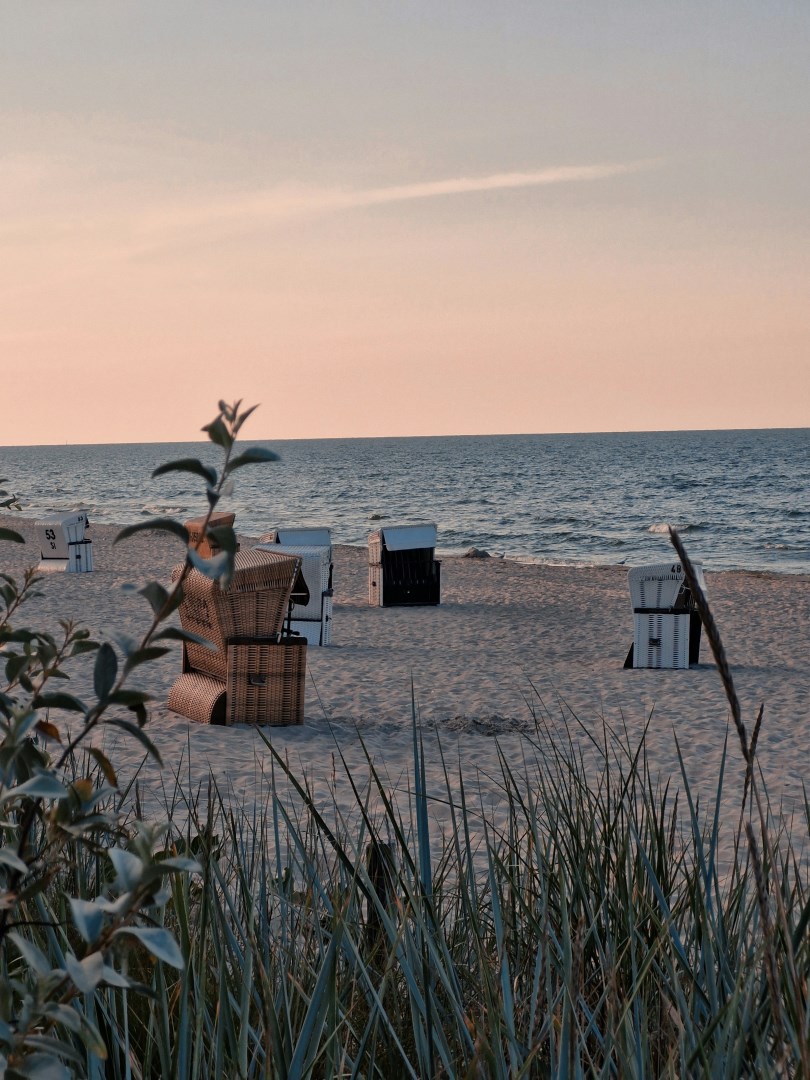
Heringsdorf on the Island of Usedom the second largest island of Germany, is one of the sea resort towns which has been able to preserve the charms of a splendid past. Seemingly endless white sandy beaches, the impressive piers of the 3 imperial resort towns, villas along the beach promenade and a charming hinterland all characterise this town and this island.
Moshi
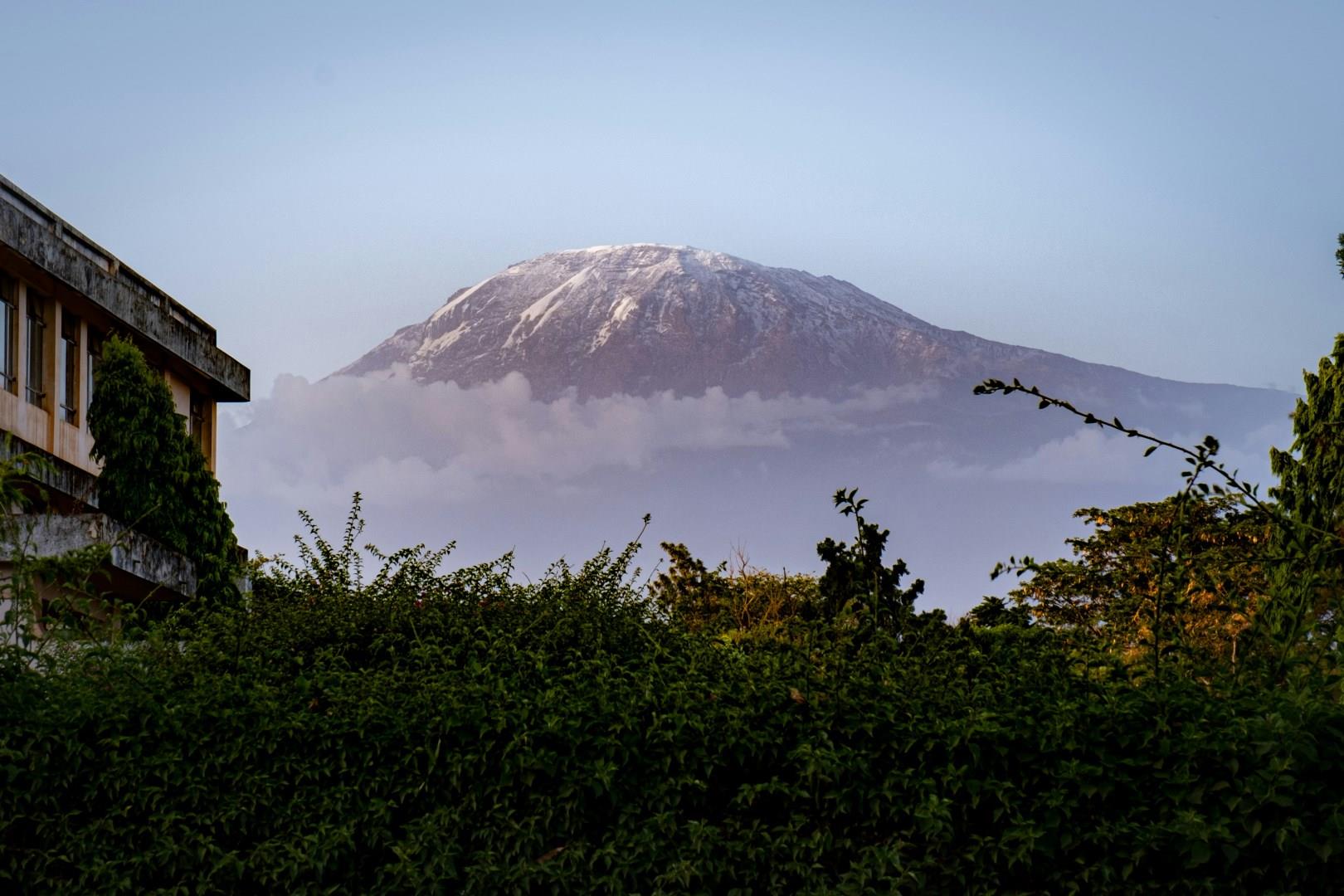
Moshi sits on the southern slopes of Mount Kilimanjaro in northern Tanzania, shaped by both Chagga culture and its role as a crossroads for trade and travel.
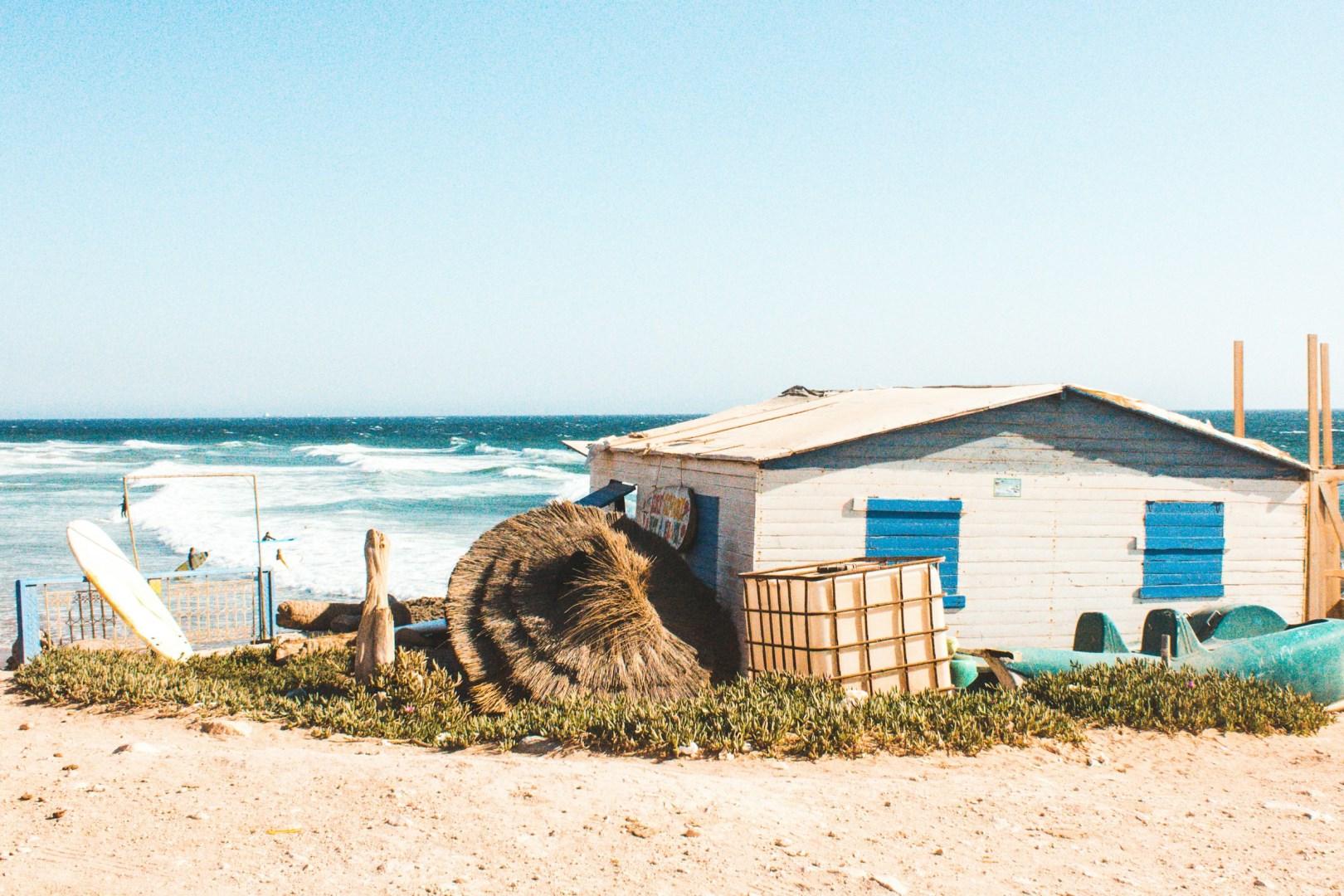
Tamraght
Tamraght is a small coastal village in Morocco’s Souss-Massa region, located between Agadir and Taghazout above the Atlantic Ocean. The village sits on a hillside overlooking a coastline known for sandy beaches, rocky headlands, and reliable surf. Its setting also includes green banana plantations and argan trees around the nearby valleys, creating a noticeable contrast with the dry hills farther inland.

Bonifacio Corsica
Bonifacio is located at the southernmost tip of the island of Corsica. The town towers above the "Bouches de Bonifacio" the strait between Corsica and Sardinia, above islands and reefs. Bonifacio has survived a unique history, founded in 833, and somehow has defied time and events.
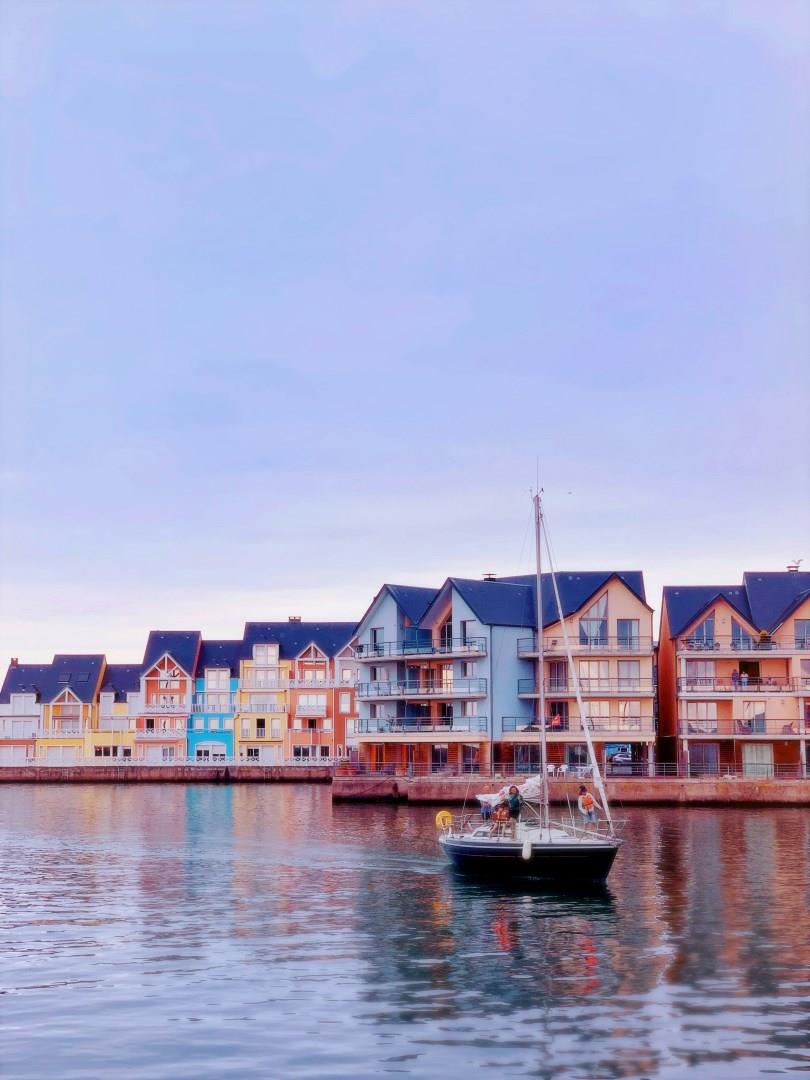
Deauville
Deauville sits on the Normandy coast of northern France and has long been associated with seaside leisure, elegance, and cultural life. Developed in the mid-19th century as a resort for Parisian society, the town quickly became a place where architecture, fashion, and social rituals shaped its identity.