Larnaca
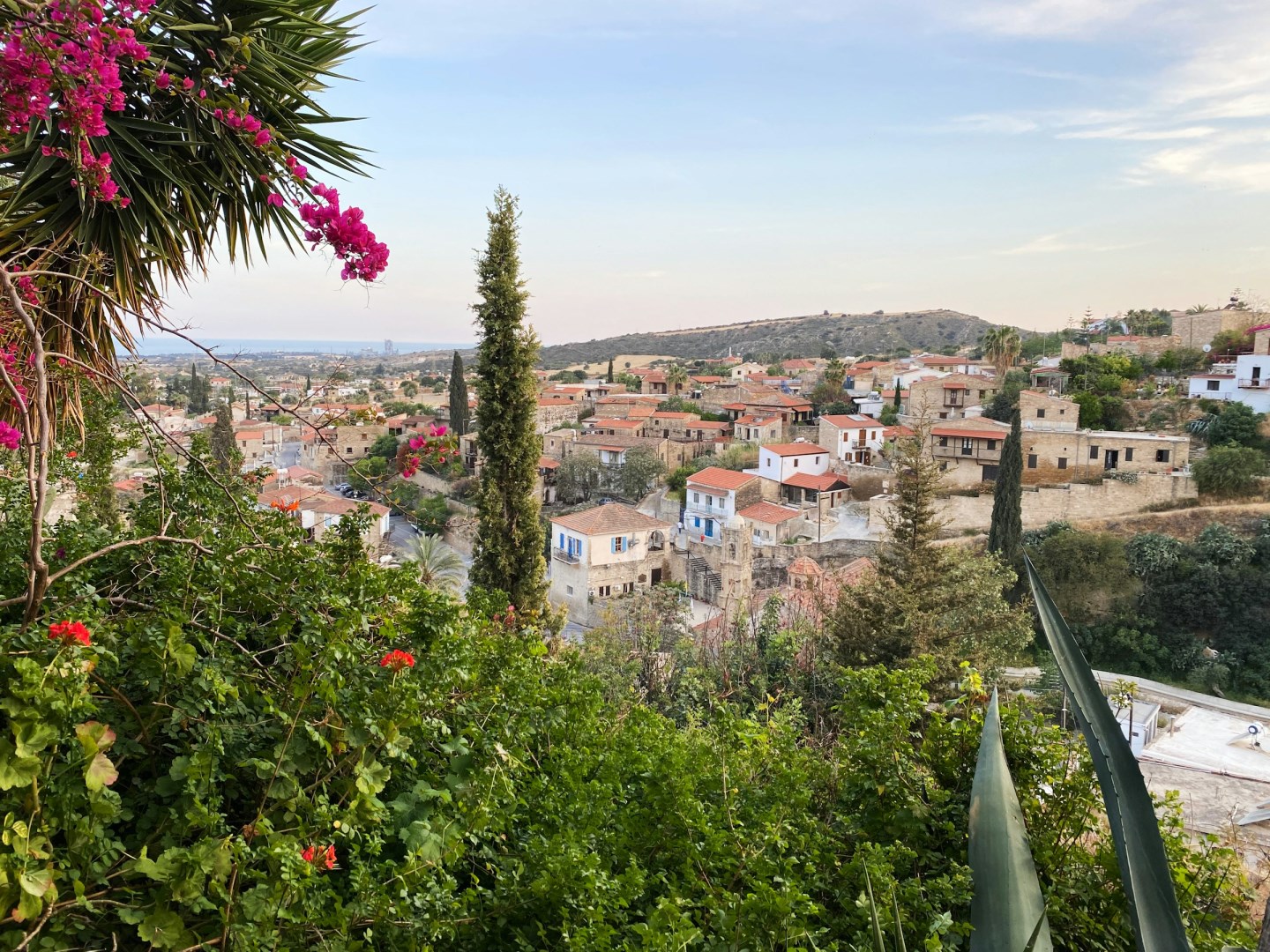
Larnaca is a coastal city in southeastern Cyprus, built around a broad bay on the Mediterranean Sea. It is one of the island's main urban centers and combines a long waterfront, sandy beaches, historic neighborhoods, and archaeological sites. The palm-lined Finikoudes promenade runs beside the central beach and continues toward the old harbor and medieval castle.

Central America
From the Caribbean Sea on one side to the Pacific Ocean on the other, Central America is home to lush rainforests, volcanic peaks, and vibrant coastal towns.

Iguazu
Situated in the Parque Nacional Iguazú near Puerto Iguazú, these spectacular falls lie just east of the confluence of the Iguazu and Paraná rivers. At least 5000 cubic m of water per second plunge the 70m into the abyss below.
Vanua Balavu Island
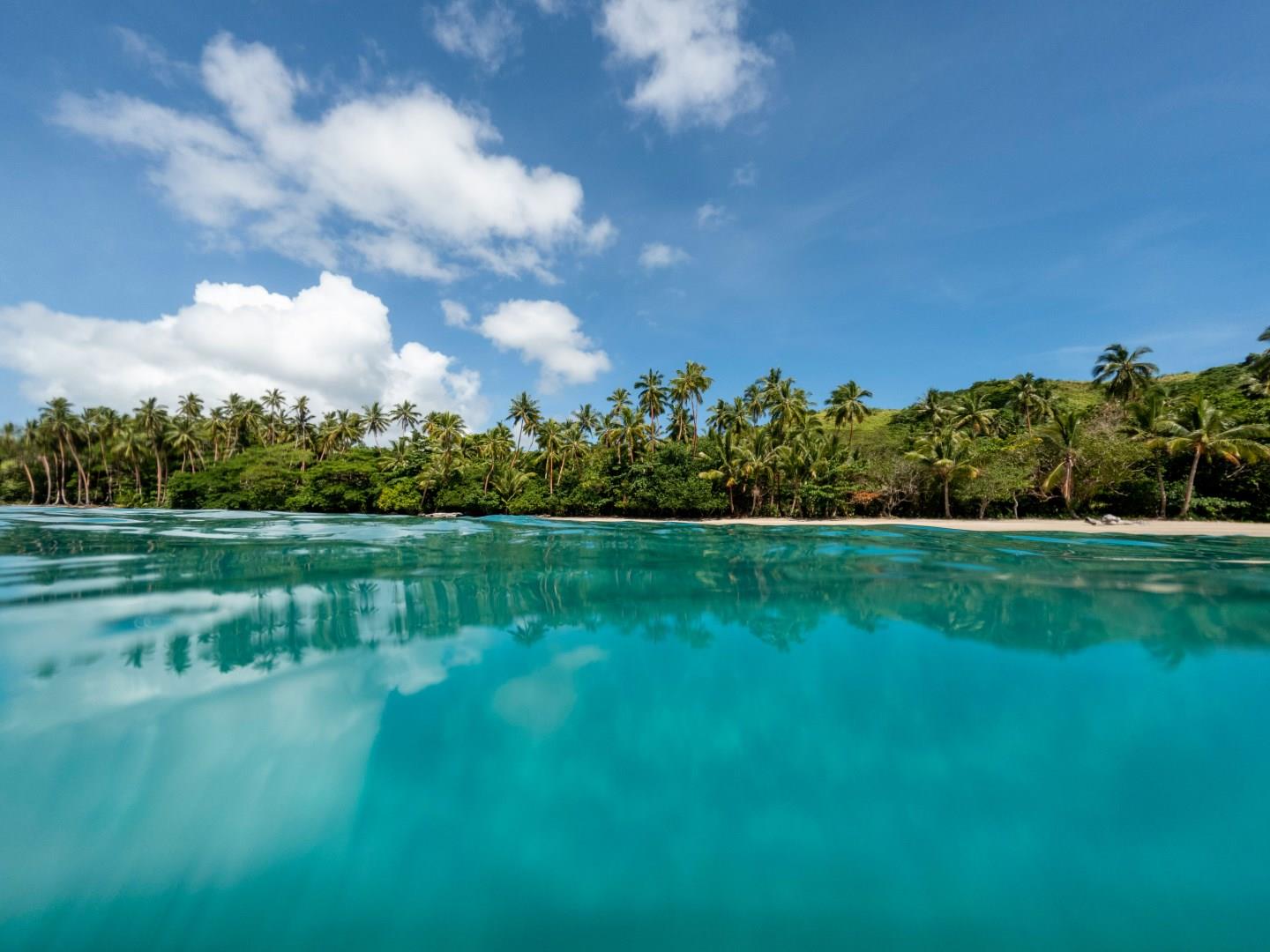
Vanua Balavu is one of the Lau Islands in eastern Fiji, a secluded gem where traditional Fijian culture and natural beauty flourish in harmony. Surrounded by turquoise waters and coral reefs, the island offers a serene escape from bustling tourist areas, with small villages, coconut groves, and rugged hills shaping its peaceful landscape.

Kochi
Kochi (formerly Cochin), is a port city on the southwest coast of India and is a frequent stop for cruise ships. Known as the "Gateway to Kerala," Kochi's beaches, delectable seafood, expansive malls, historical sites, and museums make it a popular tourist destination.