Albania
Albania offers travelers a surprising and diverse experience shaped by centuries of influence. Visitors can explore the ancient city of Butrint, a UNESCO World Heritage Site with Greek, Roman, Byzantine, and Venetian ruins set against a lagoon. In Berat and Gjirokastër stone houses stack along steep hillsides, giving visitors the sense of walking through a living museum. These towns offer an authentic window into daily Albanian life.
Gyumri
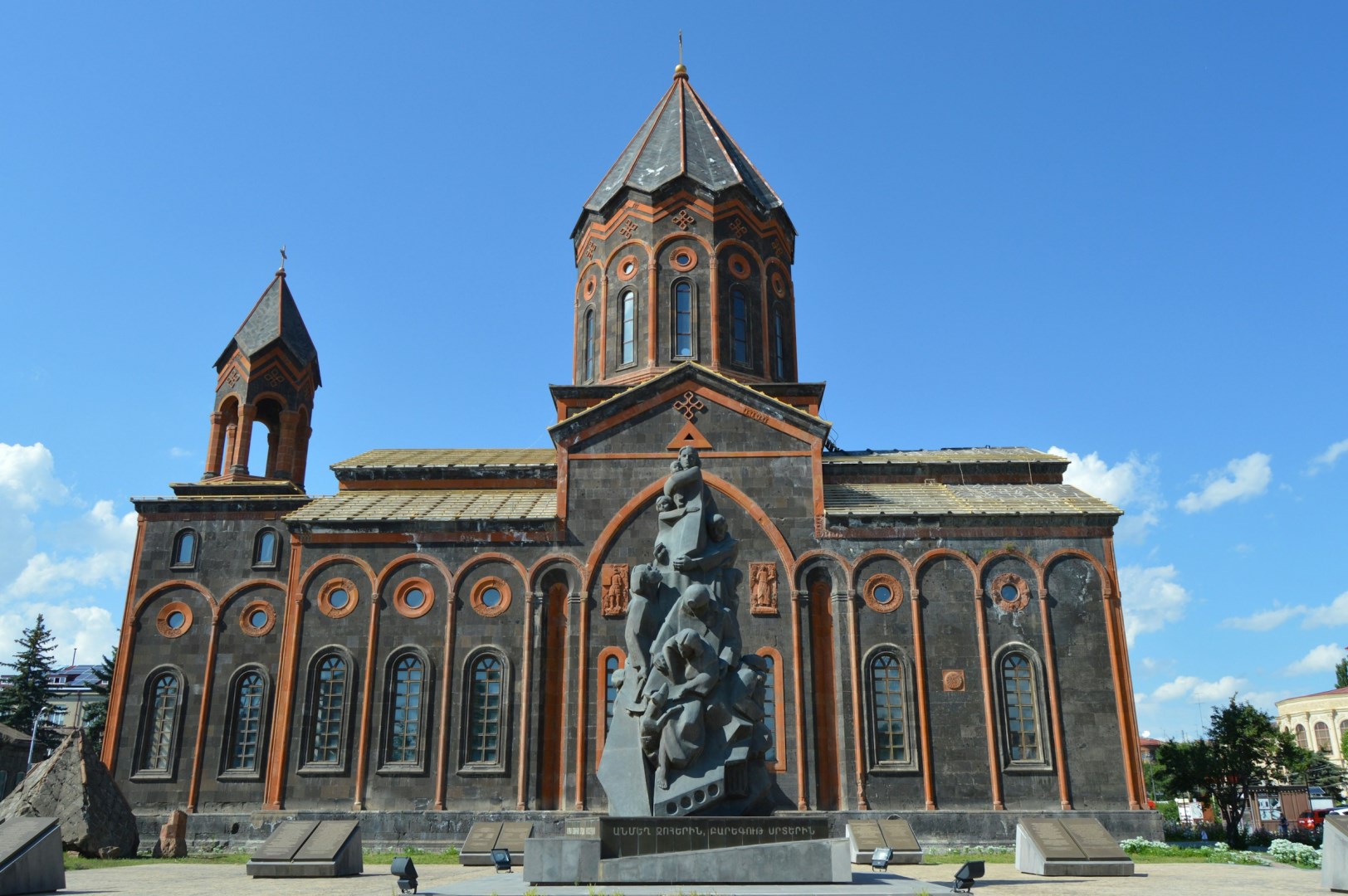
Gyumri is Armenia's second-largest city and the capital of Shirak Province, located on a high plateau in the country's northwestern region. The city is known for its distinctive black and red volcanic-stone architecture, broad streets, historic districts, and strong artistic traditions. Its setting near the Turkish border places it among open plains and volcanic landscapes, with Mount Aragats visible from parts of the surrounding region.

Greece
Greece is a country where layers of history sit side by side with everyday life. In Athens, visitors can stand at the foot of the Acropolis and look up at the Parthenon, built more than 2,400 years ago, then walk a few blocks to modern cafes buzzing with conversation and music. The city’s neighborhoods, like Plaka and Monastiraki, offer both ancient ruins and small family-run shops selling handmade sandals and olive oil soap.
Beaver Creek
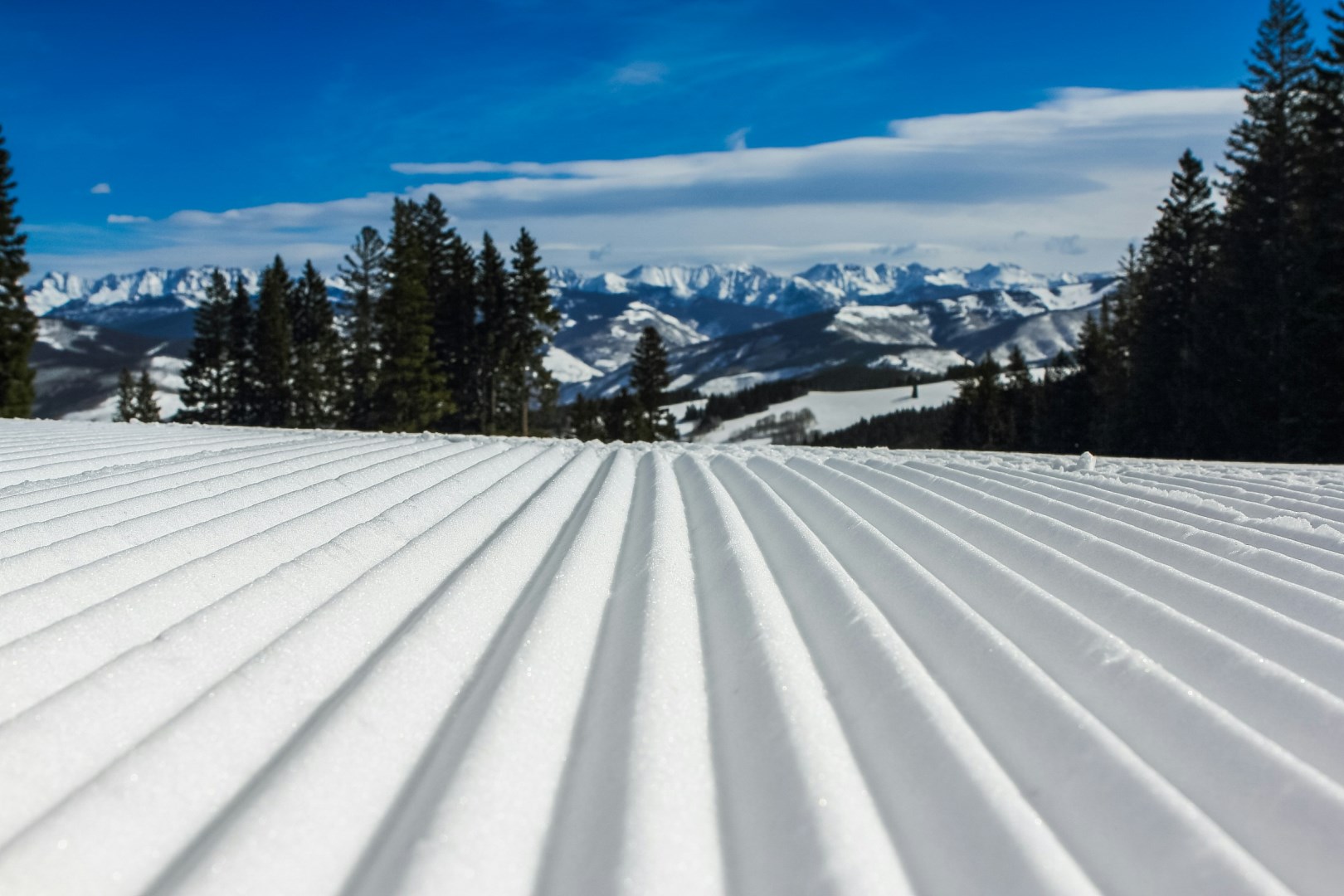
Beaver Creek is a mountain resort community in Eagle County, Colorado, set in the Gore Range of the central Rocky Mountains. The developed area sits among spruce and fir forests above the Eagle River Valley, with high peaks and alpine terrain surrounding the resort. Beaver Creek Resort is the community’s defining feature, providing year-round facilities for skiing, hiking, mountain biking, and other outdoor activities.
Estes Park
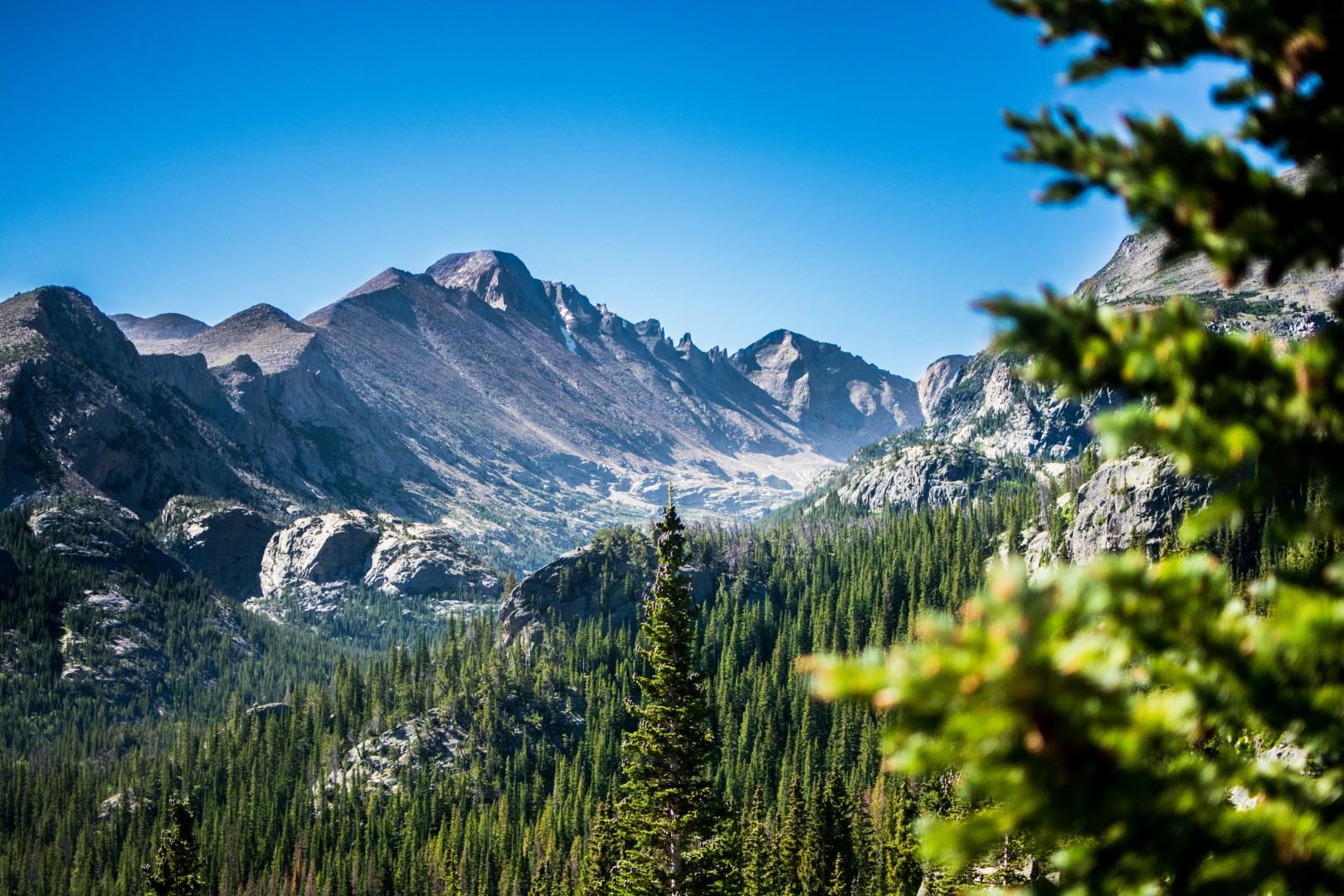
Estes Park, Colorado, is a picturesque mountain town nestled at the entrance of Rocky Mountain National Park. Known for its stunning natural beauty, it offers visitors a perfect blend of adventure and relaxation. With over 300 miles of hiking trails, pristine alpine lakes, and breathtaking mountain vistas, Estes Park is an outdoor enthusiast’s paradise.