

Boston
Evidence of our nation's birth abounds in Boston, a hub of revolution that is essentially the oldest city in the United States. Visitors are compelled to walk the 2.5-mile Freedom Trail around the city center, and bear witness to 16 historical locations related to the history of America.

Kranjska Gora
Nestled in the Julian Alps of Slovenia, Kranjska Gora is a charming alpine town known for its stunning landscapes and outdoor activities. This picturesque destination offers a gateway to breathtaking natural beauty, from the snow-capped peaks of the Julian Alps to the lush, green valleys that surround the town.
Branson
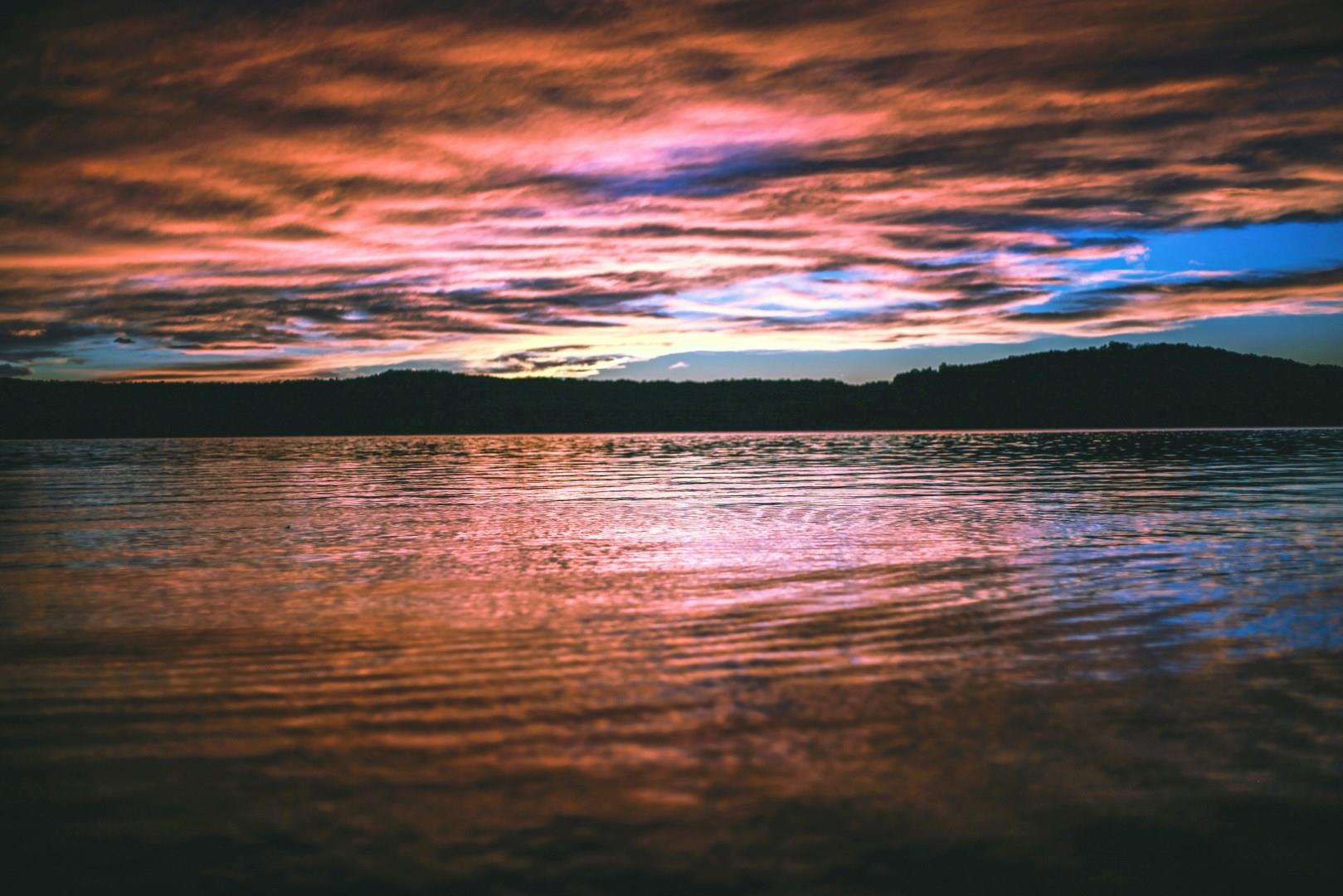
Branson, Missouri may be tucked into the Ozark Mountains, but there's nothing quiet about its entertainment scene. Since the 1960s, the town has built its reputation on live music, with more than 100 shows running at peak season. From country and gospel to comedy and magic, Branson’s theaters offer family-friendly entertainment nearly every night of the week. The Presleys' Country Jubilee, the first show on what is now 76 Country Boulevard, still packs the house after more than 50 years.

Venice
Welcome to Venice, with its network of canals, rich history and composition of over 100 small islands in the Adriatic Sea. Fine art, stunning architecture, white limestone bridges, moving about via watercraft... Venice is a singular experience and an astonishing masterpiece of civilization.

Los Angeles
Sunshine, cars, celebrities... these are just a few of the things that define Los Angeles. But as any visitor to this expansive Southern California city will tell you, it's a place with seemingly infinite possibilities. There's downtown, with Crypto.com Arena, Walt Disney Concert Hall, and Olvera Street. There's Hollywood, with its Walk of Fame, maps to the stars' homes and palm-tree lined boulevards. There's Santa Monica, with its pier, shopping and ocean breezes.


