
Phu Quoc
This island in the Gulf of Thailand is known for white sand beaches, lush national parks, and night markets packed with fresh seafood. Visitors can spend mornings snorkeling, afternoons exploring temples, and evenings tasting local fish sauce, one of the island’s specialties.

Looe
Looe is a small seaside town on the south coast of Cornwall, England, divided by the River Looe into East and West Looe and connected by a graceful stone bridge. With origins as a medieval port, the town has long been shaped by fishing and seafaring, traditions that still define its identity today.
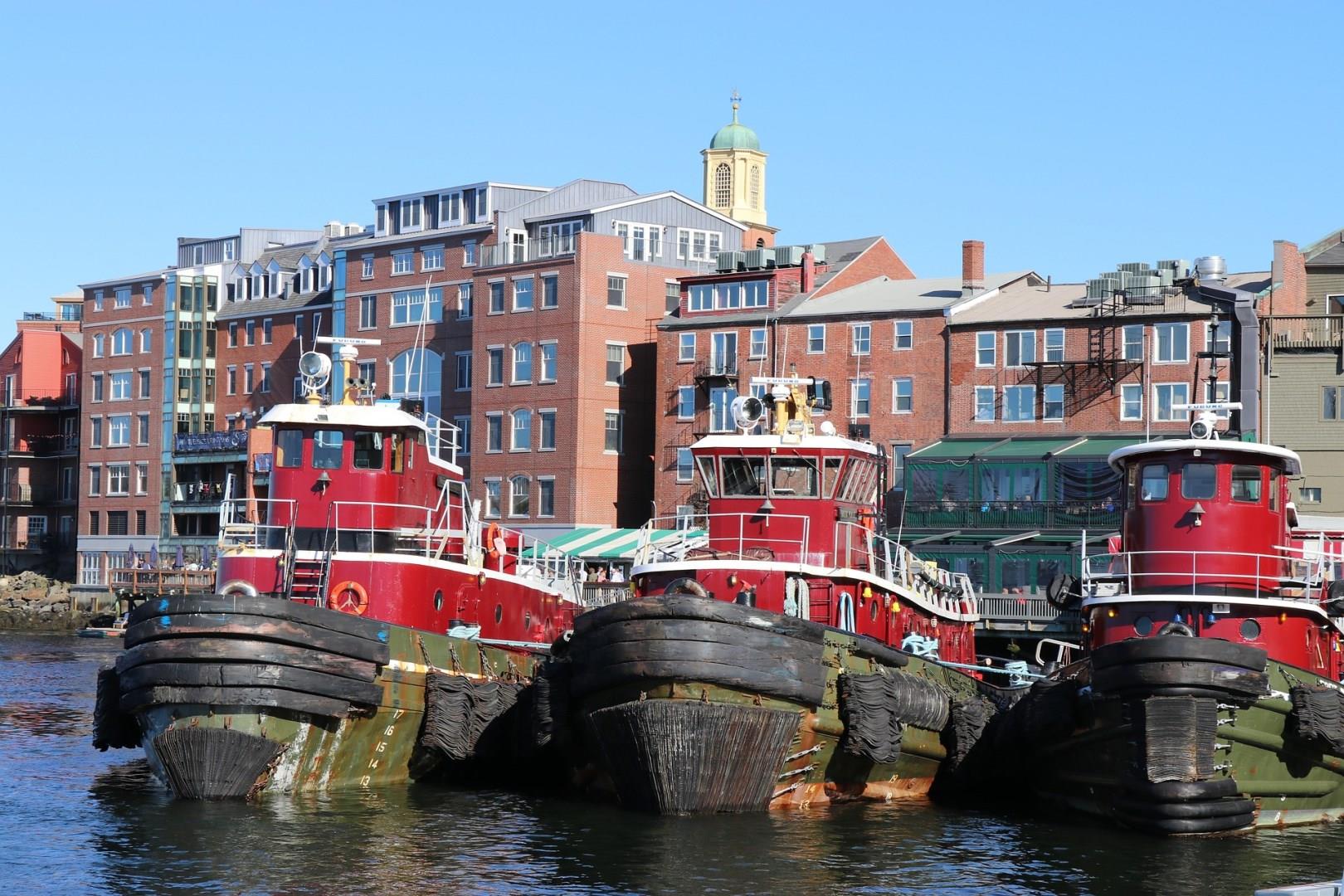
Portsmouth
Portsmouth is a coastal city in southeastern New Hampshire, positioned along the Piscataqua River near the state’s short Atlantic shoreline. Its compact downtown is known for brick buildings, narrow streets, independent shops, restaurants, galleries, and a busy waterfront. The city’s maritime setting remains central to its identity, with working docks and views across the river toward Maine. Prescott Park provides gardens and open space beside the water, while nearby islands, beaches, and coasta
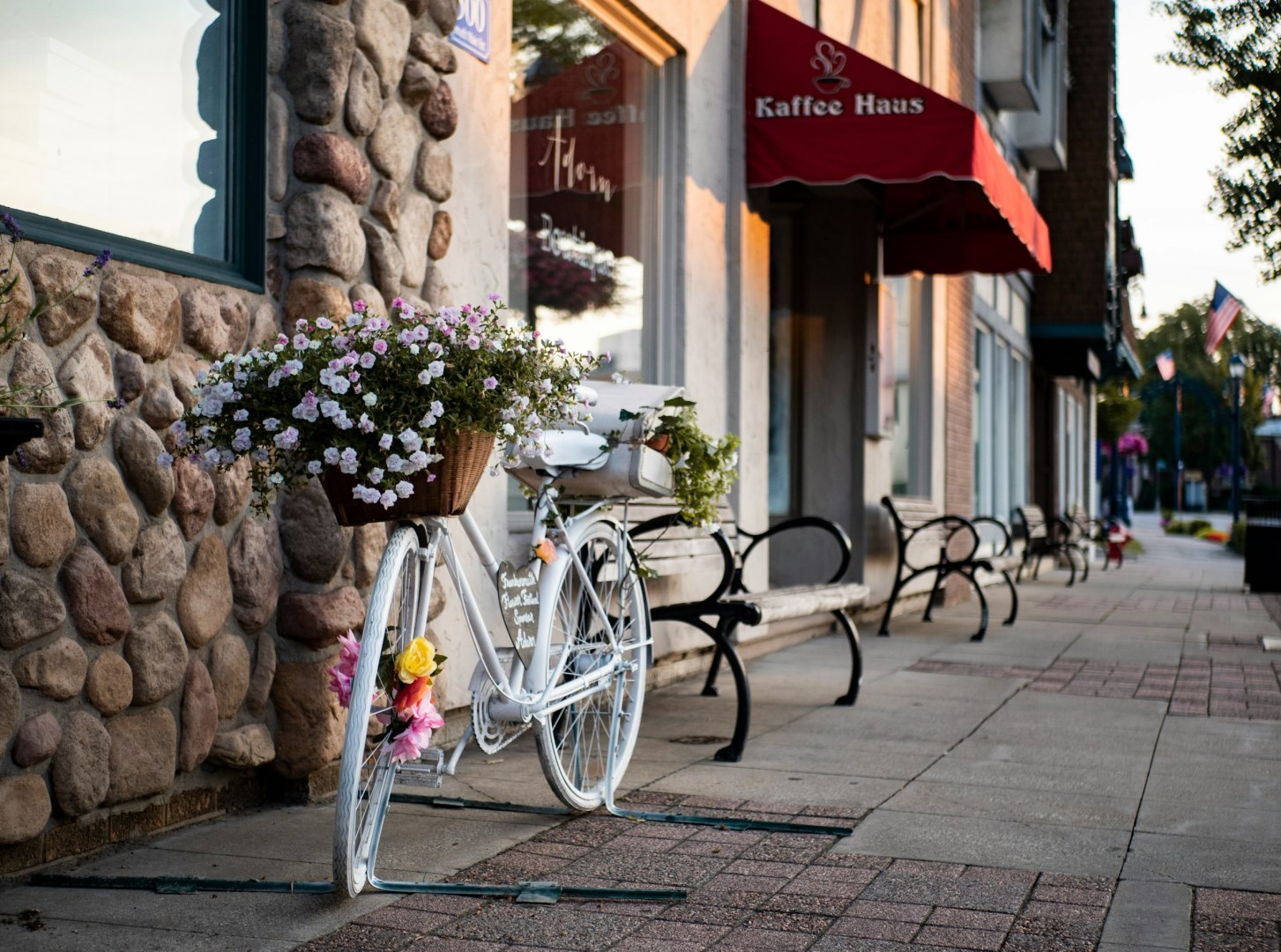
Frankenmuth
Frankenmuth, Michigan, is a small city along the Cass River known for its strong Bavarian identity and distinctive German-inspired architecture. Often called Michigan’s Little Bavaria, it has a compact downtown filled with decorated storefronts, restaurants, specialty shops, and pedestrian-friendly streets. T
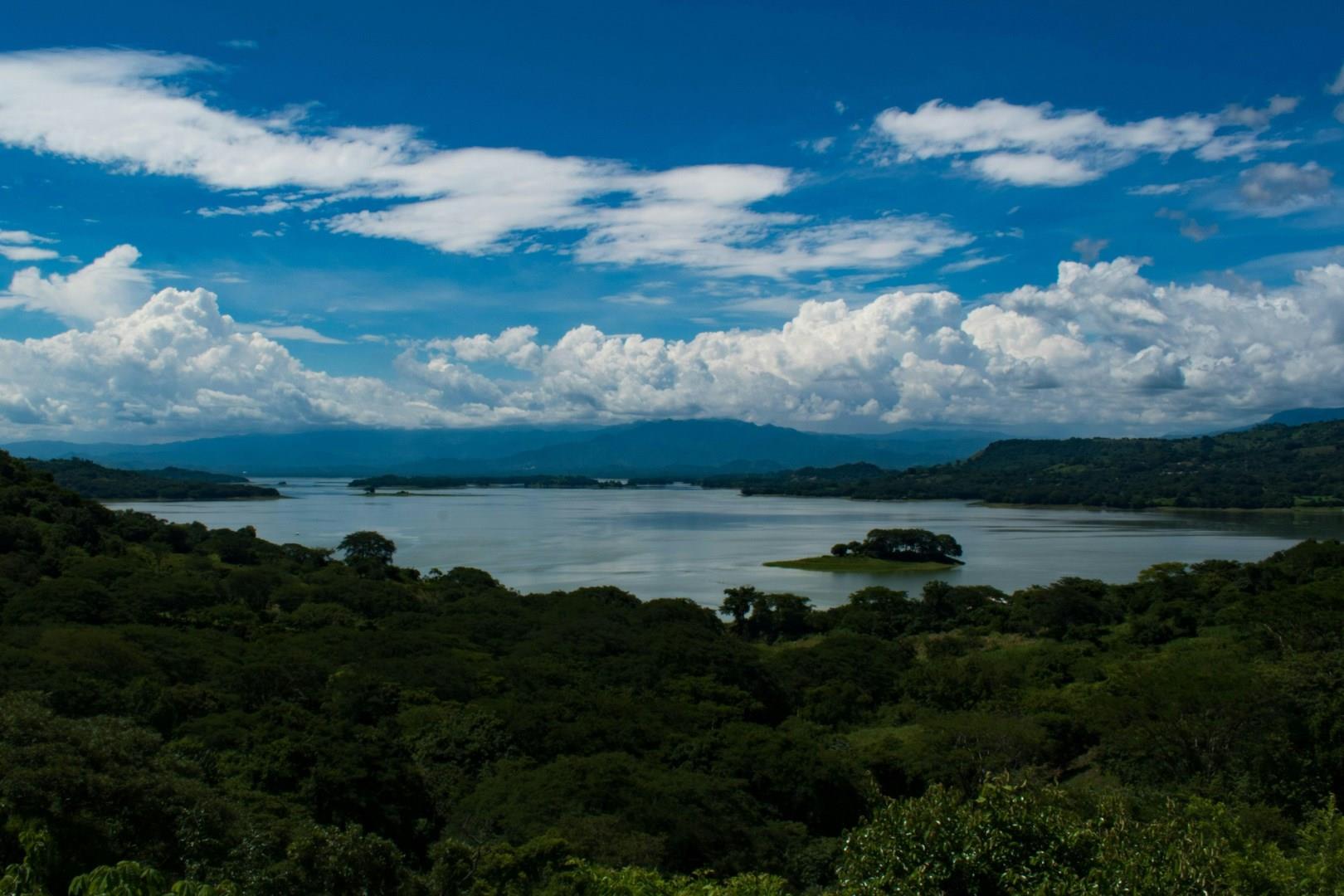
Suchitoto
Suchitoto, located in the Cuscatlán department of El Salvador, is a hilltop town known for its cobblestone streets and scenic views of Lake Suchitlán. Once an important center for indigo production, the town still celebrates its dye-making history through artisan workshops where visitors can learn to create textiles using natural indigo. The name “Suchitoto” comes from the Nahuatl language and means “place of flowers and birds,” a nod to the area’s diverse birdlife and surrounding vegetation.