King Salmon
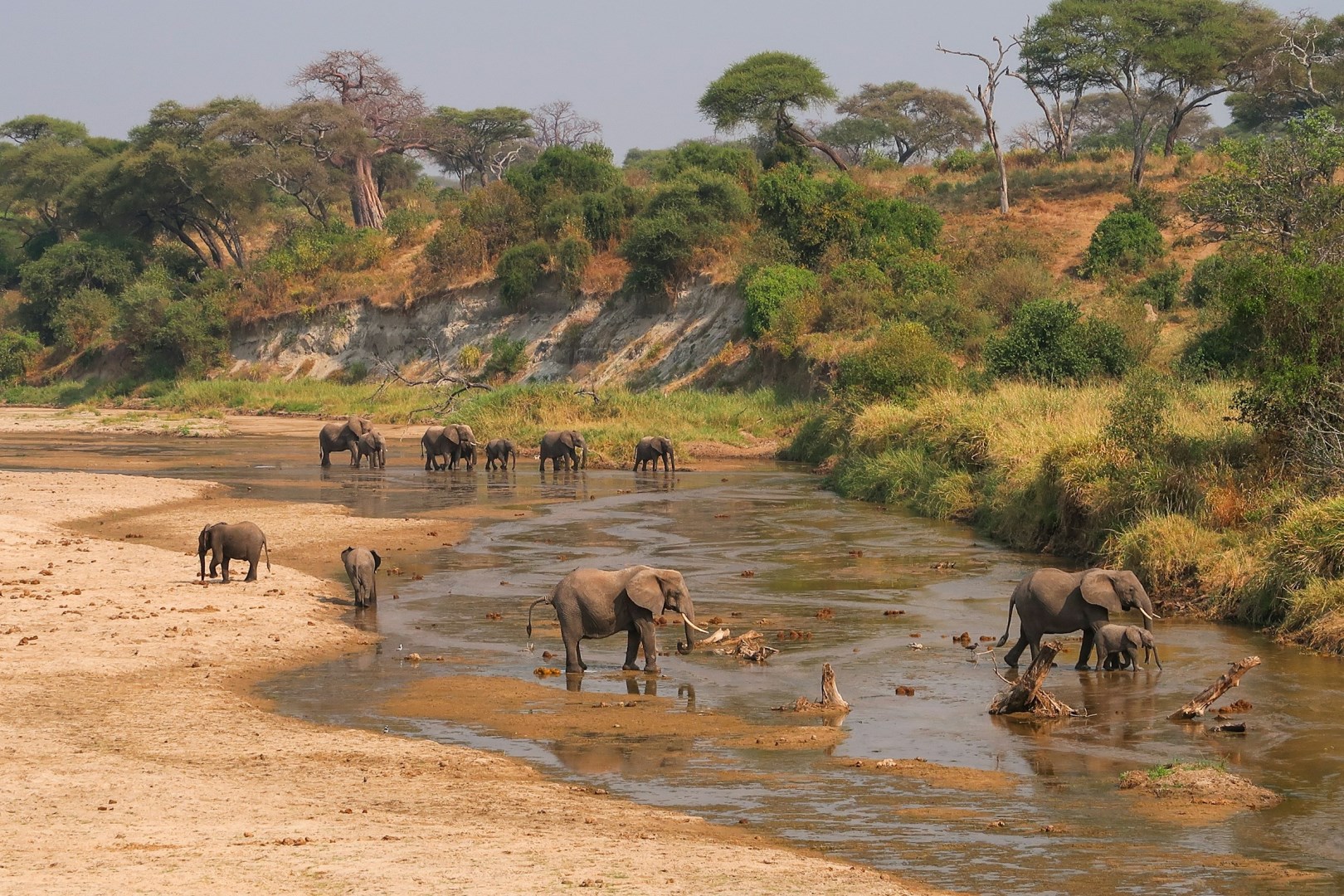
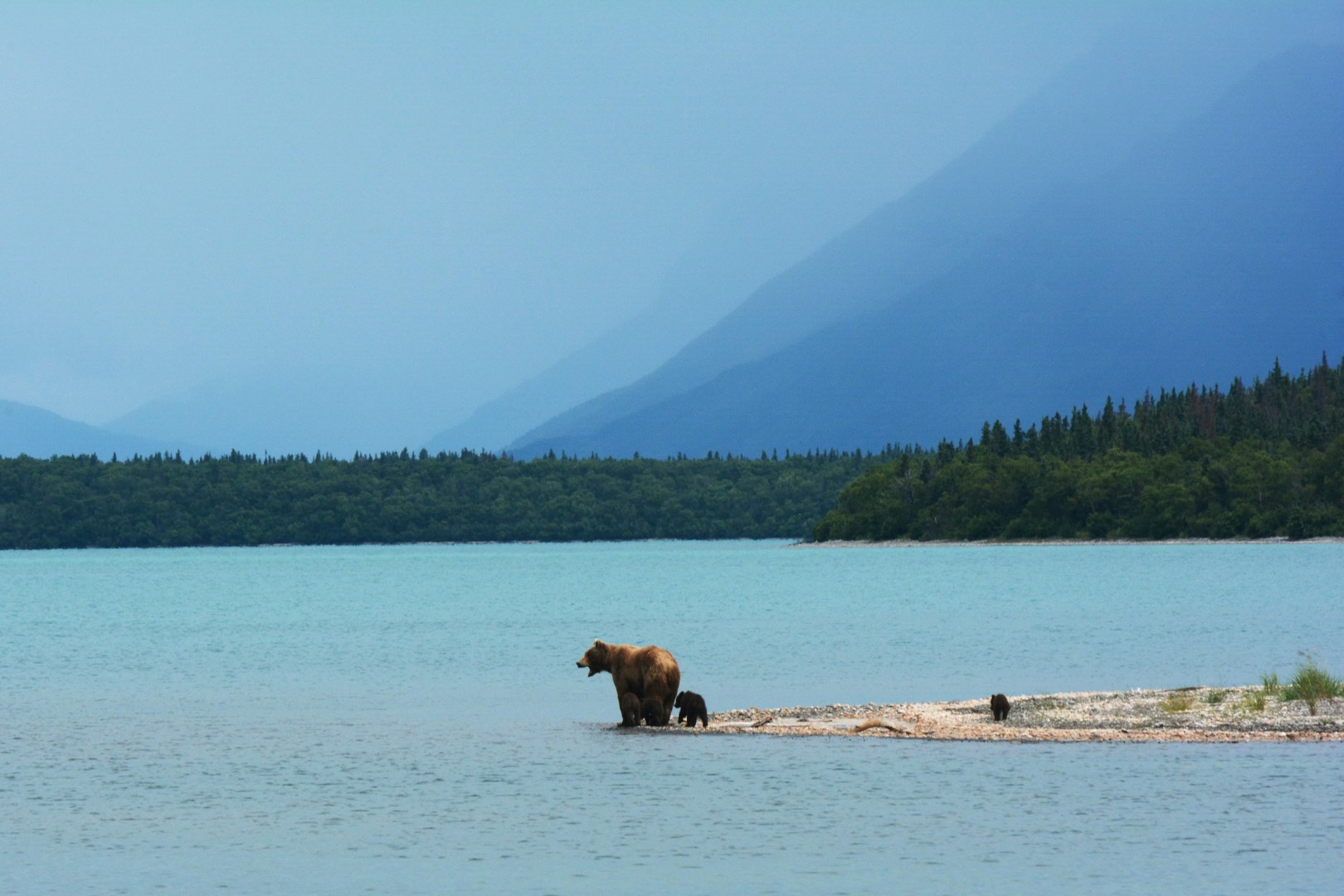
King Salmon is a small community in southwest Alaska on the Alaska Peninsula, located along the Naknek River near the shores of Naknek Lake. It serves as a regional transportation and service center for the Bristol Bay area and as an important base for visitors traveling into the surrounding wilderness. The community is surrounded by tundra, wetlands, lakes, rivers, and low volcanic hills rather than tall mountains.
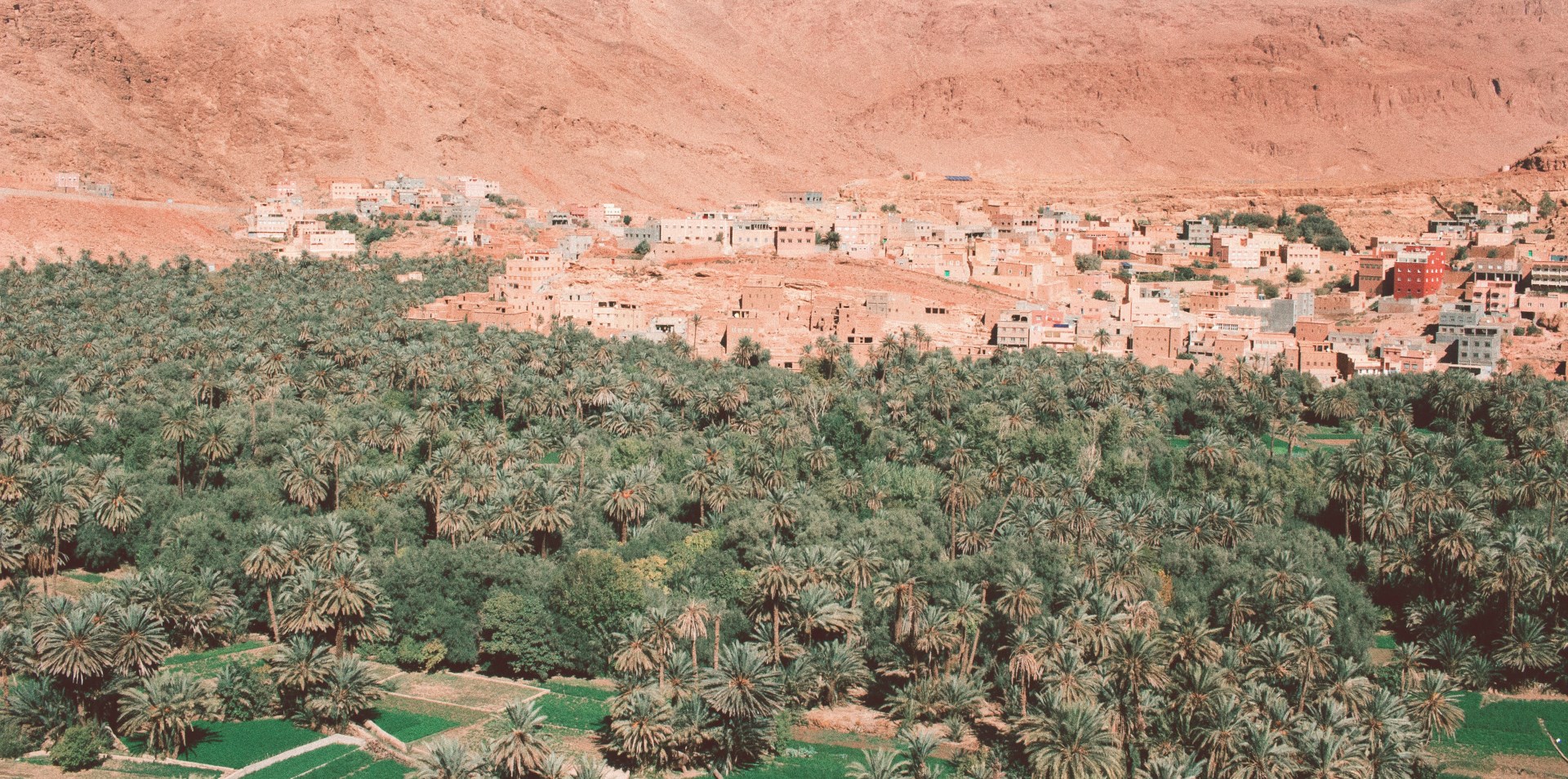
Boumalne Dades
At the edge of the High Atlas Mountains, Boumalne Dades stands as a gateway to one of Morocco’s most striking landscapes. The town stretches along a broad valley where the Dades River cuts through layers of red and ochre rock. This setting creates a dramatic backdrop that shifts in color throughout the day. Travelers often arrive here as a stopping point, but many stay longer after discovering the slower rhythm of village life and the easy access to nearby valleys and gorges.

Olomouc
Olomouc, a captivating city in the Czech Republic, offers a blend of historical charm and vibrant culture. The city’s centerpiece is the Holy Trinity Column, a UNESCO World Heritage Site and a stunning example of Baroque architecture. Erected in the 18th century to commemorate the end of the plague, this intricate monument features elaborate sculptures and exquisite details that make it a must-see source.
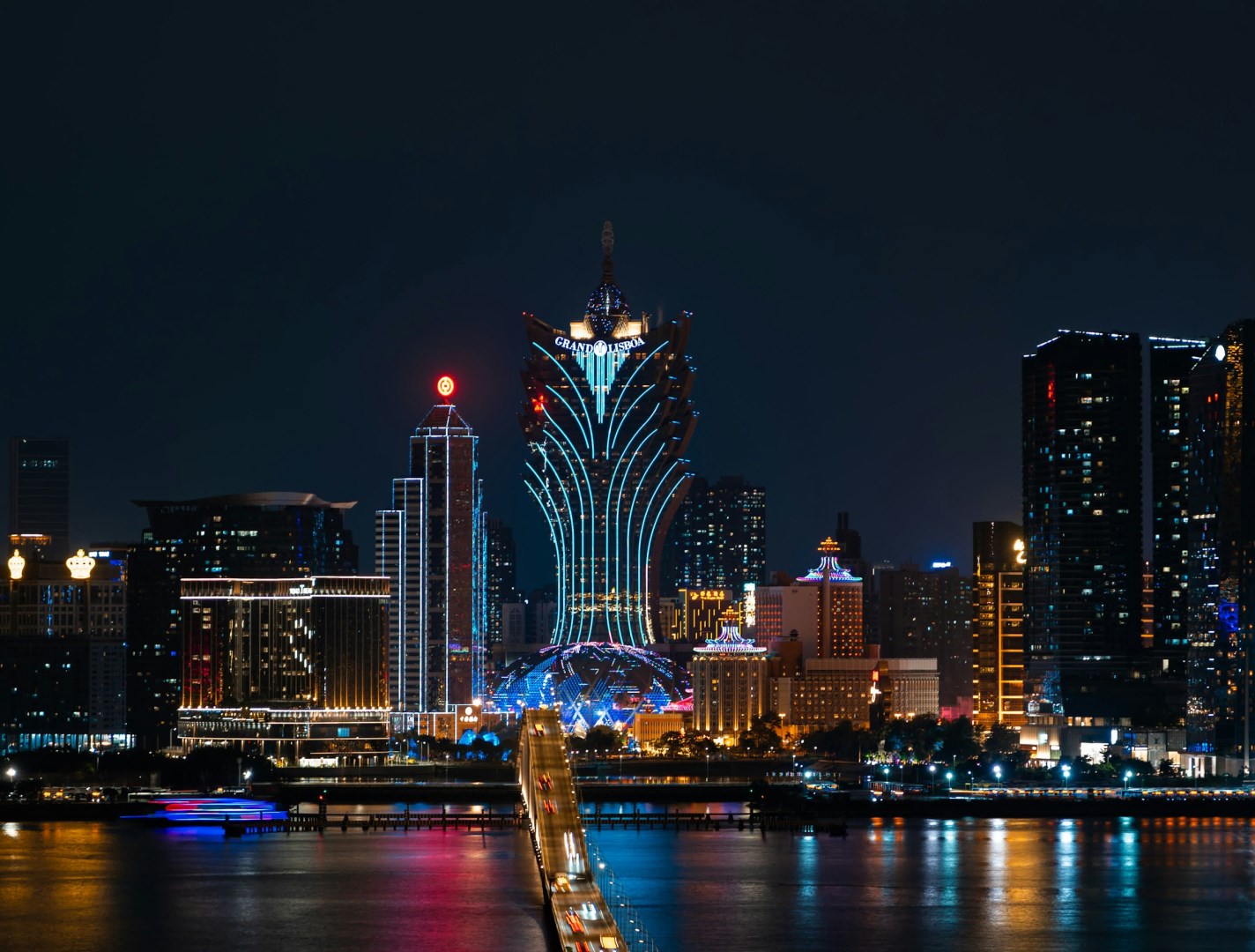
Macau
The city of Macau, located on the Pearl River Delta, is a destination where centuries of history meet modern vibrancy. Once a Portuguese colony, its streets still carry the marks of European influence: ornate churches, tiled plazas, and pastel façades sit alongside traditional Chinese temples and narrow alleyways filled with shops and markets.
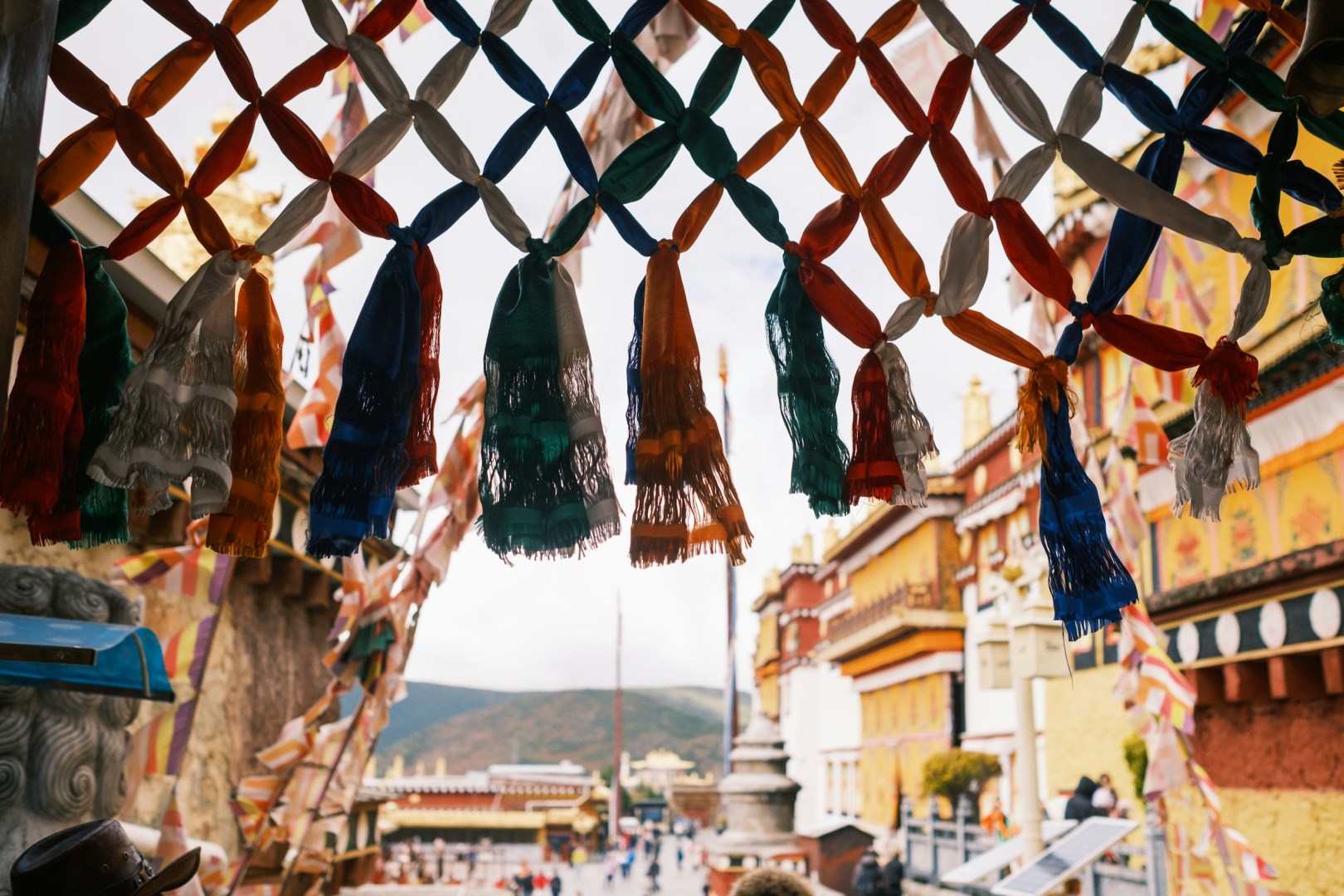
Shangri-La City
Shangri-La City, formerly known as Zhongdian, was renamed after the fictional paradise of James Hilton's "Lost Horizon" in an effort to promote tourism in 2001. Located in northwestern Yunnan province, Shangri-La is commonly used as a gateway into Tibet.