Niger
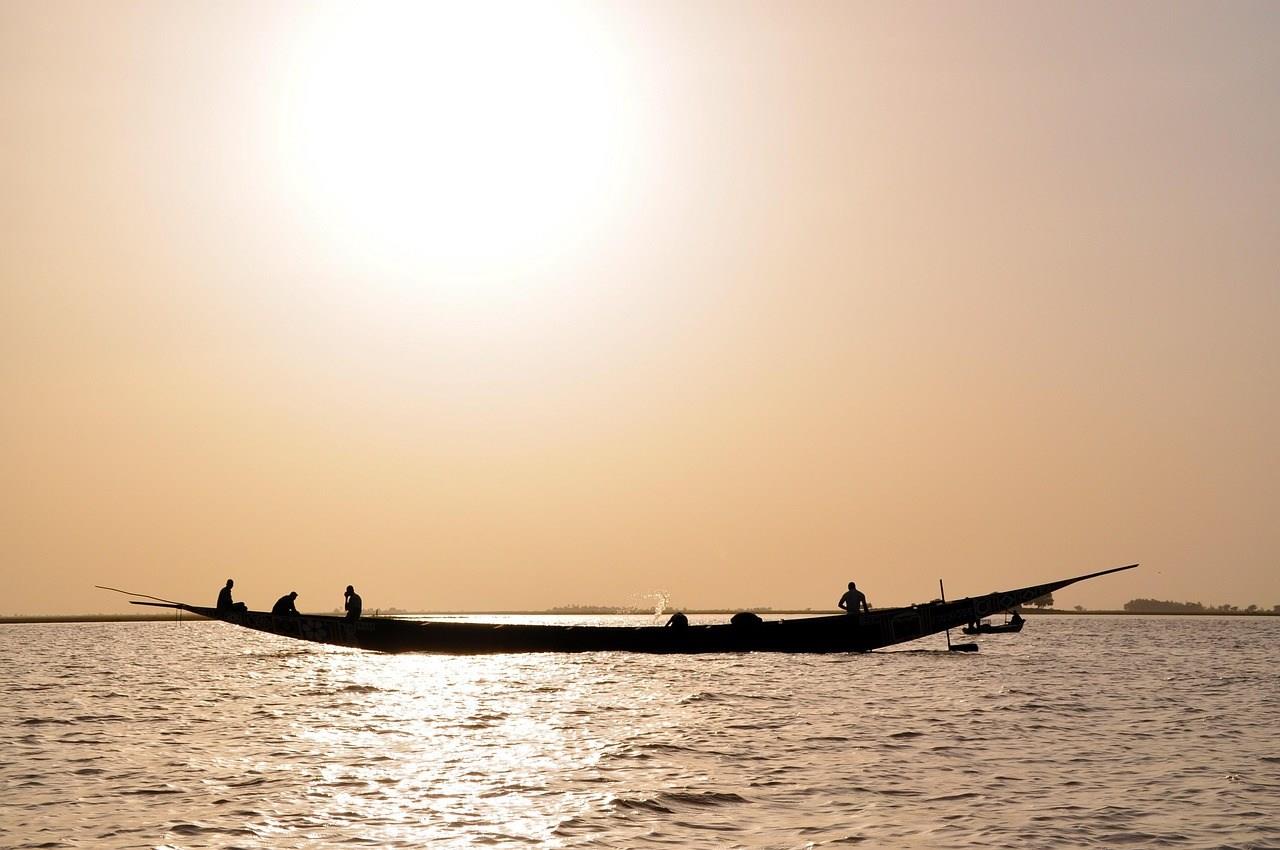
Niger, located in West Africa, is a country of vast landscapes and diverse cultures. Much of its territory is covered by the Sahara Desert, with rolling sand dunes, rocky plateaus, and oasis towns defining the northern regions.

Burlington
Nestled along the shores of Lake Champlain, Burlington, Vermont, is a charming city that offers a blend of outdoor adventure, rich culture, and a vibrant arts scene. With the majestic Adirondack Mountains to the west and the Green Mountains to the east, Burlington is an ideal destination for those seeking natural beauty and a laid-back atmosphere. The city's waterfront is a must-see, featuring the scenic Burlington Bike Path that winds along the lake, offering breathtaking views, beaches, and pa
Cody
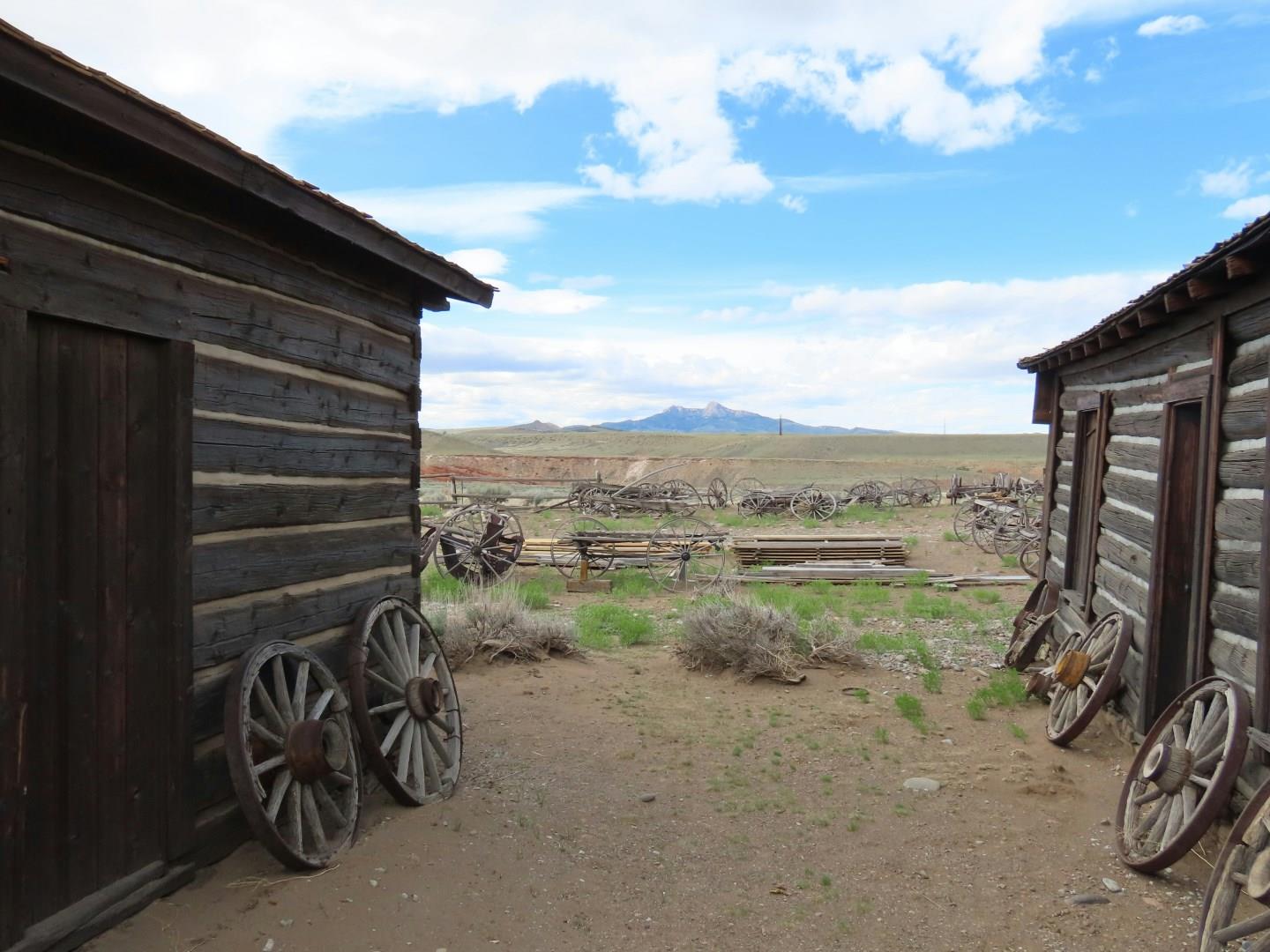
Cody, Wyoming, is a gateway to the American West, known for its connection to the legendary Buffalo Bill Cody and the pioneering spirit of the region.
Nome
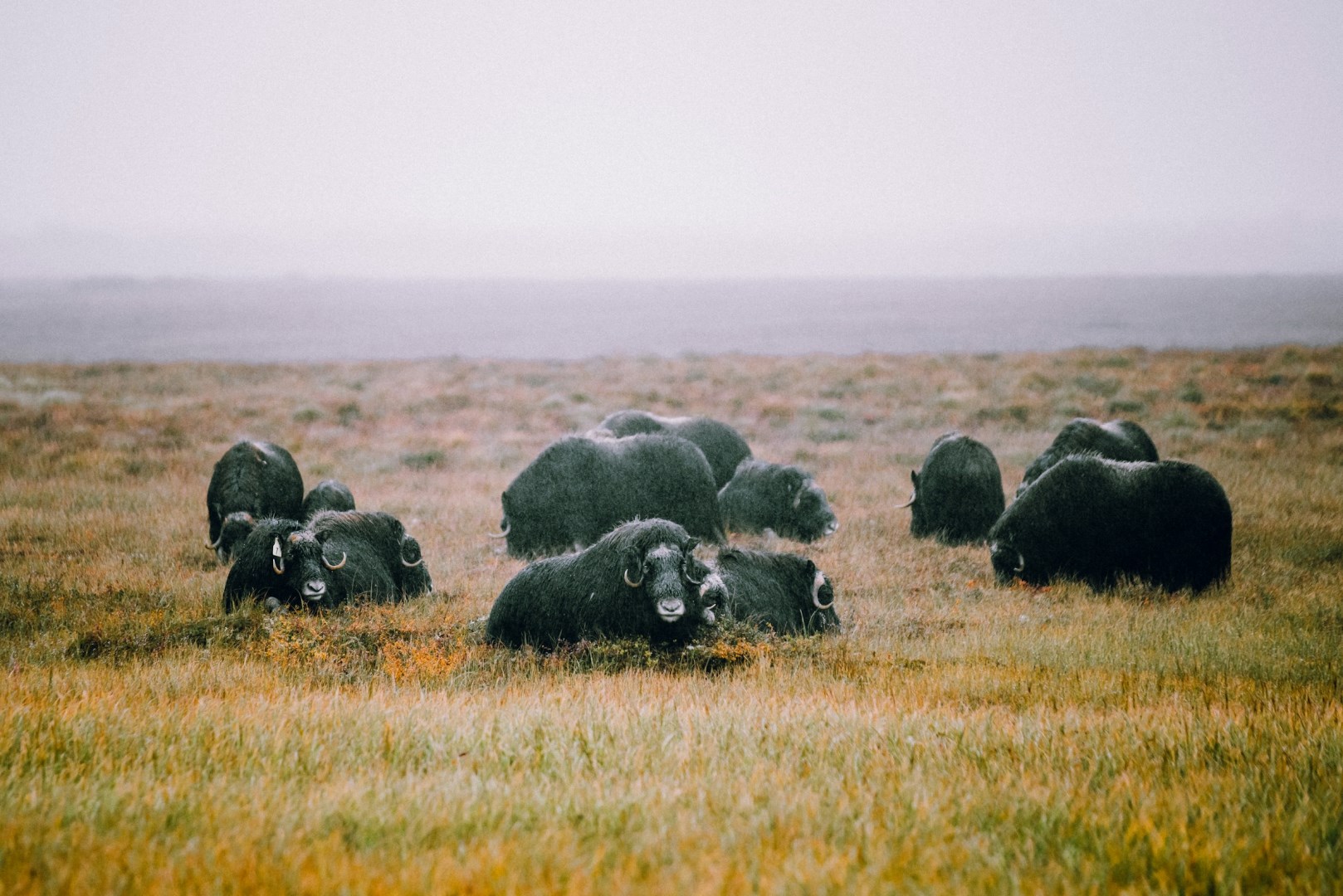
Nome is a coastal city on the southern Seward Peninsula in western Alaska, facing Norton Sound and the Bering Sea. Its remote location places it far from Alaska's major road network, with access primarily by air and seasonal sea travel. The surrounding landscape consists of tundra, low mountains, wetlands, beaches, and broad coastal plains. Nome is best known for its connection to gold mining and its role as a regional center for communities across western Alaska.
Hong Kong
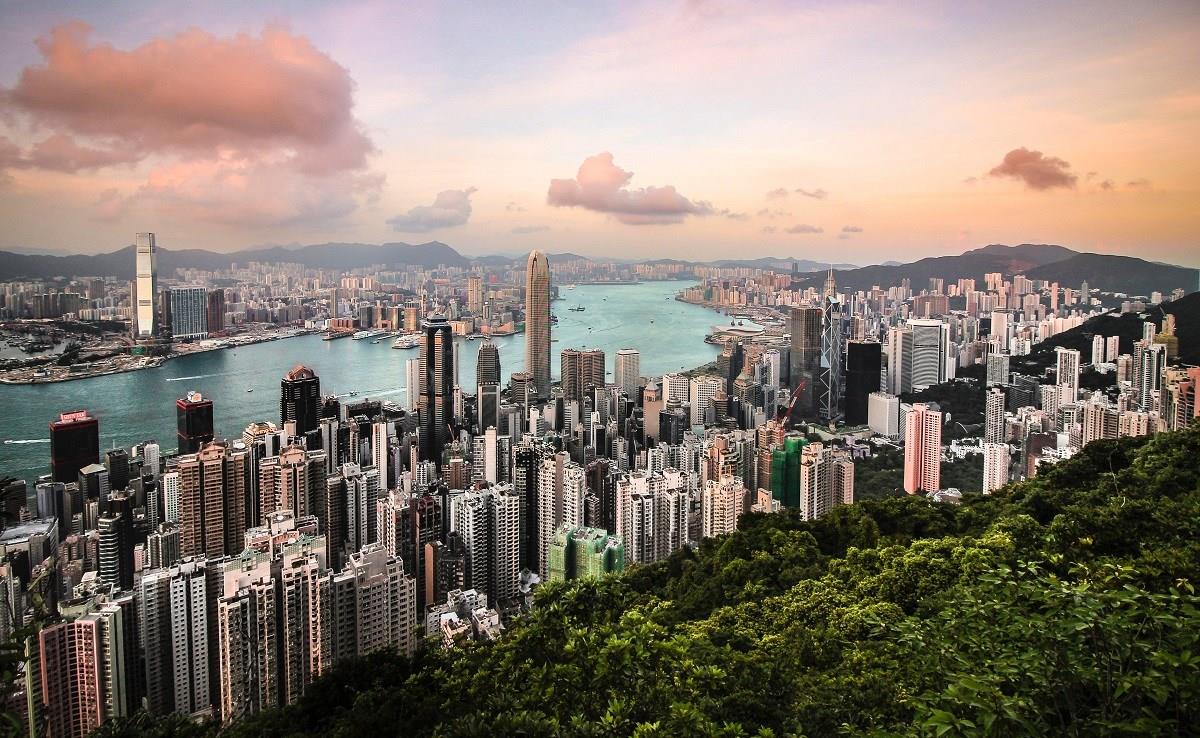
Hong Kong, a Special Administrative Region of China, is a destination where skyscrapers meet the sea and mountains. Its dramatic skyline, best admired from Victoria Harbour or the Peak, reflects its role as a global financial hub.