Varna
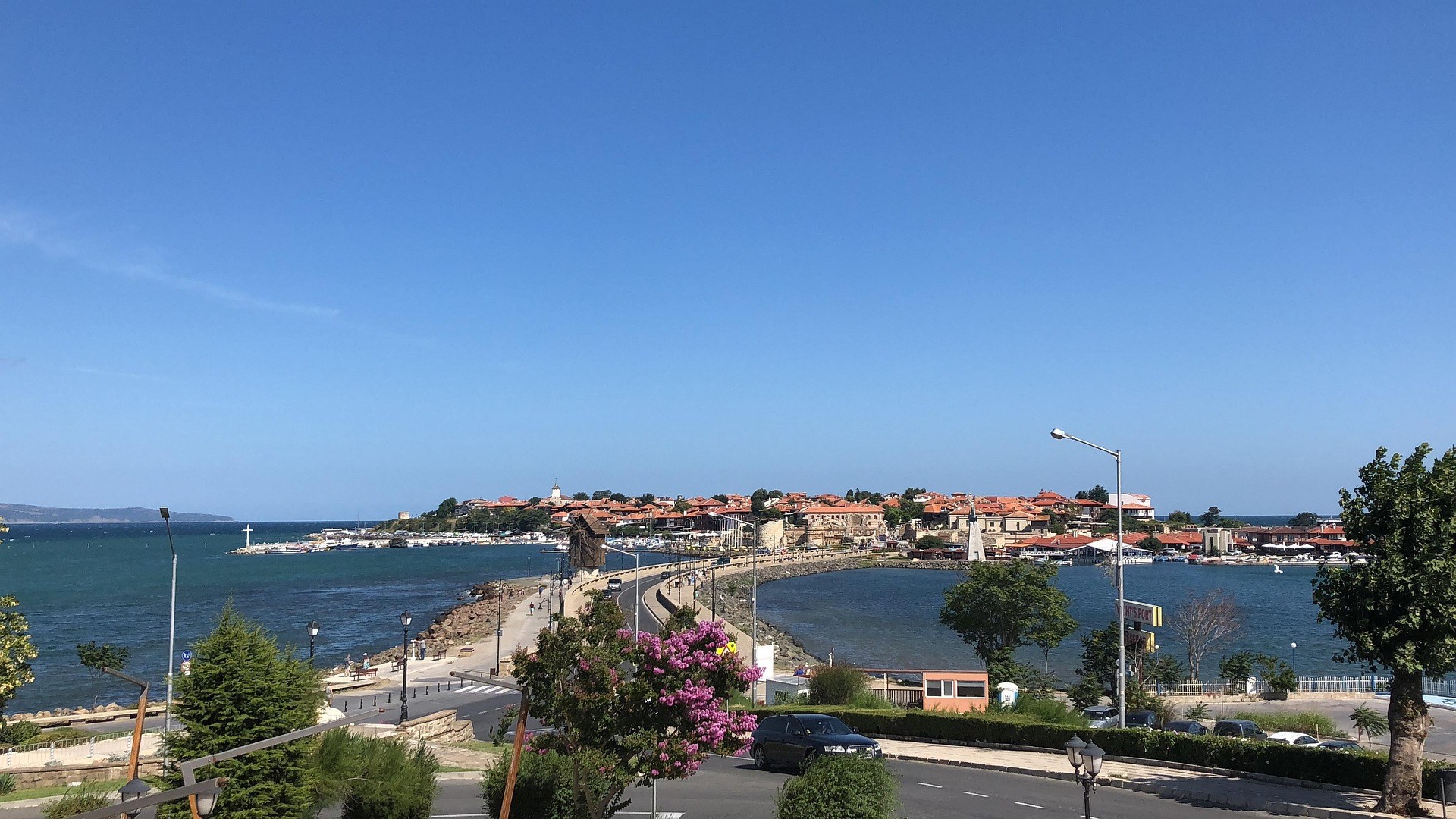
Varna is a beautiful city along the Black Sea and a favorite port of luxury cruise ships.

Fairbanks
Fairbanks is the largest city in Alaska’s Interior and a major center for the region’s communities, education, transportation, and commerce. Located along the Chena River, it lies north of Denali National Park and south of the Arctic Circle. The city is known for dramatic seasonal changes, including long summer days and extended winter darkness.
Enniskerry
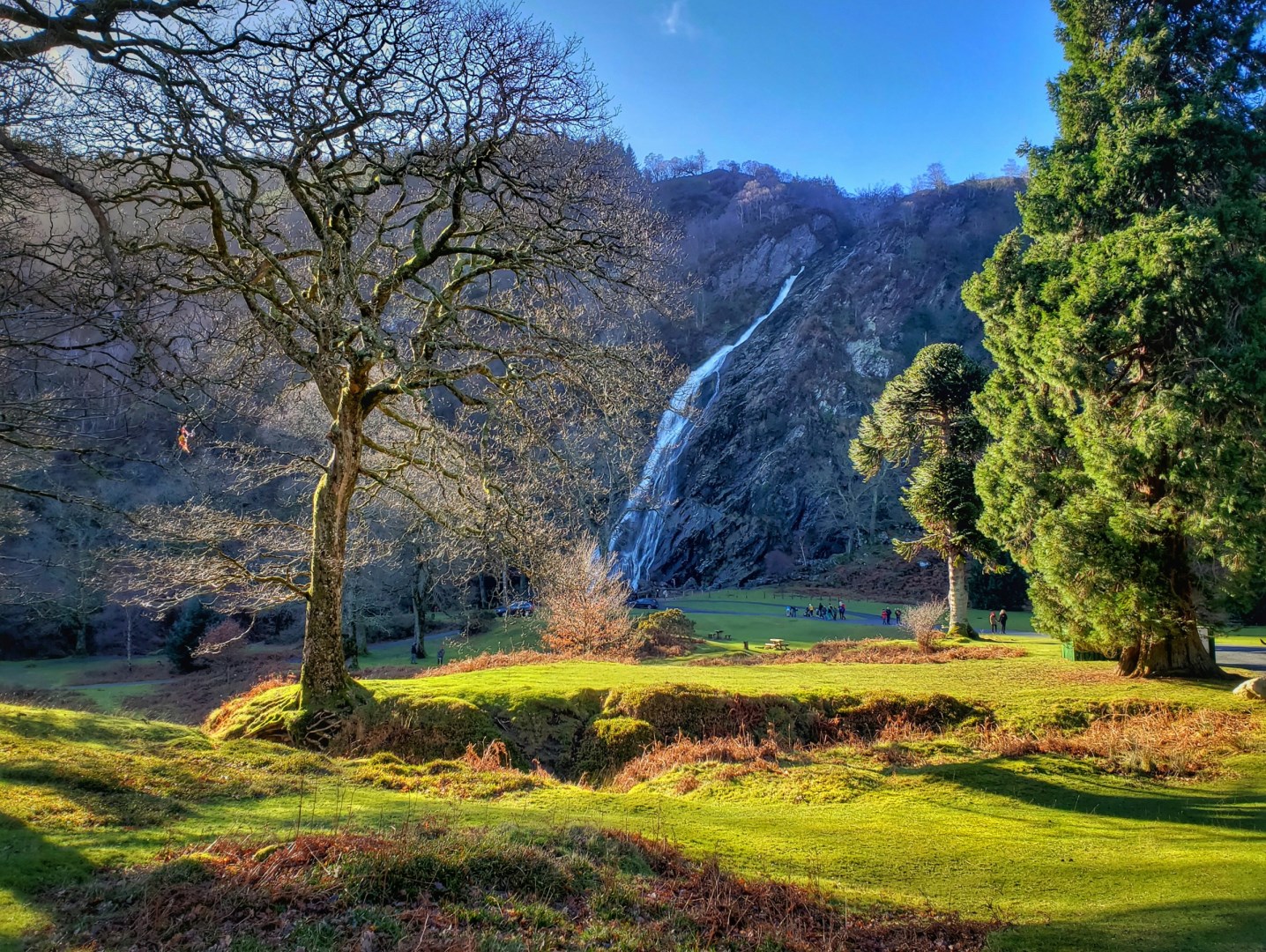
Enniskerry is a small village in County Wicklow, Ireland, set in the foothills of the Wicklow Mountains south of Dublin. Its compact center is arranged around a triangular village green, with stone buildings, traditional shopfronts, cafés, and pubs surrounding the open space. The village is closely associated with the Powerscourt estate, whose entrance lies just beyond the center.

Wānaka
Nestled on the southern shores of its namesake lake, Wanaka is a charming resort town in New Zealand's South Island that offers a captivating blend of adventure, relaxation, and stunning natural beauty. Surrounded by snow-capped mountains and crystal-clear waters, Wanaka is an ideal destination for outdoor enthusiasts.
Rockland
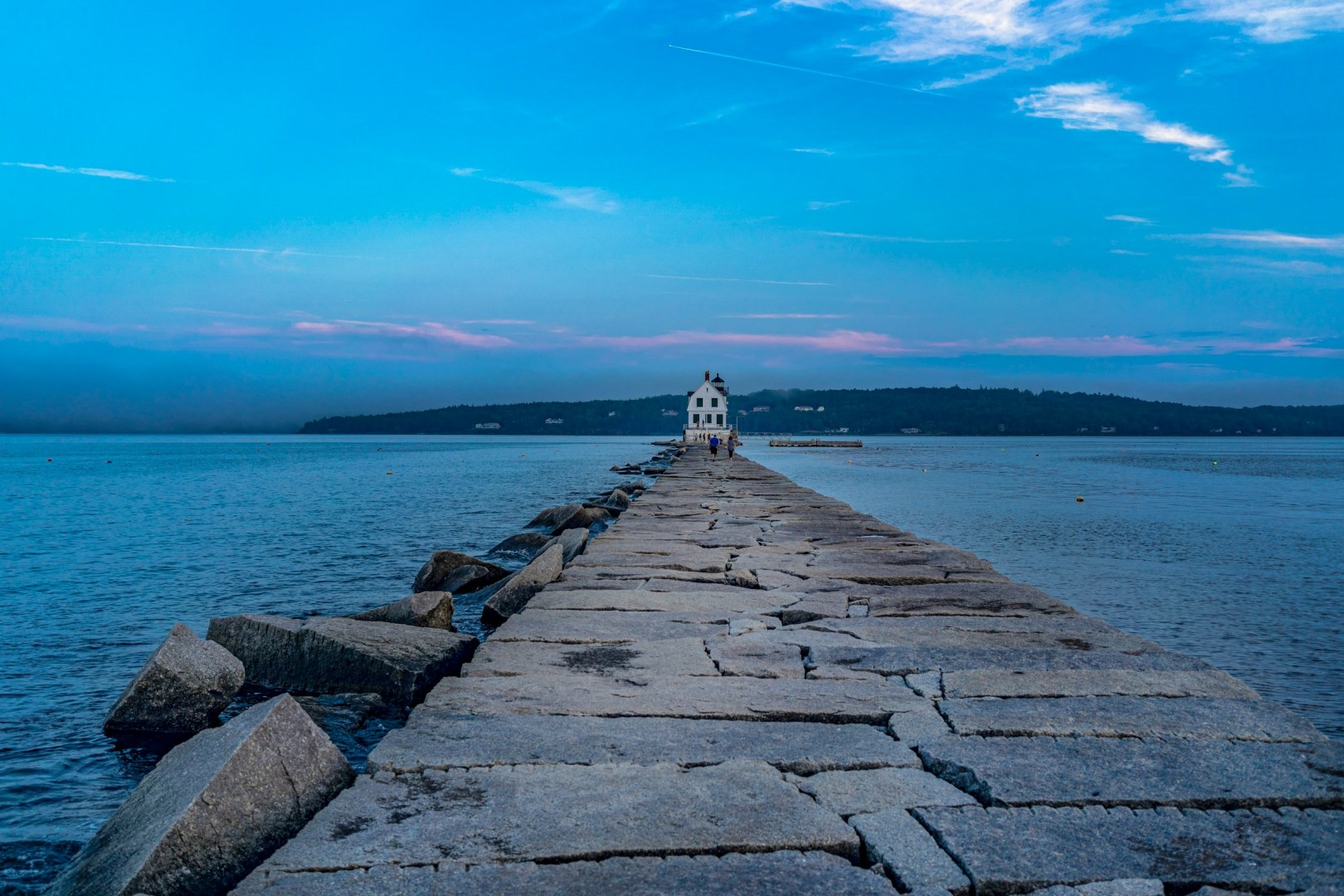
Rockland is a coastal city in Maine on the western shore of Penobscot Bay, known for its working harbor, maritime industries, and connection to the surrounding Midcoast landscape. The city developed around shipbuilding, fishing, lime production, and coastal trade, and its waterfront remains an important part of daily life. Rockland Harbor is sheltered by islands and peninsulas, with commercial fishing boats, pleasure craft, and passenger vessels using its waters.