Elvas
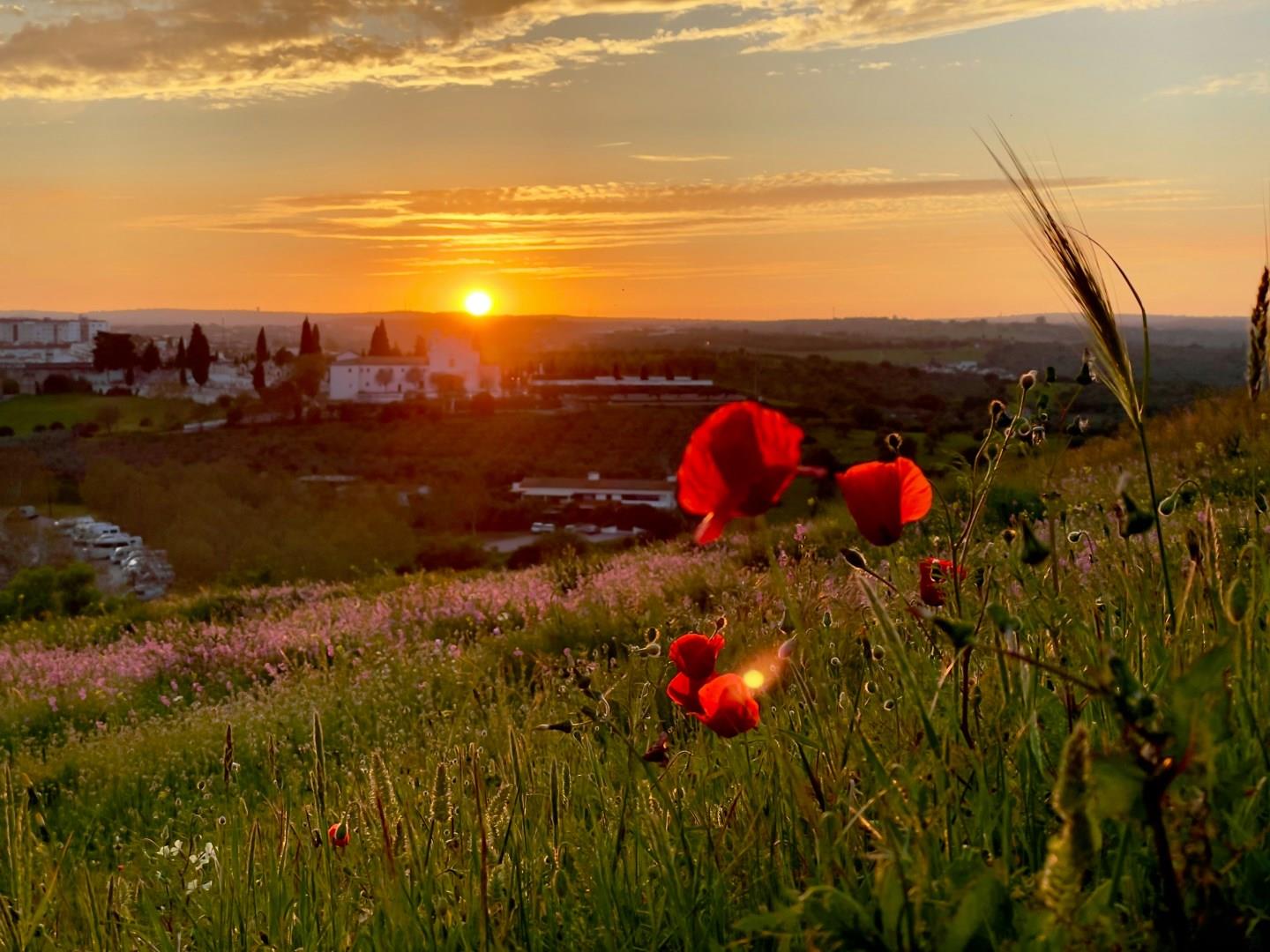
Elvas rises from the Alentejo plains near the Spanish border as one of Portugal’s most striking fortified towns, shaped by centuries of defense, resilience, and daily life along the frontier. Encircled by an immense network of walls, bastions, and hilltop forts, the town tells a clear story of strategy and survival, from the sweeping views at Forte da Graça to the quiet streets within the historic center.
Lake Malawi
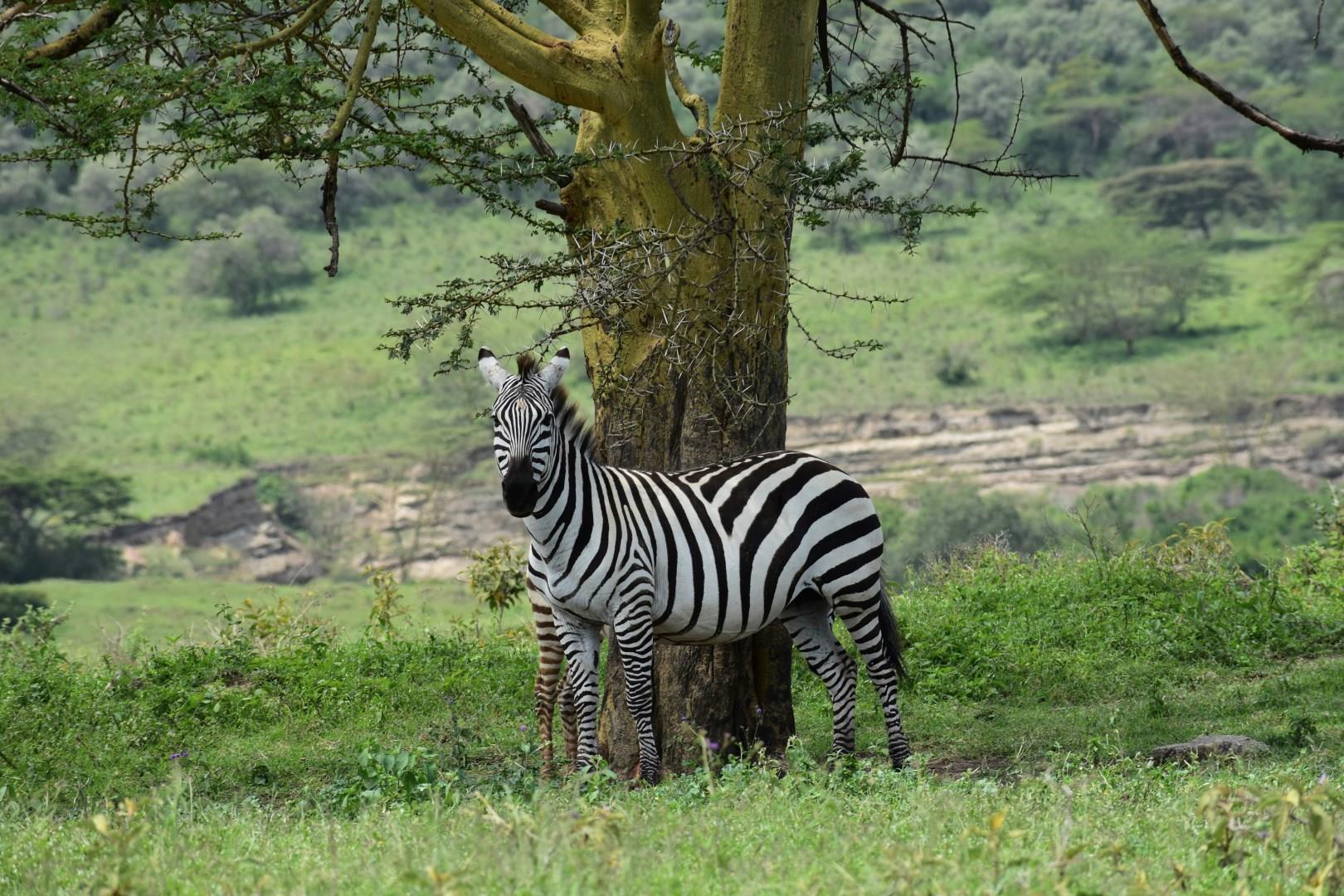
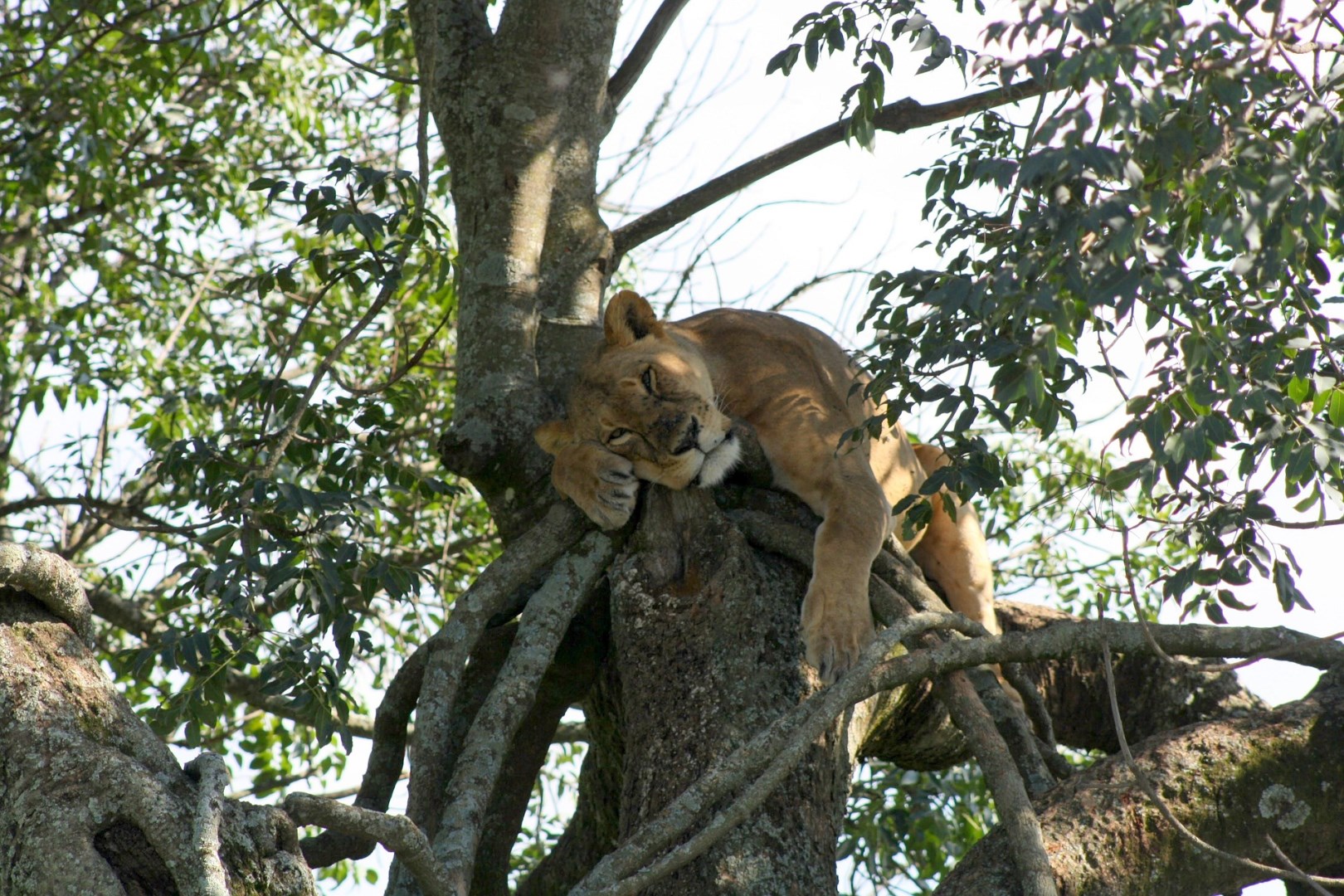
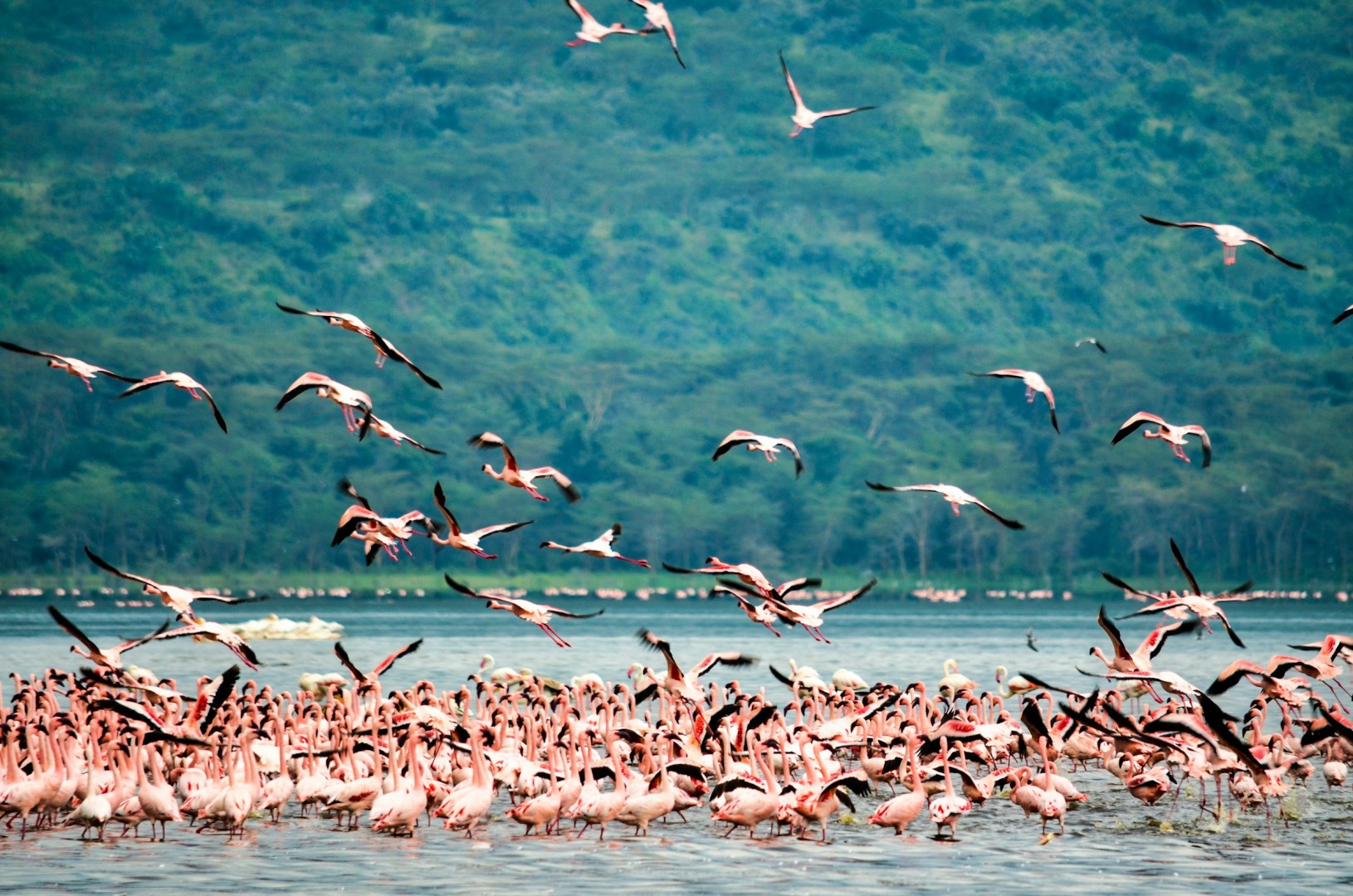
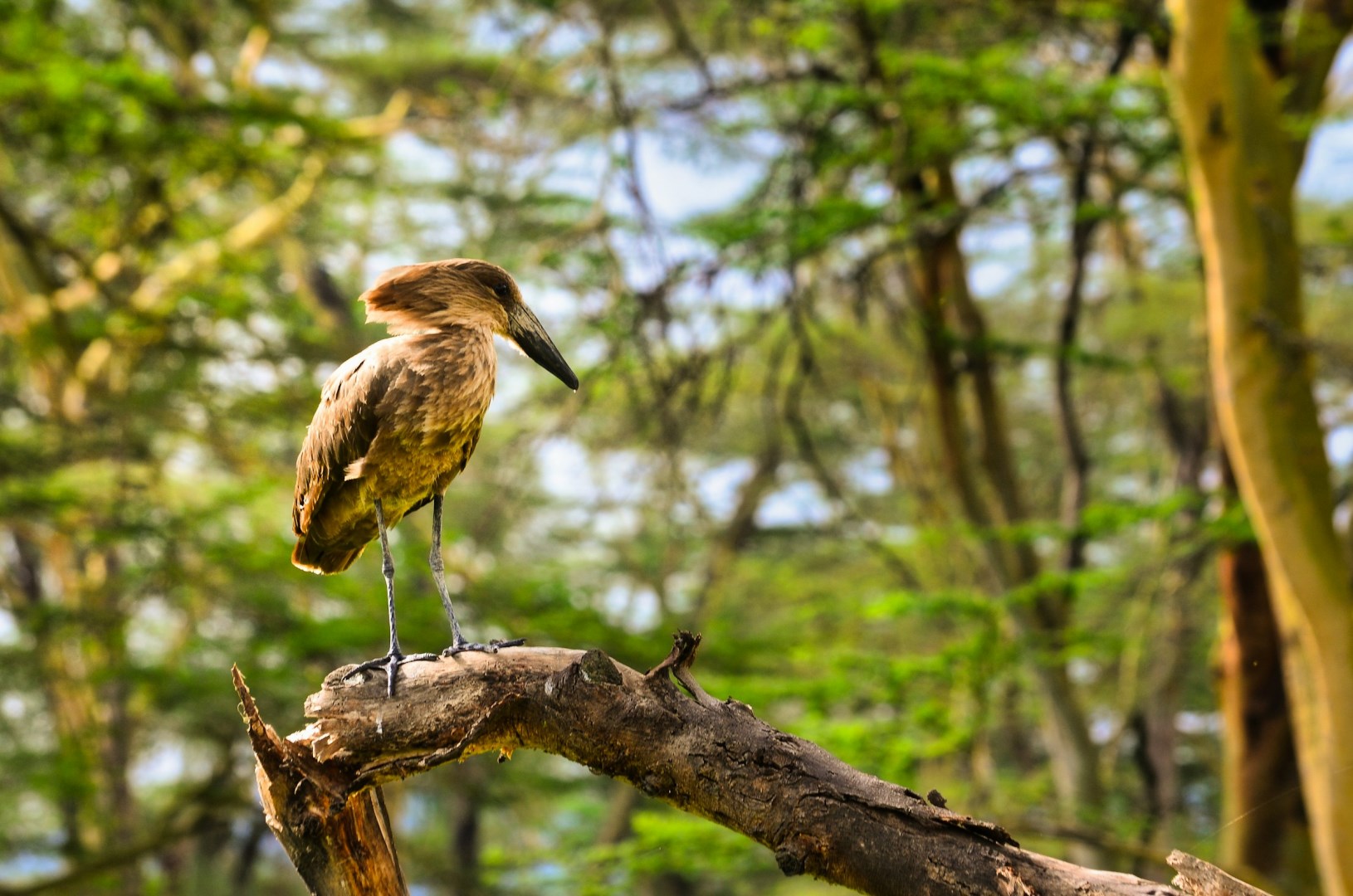
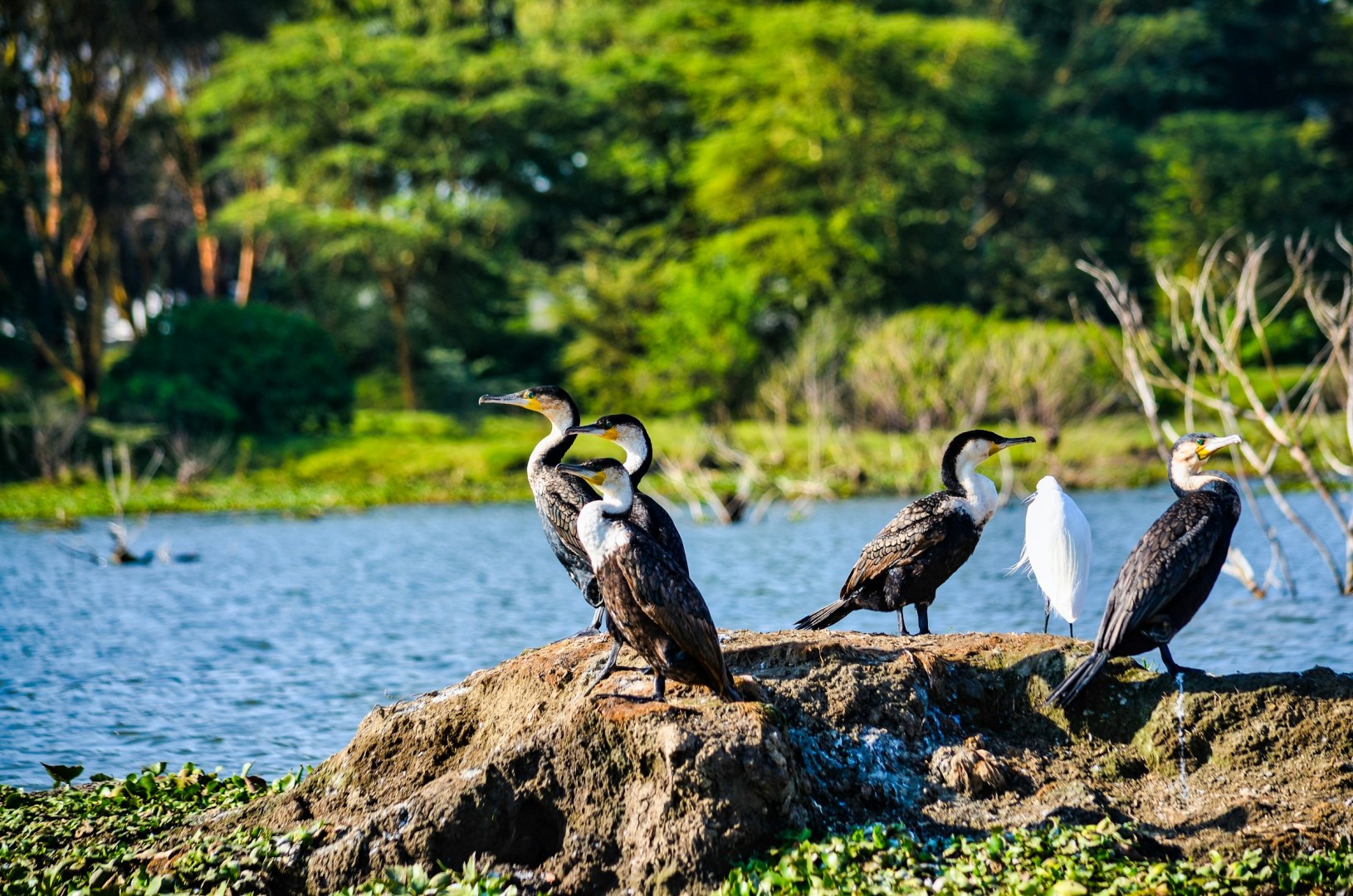
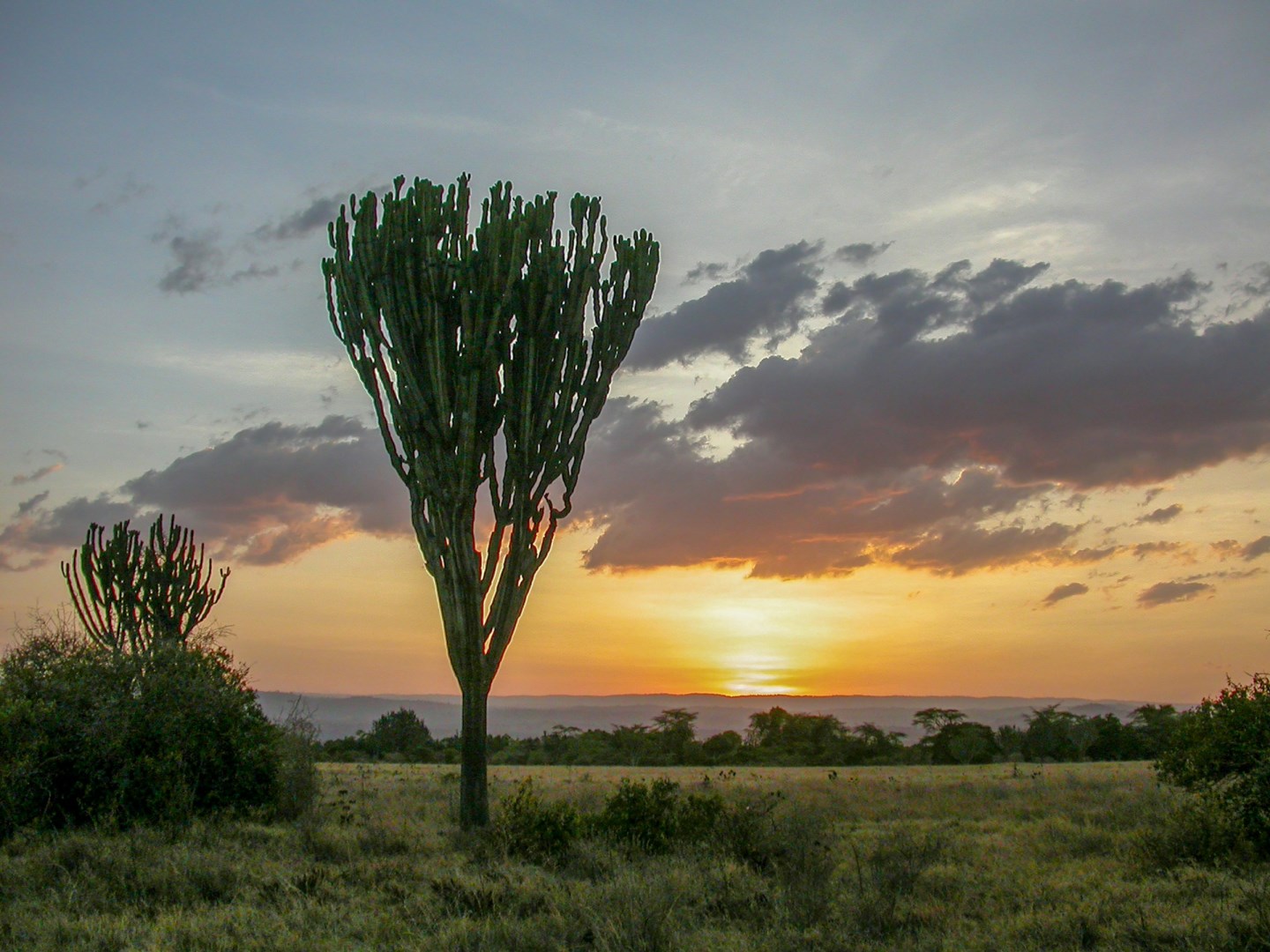
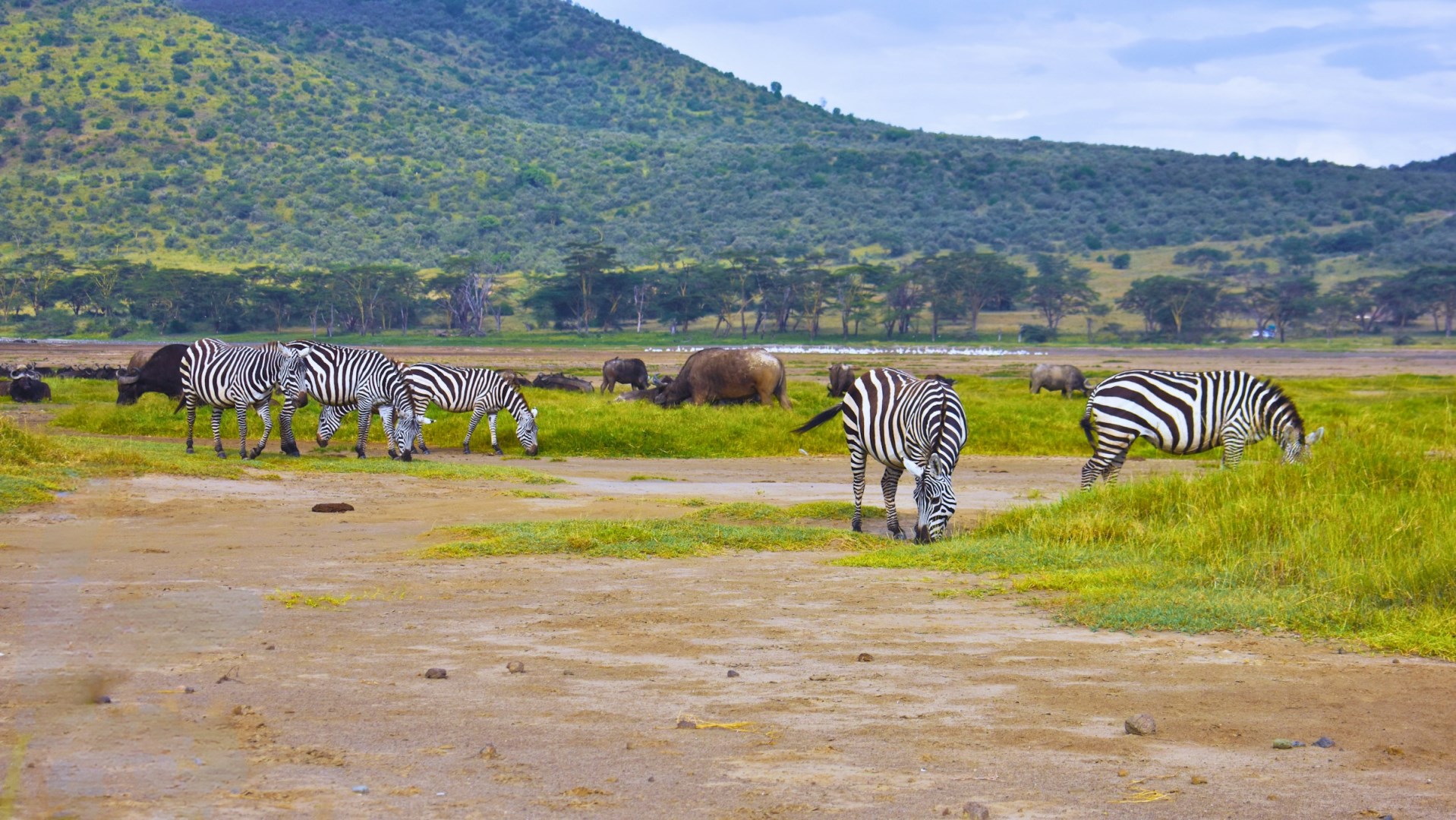
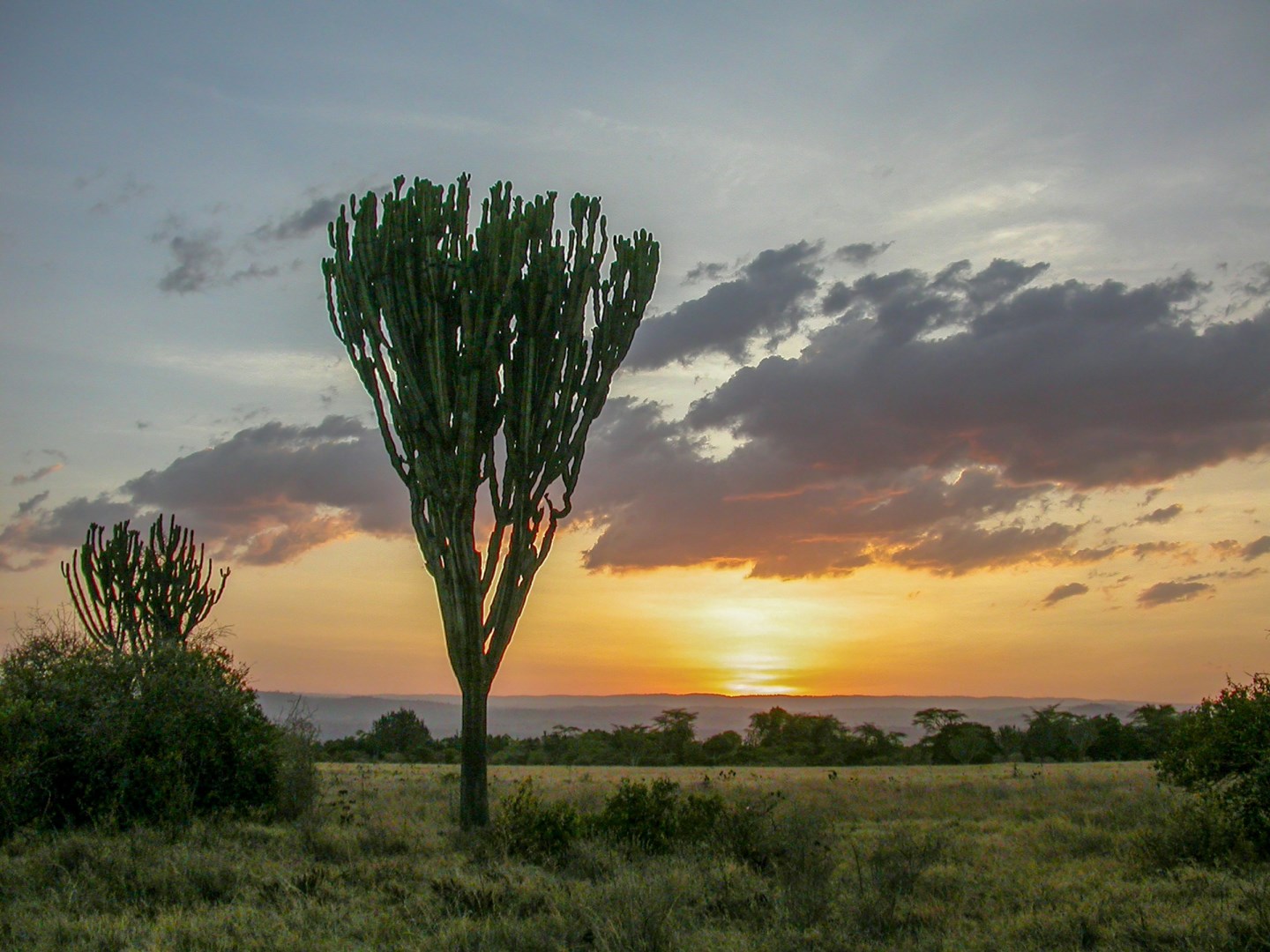
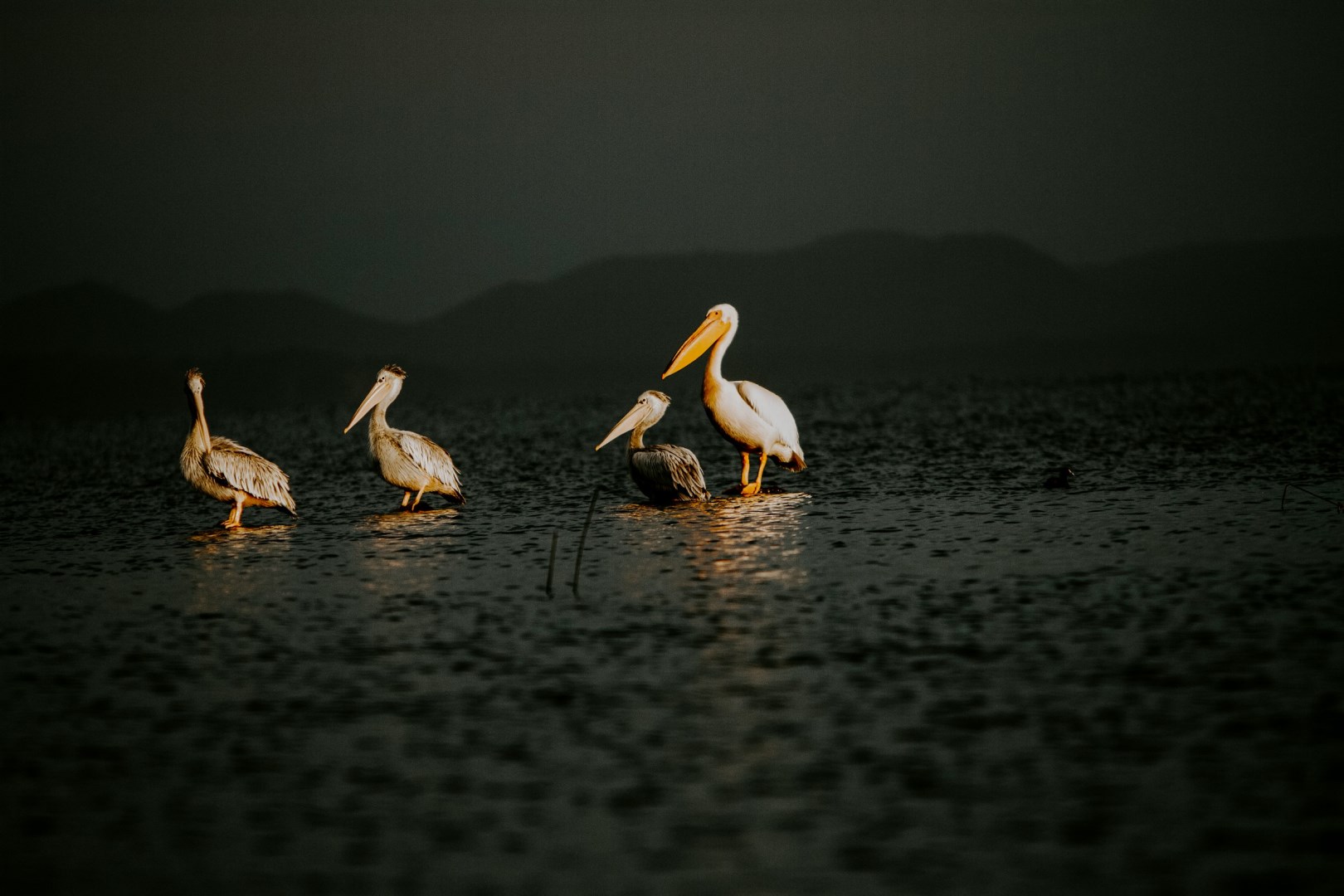
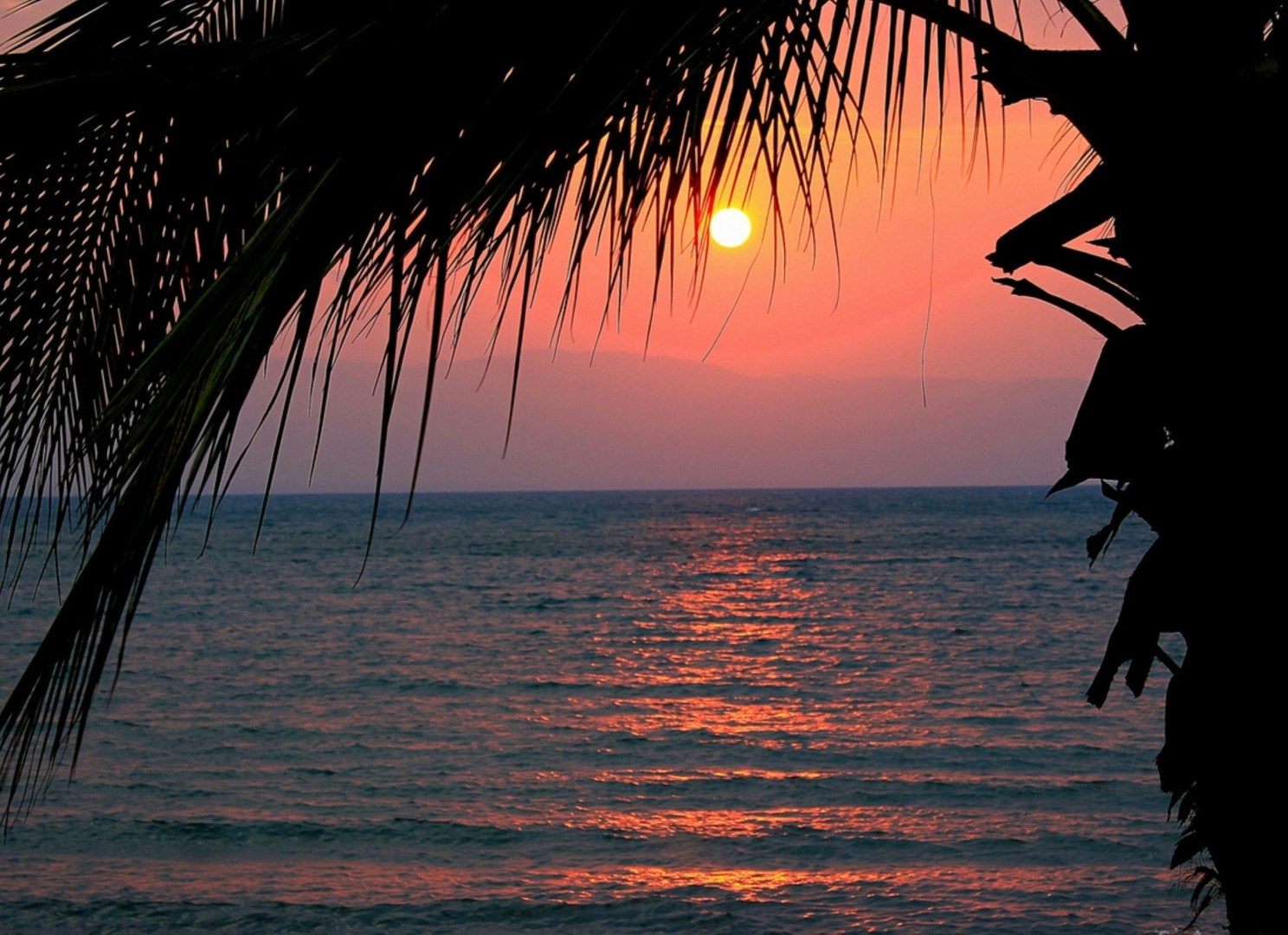
Lake Malawi - The Lake of Stars - is an immense inland sea of fresh, crystal clear water in which tropical fish abound. Its shores and the deserted islands which dot its surface are home to a variety of game and an abundance of exotic birdlife. Local fishermen leisurely paddle their traditional "mokoros", or dugouts, across its expanse, and the sun drenched serenity is but enhanced by the shriek of a Fish Eagle or the grunting of distant hippo.

Cape Horn
Located off the southern coast of Chile, Cape Horn is a coastal headland on Isla Hornos, the southernmost island in the Tierra del Fuego archipelago. The Cape Horn Monument provides a spectacular panoramic view of the Pacific and Atlantic Oceans. This rocky cliffside is a popular stop for Antarctic and South American cruises.
Jupiter
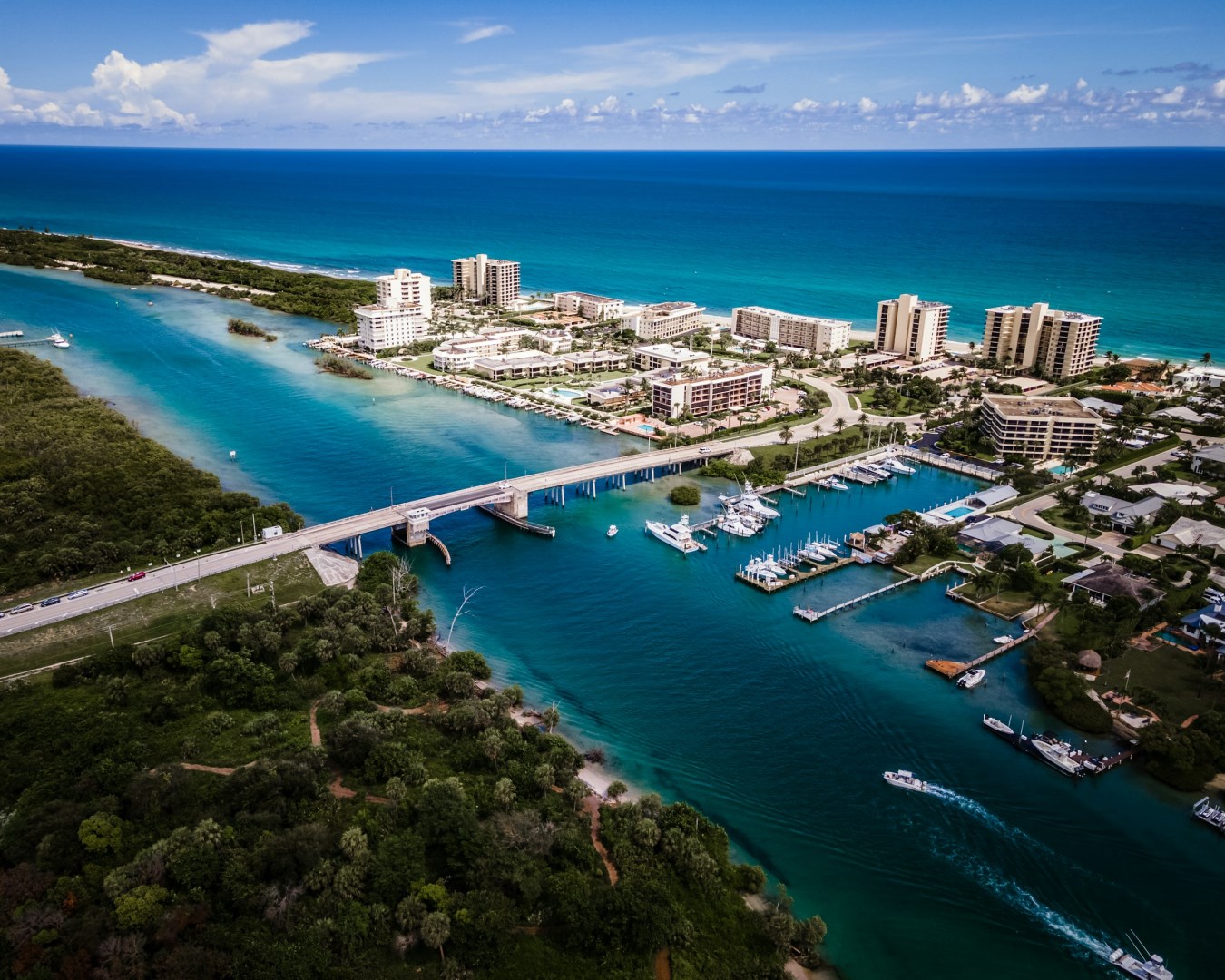
The Treasure Coast area, from Jupiter north to Vero Beach, can be considered to be "sleapy." The pace of life is slow here, which is why people live and visit. Just because the pace is slow, however, doesn't mean nothing happens here. There are plenty of events, too, that are worth driving to attend.
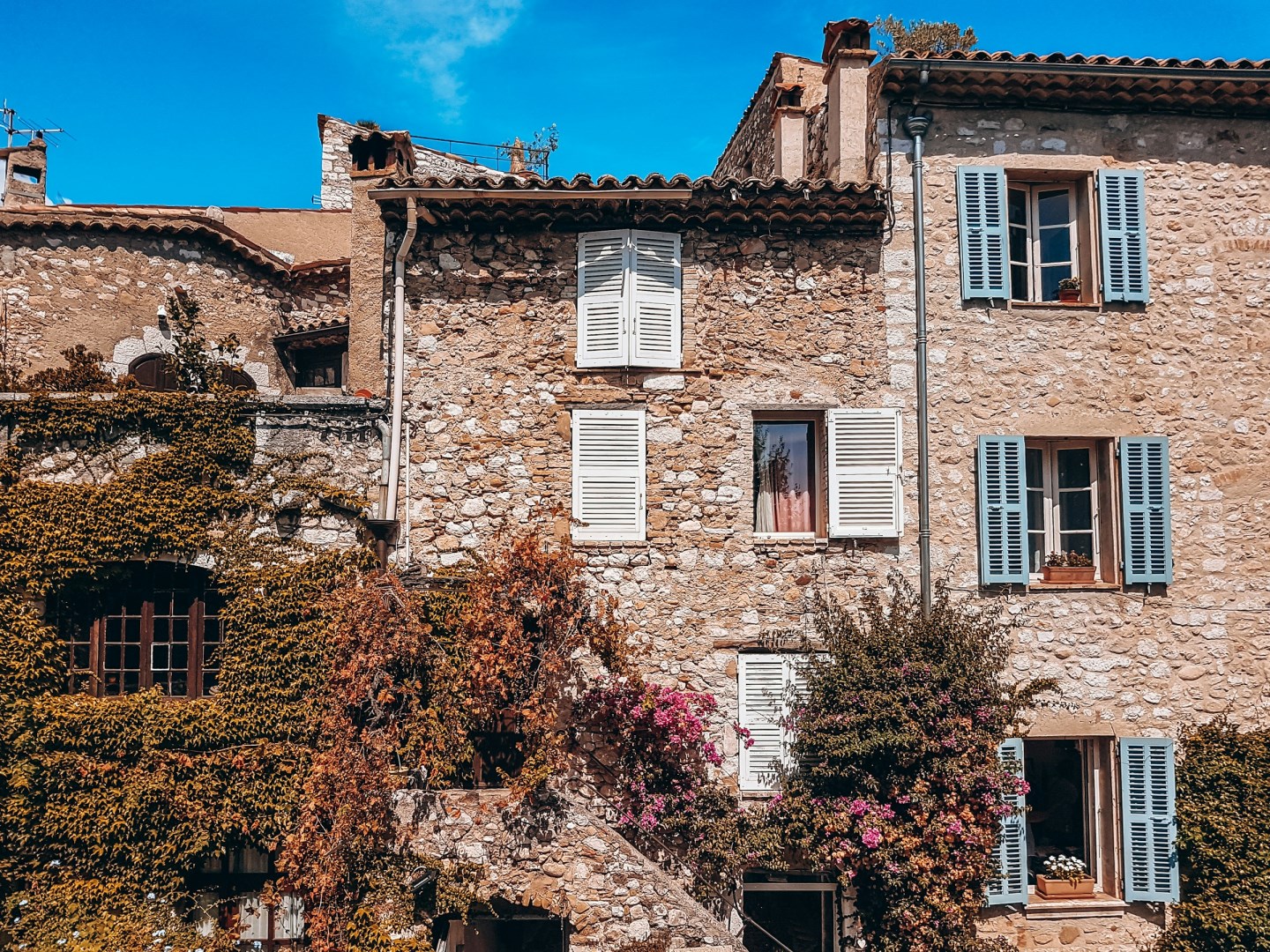
Saint Paul De Vence
The quaint village of St. Paul De Vence is situated on top of a hill overlooking the beautiful countryside. This medieval, walled town offers historic buildings, hidden alleyways, museums and many specialty shops.