
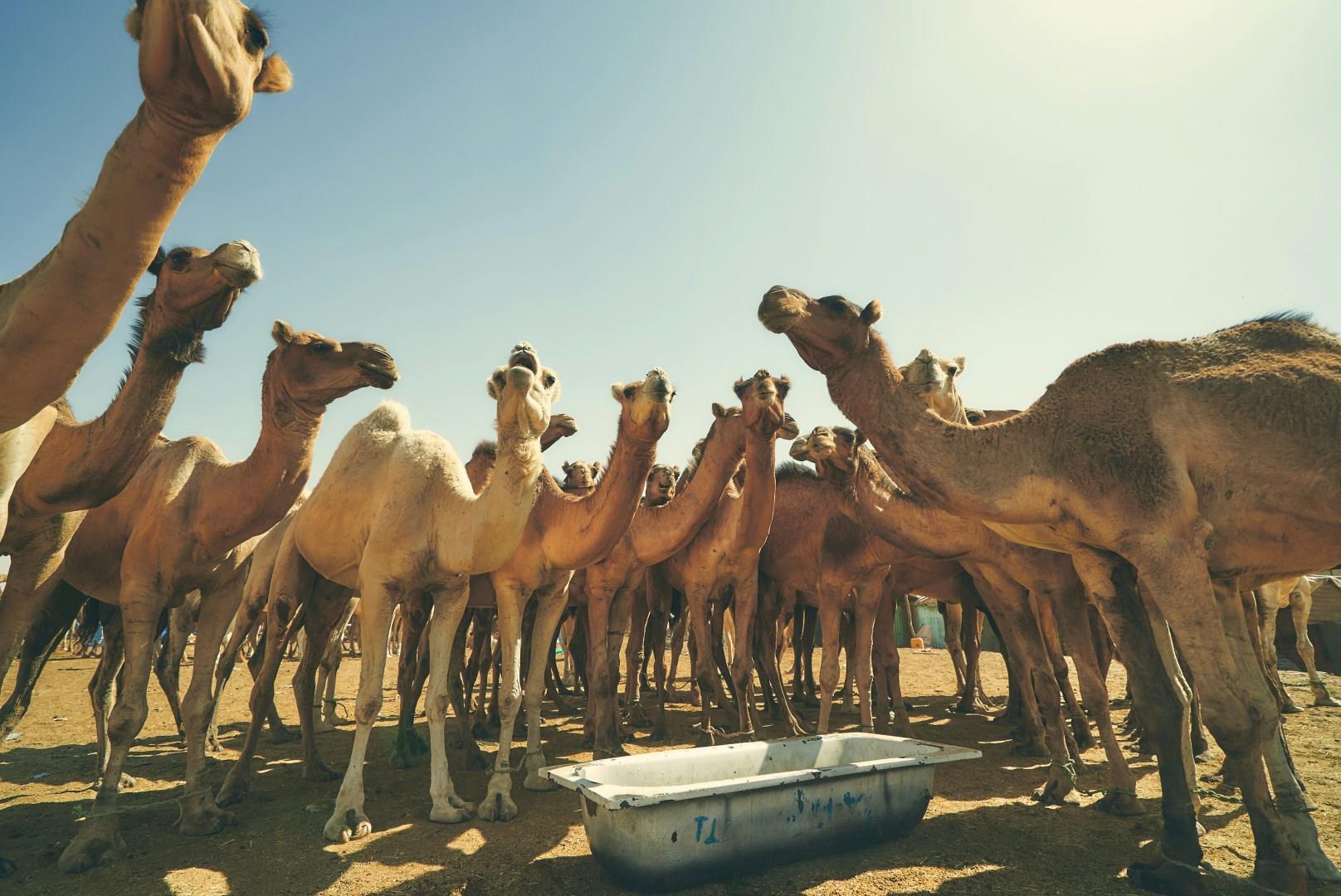
Nouakchott
Nouakchott, the capital of Mauritania, is a city that blends the desert’s quiet rhythms with the daily life of a growing urban center. Its coastal setting, unique cultural traditions, and access to the desert make Nouakchott both an introduction to Mauritania and a gateway to exploring the country further.
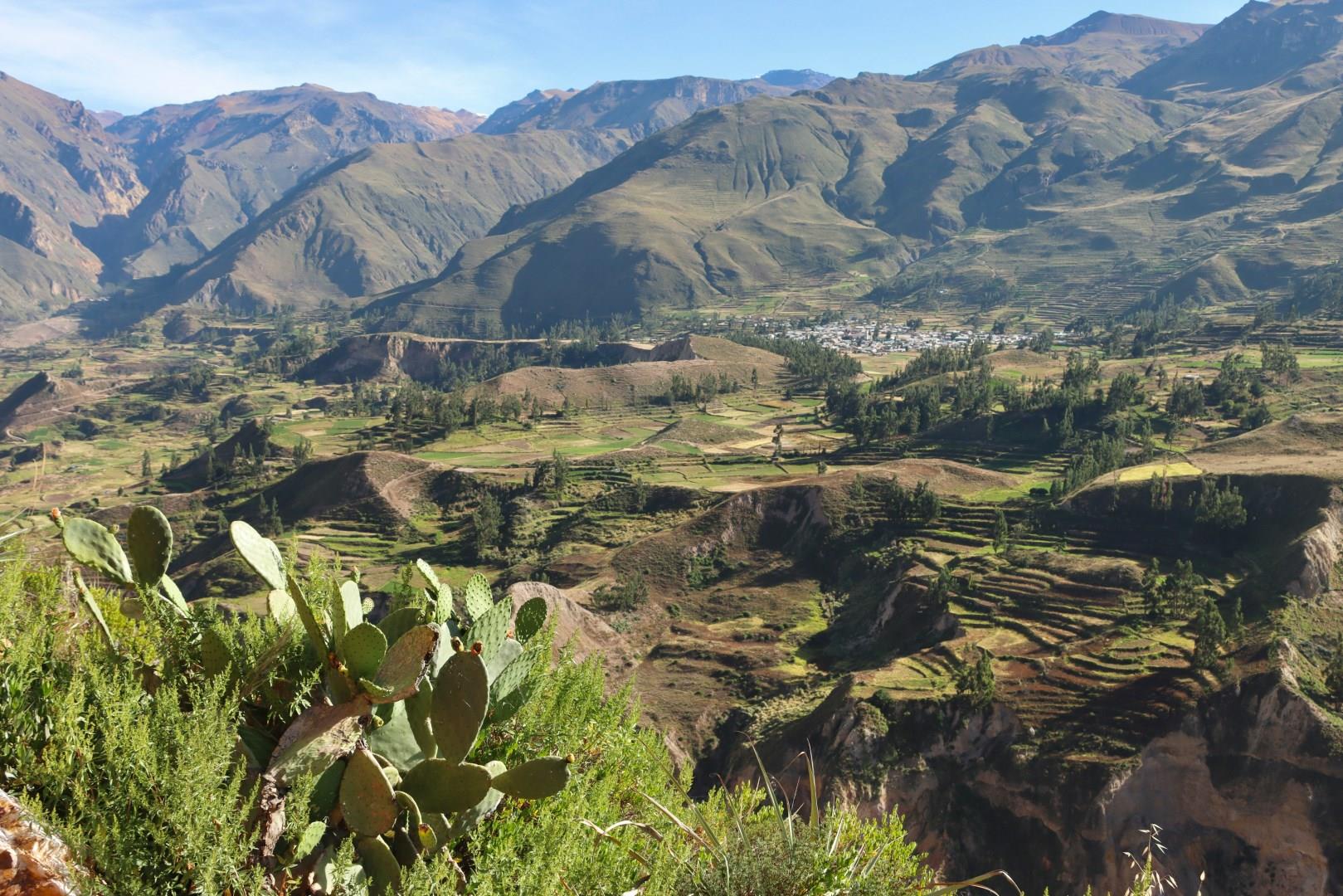
Colca Canyon
Colca Canyon, located in southern Peru’s Arequipa region, is one of the deepest canyons in the world, twice as deep as the Grand Canyon in some areas. What makes it stand out even more is how human settlements have coexisted with the landscape for centuries. Along its walls, pre-Inca agricultural terraces still hold crops like corn and quinoa. One of the main draws of the canyon is the opportunity to see Andean condors in flight.

Ålesund
Bright red Molja Lighthouse beckons you to explore Alesund, the tiny seaside town along the western fjords of Norway. A popular destination for Norwegian cruises, this coastal jewel will charm you with a colorful harbor, verdant natural beauty, and fresh seafood.
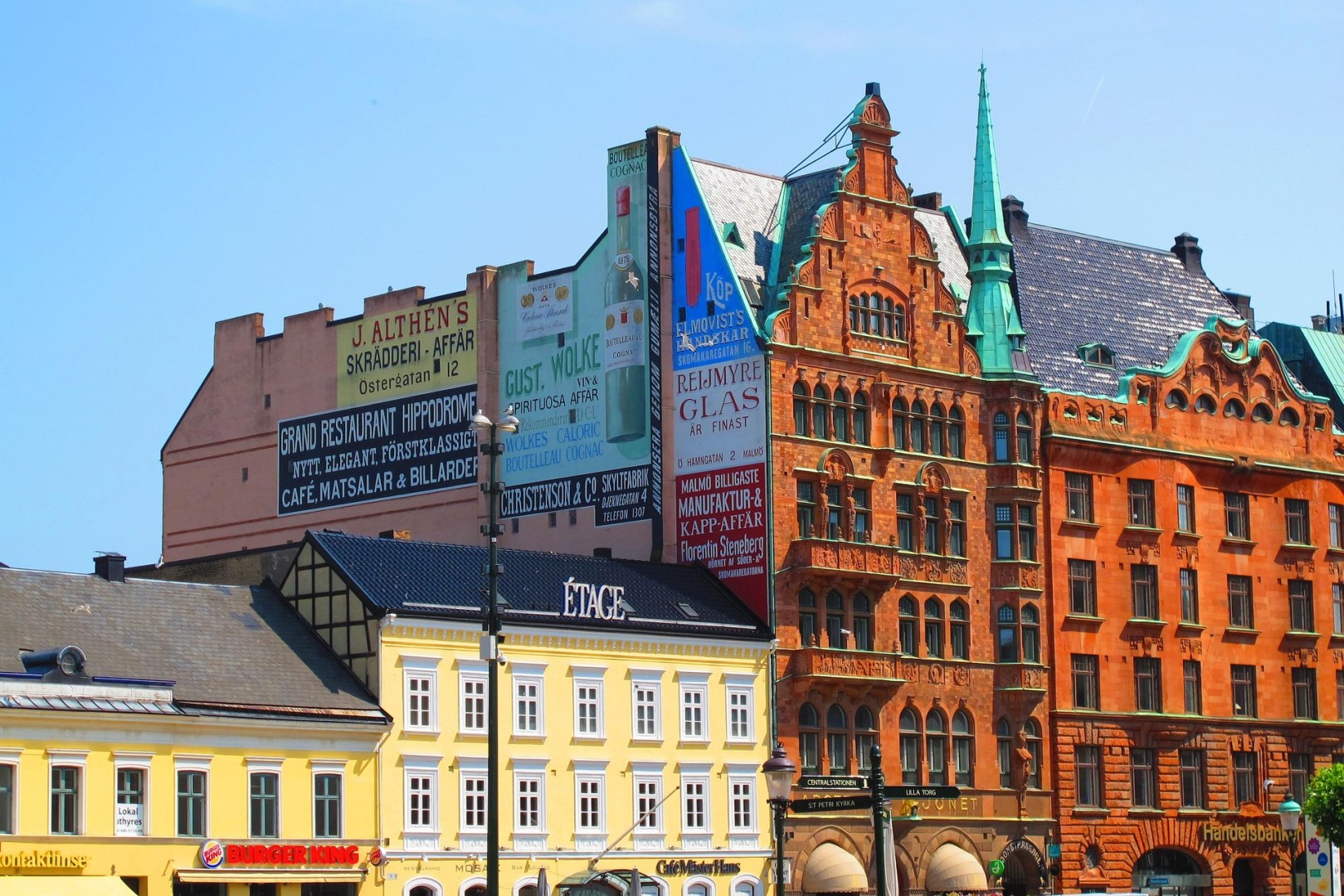
Malmö
Malmö is Sweden’s third-largest city, located in the southern province of Skåne beside the Öresund Strait. Its position opposite Copenhagen has made it an important port, trading center, and meeting place, while the city today combines historic neighborhoods with modern architecture and extensive parks.

Frederiksted
Frederiksted is a historic coastal town on the western end of St. Croix in the U.S. Virgin Islands, set beside a deep-water bay and a long waterfront. Pastel-colored buildings, palm-lined streets, the Frederiksted Pier, and nearby beaches give the town a distinctly maritime setting. The compact community is closely associated with Fort Frederik, a red-brick Danish fort overlooking the harbor.


