

Canterbury
Canterbury is a large region on New Zealand’s South Island, stretching from the Pacific coast across the broad Canterbury Plains to the Southern Alps. Its landscape changes from farmland and vineyards to high mountains, glacial lakes, braided rivers, and rugged coastline. Christchurch, the region’s main city, provides a cultural and urban centre with the Botanic Gardens, Avon River, museums, galleries, and distinctive post-earthquake architecture.

Denver
Denver, Colorado, known as the “Mile High City” for its elevation exactly 5,280 feet above sea level, offers far more than a mountain backdrop. It’s a city where old saloons, Victorian homes, and vintage brick warehouses sit beside sleek skyscrapers and buzzing food halls. While the nearby Rocky Mountains are visible from almost anywhere in the city, places like City Park and Washington Park offer wide green spaces right in town.

Kirkwall Orkney Island
Kirkwall, the vibrant capital of the Orkney Islands, Scotland, is a place where history and culture intertwine with stunning natural landscapes. Founded by Norse settlers over a thousand years ago, Kirkwall is steeped in Viking heritage, with its centerpiece, the magnificent St. Magnus Cathedral, standing as a testament to the town’s medieval past.
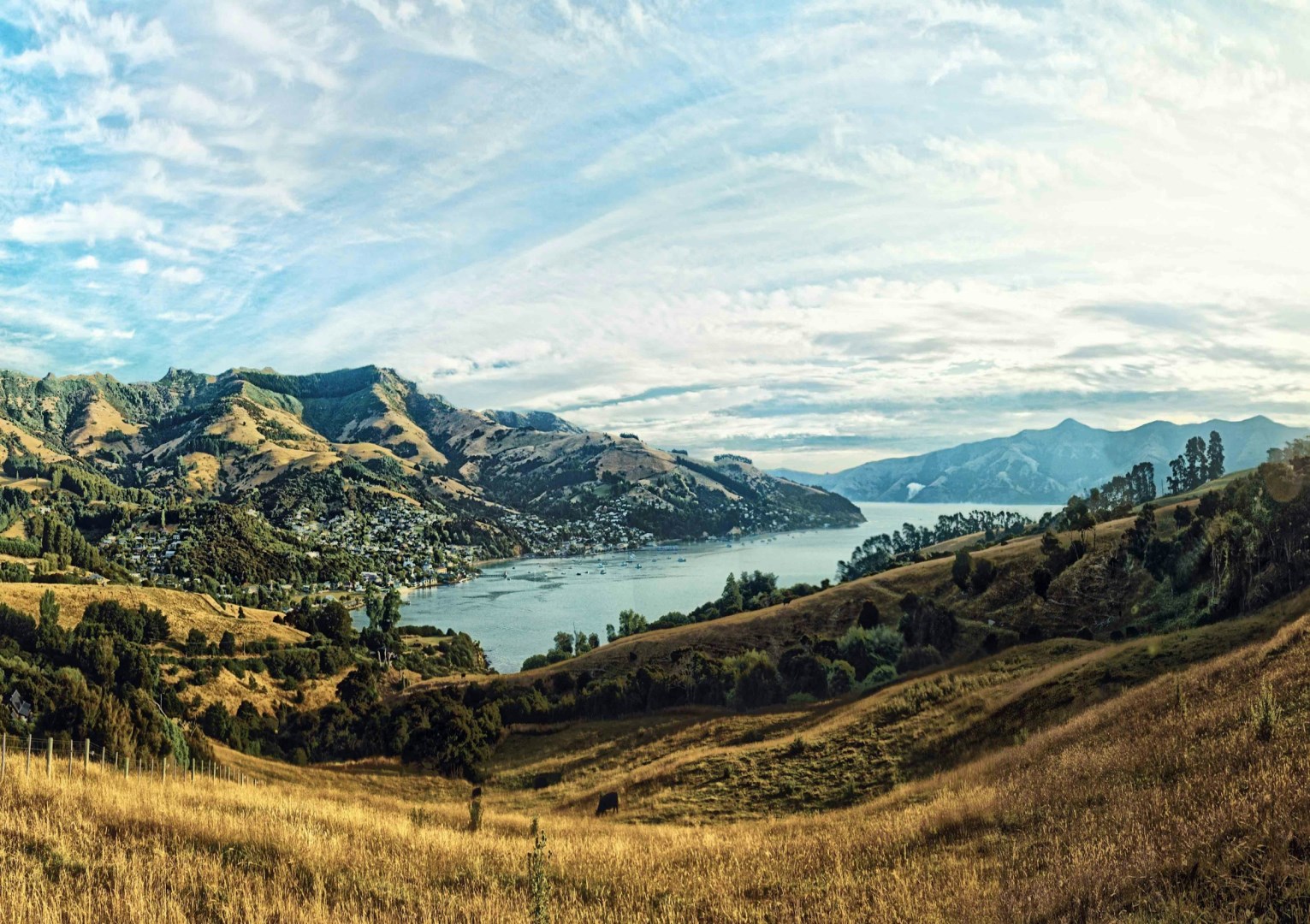
Akaroa
Akaroa is a small seaside settlement on Banks Peninsula in Canterbury, built around a sheltered harbour formed within an ancient volcanic landscape. Its streets contain French-inspired names, colonial buildings, cafés, and cottages, giving the town a distinctive character within New Zealand. The surrounding peninsula is shaped by steep volcanic hills, sheltered bays, farmland, and winding coastal roads.
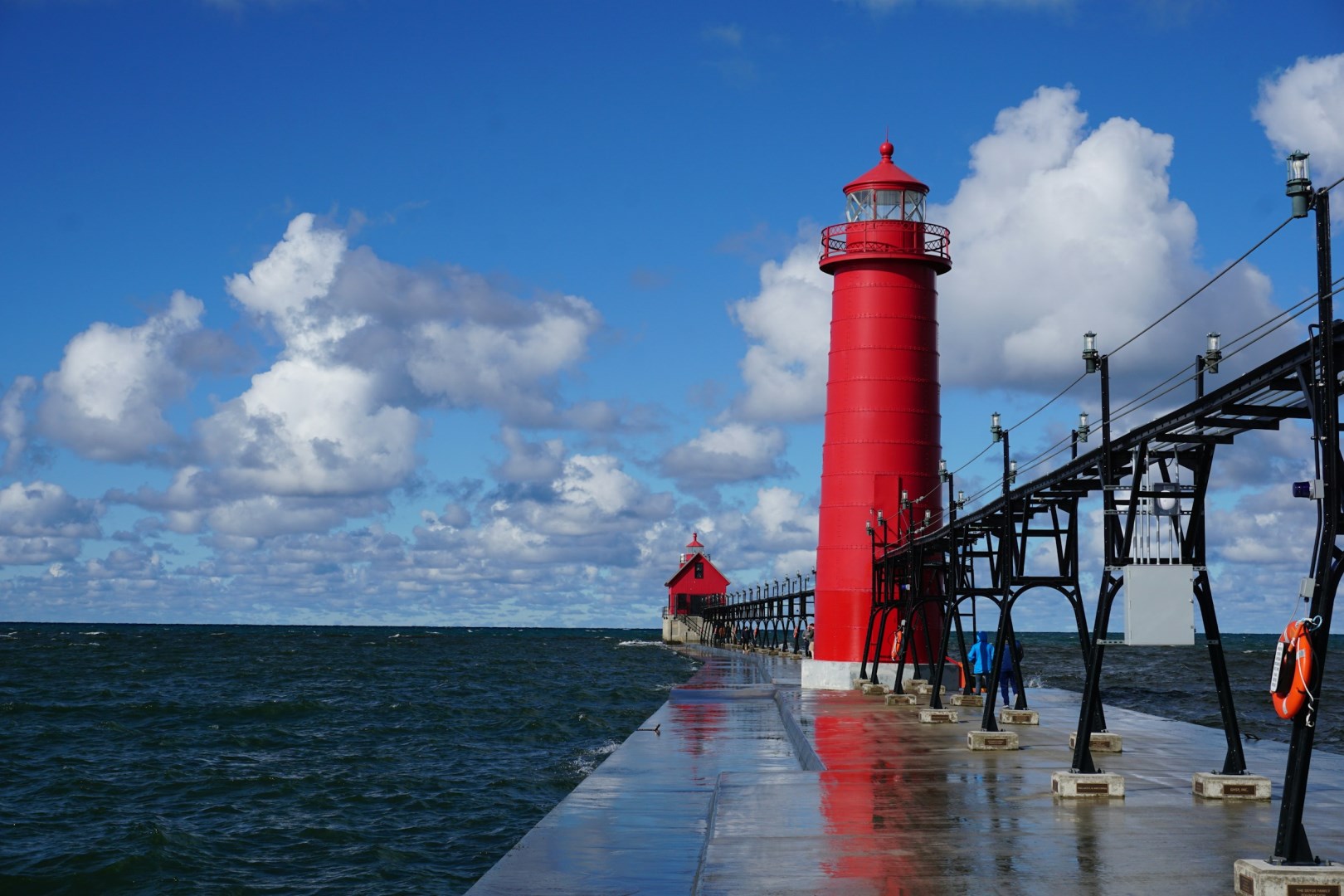
Grand Haven
Glen Haven is a small historic lakeside settlement on the western side of Michigan’s Leelanau Peninsula, within Sleeping Bear Dunes National Lakeshore. It sits along Lake Michigan beside a sheltered natural harbor, with forested hills and steep dunes rising behind the shoreline. Unlike nearby towns, Glen Haven is primarily a preserved historic site rather than a conventional residential community.


