Wiencke Island
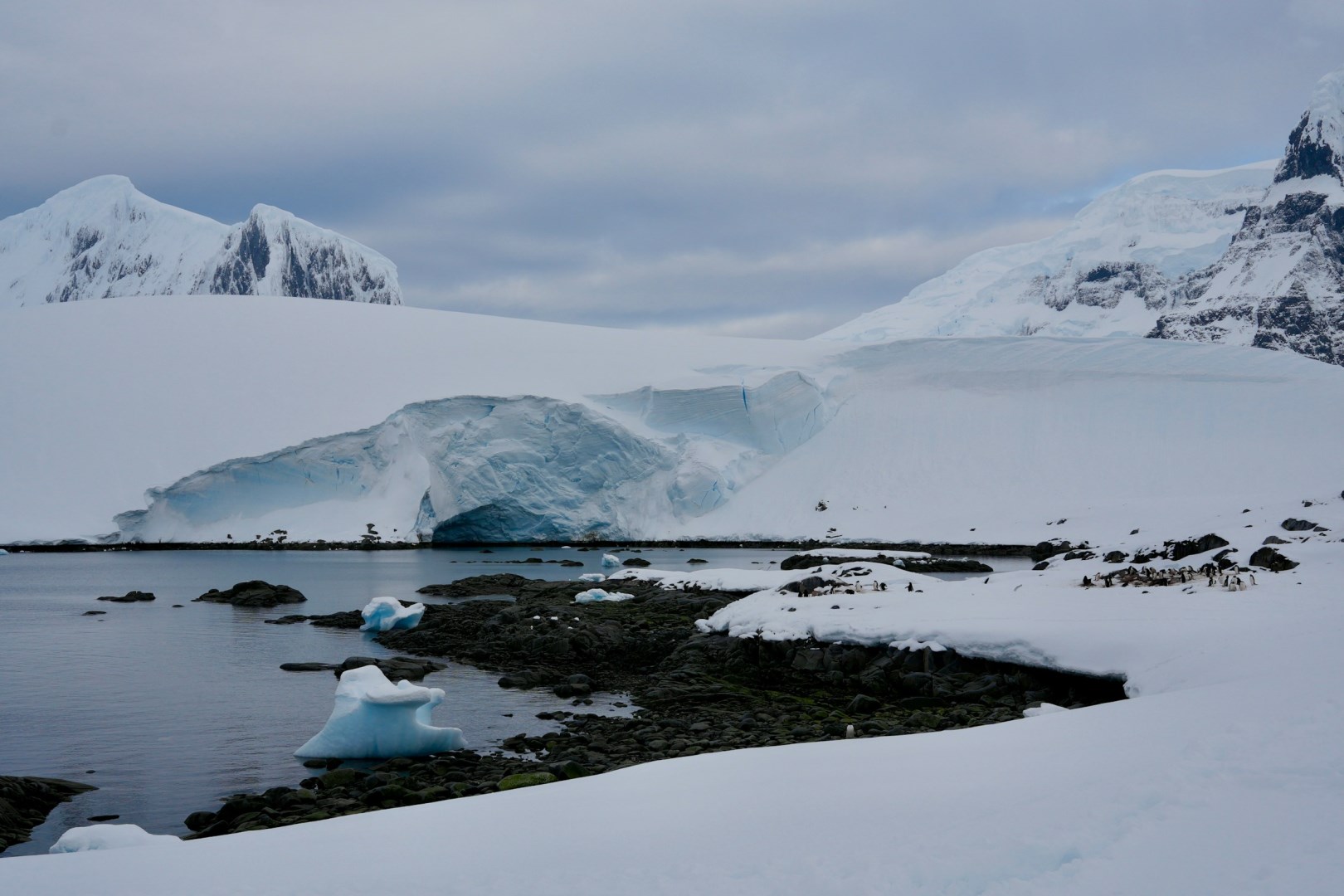
Wiencke Island lies off the west coast of the Antarctic Peninsula, separated from Anvers Island by the narrow Gerlache Strait. The island is mountainous and heavily glaciated, with steep slopes rising from a rugged coastline of rocky shores, snowfields, and ice. Several sheltered coves provide access for expedition vessels, while the surrounding waters are often dotted with icebergs and sea ice.
Gythion
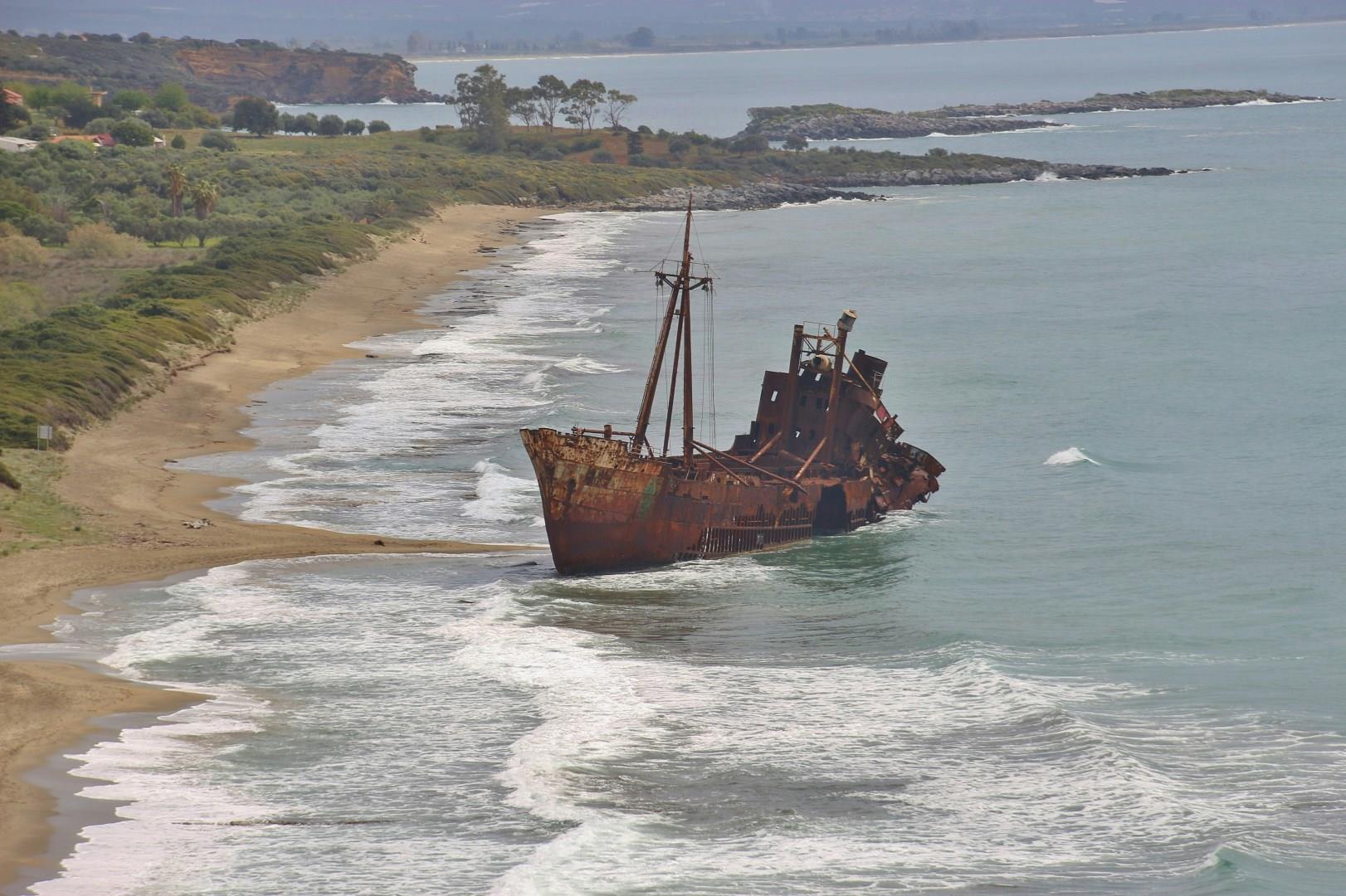
Greece’s southern coastline is home to Gythion, a historic port town nestled in the Peloponnese region. Once the naval base of ancient Sparta, Gythion has played a key role in maritime history for centuries. Today, its harbor is lined with colorful neoclassical buildings and fishing boats, creating a picture of daily life that remains connected to its seafaring roots. Just offshore lies Cranae Island, linked to the mainland by a stone causeway.
Hot Springs
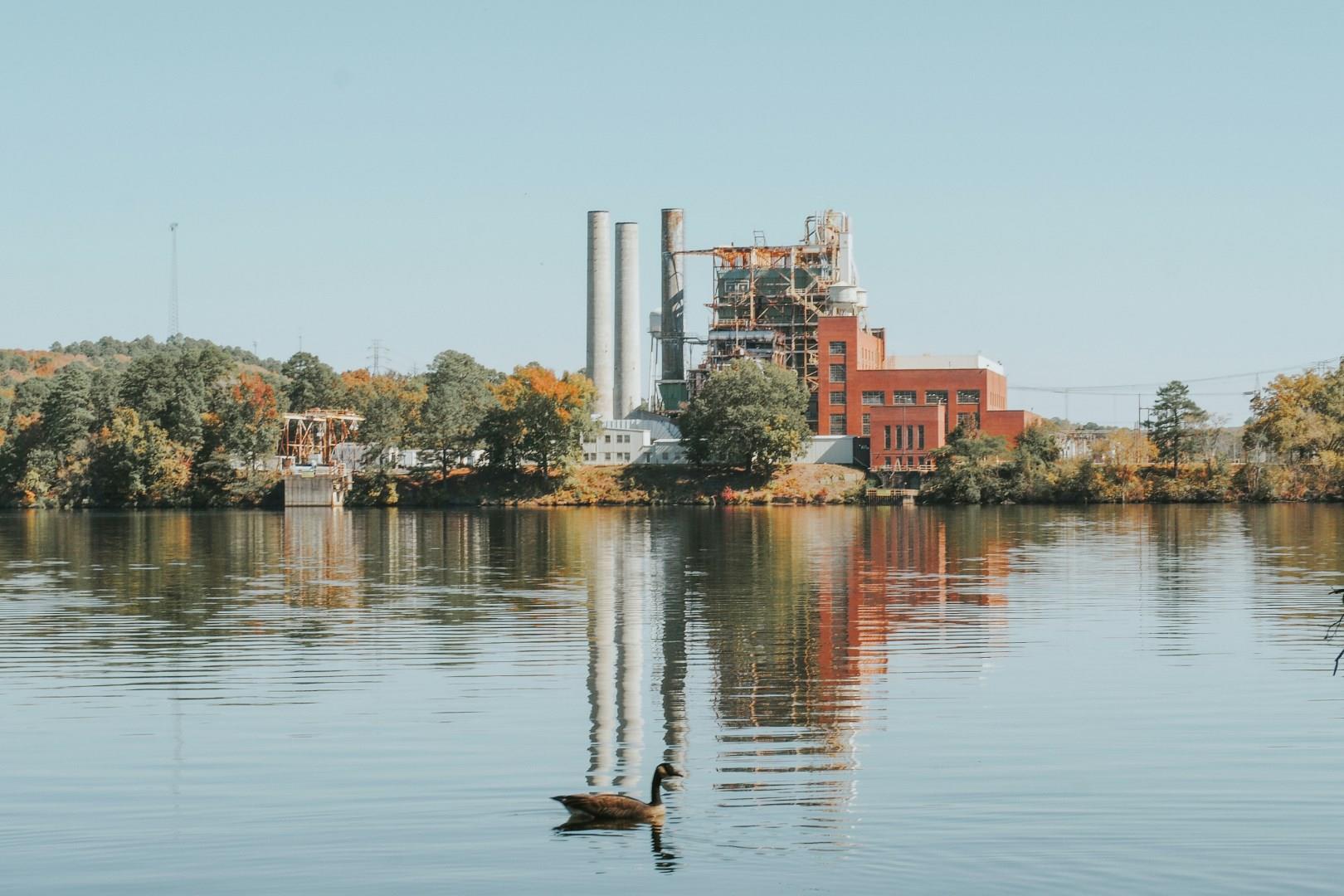
Hot Springs, Arkansas has been drawing visitors for centuries, and it all starts with the water. The city sits atop a natural thermal spring system that produces nearly a million gallons of 143-degree water each day. These springs gave rise to Bathhouse Row, a stretch of eight historic bathhouses within Hot Springs National Park. Some, like the Fordyce Bathhouse, now serve as museums, while others still offer traditional thermal soaks.

Cartagena
A true gem on the Caribbean coast, the port city of Cartagena (Cartagena de Indias) welcomes visitors with its charming old town, colonial buildings, and exceptional beaches. A popular cruise ship stop, many seafarers find themselves honorary Cartagenans, as they stroll shady, cobblestone lanes and gaze upon impressive churches.
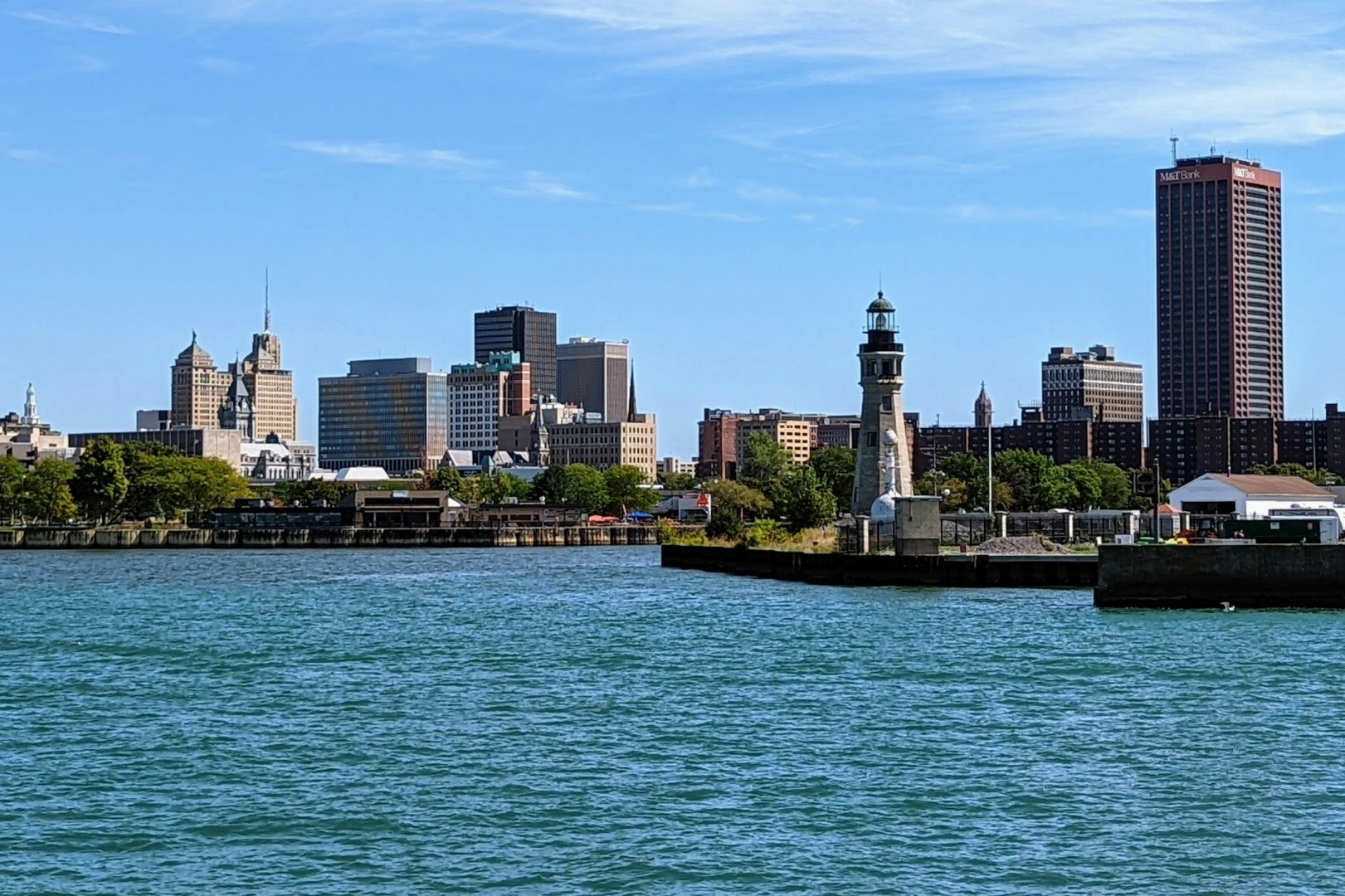
Buffalo
Buffalo, the second-largest city in New York State, sits at the eastern end of Lake Erie where the Niagara River begins its journey toward Niagara Falls. Once a powerhouse of American industry and trade, Buffalo thrived in the 19th and early 20th centuries as a major shipping and manufacturing hub, thanks to its strategic location along the Erie Canal and Great Lakes.