Gili Air
Gili Air is the easternmost of the three Gili Islands, located just off the northwest coast of Lombok in West Nusa Tenggara. The small island is surrounded by coral reefs and shallow tropical waters, with sandy beaches and coconut palms lining much of its coast. Gili Air has a resident community and a more relaxed settlement pattern than Gili Trawangan, while still offering guesthouses, restaurants, cafés, and dive centers.
Antsirabe
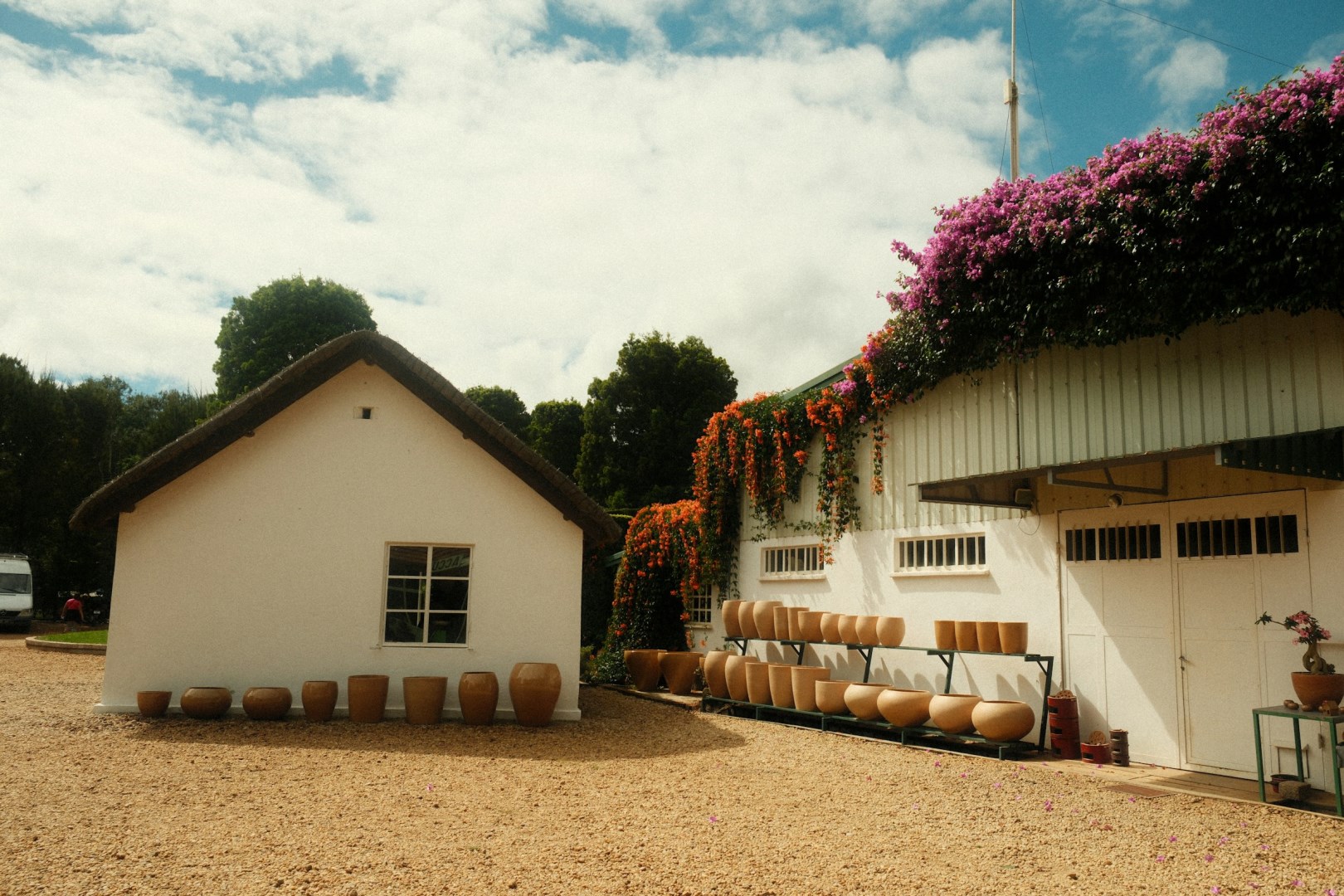
Antsirabe is a highland city in central Madagascar, known for its cool climate, broad streets, thermal springs, and distinctive cycle rickshaws called pousse-pousse. Located in a fertile agricultural region, it serves as an important center for farming, crafts, and local trade. The surrounding landscape includes rice fields, volcanic hills, and cultivated countryside, while the city itself has a more orderly layout than many other Malagasy towns.

Edinburgh
In Edinburgh, an ancient fortress looms, the hills are steep, and travelers delight in the hidden charms of the Old Town and New Town. Hike to find spectacular views on Arthur's Seat, shop the downhill streets of the Royal Mile, and visit Edinburgh Castle, an imposing royal fortress that defines this city's skyline.
Rockland
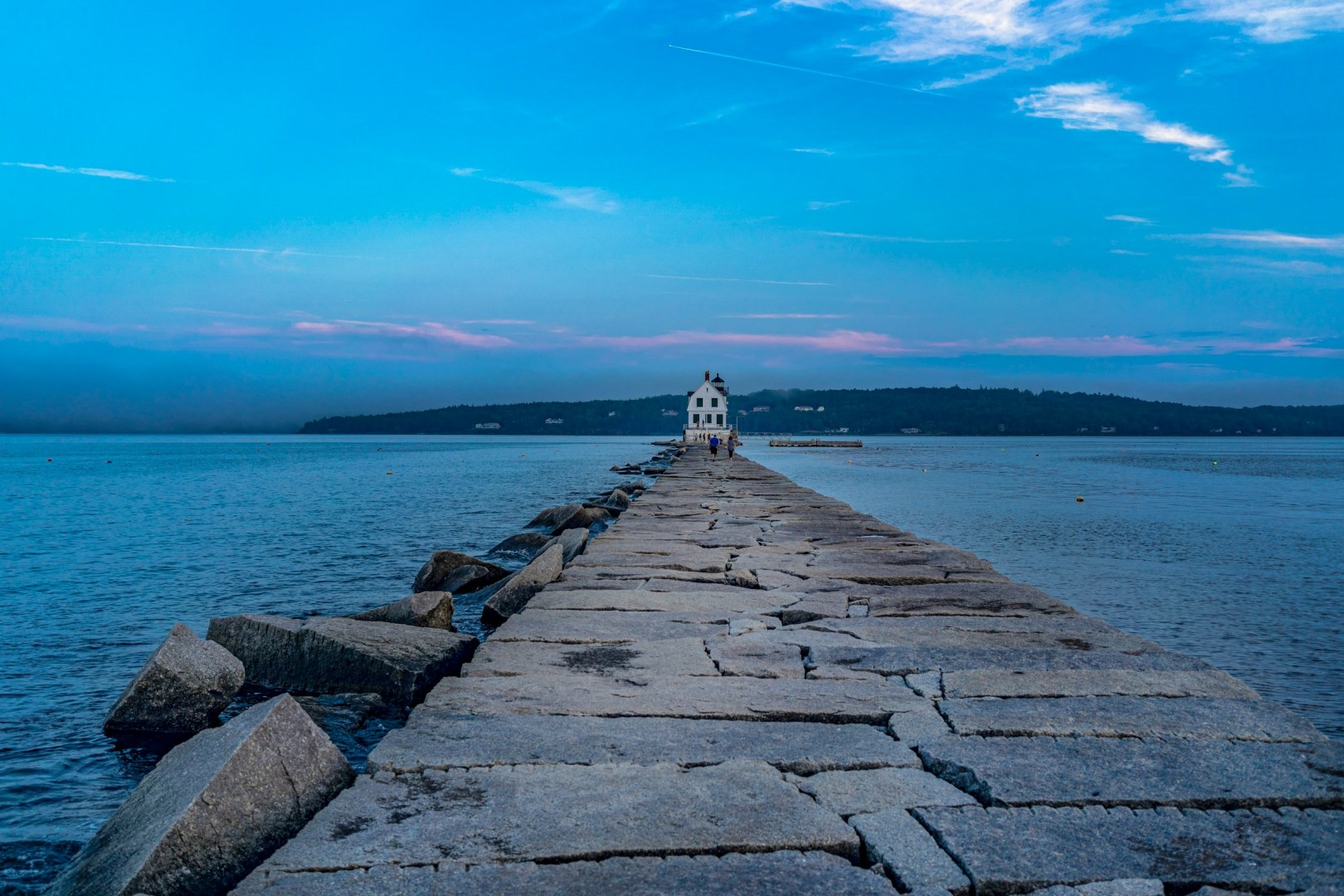
Rockland is a coastal city in Maine on the western shore of Penobscot Bay, known for its working harbor, maritime industries, and connection to the surrounding Midcoast landscape. The city developed around shipbuilding, fishing, lime production, and coastal trade, and its waterfront remains an important part of daily life. Rockland Harbor is sheltered by islands and peninsulas, with commercial fishing boats, pleasure craft, and passenger vessels using its waters.

Algarve
The Algarve, Portugal's southernmost region, is a treasure trove of stunning landscapes and rich cultural experiences. Renowned for its breathtaking coastline, the Algarve boasts dramatic cliffs, golden sandy beaches, and crystal-clear waters. The coastline is dotted with picturesque towns like Lagos and Albufeira, which offer a blend of vibrant nightlife and tranquil beaches. The iconic Ponta da Piedade near Lagos is a must-see, with its striking rock formations and secluded caves that can be e