Dushanbe
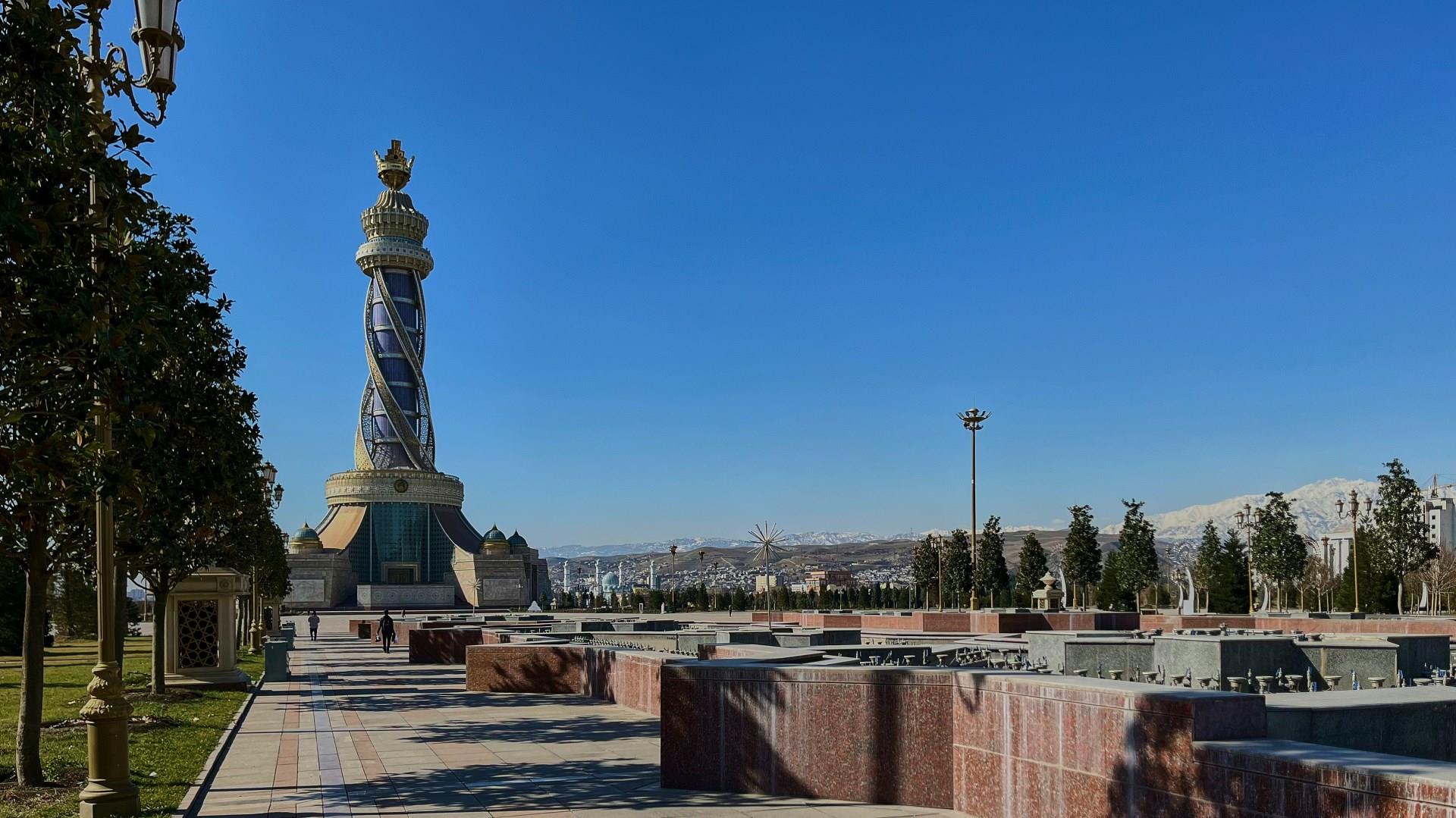
Dushanbe, the capital of Tajikistan, blends Soviet-era architecture with traditional Central Asian culture. The city is known for landmarks such as the National Library, Rudaki Park, and the striking Flagpole Square, which reflect both civic pride and the country’s heritage
Yala National Park
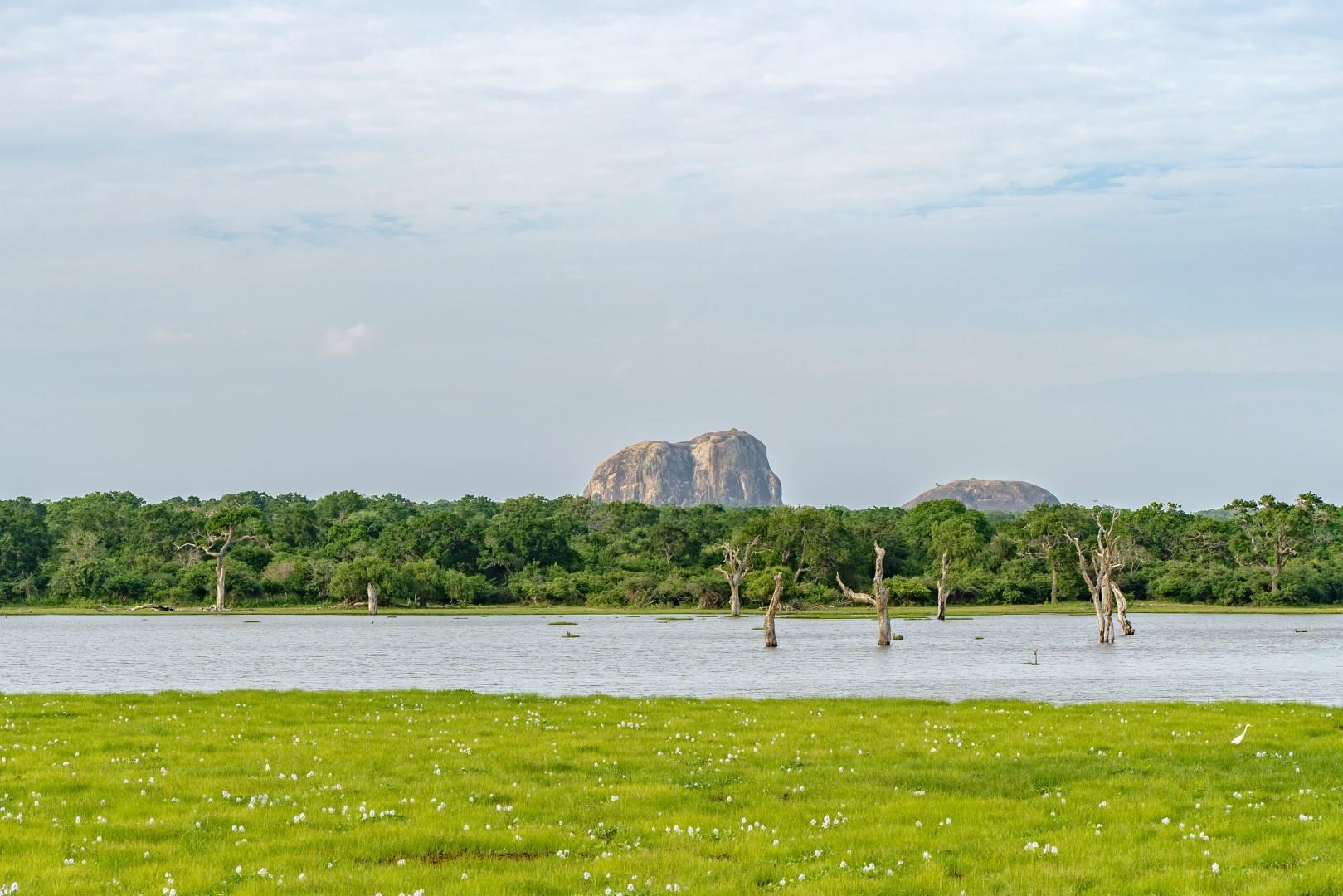
Yala National Park sprawls across Sri Lanka’s southeast, where dry plains meet lagoons and the Indian Ocean’s shoreline. It is one of the country’s oldest protected areas, first set aside as a wildlife reserve in 1900 and later declared a national park in 1938, and today invites travelers to see life thrive in a wide range of landscapes, from scrubland to sandy beaches.

Delhi
Delhi is a sprawling metropolis in North India that contains the country's capital, New Delhi. Life is abuzz and hectic here, with traffic going every which way. A huge population shuffles through Delhi's streets, alleys and food and spice-selling bazaars, and it's quite memorable to be a part of it all.

Alexandria
Located northwest of Cairo on the Mediterranean coast, Alexandria is one of Egypt's most spectacular cities and an important historical, industrial, and economic center for the country.

Gulf Of Oman
The Gulf of Oman is a region of diverse landscapes and rich history. Stretching between the coasts of Oman, the United Arab Emirates, and Iran, this gulf is lined with stunning shorelines, port cities, and hidden natural gems.