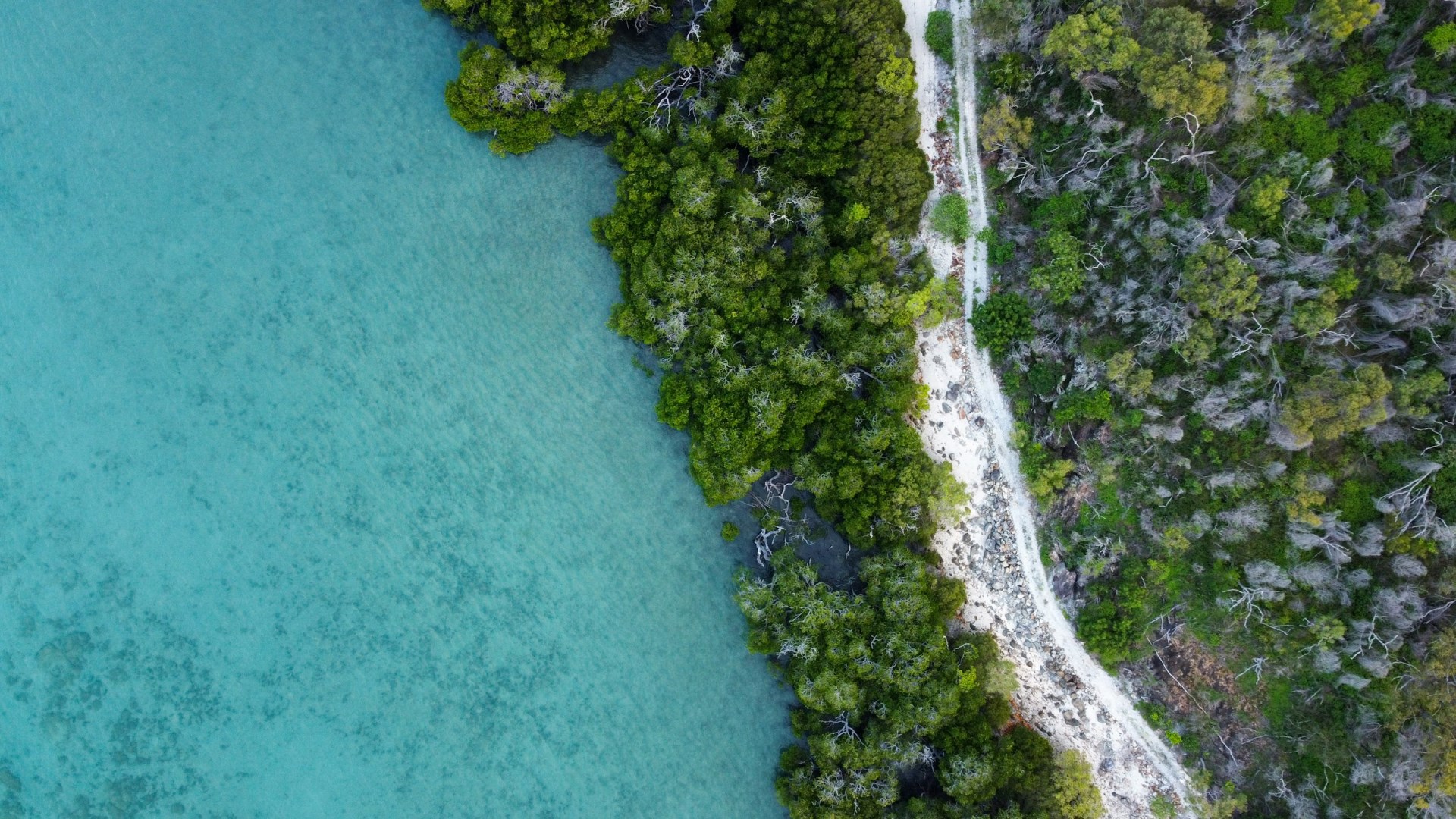
Orpheus Island
Orpheus Island is totally unspoilt and has its own National Park. Beautiful sunny beaches offer you total seclusion. You can also enjoy sailing, windsurfing, snorkeling and coral viewing. A choice of beach-front bures or studios, along with some of the fines food and wine selections in Australia, make Orpheus a great choice for your island stop over.
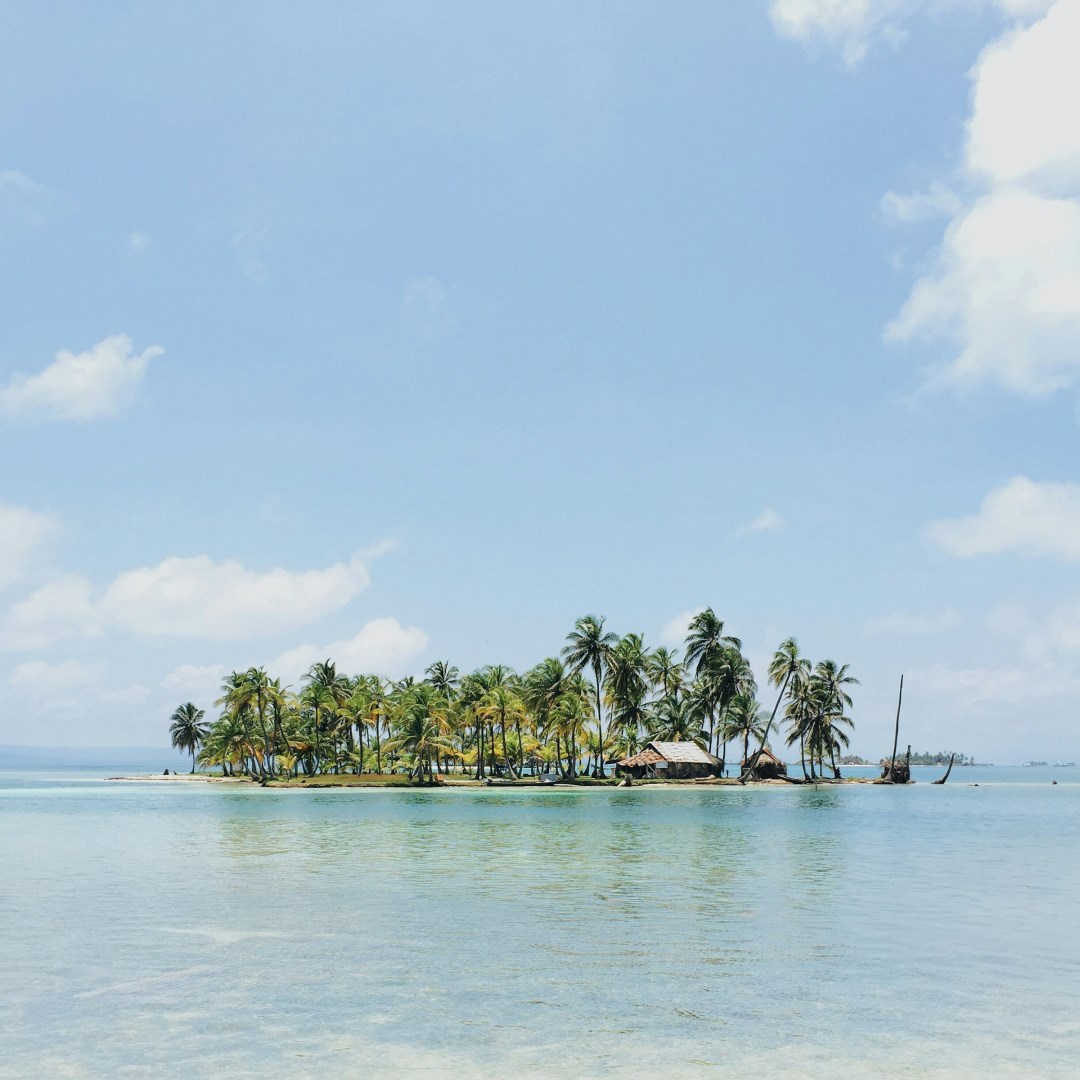
Kuna Yala
Kuna Yala, officially known as Guna Yala, is an Indigenous comarca along Panama's Caribbean coast, extending from the province of Colón toward the border with Colombia. Its best-known feature is the Guna Yala archipelago, made up of hundreds of small islands and islets surrounded by coral reefs and clear Caribbean waters. Many islands are low and covered with coconut palms, while others are uninhabited.
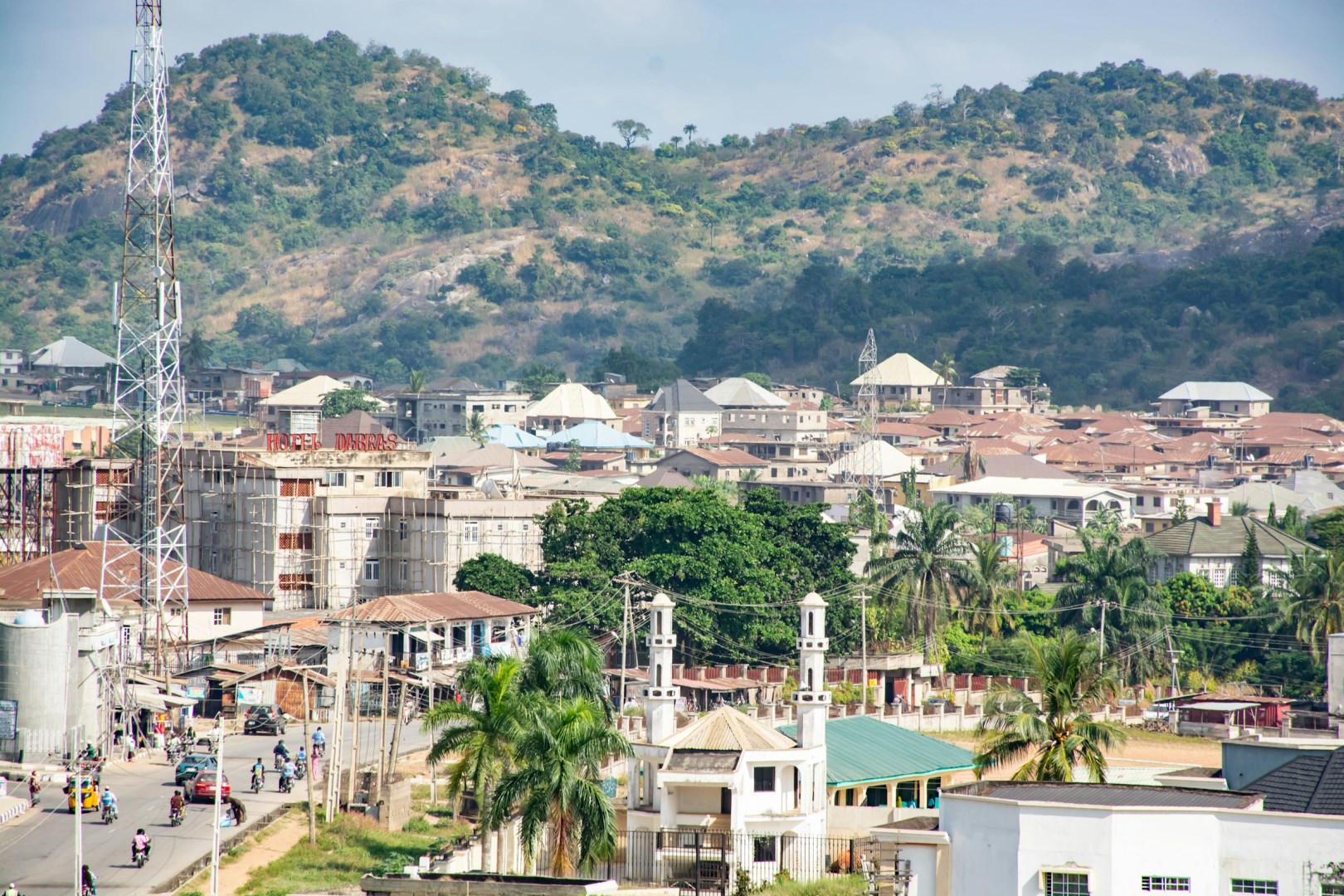
Okene
Okene is a town in Kogi State in north-central Nigeria, set among the hills of the central Nigerian landscape.
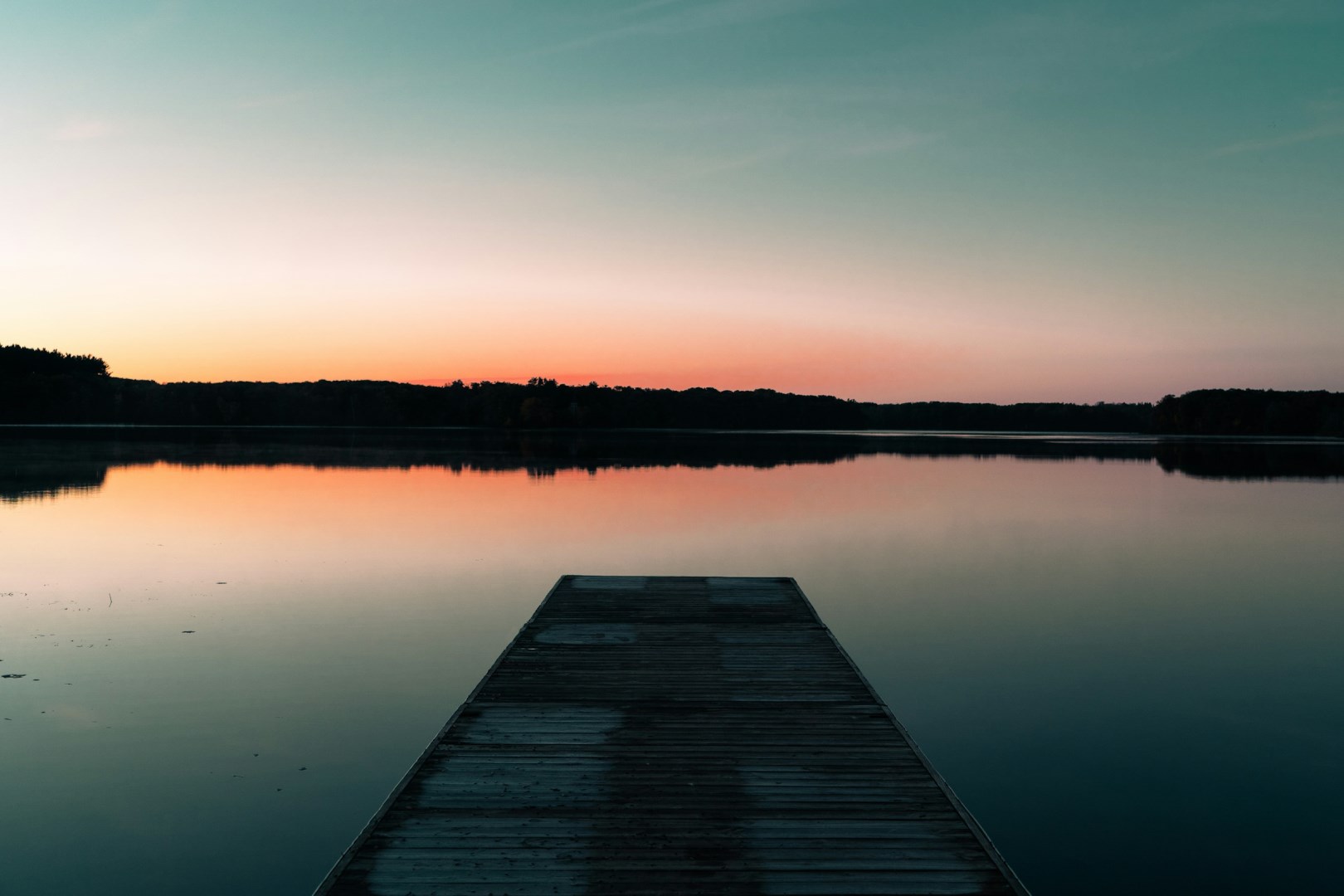
Minnesota
Minnesota, often known as the "Land of 10,000 Lakes," offers an array of natural and cultural attractions that make it a must-visit destination. In Minneapolis, the largest city, you'll find a vibrant arts scene complemented by the picturesque beauty of the Chain of Lakes. The Minneapolis Institute of Arts houses a diverse collection ranging from ancient to contemporary works, while the Walker Art Center's Sculpture Garden showcases iconic pieces like the Spoonbridge and Cherry.
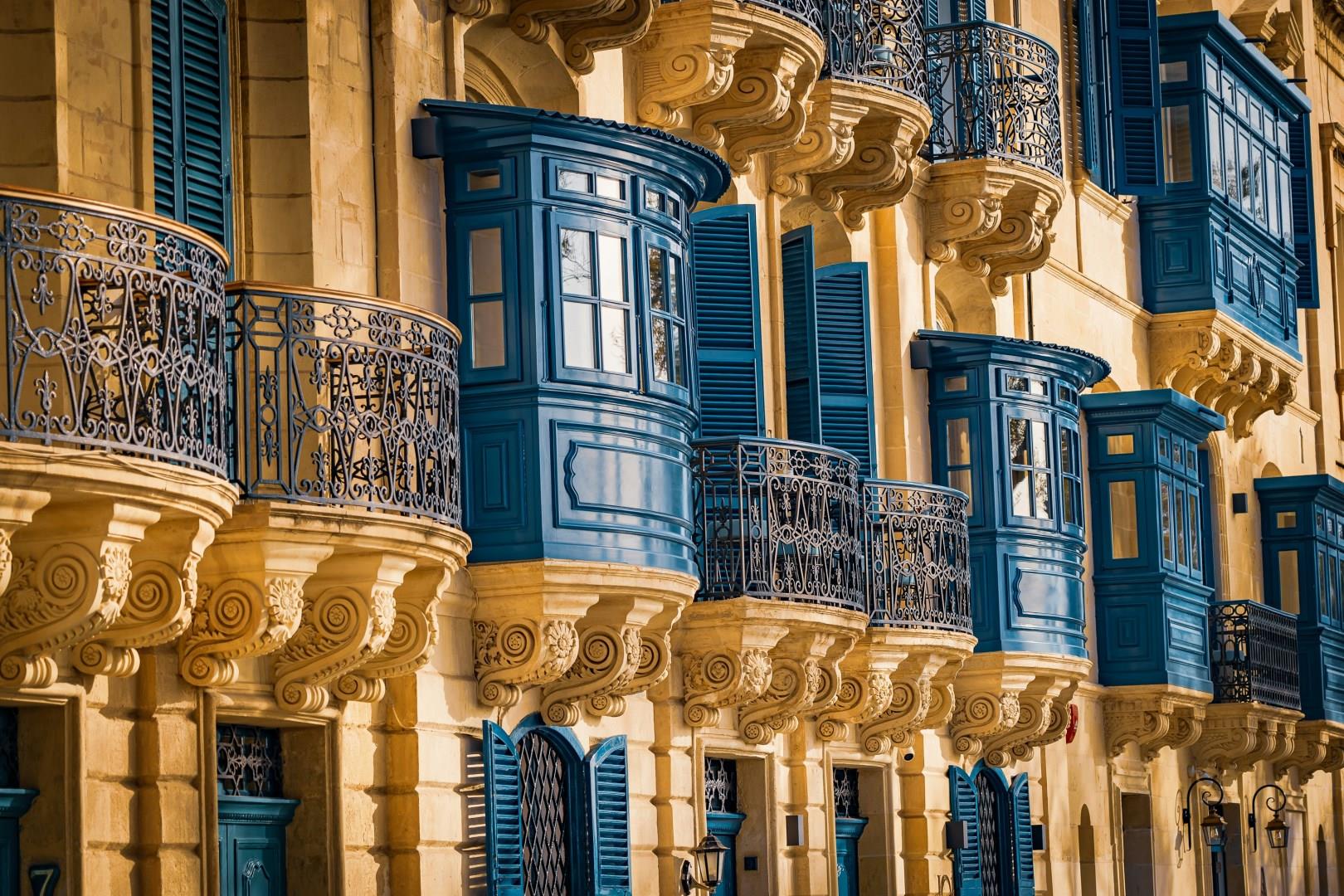
Valleta
Malta’s ornate and vibrant capital, Valletta, dazzles travelers with its abundance of historical landmarks and striking architecture. This island jewel off the coast of Italy remains a popular destination for Mediterranean cruises. From central St. George’s Square, to sixteenth-century Casa Rocca Piccola, to the Siege Bell War Memorial, Valletta has no shortage of monuments detailing the city’s long history.