Van Buren
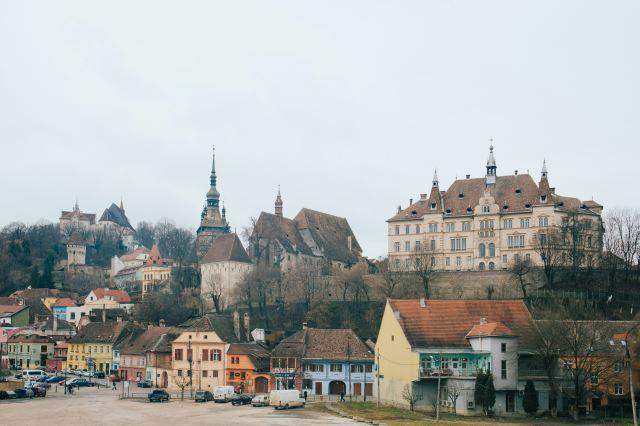
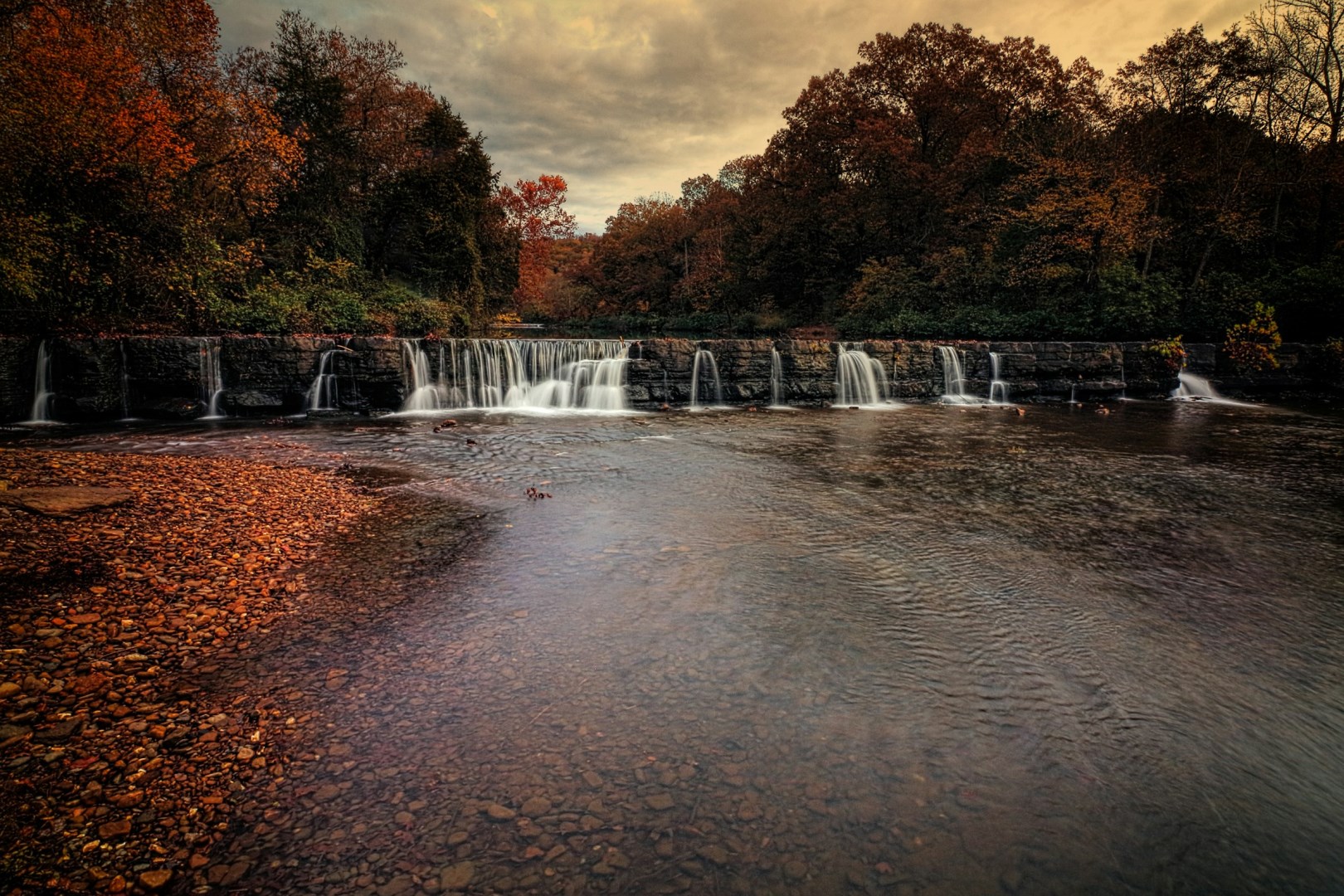
Van Buren is a historic river city in western Arkansas, situated along the Arkansas River near the foothills of the Ozark Mountains. Its location has long connected the community with river travel, railroads, and routes through the Arkansas River Valley. Downtown Van Buren is particularly distinctive, with six blocks of restored buildings forming the Main Street National Historic District.
Thyolo
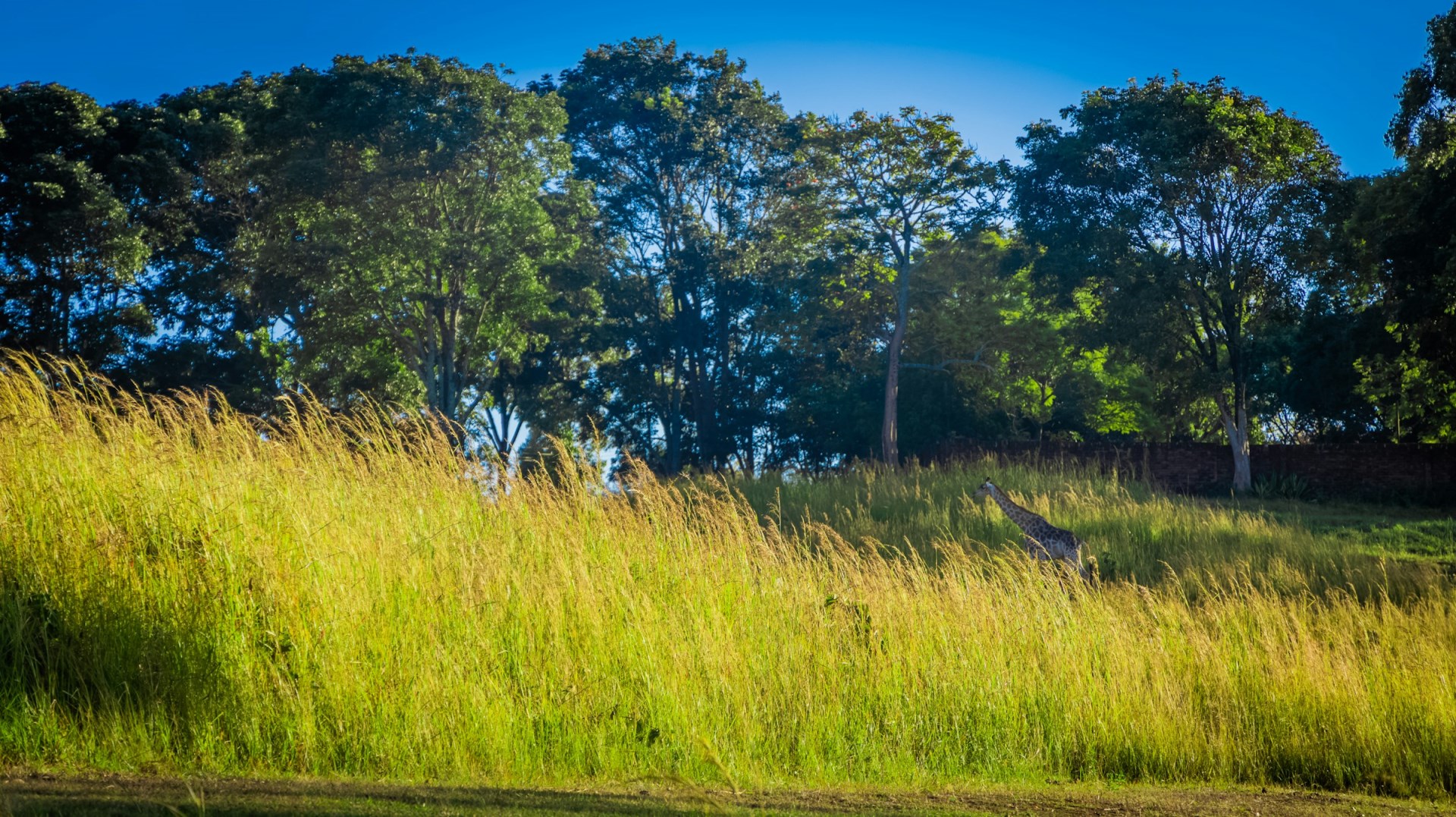
Thyolo is a district and town in southern Malawi, set among the rolling hills of the Shire Highlands between Blantyre and Mount Mulanje. It is best known for its tea estates, where carefully planted rows of tea cover the slopes and form one of the region’s defining landscapes. The area also produces coffee and other crops, while the surrounding highlands support forests and farmland.
Masoala National Park
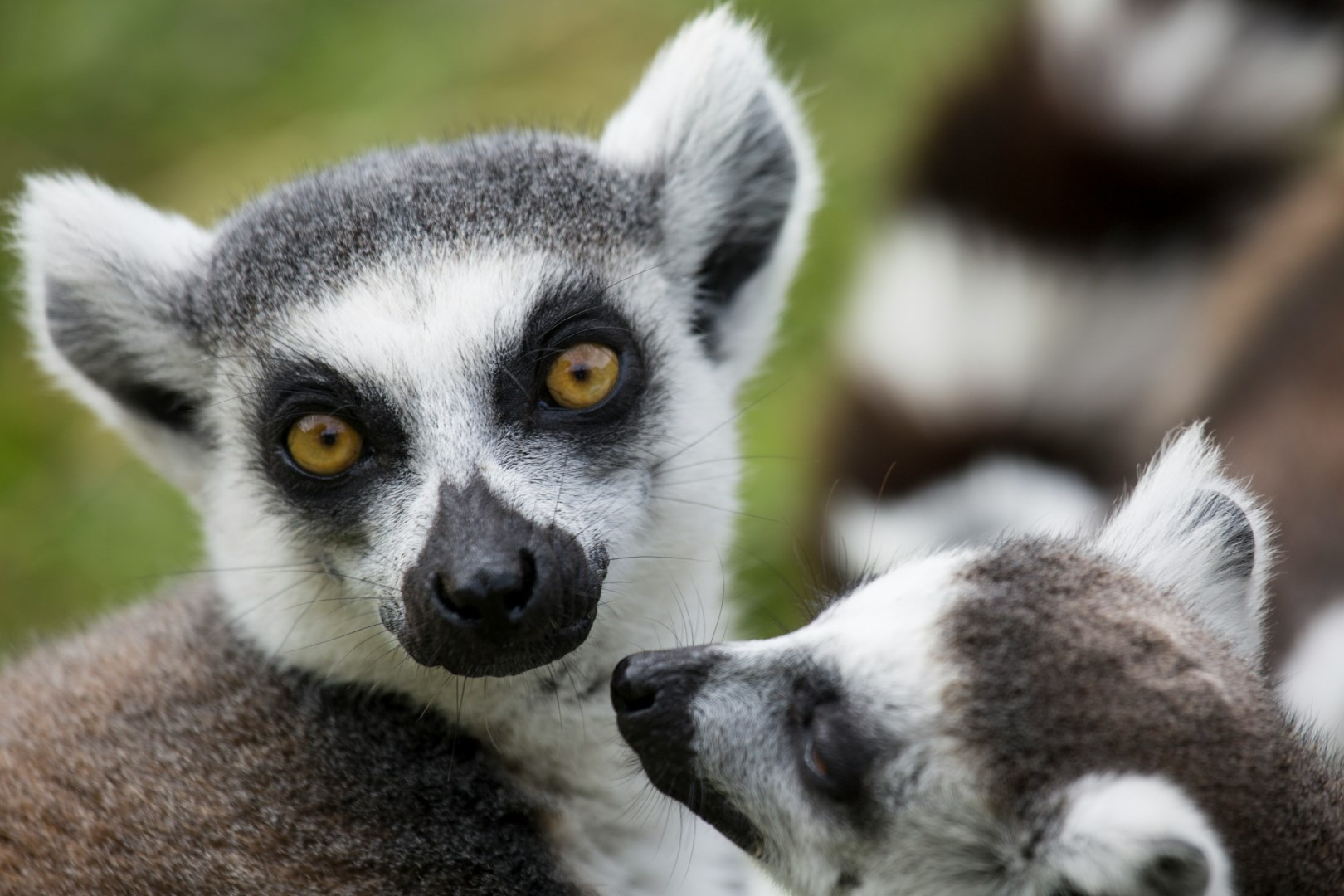
Immerse yourself in adventure in the untouched wilderness of Masoala National Park, Madagascar, where pristine rainforests, secluded beaches, and diverse wildlife converge. Varied animal sightings await, from whale watching to lemur spotting; it's like nowhere else on this planet!
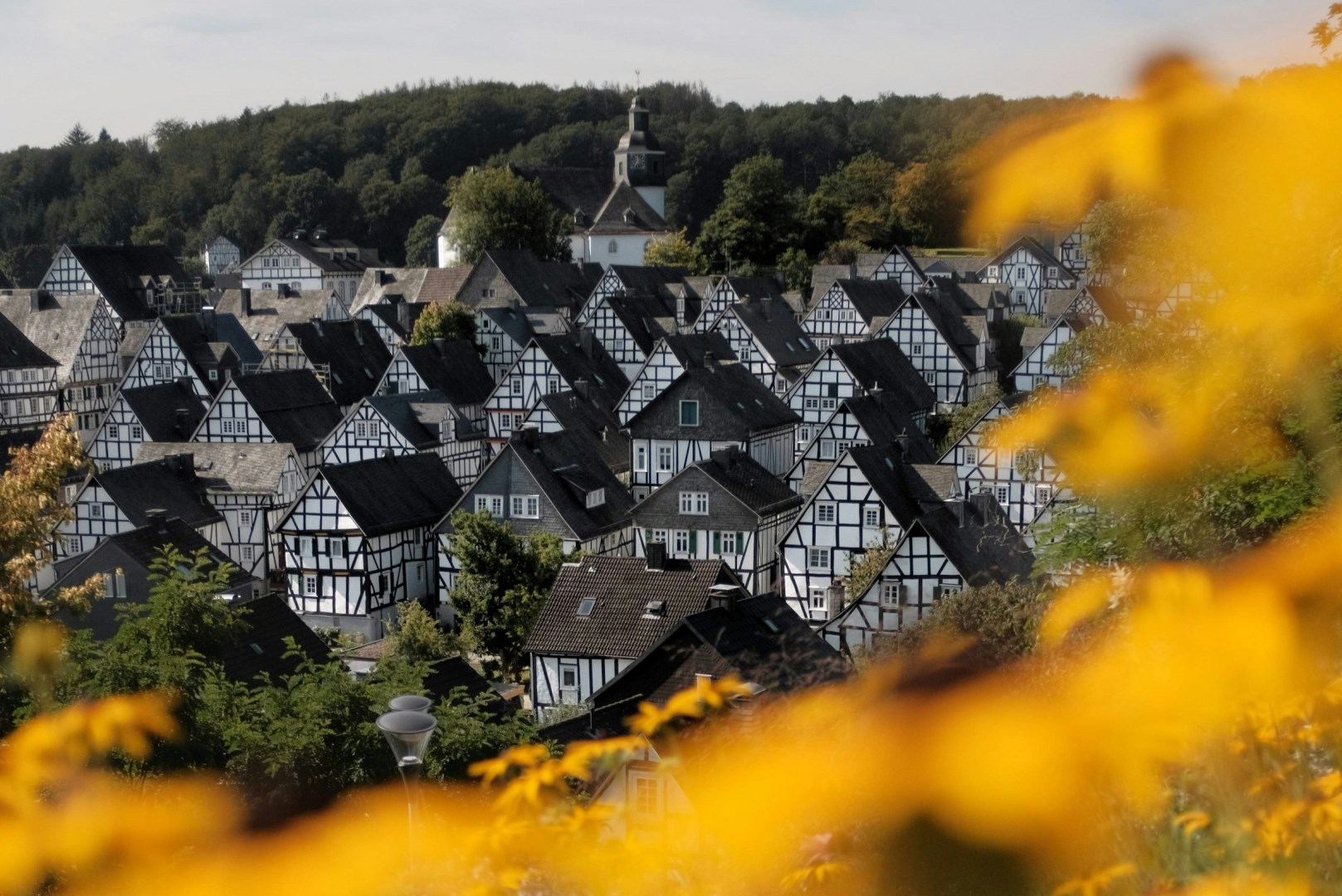
Freudenberg
Freudenberg is a small medieval town in Germany. The "Alter Flecken" is Freudenberg's downtown area, built wholly of half-timbered houses that give the town a fairytale appearance. An open-air stage with roofed grandstand, the town museum housing a 1904 steam engine, and annual Oktoberfest celebrations are the town's most popular attractions.
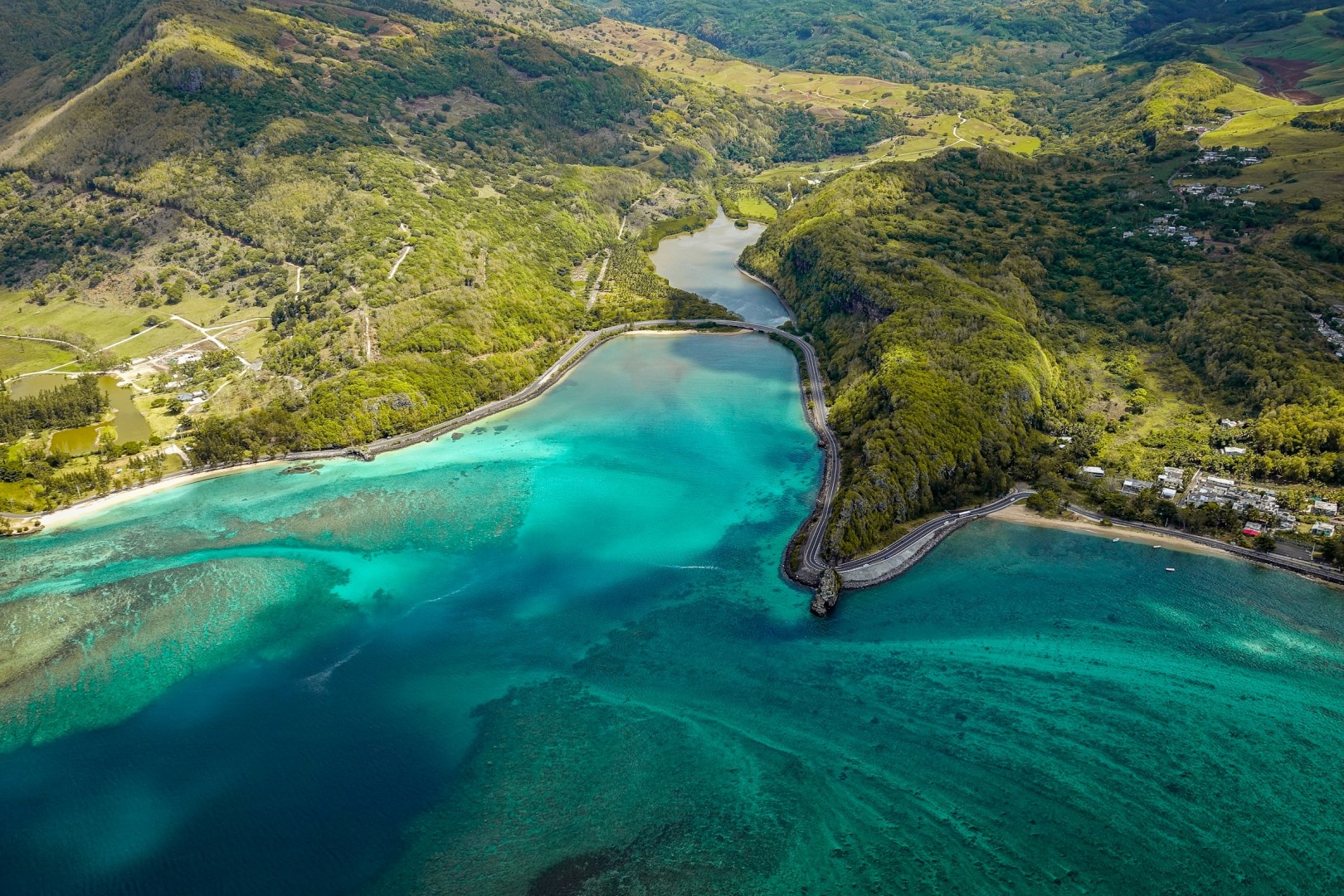
Macondé
Macondé is a small locality in southwestern Mauritius, set on the coastal road between Baie du Cap and Le Morne. It is best known for the dramatic section of road that curves around the base of a dark basalt cliff beside the Indian Ocean.