Dodoma
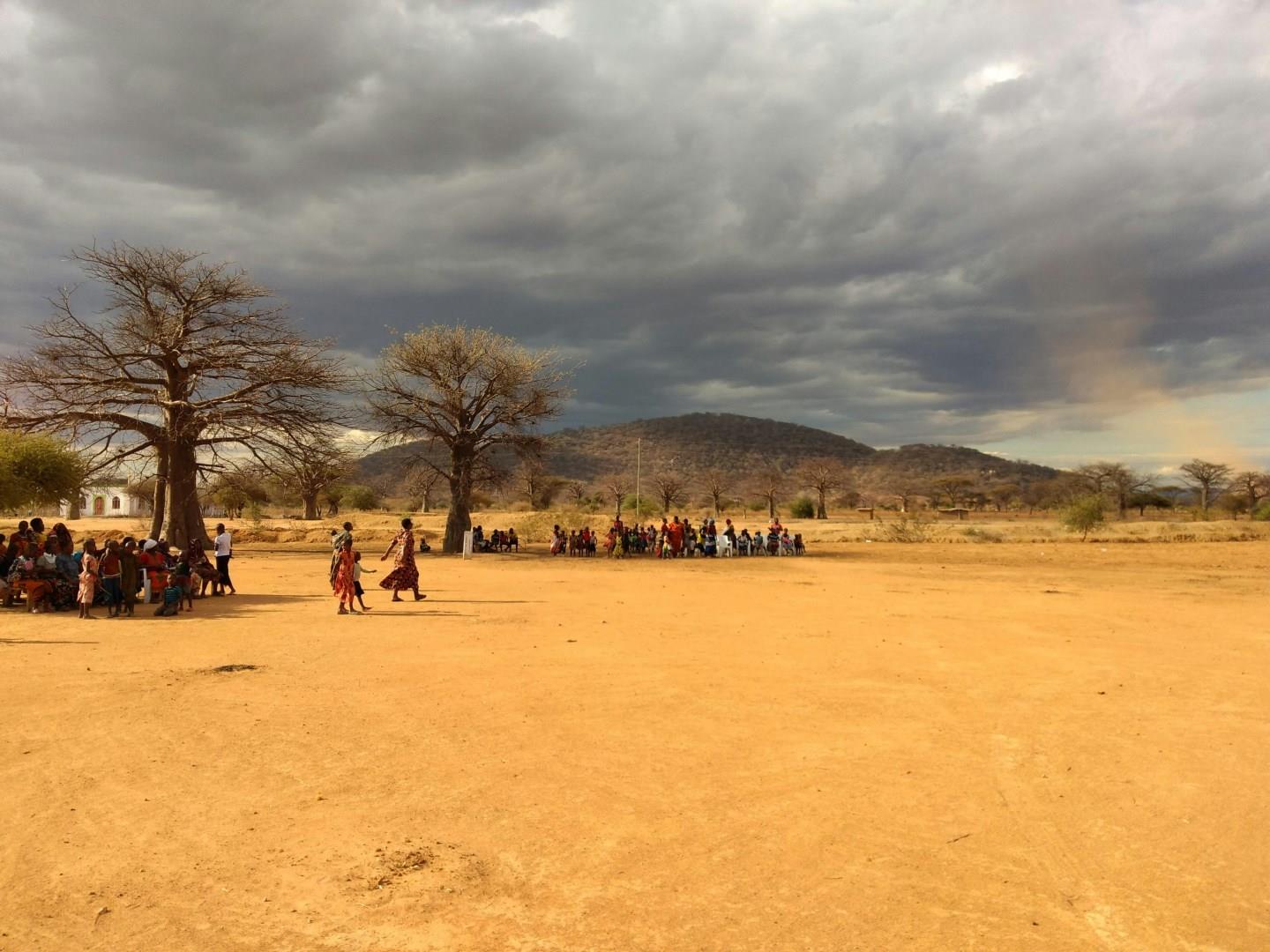
Dodoma, the capital of Tanzania, is a city that sits in the heart of the country, surrounded by rolling hills and semi-arid plains.
Kashgar
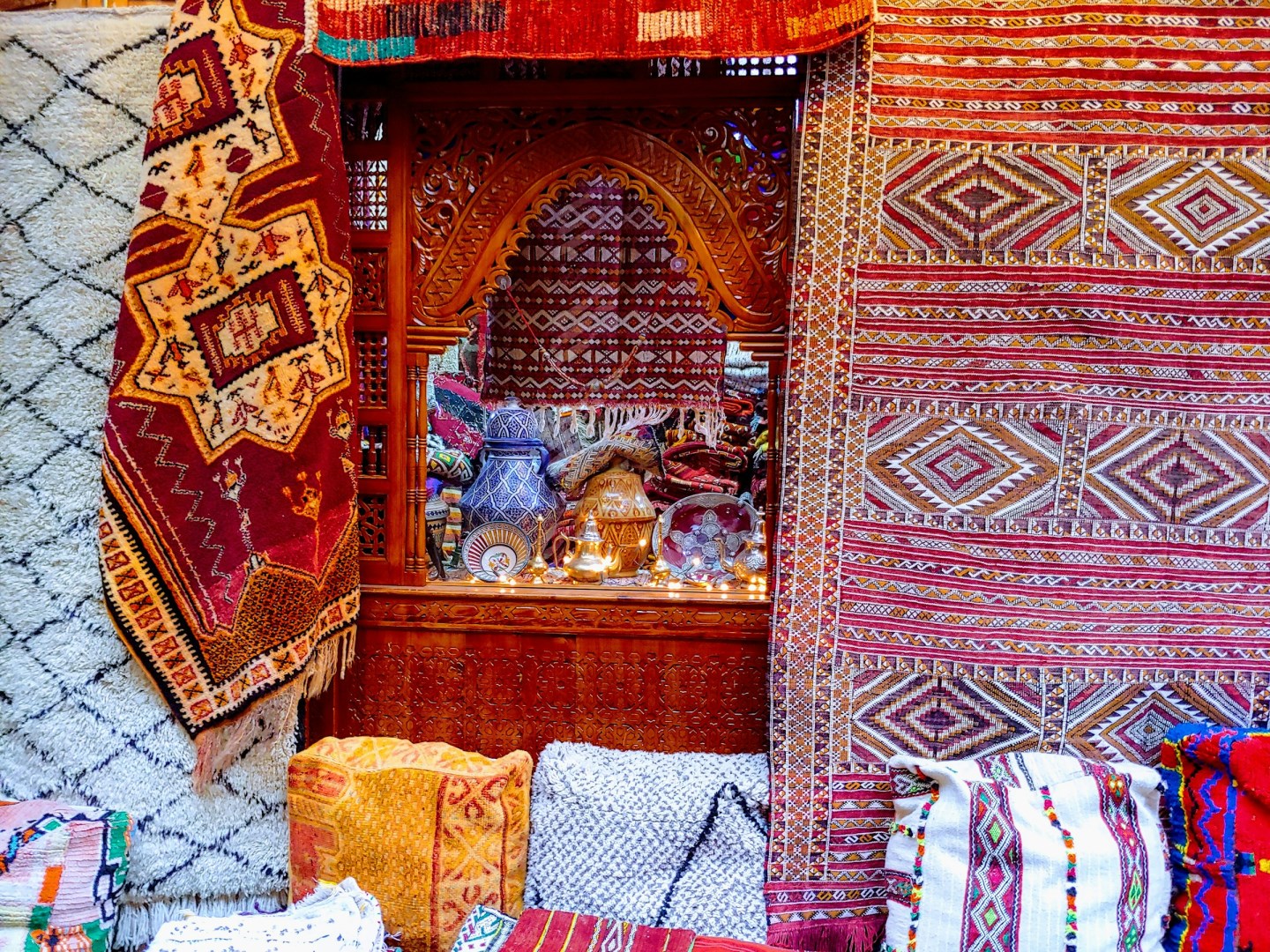
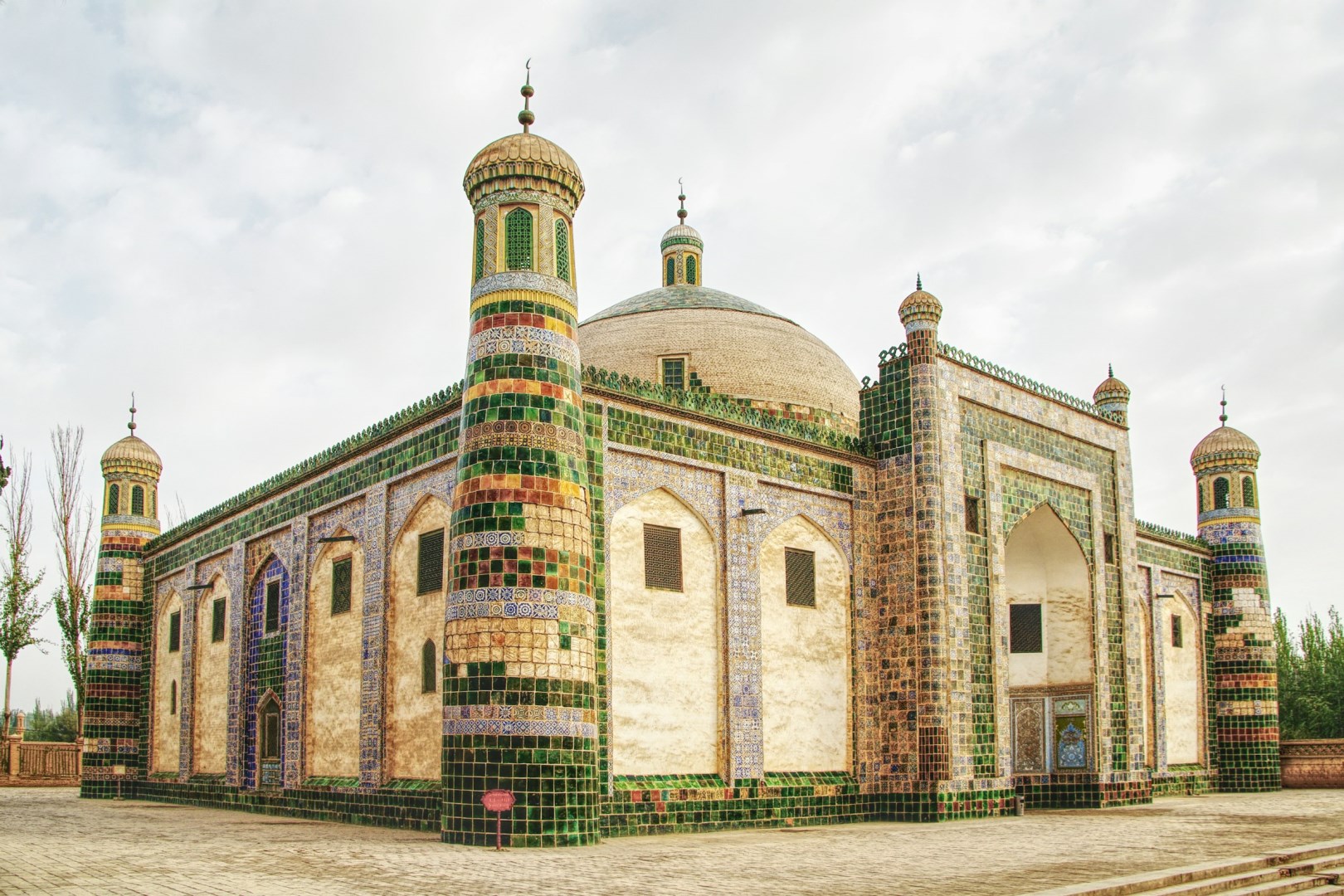
One of the most remote cities in the world, formerly known as Turkestan. It is situated along the ancient Silk Road near the Sino-Russian border. Sightseeing highlights include the ancient mosques and open markets. A fascinatingly colorful and ancient way of life still exists.
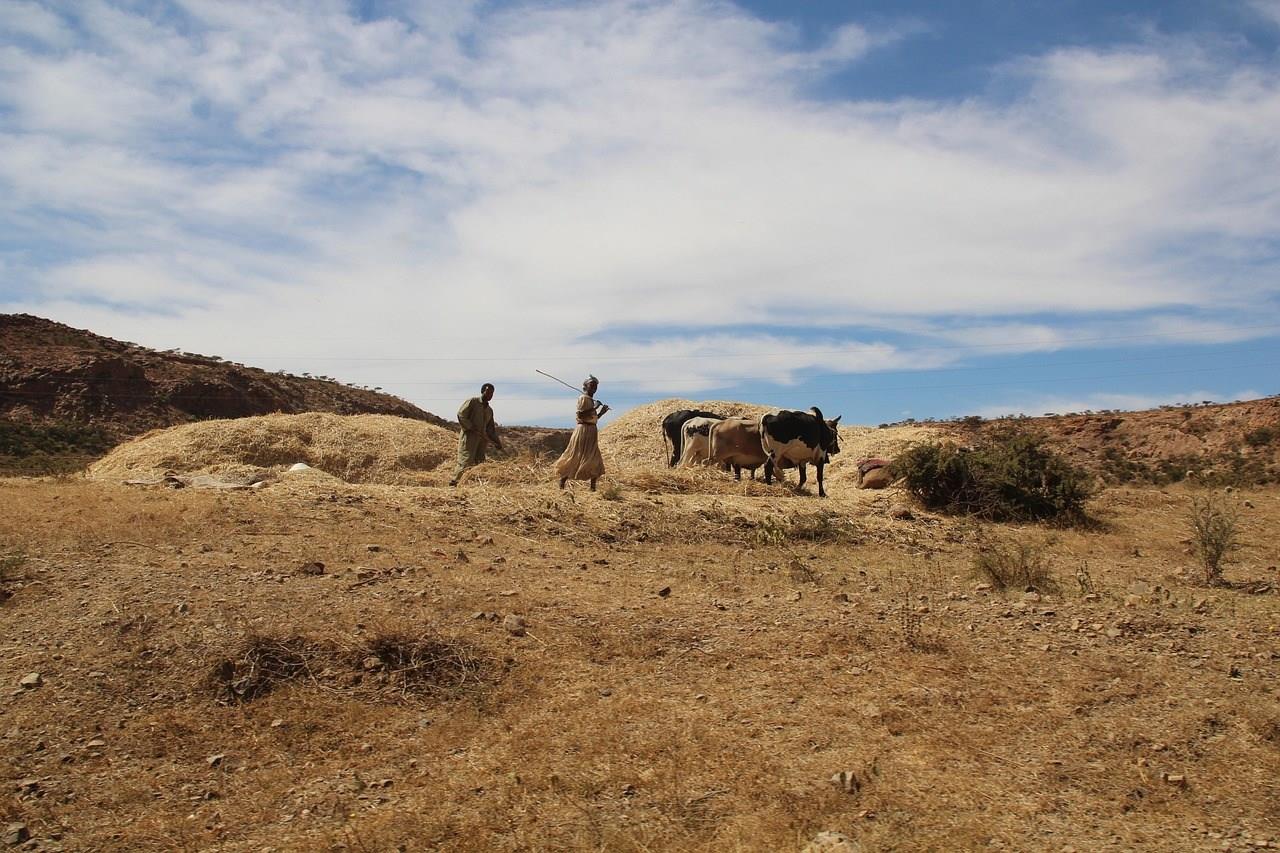
Eritrea
Eritrea, located along the Red Sea in the Horn of Africa, offers a fascinating blend of history, diverse landscapes, and rich cultural traditions.
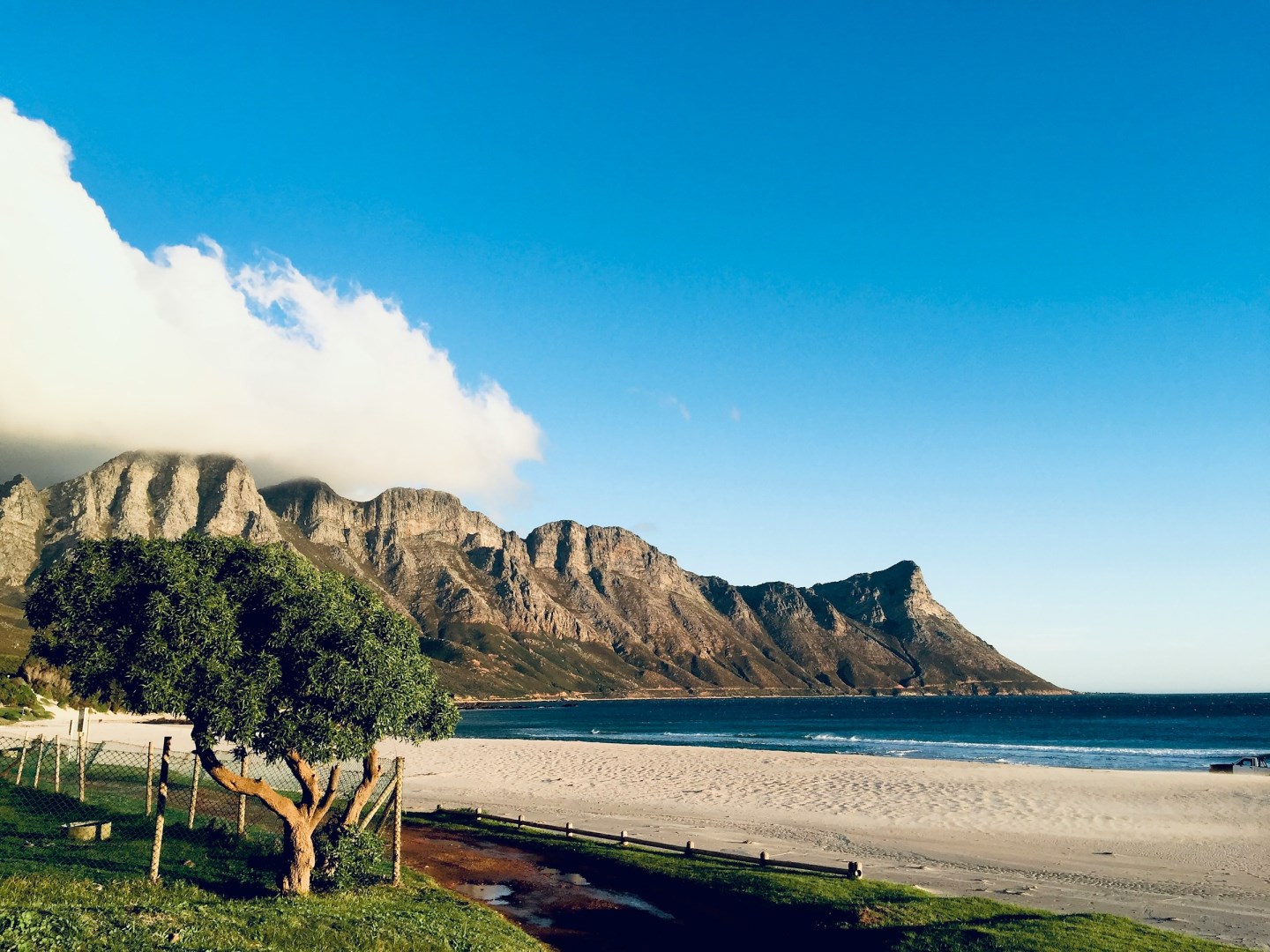
Western Cape
Western Cape is a province in southwestern South Africa, extending from the Atlantic coast across the Cape Fold Mountains, inland valleys, and dry Karoo landscapes. Cape Town is its provincial capital and largest city, while towns such as Stellenbosch, George, Hermanus, and Oudtshoorn represent different parts of the region.
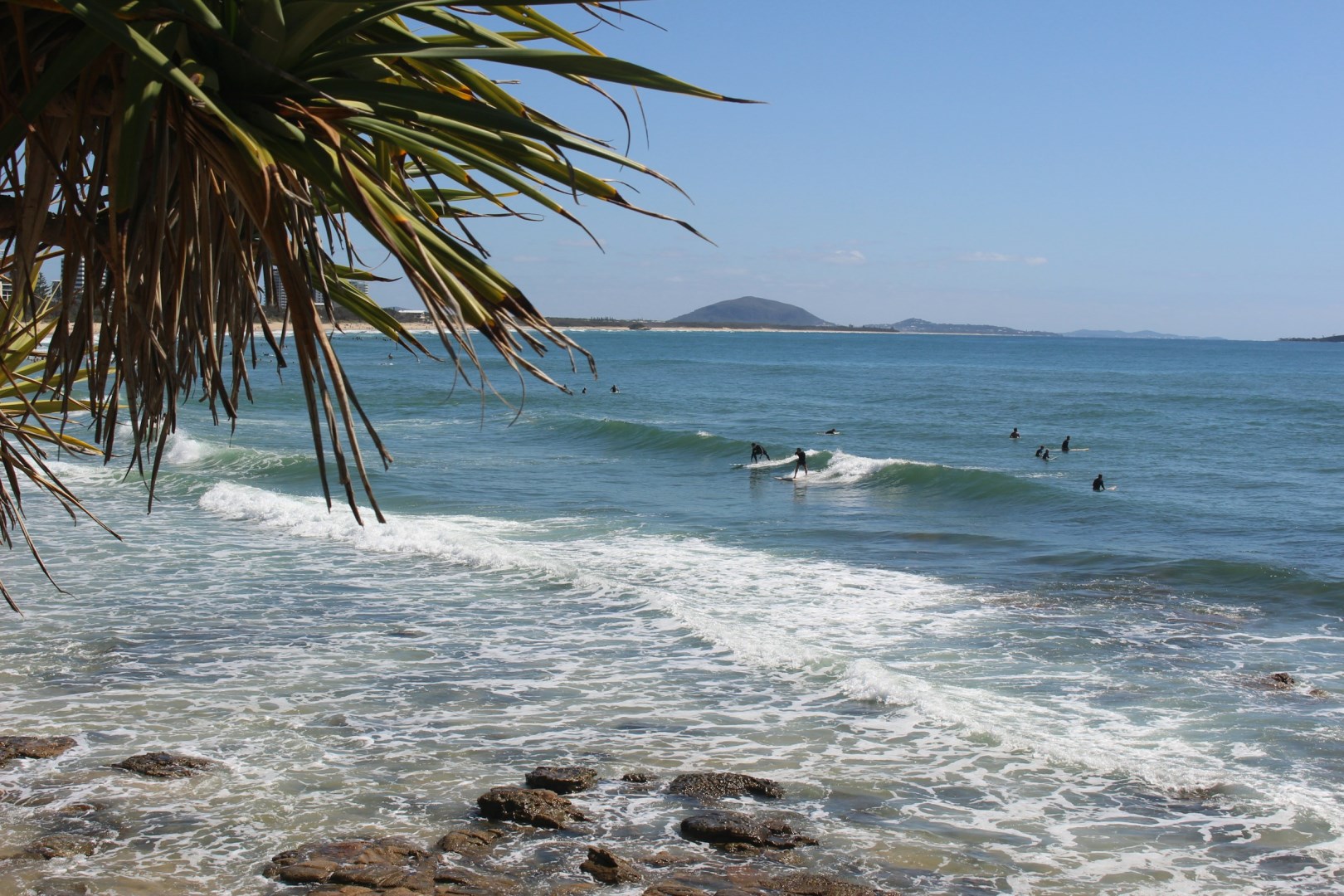
Alexandra Headland
Alexandra Headland is a coastal suburb on Queensland’s Sunshine Coast, situated between Mooloolaba and Maroochydore. Its main feature is a rocky headland overlooking a long sandy beach, with ocean views extending along the surrounding coastline. Alexandra Headland Beach is popular for swimming, surfing, fishing, and walking, while the foreshore includes parks, picnic areas, and paths connecting the beach with neighbouring communities.